.webp&w=384&q=75)

Loading, please wait...
Loading, please wait...
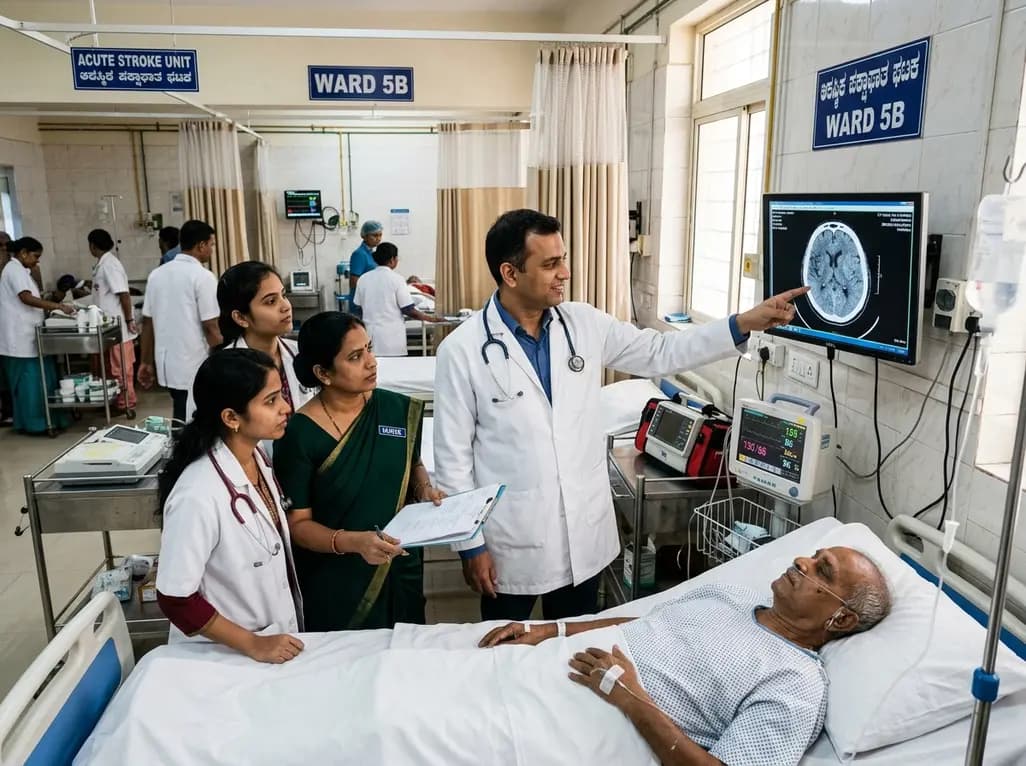
Stroke remains a foremost cause of mortality and long-term disability globally, with low- and middle-income nations bearing an escalating disease burden. In India, acute cerebrovascular events present unique epidemiological challenges due to marked regional disparities and fragmented health infrastructure. Most specialized neurovascular facilities remain concentrated in private, urban tertiary centres, leaving semi-urban and rural populations vulnerable to delays. Consequently, implementing a standardized acute stroke care model at the district health system level has become an urgent public health imperative. A novel study protocol from Karnataka, termed the CASCADE study, investigates whether a structured, secondary-to-tertiary level framework can significantly optimize survival, functional independence, and overall quality of life.
Historically, stroke management across India has struggled with severe delays along the patient pathway. The critical golden window for intravenous thrombolysis and endovascular mechanical thrombectomy often closes before patients reach advanced facilities. Most public district hospitals lack dedicated acute stroke pathways, rapid neuroimaging triage, and bedside thrombolytic capabilities. Therefore, patients frequently experience uncoordinated inter-facility transfers, worsening ischemic brain injury and neurological deficits.
Furthermore, a shortage of trained neurologists in peripheral regions exacerbates this treatment deficit. Non-specialist medical officers and emergency physicians must therefore make rapid clinical judgments under resource constraints. Without structured clinical decision-support systems, health workers frequently misdiagnose transient ischemic attacks and evolving infarctions. By shifting from ad-hoc emergency assessments to decentralized district protocols, healthcare systems can decentralize hyperacute care. Standardizing initial stabilization and thrombolysis at district health facilities protects salvageable brain tissue before secondary transportation occurs.
The Comprehensive Acute Stroke Care Model, abbreviated as CASCADE, establishes a continuum of standardized clinical protocols across six secondary and tertiary healthcare facilities in Karnataka. This pioneering framework integrates rapid pre-hospital emergency recognition, streamlined in-hospital emergency triage, timely neuroimaging, neuroprotection, and prompt reperfusion therapies. In addition, the pathway outlines precise criteria for medical stabilization, systemic thrombolysis, neurosurgical referral, and structured post-acute discharge planning.
Importantly, the framework does not treat acute stroke as an isolated emergency room episode. Instead, it embeds continuous clinical guidance across all stages of inpatient hospitalization. Nursing personnel and general duty medical officers utilize standardized bedside monitoring checklists to prevent secondary physiological insults, including hyperthermia, hyperglycemia, hypoxia, and severe blood pressure fluctuations. Additionally, structured referral algorithms ensure that patients requiring mechanical thrombectomy or decompressive craniectomy reach specialized comprehensive centers without repetitive diagnostic delays.
To rigorously assess clinical efficacy, investigators designed a quasi-experimental pre- and post-interventional trial funded by the SKAN Research Trust. The trial plans to recruit 510 adult patients presenting with their first-ever acute stroke across participating public healthcare institutions. Investigators will enroll 255 consecutive patients during the baseline pre-intervention observational phase, followed by another 255 patients after the systematic implementation of the intervention.
During the interventional phase, multi-disciplinary healthcare teams receive specialized modular training in rapid neurological assessment, National Institutes of Health Stroke Scale scoring, CT scan interpretation, and emergency protocol execution. The research design allows real-world assessment within typical government health settings rather than idealized academic environments. Consequently, the findings will reflect genuine operational realities, identifying systemic barriers and workflow solutions directly applicable to public health systems in comparable resource-limited settings.
Evaluating the success of a comprehensive stroke network requires monitoring long-term functional and patient-reported outcomes rather than merely documenting acute hospital survival. Accordingly, the CASCADE study implements a rigorous longitudinal follow-up schedule evaluating patients at day 28, month 3, month 6, and month 12 post-event. Researchers will systematically quantify physical disability using validated tools such as the modified Rankin Scale and the Barthel Index.
Moreover, the protocol assesses health-related quality of life, secondary vascular recurrence, cognitive impairment, and psychological distress among stroke survivors. Because catastrophic out-of-pocket health expenditure often causes secondary financial toxicity in Indian families, longitudinal tracking helps determine the broader socio-economic impacts of organized care. Tracking long-term functional recovery provides actionable insight into the real-world value of early district-level medical stabilization.
The operational evidence generated by this initiative will carry profound ramifications for state and national healthcare planning across India. Currently, national non-communicable disease programs seek feasible, scalable blueprints to integrate emergency cardiovascular and neurovascular interventions into district-level facilities. If the CASCADE framework demonstrates marked improvements in functional independence and reduced mortality, health authorities can adopt its modular protocols nationwide.
For practicing physicians, general practitioners, and emergency teams, the study demonstrates that high-quality acute neurovascular care does not rely solely on ultra-advanced tertiary infrastructure. Instead, systematic triage, rapid diagnosis, protocolized medical management, and timely revascularization significantly improve clinical outcomes. By empowering district medical teams with clear management algorithms, health systems can systematically democratize lifesaving stroke care across diverse populations.
The CASCADE framework uniquely adapts standardized neurovascular protocols for secondary and tertiary public hospitals. Rather than relying exclusively on specialized neurological centers, it equips district physicians and nurses with structured algorithms for rapid triage, emergency neuroimaging, bedside medical stabilization, protocolized systemic thrombolysis, and timely inter-facility referral.
Standardized pre-hospital triage establishes clear emergency algorithms that reduce door-to-needle time. Early symptom identification and pre-hospital notifications enable emergency departments to prepare imaging and thrombolytic medications before patient arrival. This rapid workflow prevents ischemic neuronal loss, lowers mortality, and significantly minimizes long-term functional disability.
A 12-month follow-up window allows clinicians to evaluate long-term functional recovery, cognitive function, and quality of life beyond the immediate post-acute phase. It captures secondary vascular events, medication adherence, rehabilitation efficacy, and household economic impacts, offering a comprehensive assessment of overall health system effectiveness.
Disclaimer: This content is for informational and educational purposes only. It is not intended to provide medical advice or replace the clinical judgment of a healthcare professional. Healthcare providers should make individualized diagnostic and treatment decisions based on each patient’s clinical presentation. Refer to the latest local and national guidelines for clinical practice.
References

Read summarized clinical updates, watch expert medical content, and earn CME certifications right from your smartphone.
Open your smartphone camera to scan and install.





The CASCADE study protocol evaluates a comprehensive, district-level acute stroke care model across secondary and tertiary hospitals in Karnataka, aiming to standardize triage, acute therapy, referral, and long-term functional recovery to bridge critical gaps in Indian stroke management.
last month

A groundbreaking review highlights mitochondrial quality control as a pivotal gating layer between metabolite signaling and regulated cell death, offering transformative therapeutic avenues across cardiology, oncology, and critical care.
Today
A large retrospective study evaluates the screening accuracy, positive predictive value, and test failure rates of noninvasive prenatal testing (NIPT) in assisted reproductive technology (ART) pregnancies compared to spontaneous conceptions, highlighting key considerations for pretest counseling.
Today
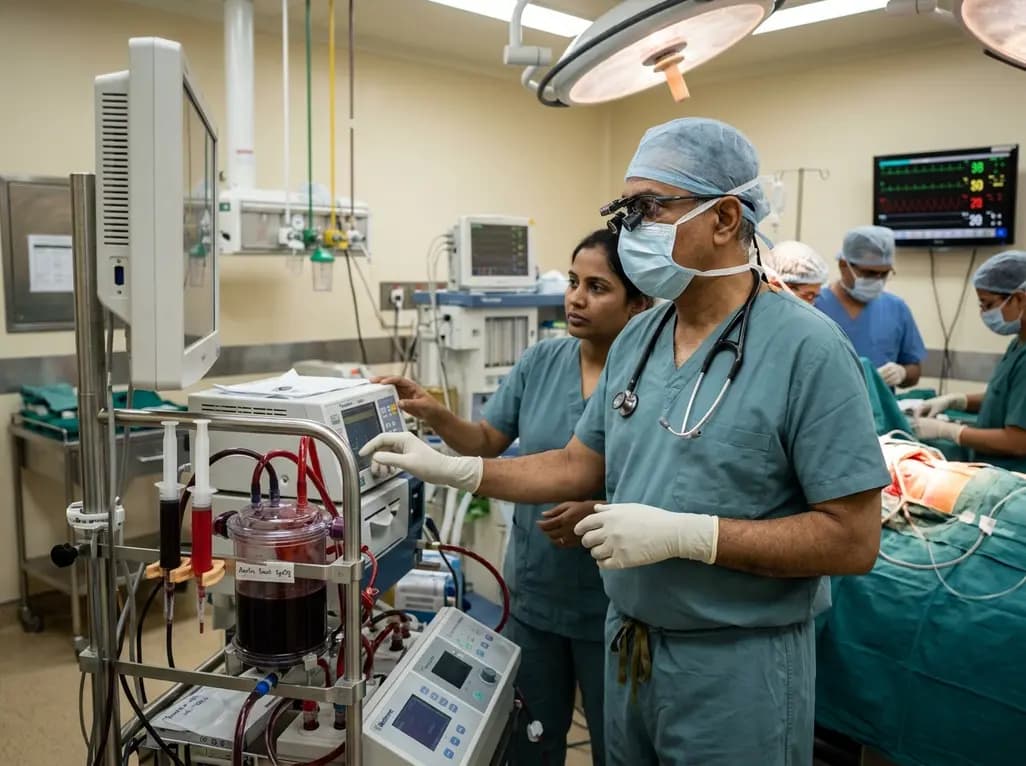
Differential oxygenation during peripheral TA-NRP can cause undetected coronary hypoxemia due to arch vessel clamping. A novel circuit with continuous aortic root monitoring detects desaturation early, facilitating left ventricular unloading and preventing allograft dysfunction and unnecessary heart discard.
Today
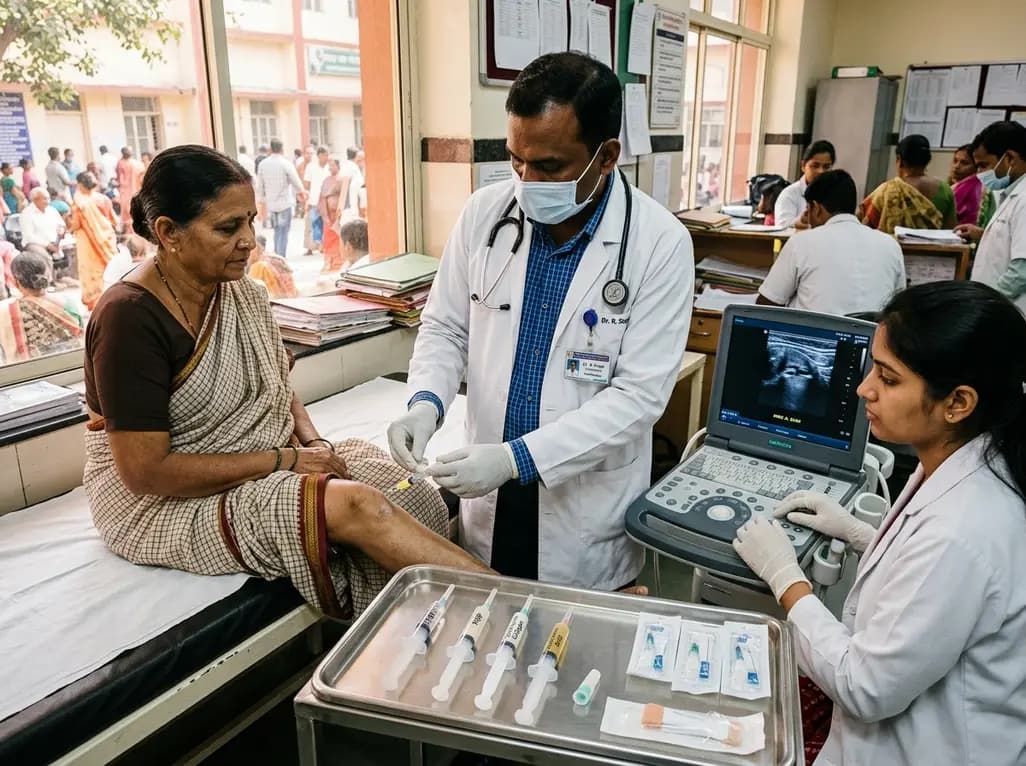
A randomized controlled trial compared ultrasound-guided intra-articular injections of PRP, hydrolyzed type I collagen, and hyaluronic acid in knee osteoarthritis. All therapies demonstrated significant improvements in WOMAC and pain scores at six months, supporting hydrolyzed collagen as a viable biological option.
Today

A scoping review evaluates 116 studies on AI in women's reproductive health, finding that 83.6% carry high risk of bias. While ensemble models show promise, disparities and lack of validation hinder LMIC deployment.
Today
