.webp&w=384&q=75)

Loading, please wait...
Loading, please wait...

Disseminated histoplasmosis diagnosis presents a significant clinical challenge, particularly in the growing population of immunocompromised individuals. A recent case study highlights an unusual finding during a rapid on-site assessment (ROSE) performed during endobronchial ultrasound-guided transbronchial needle aspiration (EBUS-TBNA). Specifically, the report focuses on a renal transplant recipient presenting with fever, mild anemia, and bilateral lung infiltrates. Mediastinal lymphadenopathy necessitated the use of EBUS-TBNA to sample station 7 and 11L lymph nodes.
Renal transplant patients are at high risk for opportunistic fungal infections due to chronic immunosuppression. In this case, the patient exhibited systemic symptoms that often mimic tuberculosis or sarcoidosis. Consequently, clinicians utilized EBUS-TBNA to investigate the enlarged hilar and mediastinal nodes. Furthermore, the medical team employed ROSE to ensure sample adequacy. This immediate evaluation provided unexpected cytomorphologic findings that pointed toward a fungal etiology.
Cytopathologists typically use ROSE to evaluate specimens for malignancy or granulomatous diseases. However, in this specific instance, the disseminated histoplasmosis diagnosis was suggested immediately based on routine stains. These stains revealed characteristic yeast forms within the aspirates. Therefore, ROSE acted as a powerful diagnostic tool that bypassed the multi-day waiting period usually required for fungal cultures. Although microbiologic cultures later confirmed the diagnosis, the initial ROSE findings allowed the clinical team to adjust management strategies much earlier.
Early identification of Histoplasma capsulatum is essential for patient survival in the post-transplant period. Rapid diagnosis enables the prompt initiation of antifungal therapy, typically starting with amphotericin B followed by long-term azole maintenance. Moreover, using EBUS-TBNA with ROSE reduces the need for more invasive surgical biopsies. Consequently, this approach provides a safe and efficient pathway for identifying fungal pathogens in patients with mediastinal lymphadenopathy.
ROSE allows for the immediate microscopic examination of cytology slides. This process can identify yeast structures or specific inflammatory patterns, such as granulomas, which alert the clinician to an infectious process before culture results are available.
These patients receive immunosuppressive drugs to prevent organ rejection. These medications impair cell-mediated immunity, which is the body's primary defense against Histoplasma capsulatum, leading to a higher risk of systemic spread.
Yes, EBUS-TBNA is currently the gold standard for sampling mediastinal nodes due to its high diagnostic yield and low complication rate compared to surgical mediastinoscopy.
Disclaimer: This content is for informational and educational purposes only. It does not constitute medical advice or establish a doctor-patient relationship. Physicians should always perform their own independent clinical evaluations. Refer to the latest local and national guidelines for clinical practice.
References
Doxtader EE et al. Disseminated Histoplasmosis: An Unusual Finding at ROSE. Diagn Cytopathol. 2026 Feb 19. doi: 10.1002/dc.70103. PMID: 41714839.
Assi M et al. Histoplasmosis in Solid Organ Transplantation. Pathogens. 2024 Feb 2;13(2):135. doi: 10.3390/pathogens13020135.
Yarmus L et al. Endobronchial ultrasound-guided transbronchial needle aspiration: 2025 Chest Physician Guidelines and Update. Chest. 2025 Jan;167(1):112-124.
"
Read summarized clinical updates, watch expert medical content, and earn CME certifications right from your smartphone.
Open your smartphone camera to scan and install.





A case analysis explores the use of rapid on-site assessment (ROSE) during EBUS-TBNA to suspect disseminated histoplasmosis in a renal transplant recipient....
8 months ago
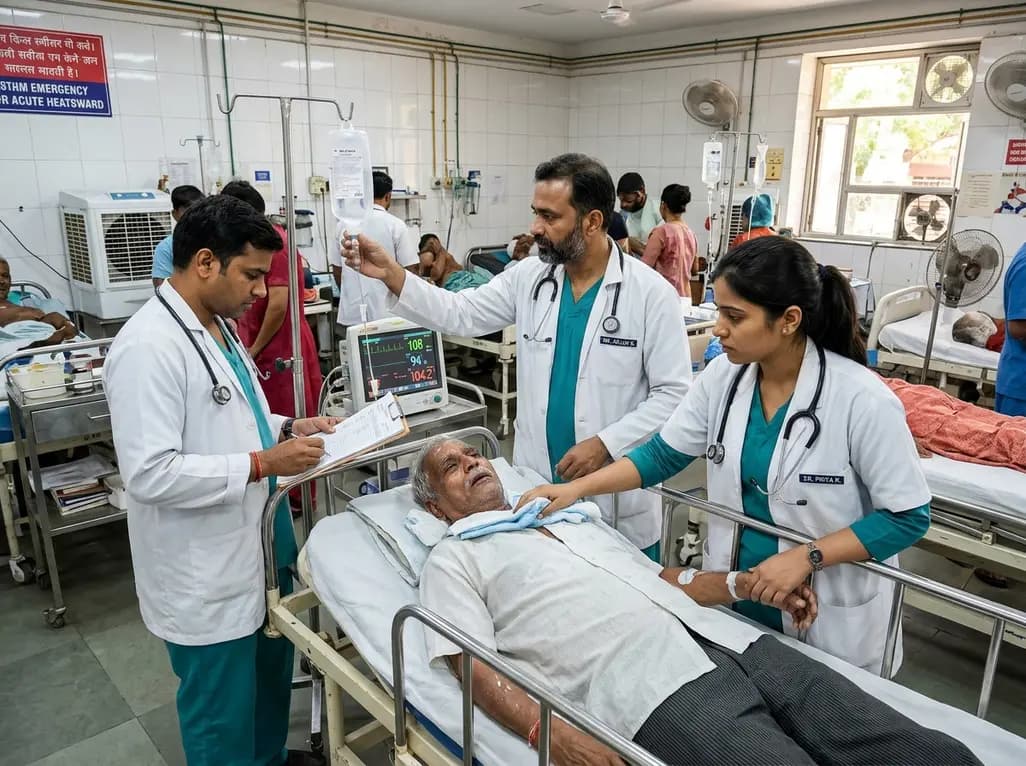
Recent epidemiological data reveals a dramatic surge in summer heat mortality driven by human-induced climate warming. This analysis explores the pathophysiological impacts on cardiac and renal systems, diagnostic dilemmas in death certification, and essential emergency cooling protocols for acute clinical care.
Today
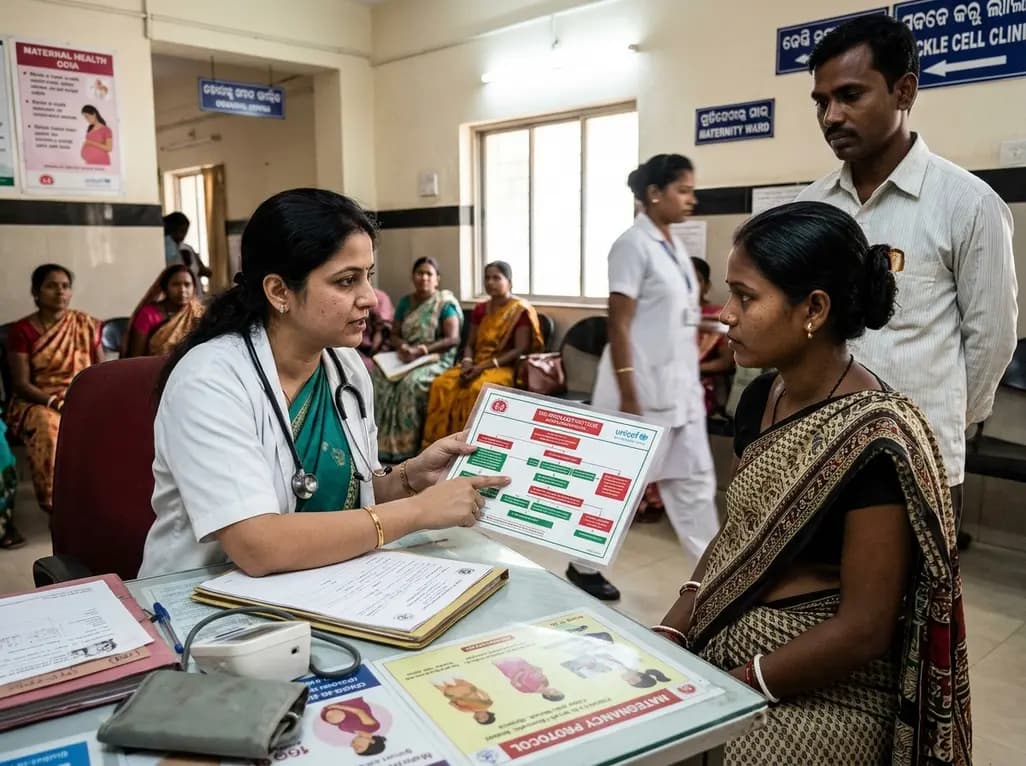
Odisha has established India's first state-level clinical protocol specifically tailored for pregnant women with sickle cell disease. Developed with NHM and UNICEF, the framework provides structured antenatal screening, crisis mitigation, standardized referral pathways, and specialized interdisciplinary care.
Today

India is advancing preventive healthcare by integrating genomics, artificial intelligence, and quantum technologies. With the SANGAM programme sequencing one million Indian genomes, clinicians can unlock personalized therapies, detect cardiometabolic risks early, and curb the burden of diabetes and heart disease.
Today
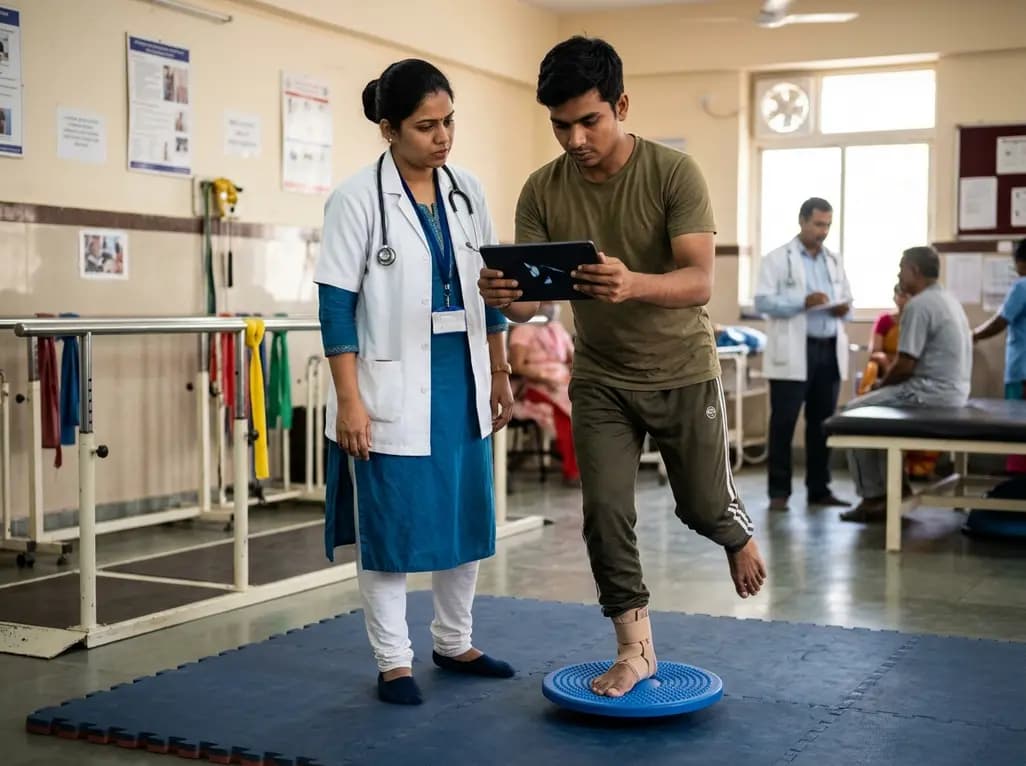
A randomized controlled trial demonstrates that an eight-week dual-task training intervention significantly improves static and dynamic postural control over standard balance exercises in individuals with chronic ankle instability, addressing critical neurocognitive deficits during athletic and daily activities.
Today

A retrospective cohort study of 7,716 ICU patients from the MIMIC-IV database demonstrates that Gradient Boosting Decision Trees significantly outperform traditional SOFA scores in predicting in-hospital mortality among patients with sepsis and diabetes, with SHAP analysis providing clinical interpretability.
Today
