.webp&w=384&q=75)

Loading, please wait...
Loading, please wait...

Athletes frequently face chronic ankle instability (CAI) after repeated sprains. This condition leads to persistent deficits in postural control and increased risk of reinjury. A recent multilevel meta-analysis published in May 2026 provides new insights into the efficacy of dynamic balance training for this population. The study evaluates how targeted exercises influence reach distances in multiple directions, offering a more nuanced approach to sports rehabilitation.
The systematic review included thirteen randomized controlled trials involving 468 athletes diagnosed with CAI. Researchers utilized a multilevel random-effects model to assess various outcomes across different assessment tools. Their findings indicate that dynamic balance training statistically improves composite scores and specific reach directions. Notably, the anterior direction showed a standardized mean difference (SMD) of 0.67. Similarly, the posteromedial and posterolateral directions showed improvements of 0.59 and 0.74, respectively. These results suggest that balance interventions effectively target the various planes of motion required for athletic performance.
While the initial pooled results were positive, significant heterogeneity was observed across the included studies. Consequently, the researchers conducted CR2-adjusted sensitivity analyses to ensure the validity of the data. Interestingly, while the direction-specific effects remained statistically significant, the composite effect became attenuated and was no longer significant after adjustment. Therefore, clinicians should focus on specific directional deficits rather than relying solely on overall composite scores when designing rehabilitation protocols.
The evidence suggests that balance training is effective but requires careful implementation. Wide prediction intervals indicate that individual results may vary between different athletes. Moreover, factors such as intervention modality and regional variations can influence the perceived success of the program. Practitioners in India should integrate these findings into comprehensive rehabilitation plans that include progressive loading and sport-specific movements.
Most successful protocols in the meta-analysis spanned 4 to 12 weeks, with training sessions typically occurring three times per week to ensure neuromuscular adaptation.
The research highlighted significant improvements in the anterior, posteromedial, and posterolateral directions. However, the posterolateral direction showed the highest effect size among the individual directions studied.
Disclaimer: This content is for informational and educational purposes only and does not constitute medical advice. Always seek the advice of a qualified healthcare provider regarding any medical condition. Refer to the latest local and national guidelines for clinical practice.
References
Qin Z et al. Direction-specific effects of balance training on dynamic balance in athletes with chronic ankle instability: a multilevel meta-analysis of randomized controlled trials. BMC Sports Sci Med Rehabil. 2026 May 19. doi: 10.1186/s13102-026-01759-w. PMID: 42157072.
Aras G et al. Highlights from the International Ankle Symposium: Foot-ankle rehab in 2025. Sportsmith. 2025.
Cruz-Diaz D et al. Effects of 6 Weeks of Balance Training on Chronic Ankle Instability. Journal of Orthopaedic & Sports Physical Therapy. 2024.
"
Read summarized clinical updates, watch expert medical content, and earn CME certifications right from your smartphone.
Open your smartphone camera to scan and install.





A meta-analysis reveals that balance training significantly improves direction-specific dynamic balance in athletes with chronic ankle instability (CAI)....
5 months ago
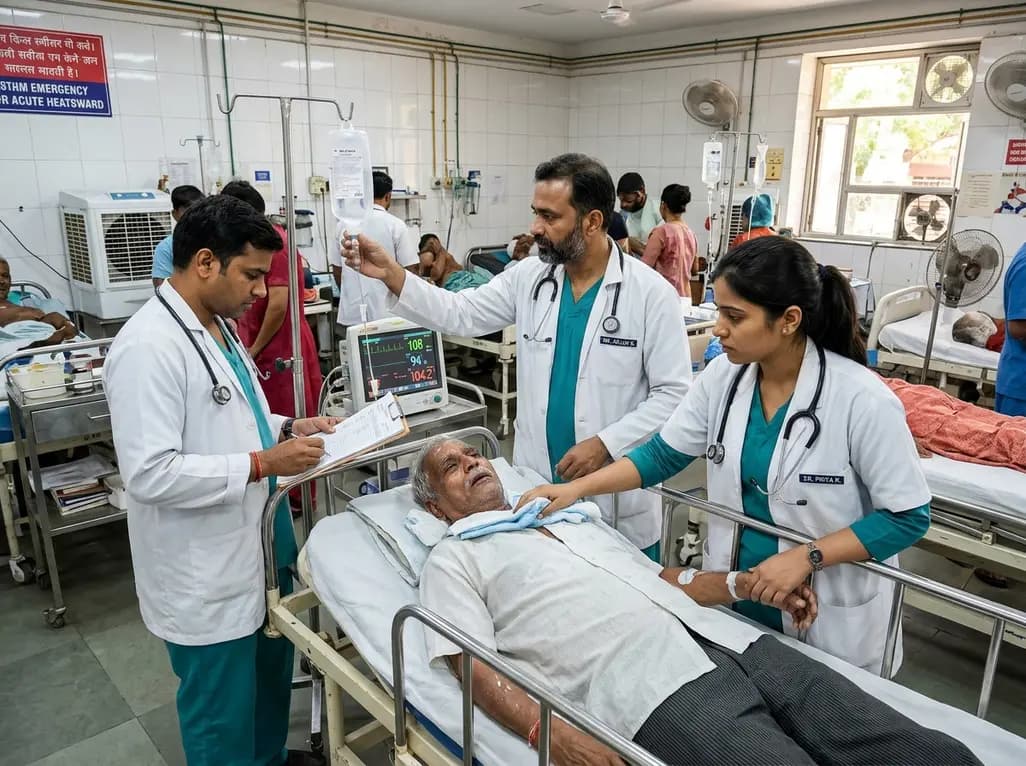
Recent epidemiological data reveals a dramatic surge in summer heat mortality driven by human-induced climate warming. This analysis explores the pathophysiological impacts on cardiac and renal systems, diagnostic dilemmas in death certification, and essential emergency cooling protocols for acute clinical care.
Today
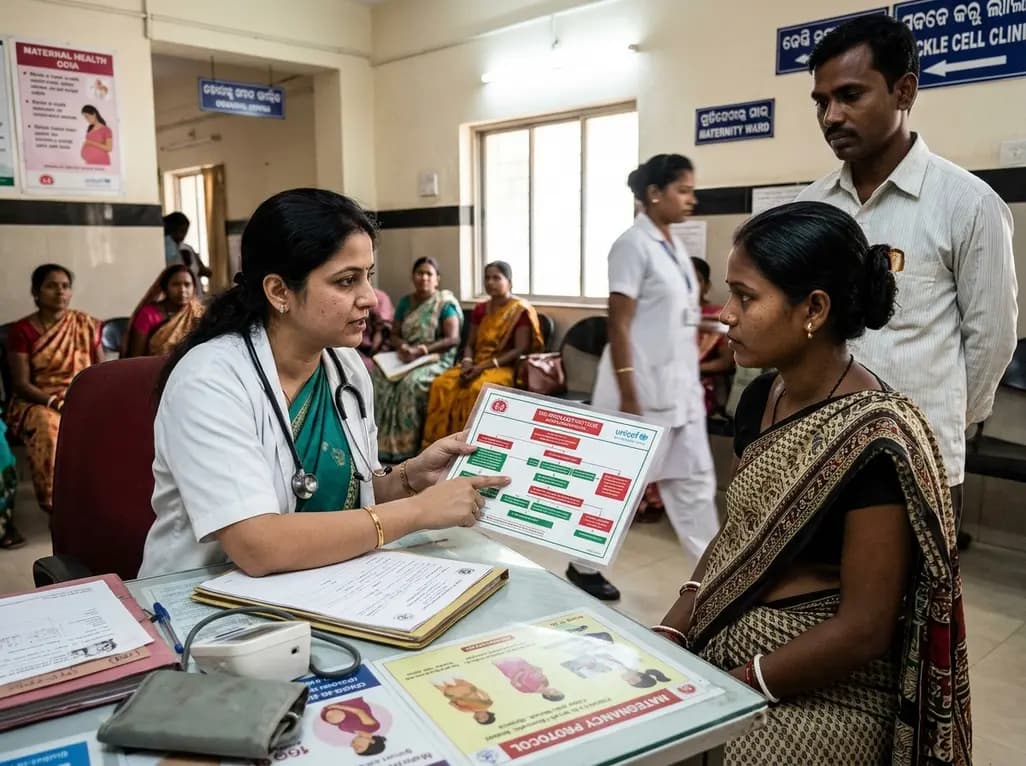
Odisha has established India's first state-level clinical protocol specifically tailored for pregnant women with sickle cell disease. Developed with NHM and UNICEF, the framework provides structured antenatal screening, crisis mitigation, standardized referral pathways, and specialized interdisciplinary care.
Today

India is advancing preventive healthcare by integrating genomics, artificial intelligence, and quantum technologies. With the SANGAM programme sequencing one million Indian genomes, clinicians can unlock personalized therapies, detect cardiometabolic risks early, and curb the burden of diabetes and heart disease.
Today
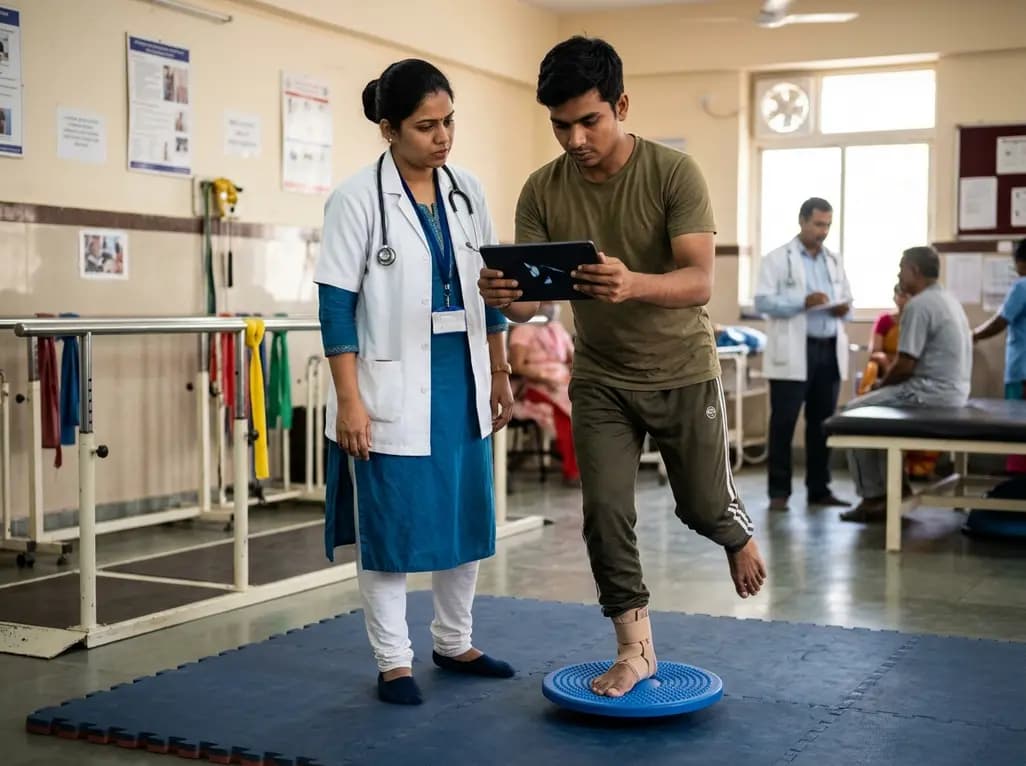
A randomized controlled trial demonstrates that an eight-week dual-task training intervention significantly improves static and dynamic postural control over standard balance exercises in individuals with chronic ankle instability, addressing critical neurocognitive deficits during athletic and daily activities.
Today

A retrospective cohort study of 7,716 ICU patients from the MIMIC-IV database demonstrates that Gradient Boosting Decision Trees significantly outperform traditional SOFA scores in predicting in-hospital mortality among patients with sepsis and diabetes, with SHAP analysis providing clinical interpretability.
Today
