.webp&w=384&q=75)

Loading, please wait...
Loading, please wait...

Substance use disorders represent a major public health challenge worldwide, placing immense strain on specialized psychiatric and addiction care facilities. Traditional treatment frameworks often struggle with resource constraints, bed shortages, and geographic barriers that prevent continuous evidence-based care. To bridge these critical gaps in clinical infrastructure, medical researchers are actively evaluating digital therapeutics substance use management tools. These prescription software platforms deliver structured psychological interventions directly to patients, offering standardized care beyond clinical settings. Recent clinical trial protocols, such as the D-STOP study evaluated in South Korea, highlight how digital cognitive behavioral therapy supports recovery when combined with standard psychiatric care.
Healthcare systems worldwide face an escalating burden of illicit drug use, particularly among young adults in urban and suburban communities. In many regions, specialized addiction treatment facilities remain heavily centralized within major metropolitan centers, leaving regional populations critically underserved. Furthermore, severe inpatient bed shortages and limited community outpatient programs create substantial obstacles to continuous recovery monitoring and relapse prevention. Digital therapeutics offer an innovative, scalable mechanism to decentralize addiction management by delivering evidence-based software interventions directly to patients' personal smartphones.
By providing structured therapeutic modules on mobile platforms, digital tools enable continuous clinical engagement between scheduled psychiatric visits. These software systems effectively eliminate geographical barriers, empowering individuals to access evidence-based psychological support whenever acute cravings or high-risk situations arise. Consequently, clinicians can expand overall treatment capacity without compromising care quality. Additionally, digital interventions help mitigate the social stigma frequently associated with physical addiction clinic visits, thereby encouraging higher patient enrollment and long-term retention in care.
Cognitive behavioral therapy remains the cornerstone of evidence-based psychological management for substance use disorders. Standard cognitive behavioral interventions focus on identifying maladaptive thought patterns, evaluating environmental triggers, and developing effective coping strategies to avoid relapse. However, translating these complex psychotherapeutic techniques into digital software applications requires rigorous structural adaptation and patient-centered design.
Digital platforms like D-STOP and FDA-cleared precedents such as RESET-O organize cognitive behavioral modules into interactive digital lessons. Patients engage with psychoeducational content, complete structured exercises, and practice behavioral coping mechanisms at their own pace. Furthermore, these platforms incorporate motivational enhancement therapy principles, providing positive reinforcement when users complete assigned modules. Psychiatrists and clinical staff maintain oversight through secure dashboards that record patient progress, craving intensity, and trigger occurrences. During scheduled outpatient appointments, clinicians review this digital telemetry to deliver tailored therapeutic feedback, reinforcing positive behavioral adaptations during ongoing rehabilitation.
To establish clinical credibility, prescription digital therapeutics must undergo rigorous evaluation in prospective randomized controlled clinical trials. The D-STOP study protocol exemplifies this scientific rigor, enrolling a targeted cohort of participants diagnosed with substance use disorders across multiple university hospitals and specialized addiction centers.
Participants in the trial are randomized into two primary arms over a twelve-week intervention period. The control group receives treatment as usual, which encompasses standard psychiatric care, medication management, and routine counseling sessions. Conversely, the experimental group receives treatment as usual combined with access to the interactive D-STOP platform. The primary clinical endpoint measures the overall abstinence success rate during the final weeks of treatment, validated through objective urine toxicology testing and clinical assessments. Statistical methods, including logistic regression analysis, determine treatment efficacy, superiority, and safety profile compared to routine care alone. Preliminary interim analyses evaluate therapeutic signals to refine user engagement strategies before final data publication.
Prescription digital therapeutics are engineered not to replace human clinicians, but rather to complement and enhance multidisciplinary care teams. Substance use disorders involve complex neurobiological, psychological, and social factors that demand comprehensive medical management. Consequently, digital interventions function as therapeutic multipliers, extending expert physician outreach into the daily home environments of recovering individuals.
In a modern hybrid care framework, psychiatrists, addiction specialists, and psychiatric nurses utilize digital platforms to monitor patient stability continuously. If a patient logs heightened craving scores or skips scheduled modules, clinical teams receive actionable alerts to initiate timely therapeutic outreach. Moreover, digital software standardizes the delivery of evidence-based psychological content, ensuring every participant receives uniform cognitive behavioral therapy regardless of geographic constraints. This structured digital workflow allows physicians to allocate valuable clinic time toward complex diagnostic assessments, comorbidity management, and personalized pharmacology strategies, creating a robust defense against relapse.
The introduction of prescription digital therapeutics represents a major paradigm shift in modern addiction medicine and global psychiatric practice. Regulatory agencies worldwide are actively establishing clear framework pathways to evaluate, authorize, and reimburse evidence-based digital software based on high-quality randomized trial data. As digital technologies continue to mature, future platforms will likely incorporate adaptive algorithms to deliver hyper-personalized module recommendations tailored to individual patient trigger profiles and emotional states.
However, widespread clinical implementation requires addressing several key structural challenges, including user digital health literacy, regulatory harmonization, and rigorous data protection protocols. Ensuring complete patient confidentiality and maintaining strict adherence to medical privacy standards are vital for establishing clinical trust in digital addiction software. Additionally, successful clinical integration relies on seamless interoperability between digital therapeutic applications and electronic health record systems. As prospective trial results systematically establish efficacy, digital therapeutics will increasingly serve as standard components of substance use treatment protocols globally.
Digital therapeutics deliver evidence-based cognitive behavioral therapy and motivational interventions directly through secure software applications. They serve as prescription tools that complement standard medical care, offering continuous behavioral support between clinical visits. By tracking real-time cravings, teaching structured coping strategies, and providing therapeutic feedback, these digital platforms significantly enhance patient engagement, improve treatment retention rates, and support sustained long-term recovery alongside professional psychiatric supervision.
D-STOP provides interactive, software-driven cognitive behavioral therapy modules that patients complete on their personal smartphones. While traditional counseling relies solely on periodic in-person sessions, D-STOP offers immediate, on-demand psychological support during acute craving episodes or high-risk social situations. Furthermore, the platform collects behavioral telemetry, enabling psychiatrists to review real-time patient progress and deliver tailored clinical feedback, thereby creating a hybrid care model that significantly strengthens outpatient treatment.
Yes, prescription digital therapeutics are regulated software devices that undergo rigorous clinical testing and regulatory review prior to medical clearance. Platforms like RESET-O in the United States have established regulatory precedents as authorized digital treatments. Healthcare providers prescribe these platforms similar to medications, requiring clinical monitoring, structured usage protocols, and objective trial data to demonstrate efficacy, safety, and therapeutic value for patients with substance use disorders.
Disclaimer: This content is for informational and educational purposes only. It does not constitute medical advice, diagnosis, or treatment. Healthcare professionals should rely on their clinical judgment and local regulations. Refer to the latest local and national guidelines for clinical practice.
References
Jeong YC et al. Efficacy of Cognitive Behavioral Therapy-Based Digital Therapeutics for Substance Use Disorder: Protocol for a Randomized Controlled Trial. JMIR Res Protoc. 2026 Aug 07. doi: 10.2196/85458. PMID: 42566248.
Campbell ANC et al. Digital Therapeutics for Substance Use Disorders: From Research to Practice. Psychiatr Serv. 2021;72(8):930-938.

Read summarized clinical updates, watch expert medical content, and earn CME certifications right from your smartphone.
Open your smartphone camera to scan and install.





A randomized controlled trial protocol evaluates D-STOP, a CBT-based digital therapeutic for substance use disorder. By delivering structured psychological interventions via mobile platforms, digital therapeutics enhance clinical engagement, support continuous care, and improve treatment accessibility.
last month

A retrospective cohort study demonstrates that comprehensive pharmacy transitions of care—including admission medication history, discharge review, and 72-hour telephone follow-up—significantly reduced 30-day readmission rates in acute care patients, highlighting the value of pharmacist-led clinical interventions.
Today

Meghalaya recorded a historic 55% reduction in maternal deaths, dropping from 244 to 107 over five years. Through the MOTHER app, dedicated transit homes, and expanded infrastructure like the 150-bed Tura Maternity Hospital with its first public NICU, the state demonstrates an effective public health model.
Today

Explore modern perioperative management protocols for clinical xenotransplantation. Learn how costimulation blockade, anti-inflammatory perfusion, and coagulopathy rescue overcome interspecies hurdles.
Yesterday

A cross-sectional study reveals that sarcopenic obesity independently increases functional impairment and severe disc degeneration in patients with degenerative lumbar spinal stenosis, highlighting the need for body composition assessment.
Today
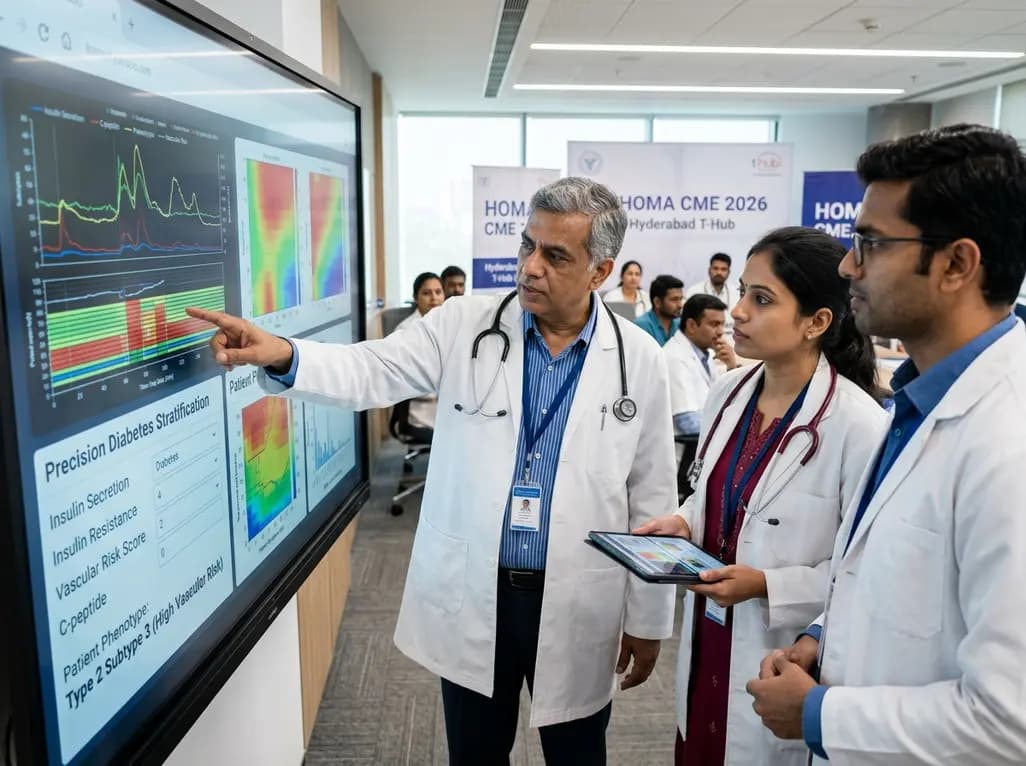
At Homa CME 2026 at Hyderabad's T-Hub, healthcare leaders emphasized moving beyond routine metrics through digital calculators and precision stratification. Discover why characterizing individual insulin secretion, resistance patterns, and vascular risks transforms chronic metabolic care in India.
Today
