

Loading, please wait...
Loading, please wait...

Digital networks offer healthcare professionals valuable opportunities for clinical education, public advocacy, and interdisciplinary collaboration. However, maintaining digital professionalism in healthcare presents complex challenges for clinicians worldwide. A recent cross-sectional survey evaluated how medical providers perceive professional conduct on X, formerly known as Twitter. The findings highlight persistent challenges, including widespread medical misinformation, frequent collegial friction, and breaches of patient confidentiality. Consequently, practitioners must navigate virtual spaces with heightened ethical awareness and institutional guidance.
The exploratory survey analyzed responses from active healthcare providers to assess real-world online behaviors. Notably, 42.5% of respondents observed occasional unprofessional behavior among medical peers, while 21.3% witnessed such conduct frequently. Unprofessional behaviors often include derogatory comments, workplace venting, and inappropriate commercial promotions. Furthermore, 20% of participants observed clinicians sharing sensitive medical information online without adequate de-identification. These privacy violations create severe ethical dilemmas and erode fundamental patient trust. When clinical narratives or diagnostic imaging appear online without explicit consent, doctors violate statutory confidentiality standards. In addition, digital posts remain permanently accessible and shareable, amplifying potential reputational and emotional harm. Therefore, clinicians must recognize that virtual actions carry the same moral weight as bedside responsibilities. Medical ethics do not vanish behind a smartphone screen. Healthcare providers must continually uphold strict standards of discretion, empathy, and professional integrity across all digital channels.
The rapid spread of misleading clinical claims threatens global public health. According to the survey, 76.3% of healthcare professionals reported encountering false or misleading medical claims on their social feeds. When erroneous guidance circulates without pushback, vulnerable patients may delay necessary medical treatments or pursue dangerous therapies. Healthcare providers possess distinct clinical authority, which makes their digital voices highly influential. Therefore, clinicians hold a clear responsibility to verify scientific claims before sharing or endorsing content. In addition, physicians should actively counteract prevalent health myths by sharing accessible, evidence-based knowledge. However, debunking misinformation requires tactful communication rather than public mockery. Aggressive corrections often alienate followers and entrench skepticism. Instead, clinicians should present balanced facts, explain clinical nuances clearly, and cite credible biomedical research. Ultimately, compassionate, evidence-based engagement elevates health literacy and protects vulnerable patient communities.
Scientific debate stimulates medical progress and refines patient care standards. Nevertheless, open social media channels often transform nuanced scientific deliberations into public conflicts. In the survey, 78.8% of healthcare professionals observed collegial disagreements on X. While scholarly debates remain vital, public disputes frequently devolve into hostile language and personal attacks. Such acrimonious interactions damage the collective dignity of the medical profession and confuse the public. Patients observing physicians attacking one another online may lose faith in standard medical therapies. Furthermore, social algorithms favor controversial content, which accelerates interpersonal hostility. Clinicians must therefore separate academic critiques from counterproductive hostility. Professional disagreements regarding novel treatments or guidelines should prioritize scientific evidence and mutual respect. When healthcare providers engage online, maintaining dignified, civil discourse safeguards institutional credibility and reinforces professional unity across specialties.
Statutory regulatory authorities globally have established binding rules governing medical conduct online. In India, the National Medical Commission enforces the Registered Medical Practitioner Regulations to maintain professional ethics across digital networks. Under these regulations, physicians must stringently safeguard patient privacy and avoid unauthorized case disclosures. Furthermore, statutory standards prohibit registered doctors from publishing aggressive advertisements, making unsubstantiated curative claims, or endorsing commercial drugs. Digital professionalism in healthcare mandates complete compliance with these statutory guidelines. Clinicians who disregard these legal boundaries risk formal disciplinary actions, practice suspensions, or license cancellations. Therefore, medical professionals must familiarize themselves with both statutory regulations and institutional policies. By aligning virtual communications with established legal codes, healthcare providers can participate safely in digital education while safeguarding their professional careers.
Despite the pervasive influence of social networks, institutional guidance remains remarkably deficient. The survey revealed that 44% of healthcare respondents reported an absence of social media policies within their organizations. This governance deficit leaves clinicians and trainees without practical roadmaps during complex ethical situations. Consequently, healthcare organizations and academic institutions must urgently bridge this void. Leadership teams should implement clear social media policies that define privacy mandates, conflict resolution, and institutional representation. Furthermore, medical educators must integrate digital ethics into undergraduate and postgraduate curricula. Interactive workshops can teach medical students how to navigate online debates, debunk false claims, and separate personal views from professional guidance. By providing continuous education and robust institutional backing, health systems empower clinicians to utilize social platforms ethically and effectively.
To maximize the educational benefits of social media while minimizing risks, clinicians should adopt practical digital strategies. First, physicians should audit their privacy settings regularly and maintain clear boundaries between personal and professional personas. However, doctors must understand that absolute anonymity rarely exists online. Second, practitioners should avoid offering individualized medical advice or prescribing therapies in direct messages. Instead, clinicians must direct patients toward formal clinical consultations. Third, doctors should pause before reacting to contentious debates, avoiding impulsive comments that could harm professional reputations. Finally, healthcare professionals should collaborate with respected peers to amplify accurate public health information. By establishing deliberate, reflective communication habits, clinicians can curate a constructive online presence that informs the public and elevates healthcare standards.
Clinicians must avoid disclosing protected health information, including unconsented patient photographs or identifying clinical narratives. In addition, healthcare workers should refrain from engaging in hostile arguments or endorsing unverified medical claims. Furthermore, physicians must clearly separate personal opinions from verified clinical guidance, avoid self-promotional advertisements, and consistently respect collegial boundaries to maintain patient trust and regulatory compliance in digital spaces.
Institutions should implement clear, practical social media policies that outline ethical communication boundaries and privacy expectations. Moreover, academic medical centers must integrate structured digital professionalism training into undergraduate and postgraduate curricula. By offering interactive case-based workshops, legal education, and crisis management guidelines, healthcare organizations can empower clinicians to communicate responsibly, counteract misinformation effectively, and protect institutional integrity across all online platforms.
Yes, the National Medical Commission enforces explicit regulations governing online conduct for registered medical practitioners in India. These statutory regulations prohibit false claims, aggressive commercial advertising, and violations of patient confidentiality on digital networks. Consequently, Indian physicians who commit ethical transgressions on social platforms risk formal disciplinary action, including suspension or revocation of their medical registration by state medical councils.
Disclaimer: This content is for informational and educational purposes only... Refer to the latest local and national guidelines for clinical practice.
References

Read summarized clinical updates, watch expert medical content, and earn CME certifications right from your smartphone.
Open your smartphone camera to scan and install.





A recent survey reveals critical perceptions of digital professionalism in healthcare, highlighting misinformation, collegial disputes, and the urgent need for institutional policies and digital conduct training among clinicians.
Today
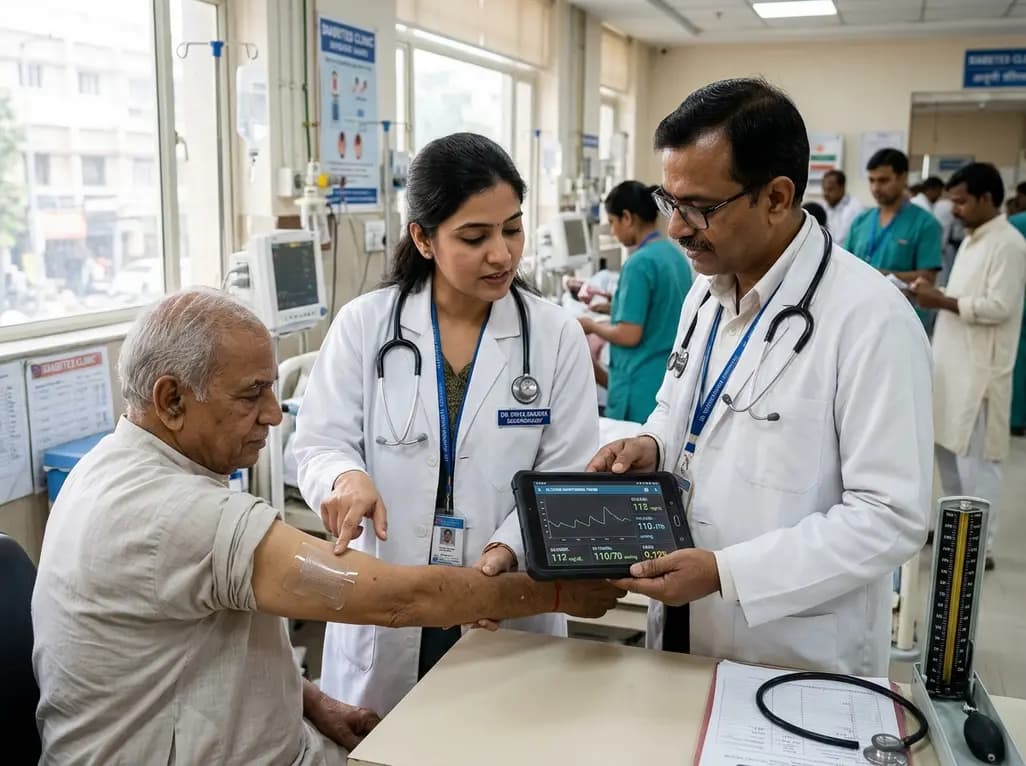
A breakthrough ultrathin multimodal sensor decouples physical hemodynamic monitoring from disposable electrochemical calibration, achieving long-term wearable glucose prediction with 81.36% accuracy and a 9.12% MARD. This offers a robust, drift-free solution for outpatient metabolic surveillance.
Today

A clinical review of menopause and neurology highlights the neurobiological impacts of midlife hormonal shifts on cognition, epilepsy, migraine, multiple sclerosis, and stroke, emphasizing safe hormone therapy prescribing.
Today
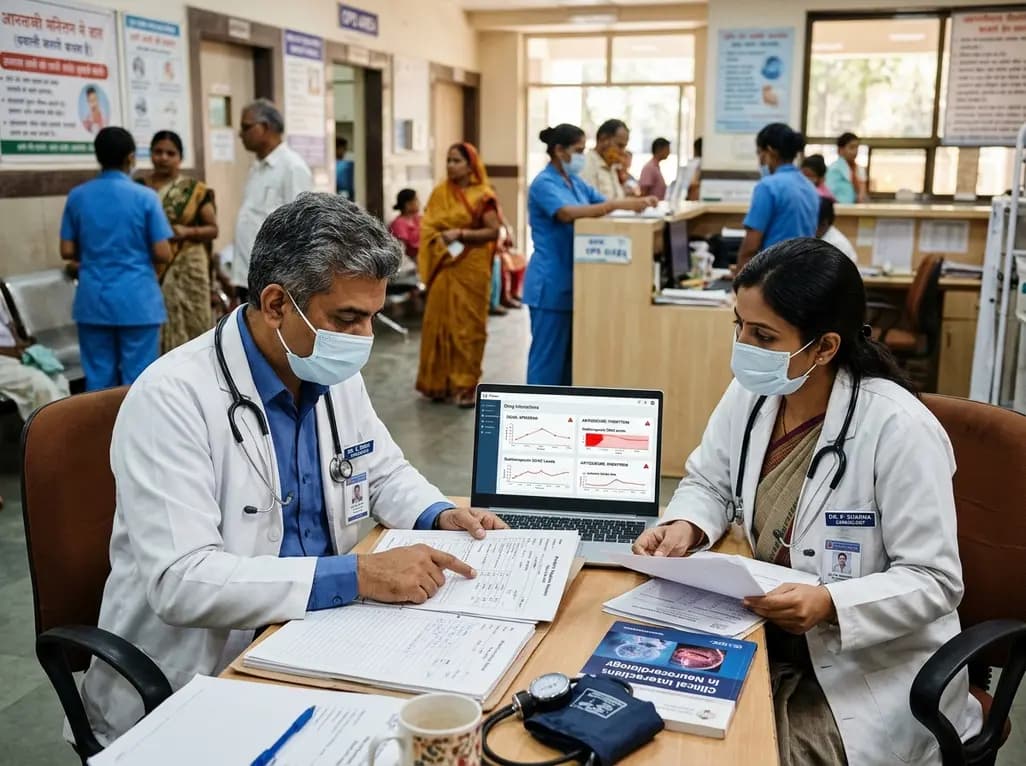
Co-administering antiseizure medications and DOACs frequently causes pharmacokinetic interactions, subtherapeutic drug levels, and thromboembolic failures. This review highlights enzyme induction risks, unpredictable outcomes with levetiracetam, and the vital role of therapeutic drug monitoring.
Today

A comparative review of tension band wiring and intramedullary screw fixation in thumb metacarpophalangeal arthrodesis, evaluating union rates, hardware complications, and clinical outcomes.
Today
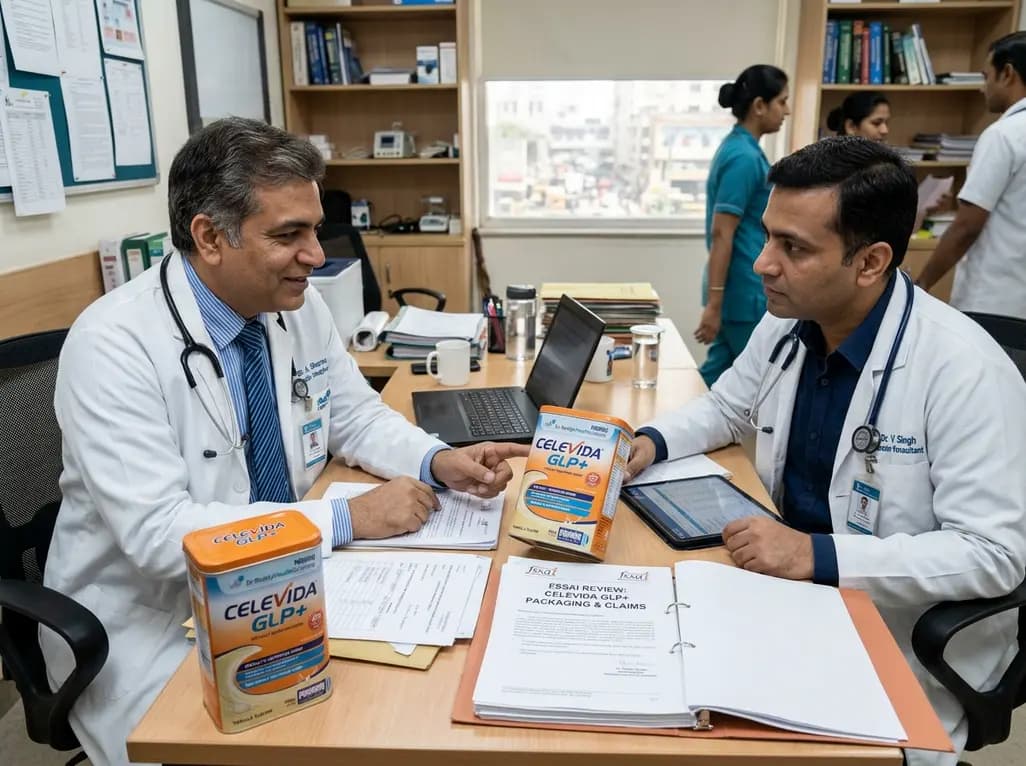
Following regulatory scrutiny from FSSAI regarding promotional representations and lean muscle preservation claims, Dr. Reddy's Laboratories and Nestlé Health Science are currently reviewing the branding and marketing strategy for their joint nutritional supplement Celevida GLP+.
Today
