.webp&w=384&q=75)

Loading, please wait...
Loading, please wait...

Healthcare providers in India and globally are increasingly finding that total screen time provides only a partial picture of patient well-being. Modern research suggests that the digital engagement context matters significantly more than the simple duration of use. Instead of focusing solely on the hours spent online, clinicians should evaluate the mode, purpose, and timing of digital interactions. This ecosystemic approach, rooted in Bronfenbrenner's bioecological theory, allows for a more nuanced understanding of how virtual microsystems interact with physical environments across the lifespan.
Recent evidence indicates that active digital participation often yields better cognitive outcomes compared to passive consumption. For instance, interactive educational tools may enhance memory and executive function. In contrast, mindless scrolling is frequently linked to poorer mental health markers such as anxiety and depression. Furthermore, the emotional valence and content structure of digital activities influence developmental milestones from early childhood through older adulthood. Specifically, using technology for social connection can mitigate loneliness in geriatric populations, whereas excessive late-night use disrupts sleep architecture in adolescents. Therefore, pediatricians and family physicians must consider these qualitative aspects when advising families on technology use.
Moreover, the proposed context-sensitive framework identifies clear directions for developing multidimensional assessment tools. These tools help doctors move beyond rigid duration limits that often fail to account for the quality of digital experiences. Consequently, flexible policy guidelines can be created to reflect the diverse ways digital engagement impacts cognitive and mental health outcomes. By reframing the conversation, medical professionals can provide more effective, personalized guidance for patients navigating an increasingly digital world.
The context, such as whether use is social or isolated and active or passive, determines the emotional impact. Purposeful social engagement can improve well-being, while passive consumption of negative content often increases stress.
No, educational and interactive content used in a supportive environment differs significantly from unstructured, passive viewing. Quality and parental co-engagement are key predictors of positive developmental outcomes.
Yes, active digital engagement can support cognitive aging and reduce social isolation. Using technology for communication or cognitive exercises often leads to better mental health outcomes in the elderly.
Disclaimer: This content is for informational and educational purposes only and does not constitute medical advice, diagnosis, or treatment. Always seek the advice of your physician or other qualified health provider with any questions you may have regarding a medical condition. Refer to the latest local and national guidelines for clinical practice.
References
Shaleha R et al. Screen time in context: Toward a theoretical model of digital engagement across the lifespan. Dev Psychol. 2026 Jun 08. doi: 10.1037/dev0002202. PMID: 42258289.
OECD. Full Report: Screen time and subjective well-being. 2025. Available from OECD Digital Well-being Hub.
Przybylski AK et al. How Much Is Too Much? Examining the Relationship Between Digital Screen Engagement and Psychosocial Functioning in a Confirmatory Cohort Study. J Am Acad Child Adolesc Psychiatry. 2019;58(9):841-850.
"
Read summarized clinical updates, watch expert medical content, and earn CME certifications right from your smartphone.
Open your smartphone camera to scan and install.





A new framework shifts the focus from screen duration to the quality and context of digital engagement across the lifespan for better clinical assessments....
4 months ago

Review how tailored exercise programs benefit frail older patients with heart failure. Explore pathophysiological mechanisms, individualized training prescriptions, and strategies to overcome adherence barriers in clinical practice.
Today
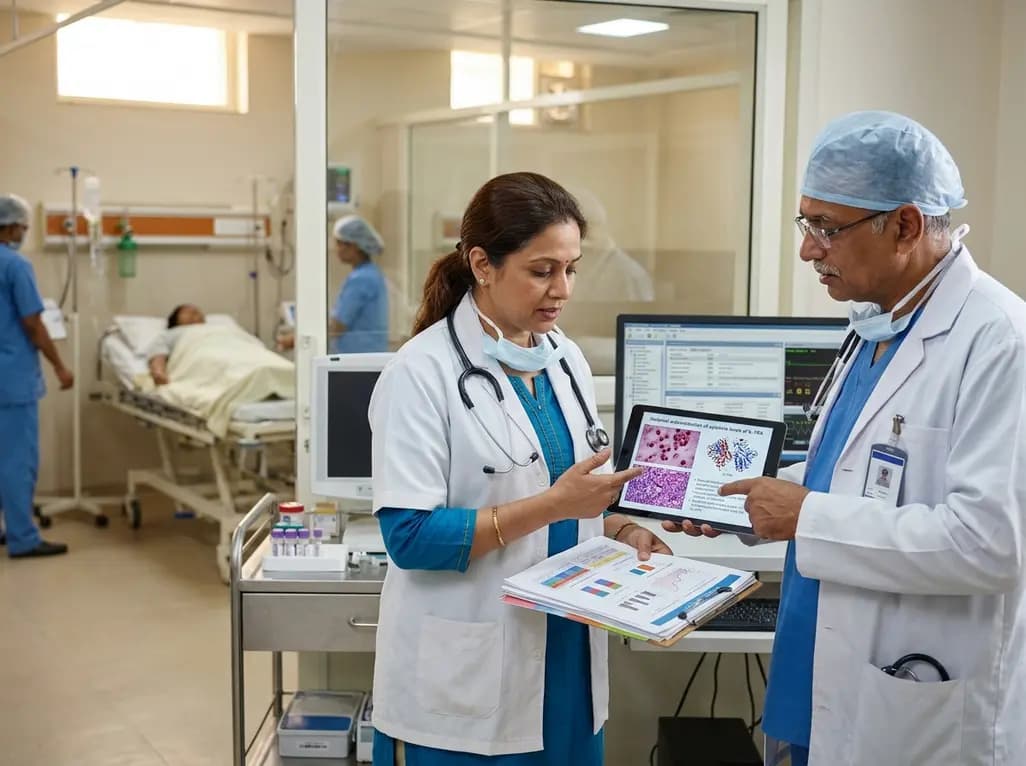
Recent clinical studies reveal maternal autoantibodies targeting IL-1RA as potential triggers for preterm labor, opening avenues for targeted cytokine therapies. Concurrently, new perioperative findings show inhaled cannabis increases propofol requirements during upper endoscopy compared to oral edible consumption.
Today

In high-risk pulmonary embolism complicated by severe anemia and active uterine bleeding, systemic thrombolysis is contraindicated. Large-bore aspiration thrombectomy provides rapid hemodynamic rescue without fibrinolysis, supported by inferior vena cava filter placement and multidisciplinary critical care.
Today

This comparative study evaluates posterior labral tears with and without glenohumeral instability, highlighting distinct demographic patterns, MRI underestimation in stable shoulders, and successful arthroscopic repair outcomes.
Today

A clinical study demonstrates that early intervention with tocilizumab, either as monotherapy or bridged with corticosteroids, achieves significant proptosis reduction and resolves active inflammation in treatment-naive thyroid eye disease.
Today
