.webp&w=384&q=75)

Loading, please wait...
Loading, please wait...
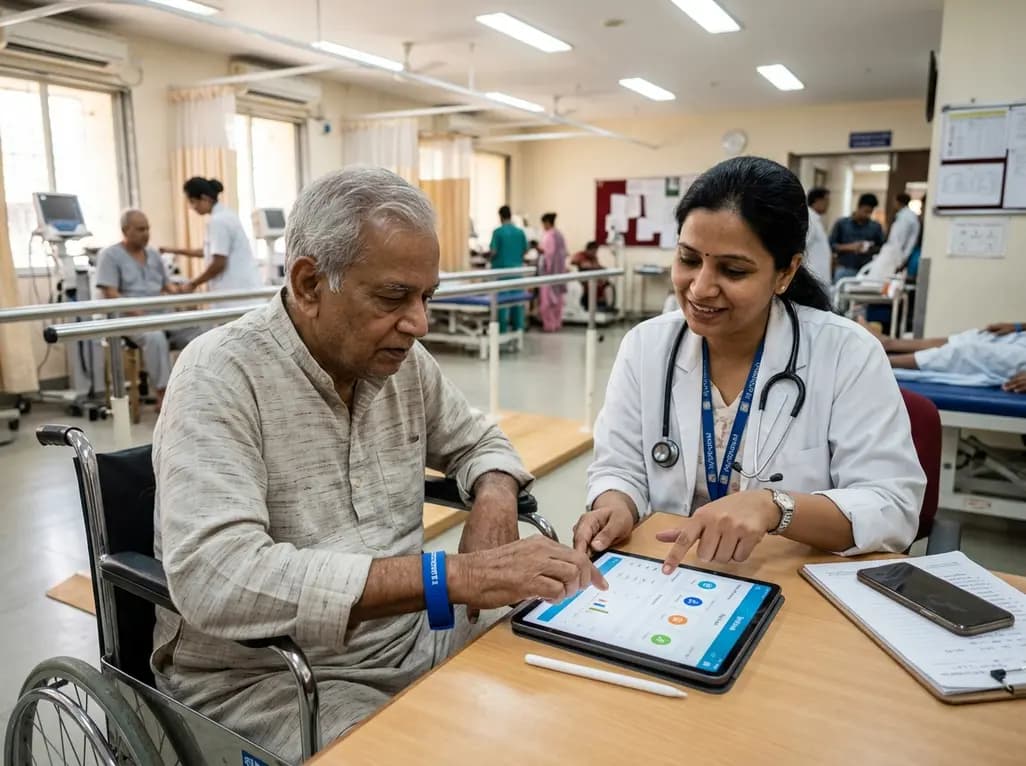
Modern neurorehabilitation increasingly relies on telemedicine, mobile software, and connected sensors to optimize long-term motor and functional recovery. However, elderly individuals who survive a stroke often face steep barriers when adopting these tools. In particular, cognitive deficits, motor impairments, and low baseline technological literacy frequently hinder self-directed recovery. Consequently, implementing structured digital device instruction during inpatient convalescence offers a timely opportunity to bridge this gap. A recent prospective feasibility trial evaluated whether older stroke survivors could master essential hardware and software skills before hospital discharge.
Digital health interventions have transformed post-stroke care pathways across the globe. Remote monitoring systems, wearable movement trackers, and virtual therapy portals allow clinicians to extend therapeutic oversight into the domestic setting. Nevertheless, older adults remain disproportionately vulnerable to digital exclusion after suffering acute neurological injuries. Physical hemiparesis, visual deficits, and post-stroke cognitive changes make conventional software interfaces intimidating and unintuitive. Without proactive intervention, stroke survivors frequently abandon valuable telerehabilitation programs immediately after returning home.
Therefore, rehabilitation teams must incorporate dedicated digital literacy training into standard inpatient workflows. Clinicians cannot simply assume that older adults will intuitively navigate smart devices without prior formal exposure. By establishing baseline competency in a safe hospital environment, therapists can demystify interactive software and reinforce patient confidence. Furthermore, early device mastery enables continuous health reporting, medication adherence tracking, and remote consultation after discharge. Consequently, formal instruction transforms novel consumer technology from a confusing obstacle into an empowering therapeutic instrument for elderly stroke survivors.
The prospective feasibility study evaluated a structured two-phase pedagogical model conducted across fourteen consecutive days in a Japanese convalescent rehabilitation ward. Nineteen stroke patients aged sixty-five and older completed the full trial. The cohort had a mean age of 76.3 years and an average Mini-Mental State Examination score of 26.1, representing individuals with mild cognitive preservation.
Specifically, during the initial seven-day period, participants engaged in daily therapist-supported instruction. In addition, occupational and physical therapists guided each patient through step-by-step operational tutorials tailored to individual motor and sensory limitations. Afterward, patients transitioned into a seven-day independent practice phase where they completed exercises without direct physical assistance. Clinicians tracked functional performance daily across seven standardized tasks using a validated five-point scoring metric. These predefined operational goals evaluated proficiency with tablet computers, instant chat software, video conferencing systems, and commercial wearable smartwatches. Thus, the progressive instructional architecture allowed vulnerable patients to consolidate nascent digital habits through deliberate, supervised repetition.
The clinical findings demonstrated substantial functional improvements across the study cohort over the two-week intervention. Remarkably, zero participants demonstrated total independence across all seven predefined digital tasks on the first day of instruction. Most elderly patients initially required hands-on physical guidance or constant verbal prompting to launch applications and handle hardware.
However, after completing the fourteen-day training protocol, seventy-four percent of participants achieved complete independence across every assigned digital task. Functional mastery varied considerably depending on the mechanical and cognitive complexity of the specific operational goal. For example, ninety-five percent of participants successfully achieved independence in basic tablet management and wearable device operation. These foundational actions involved straightforward tactile inputs, such as charging batteries, strapping bands, and touching large navigational icons. In contrast, complex interactive workflows proved notably more difficult for recovering seniors. Specifically, seventy-nine percent attained full independence using messaging chat software, while only seventy-four percent mastered two-way video communication. Hence, communication platforms demand greater executive focus, rapid visual tracking, and precise fine-motor typing.
Therapists evaluated participant perspectives on day fourteen using the validated System Usability Scale. The cohort generated a mean usability score of 57.8, reflecting moderate perceived system usability. While this outcome confirms overall procedural feasibility, it underscores persistent design limitations within standard commercial electronics. Consumer hardware manufacturers and software developers rarely optimize consumer operating systems for individuals with post-stroke hemiplegia or age-related visual degradation.
Furthermore, qualitative observations revealed distinct usability bottlenecks during device operation. Many patients struggled with small onscreen keyboards, multi-step authentication dialogues, and erratic pop-up notifications. Similarly, navigating unstable cellular connections or unexpected application updates caused acute frustration and task abandonment. Cognitive fatigue also emerged when participants attempted prolonged interactive video exchanges. As a result, older adults often required recurring reassurances from clinical staff to alleviate performance anxiety. Consequently, healthcare software developers must simplify user interfaces, enlarge touch targets, and eliminate redundant confirmation screens. Addressing these persistent ergonomic deficits remains critical to prevent disengagement among vulnerable geriatric stroke survivors.
The feasibility trial offers compelling clinical proof-of-concept for multidisciplinary rehabilitation teams operating in convalescent and post-acute wards. Inpatient admission represents an optimal, protected therapeutic window for digital education. Patients receive continuous clinical oversight, predictable daily routines, and rapid troubleshooting from dedicated allied healthcare professionals. Therefore, initiating device training during this phase mitigates post-discharge abandonment and supports smooth transitions to outpatient telerehabilitation.
Nevertheless, clinicians must interpret these initial outcomes with appropriate caution. The investigation utilized a single-center design, examined a small sample of nineteen individuals, and lacked a randomized control group. Moreover, the participant cohort exhibited relatively preserved baseline cognitive faculties, as evidenced by their elevated cognitive test scores. Patients with severe global aphasia, profound hemispatial neglect, or severe dementia might experience far greater hurdles during independent practice. In addition, the fourteen-day follow-up cannot verify whether patients maintain their newly acquired skills over extended periods at home. Future investigations must evaluate longitudinal retention, assess caregiver integration, and explore customized pedagogical frameworks for patients experiencing multifaceted neurological deficits.
Structured digital instruction enables older stroke survivors to gain independent operational competence with mobile health technology prior to discharge. By introducing tablets, messaging tools, and wearable sensors under therapist guidance, patients systematically overcome cognitive and motor barriers. Consequently, this inpatient preparation enhances long-term treatment adherence, decreases post-discharge isolation, and allows clinicians to conduct effective remote monitoring, telerehabilitation consultations, and continuous functional recovery tracking.
In clinical evaluations, older participants found two-way video calling and mobile chat applications notably more difficult than basic hardware tasks. Operating these communication platforms requires complex cognitive processing, rapid visual tracking, and precise tactile typing on small onscreen interfaces. In contrast, managing physical hardware, such as charging batteries or securing wristbands, involves simpler mechanical motions. Therefore, rehabilitation specialists must provide additional targeted instructional support and simplified visual guides for interactive software.
Clinical rehabilitation teams can adopt a structured two-phase instructional protocol within standard inpatient wards. Therapists initiate the program with seven days of supervised, task-specific practice addressing essential device operations and software navigation. Subsequently, patients transition to a seven-day independent phase to consolidate operational autonomy. Furthermore, multidisciplinary teams should actively engage family caregivers, create large-print illustrated reference manuals, and pre-configure simplified application interfaces to ensure sustained post-discharge compliance and safety.
Disclaimer: This content is for informational and educational purposes only. It does not constitute medical advice, diagnosis, or treatment recommendations. Healthcare professionals must exercise independent clinical judgment. Refer to the latest local and national guidelines for clinical practice.
References

Read summarized clinical updates, watch expert medical content, and earn CME certifications right from your smartphone.
Open your smartphone camera to scan and install.





A prospective feasibility study demonstrates that structured digital device instruction during convalescent stroke rehabilitation significantly improves technological competence among older adults, preparing them for post-discharge telerehabilitation and remote health monitoring.
Today
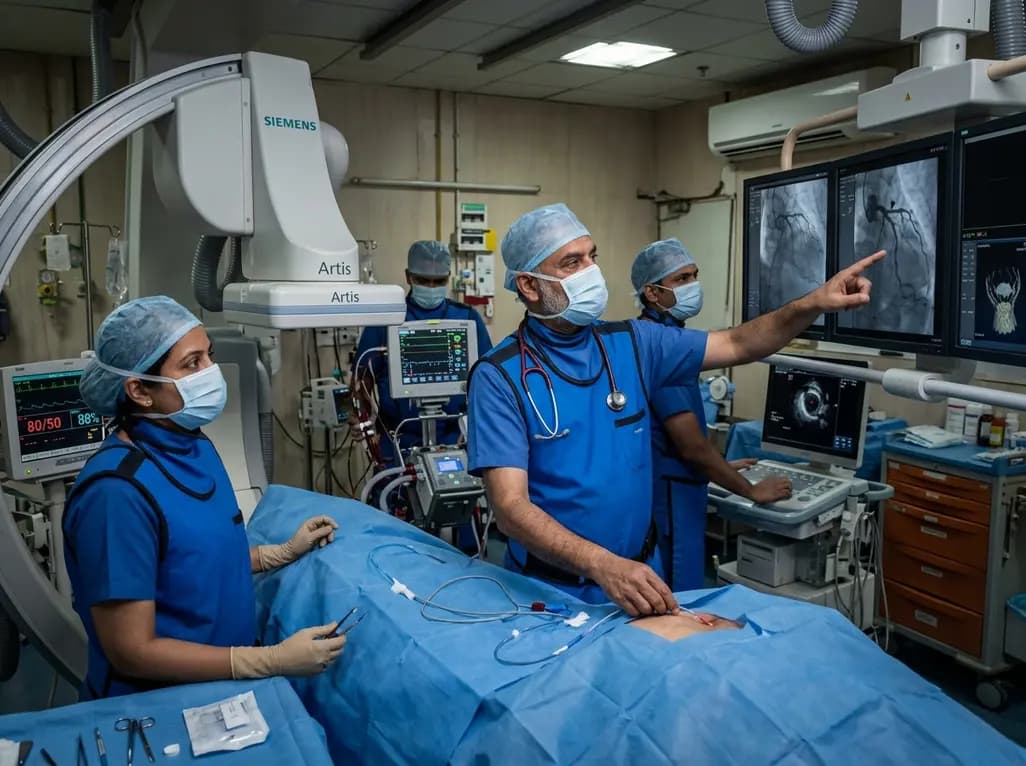
A rare case of acute coronary obstruction during TAVR caused by suspected calcified amorphous tumor embolization underscores the critical role of intracardiac imaging, emergency ECMO, and the paradox of enlarged-aperture valve geometry.
Today

Prelacteal feeding persists in South Asian communities despite known clinical risks. This review examines determinants from Chitral, pathophysiological hazards, and pediatric strategies to eliminate harmful feeds and support exclusive breastfeeding.
Today
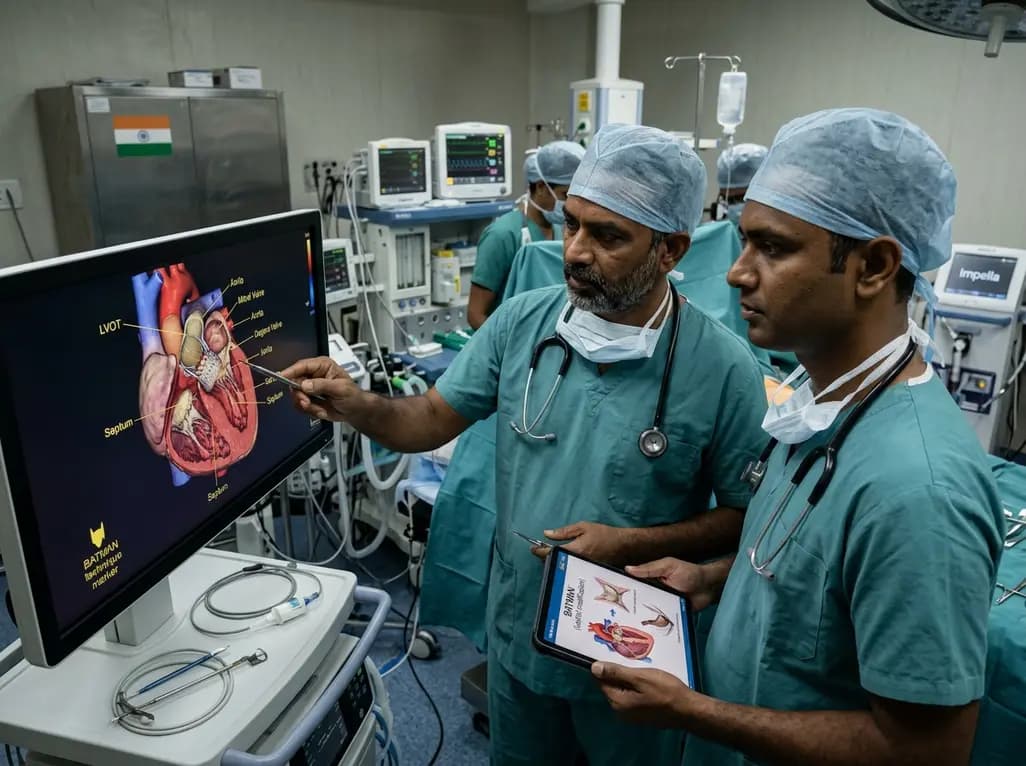
Transcatheter mitral valve replacement in patients with degenerated bioprostheses carries a substantial risk of LVOT obstruction. Combining leaflet modification via the BATMAN technique with mechanical circulatory support offers a viable, life-saving solution for anatomically challenging surgical candidates.
Today

A comparative cohort study demonstrates that patients undergoing total hip arthroplasty after prior hip arthroscopy achieve comparable functional recovery, low complication rates, and equivalent implant survivorship when conversion occurs after six months.
Today
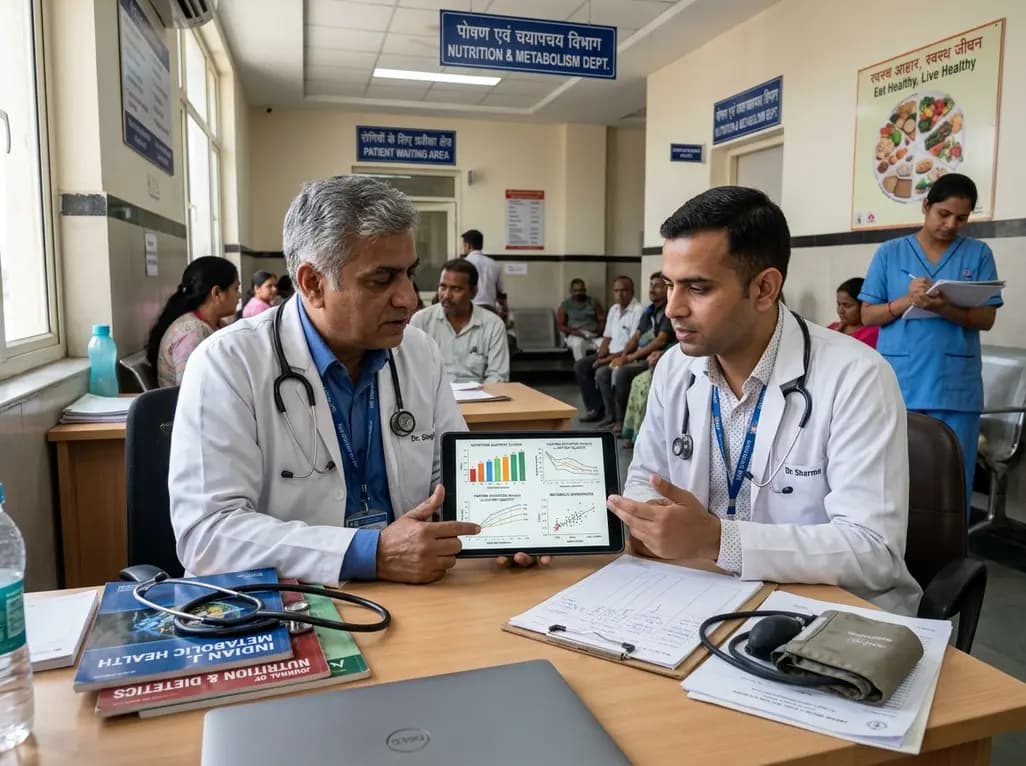
A cross-sectional study of 320 adults evaluated the link between habitual fasting duration and dietary quality using Nutrition Quotient scores, highlighting the clinical necessity of balancing time-restricted eating with nutrient density and meal quality in routine metabolic practice.
Today
