

Loading, please wait...
Loading, please wait...

Differentiating unipolar from bipolar depression presents a significant diagnostic hurdle in routine clinical psychiatry. Clinicians frequently evaluate patients during severe depressive phases where presenting symptoms mirror major depressive disorder. Consequently, practitioners misdiagnose bipolar depression as unipolar depression in a substantial number of patients. This diagnostic confusion often delays appropriate mood-stabilizing treatment by eight to ten years. Furthermore, prescribing standard antidepressant monotherapy to patients with unrecognized bipolar illness risks triggering manic switching, rapid cycling, or treatment resistance. Therefore, identifying reliable bipolar depression biomarkers remains a critical priority for modern mental healthcare. Objective biological indicators can supplement subjective clinical interviews and clarify ambiguous clinical presentations. As a result, biological stratification empowers clinicians to intervene earlier and select targeted psychiatric therapies.
Recently, clinical investigators have explored peripheral blood biomarkers to distinguish between these mood disorder subtypes. Systemic alterations in metabolism, muscle turnover, and endocrine function reflect divergent central neuropathological mechanisms. Moreover, routine laboratory panels offer cost-effective, readily available diagnostic information across hospital and community settings. Because psychiatric facilities already order baseline blood tests, adopting biomarker-based risk stratification requires minimal institutional resources. Ultimately, objective biological profiles enhance clinical precision and prevent inappropriate therapeutic regimens.
To evaluate potential objective indicators, investigators analyzed clinical data from the Second Affiliated Hospital of Xinxiang Medical University. The study enrolled 174 hospitalized patients between January 2022 and December 2024. Specifically, the cohort included 87 individuals diagnosed with unipolar depression and 87 patients with bipolar depression. Clinicians diagnosed all participants using standardized psychiatric criteria and gathered comprehensive demographic and laboratory variables. Consequently, this balanced inpatient sample enabled direct, rigorous comparisons between the two diagnostic cohorts.
Notably, demographic evaluations revealed a significant difference in gender distribution between diagnostic groups. The bipolar depression cohort exhibited a significantly higher proportion of male patients compared to the unipolar depression cohort (p = 0.004). This finding corroborates prior psychiatric research highlighting distinct sex distributions and developmental trajectories across mood disorder subtypes. In contrast, female patients comprised a larger share of the unipolar depression group. In addition, patients experiencing bipolar depression presented with earlier initial symptom onset and distinct hospital admission patterns. Therefore, demographic characteristics offer valuable initial contextual clues during comprehensive clinical evaluation. However, clinical demographics alone cannot secure a definitive diagnosis, emphasizing the critical need for objective laboratory markers.
Comparative biochemical analyses identified striking differences in routine metabolic, muscular, and endocrine indicators between the two groups. Specifically, patients with bipolar depression demonstrated significantly elevated total bilirubin (TBIL), serum creatinine, and creatine kinase (CK) levels compared to unipolar patients (p < 0.05). In contrast, circulating thyroxine (T4) concentrations were significantly lower in patients suffering from bipolar depression (p < 0.05). Furthermore, multivariate logistic regression confirmed that platelets, total bilirubin, thyroxine, and creatine kinase functioned as independent risk discriminators (p < 0.05). These physiological differences highlight distinct systemic manifestations of mood disorder pathophysiology.
Total bilirubin functions as an endogenous antioxidant responding to systemic oxidative stress and neuroinflammation. Consequently, elevated bilirubin concentrations indicate heightened oxidative defense activity in bipolar states. Similarly, elevated creatine kinase reflects subtle muscle hyperactivity, mitochondrial dysfunction, or psychomotor disturbances typical of bipolar presentations. Moreover, lower circulating thyroxine emphasizes pronounced hypothalamic-pituitary-thyroid axis dysregulation in bipolar illness. Platelet count variations further reflect systemic neurovascular inflammation and altered purinergic signaling. Therefore, tracking these specific hematological and biochemical variables offers clinicians an objective window into the biological divergence of depressive disorders. Thus, standard laboratory tests capture meaningful pathophysiology that routine psychiatric interviews cannot directly measure.
To evaluate the real-world discriminatory power of these markers, investigators constructed receiver operating characteristic (ROC) curves. When analyzed individually, single biochemical markers demonstrated modest diagnostic utility. Specifically, total bilirubin yielded an area under the curve (AUC) of 0.609, while creatine kinase showed an AUC of 0.621. These modest individual values confirm that no single laboratory test can independently establish a bipolar diagnosis. Consequently, clinicians relying solely on isolated biomarkers risk diagnostic inaccuracies. Practitioners must instead examine comprehensive physiological patterns.
However, combining multiple independent parameters into a composite predictive model dramatically enhanced diagnostic accuracy. The multi-analyte model—incorporating total bilirubin, creatine kinase, platelets, and thyroxine—achieved an AUC of 0.724. Furthermore, this combined model delivered a clinical sensitivity of 75.9% and a specificity of 59.8%. These statistics demonstrate robust capacity to identify bipolar depression among depressed inpatients. In addition, the findings highlight the clinical superiority of multi-system biomarker panels over isolated tests. By integrating metabolic, muscular, and endocrine indicators, statistical models effectively capture the multifaceted biology of bipolar illness. Therefore, combinatorial laboratory algorithms provide viable diagnostic decision support for practicing clinicians. Ultimately, such multi-marker algorithms help bridge the gap between biological research and everyday psychiatric practice.
The clinical identification of practical laboratory discriminators offers substantial therapeutic benefits for practicing psychiatrists and physicians. Accurately identifying bipolar depression prevents the dangerous administration of antidepressant monotherapy. Inadvertent antidepressant monotherapy frequently induces rapid mood switching, mixed affective states, and heightened agitation. In contrast, recognizing bipolar depression early allows clinicians to promptly initiate mood stabilizers, such as lithium or valproate, and atypical antipsychotics. Consequently, patients achieve quicker mood stabilization and experience fewer psychiatric hospitalizations. Therefore, obtaining baseline liver, thyroid, and metabolic profiles during initial depressive episodes provides valuable diagnostic risk stratification. Furthermore, early mood stabilization protects cognitive functioning and substantially reduces the lifetime burden of mood disorders.
Nevertheless, clinicians must interpret these biochemical findings within a comprehensive psychiatric assessment. Non-psychiatric factors, such as physical exertion, alcohol consumption, hepatic status, and concomitant medications, can influence bilirubin and creatine kinase levels. Moreover, prospective multi-center studies involving diverse outpatient cohorts must validate these cut-off values before universal adoption. Clinicians should use biomarker algorithms to augment, rather than replace, detailed longitudinal psychiatric interviews and family histories. Thus, combining objective metabolic data with sound clinical evaluation provides a balanced, evidence-based approach to patient care. Ultimately, this integrated framework empowers physicians to make safer, more personalized therapeutic decisions.
The key laboratory biomarkers identified include total bilirubin, creatine kinase, platelets, and thyroxine (T4). Bipolar depression typically presents with elevated total bilirubin, higher creatine kinase, and reduced thyroxine levels compared to unipolar depression. When clinicians combine these indicators into a multi-parameter model, diagnostic accuracy improves substantially over isolated testing.
Total bilirubin rises in response to heightened oxidative stress and systemic neuroinflammation, serving as an endogenous antioxidant defense mechanism. Elevated creatine kinase reflects cellular energy shifts, mitochondrial dysfunction, and subclinical psychomotor hyperactivity characteristic of bipolar pathophysiology. Together, these markers indicate distinct metabolic and muscular strain in patients experiencing bipolar depression.
No, laboratory biomarkers cannot replace clinical evaluations. Confounding factors like strenuous exercise, medication use, or liver disease influence these parameters. Instead, objective biomarkers should serve as adjunctive risk stratifiers alongside thorough clinical interviews, longitudinal mood tracking, and family histories to guide safer therapeutic choices and avoid antidepressant-induced mania.
Disclaimer: This content is for informational and educational purposes only... Refer to the latest local and national guidelines for clinical practice.
References

Read summarized clinical updates, watch expert medical content, and earn CME certifications right from your smartphone.
Open your smartphone camera to scan and install.





A comparative clinical study identifies routine metabolic and endocrine indicators—including total bilirubin, creatine kinase, platelets, and thyroxine—that differentiate bipolar depression from unipolar depression, enhancing diagnostic precision.
Today

Standardizing continuous physiological waveforms in EHRs has long challenged clinical teams. The novel TIDE framework leverages HL7 FHIR R4 to decouple queryable clinical metadata from massive raw signal repositories, unlocking scalable telemetry exchange for bedside care and predictive research.
Today

A secondary analysis of the MOMS clinical trial reveals that infant sex does not influence neonatal opioid withdrawal syndrome severity in buprenorphine-exposed newborns. Maternal co-exposures and clinical factors drive outcomes, highlighting the need for objective assessment and supportive breastfeeding.
Today
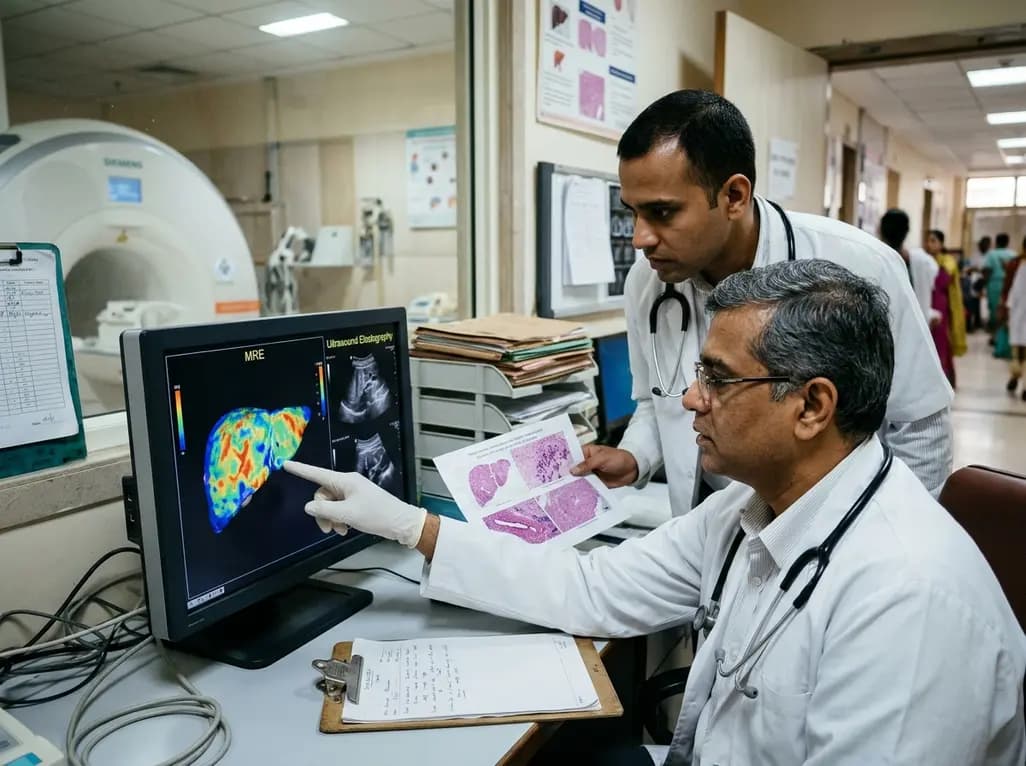
A comparative study reveals magnetic resonance elastography outperforms ultrasound elastography in assessing liver fibrosis in Fontan-associated liver disease, demonstrating stronger histological agreement and superior discrimination.
Today

A systematic review and meta-analysis highlights the substantial impact of plyometric jump training on jump performance, reactive strength, and landing kinematics in female team-sport athletes, providing evidence-based programming guidelines for sports medicine and orthopedics.
Today

A comprehensive review of the role of growth hormone in diabetic kidney disease and podocytopathy. Learn how elevated GH activates ZEB2, Notch, and TGF-beta1, driving podocyte loss and glomerulosclerosis, and explore novel targeted therapeutic approaches.
Today
