.webp&w=384&q=75)

Loading, please wait...
Loading, please wait...

Cervical spine injuries represent severe, life-threatening conditions that demand swift surgical intervention to preserve neurological function. However, managing these acute neurosurgical crises becomes substantially more hazardous when patients have end-stage renal disease. Performing cervical spine trauma surgery in dialysis-dependent individuals presents severe clinical dilemmas for surgical teams. Advanced chronic kidney disease fundamentally alters systemic physiology, impairing hemostasis, tissue perfusion, and immune competence. Consequently, these physiological disturbances amplify surgical morbidity and elevate perioperative mortality. Although researchers understand general surgical risks in uremic patients, spine-specific outcomes have remained poorly characterized. A landmark retrospective cohort study by Zulfiqar and colleagues evaluated these precise risks. Their research offers essential insights into short-term complications and two-year survival rates among this vulnerable cohort. Understanding these outcome disparities helps clinicians refine surgical decisions, tailor perioperative management, and implement targeted risk-reduction protocols.
End-stage renal disease induces profound systemic disturbances that directly impact surgical recovery. For instance, chronic uremia disrupts platelet aggregation and alters endothelial function, which sharply increases intraoperative and postoperative bleeding risks. Concurrently, secondary hyperparathyroidism and renal osteodystrophy degrade bone mineral density. Therefore, spinal surgeons frequently encounter severely compromised vertebral bone architecture during instrumentation and decompression. Moreover, systemic vascular calcification and chronic inflammation impair microvascular tissue perfusion. As a result, soft tissue healing fails, which facilitates pathogen proliferation and increases structural vulnerability. In addition, chronic immune dysfunction impairs both cell-mediated immunity and neutrophil function. Thus, dialysis patients cannot mount an adequate defense against hospital-acquired pathogens. These intertwined pathological factors create a precarious physiological state. When high-energy trauma strikes, the physiological shock overwhelms homeostatic reserve. Consequently, any operative decompression and stabilization procedure carries disproportionate hazards compared to procedures in individuals with preserved renal function. Recognizing these biological vulnerabilities allows clinical teams to anticipate severe decompensation early in the clinical timeline.
Among the most alarming findings in modern cohort data is the marked elevation in postoperative cardiac arrest. Patients with end-stage renal disease frequently suffer from underlying cardiovascular disease, including left ventricular hypertrophy, ischemic heart disease, and calcific valvular disorders. Furthermore, sudden fluid shifts during hemodialysis can cause severe hemodynamic instability. In the perioperative window, acute volume overload or profound hypovolemia can rapidly precipitate fatal arrhythmias. Therefore, spinal surgery introduces unique physiological stressors that challenge fragile myocardial reserve. Anesthetic induction, prone positioning, and blood loss exacerbate systemic hypotension. Consequently, coronary perfusion diminishes critically during prolonged operative intervals. In addition, rapid electrolyte fluctuations, specifically hyperkalemia or hypokalemia, heighten myocardial irritability. Because cervical cord trauma already disrupts autonomic vascular tone, neurogenic shock can compound uremic cardiovascular collapse. Clinicians must maintain meticulous hemodynamic monitoring via arterial lines and advanced cardiac output monitors throughout surgery. Furthermore, critical care teams should avoid excessive fluid administration while concurrently preventing dry-weight hypoperfusion during postoperative dialysis cycles.
The research highlights a significant rise in local surgical site infections and debilitating pressure ulcers. Wound breakdown presents a devastating complication in spinal reconstructive surgery. Because uremia disrupts fibroblast proliferation and collagen deposition, surgical incisions heal poorly and remain prone to dehiscence. Furthermore, repetitive exposure to invasive vascular access catheters elevates the baseline risk of transient bacteremia. Therefore, hematogenous seeding of spinal instrumentation occurs with greater frequency in this population. Similarly, prolonged immobility after spinal trauma increases tissue breakdown over bony prominences. Dialysis patients experience peripheral neuropathy, vascular calcification, and poor skin turgor. Consequently, constant pressure quickly causes deep tissue ischemia and rapid pressure ulcer formation. Hospital teams must implement aggressive preventative skin bundles immediately upon emergency department presentation. For example, specialized pressure-relieving mattresses, strict two-hour repositioning protocols, and early occupational therapy input are critical. In addition, surgeons should employ vigilant wound care techniques, including subfascial drain maintenance and prolonged nutritional support, to minimize the incidence of debilitating soft tissue collapse.
The deleterious effects of renal failure extend well beyond the immediate acute hospital stay. The study demonstrated that dialysis patients experience significantly higher rates of emergency department visits at one and three months postoperatively. Furthermore, their two-year mortality rates remain substantially elevated compared to non-dialysis counterparts. This sustained vulnerability illustrates that surviving the initial spinal operation does not guarantee long-term stability. Instead, these patients face recurring medical complications, including catheter-related sepsis, volume overload, and graft failure. Moreover, neurological rehabilitation often falters due to intermittent dialysis exhaustion and physical deconditioning. As a result, functional independence declines, and institutionalization rates surge. Consequently, families and healthcare systems experience substantial economic and emotional strains. Therefore, discharge planning must commence during early hospitalization. Clinical teams must establish structured outpatient monitoring programs that coordinate nephrology follow-up, home nursing, and physical rehabilitation. Close outpatient surveillance allows providers to identify worsening wound issues, subclinical heart failure, or shunt malfunctions before patients require urgent emergency room resuscitation.
Mitigating these compounding surgical risks demands coordinated multidisciplinary collaboration among spine surgeons, nephrologists, anesthesiologists, and intensive care specialists. First, teams must carefully schedule perioperative dialysis sessions to minimize both hyperkalemia and anticoagulation effects. For instance, performing dialysis 12 to 24 hours prior to surgery prevents fluid overload while allowing systemic heparin clearance. Intraoperatively, surgeons must pursue meticulous hemostasis using bipolar cautery and topical hemostatic agents. In addition, anesthesiologists must strictly manage mean arterial pressures to protect vulnerable spinal cord tracts without overloading cardiopulmonary circulation. Postoperatively, critical care physicians should avoid aggressive ultrafiltration immediately following surgery, which protects precarious tissue perfusion at the operative site. Furthermore, clinical pharmacists must continuously review antibiotic dosing and analgesic regimens. Because renal excretion is severely impaired, medication toxicity can quickly induce delirium or respiratory depression. Ultimately, implementing standardized clinical care pathways enhances patient survival. Through structured interdisciplinary protocols, tertiary trauma centers can significantly reduce avoidable complications and improve clinical trajectories in this high-risk surgical demographic.
Dialysis patients experience systemic uremia, which impairs cellular immunity, neutrophil migration, and fibroblast function. Furthermore, repeated vascular cannulation increases transient bacteremia, enabling hematogenous seeding around surgical hardware. Consequently, poor skin turgor and vascular insufficiency hinder surgical incision healing, drastically increasing susceptibility to aggressive wound infections.
Dialysis timing directly influences fluid balance, electrolyte concentrations, and systemic coagulation. Performing surgery immediately after hemodialysis risks residual heparinization and hypovolemia, whereas delaying surgery risks lethal hyperkalemia and acute pulmonary edema. Therefore, surgical teams coordinate emergent dialysis without systemic heparin to ensure optimal hemodynamic stability and hemostasis.
Preventing pressure ulcers requires immediate placement on advanced pressure-relieving air mattresses, routine two-hour body repositioning, and meticulous skin barrier applications. Furthermore, clinical teams must carefully pad cervical immobilization collars. Because vascular calcification and uremic neuropathy accelerate ischemic skin damage, dedicated nursing surveillance and nutritional optimization remain essential safeguards.
Disclaimer: This content is for informational and educational purposes only... Refer to the latest local and national guidelines for clinical practice.
References

Read summarized clinical updates, watch expert medical content, and earn CME certifications right from your smartphone.
Open your smartphone camera to scan and install.





A retrospective cohort study demonstrates that dialysis dependency significantly elevates the risk of cardiac arrest, surgical site infections, pressure ulcers, and two-year mortality after cervical spine trauma surgery. Multidisciplinary optimization and perioperative protocols are vital.
Today

Pancreatic cancer cachexia affects over 80% of patients, driving severe muscle wasting, systemic inflammation, and treatment intolerance. This review highlights key pathophysiological drivers, exocrine insufficiency, objective CT imaging, and emerging therapies like GDF-15 inhibitors to improve clinical outcomes.
Today

A scoping review reveals how pregnancy affects phonation through laryngeal edema and reduced phonation time rather than major acoustic pitch alterations. Learn how to identify, evaluate, and manage vocal symptoms in expectant mothers.
Today

According to WHO data, average lifespan reached 73.3 years in 2023, recovering from pandemic lows. However, healthy life expectancy lags at 62.8 years due to surging noncommunicable conditions like cardiovascular disease and dementia, demanding proactive primary screening and sustained chronic care.
Today
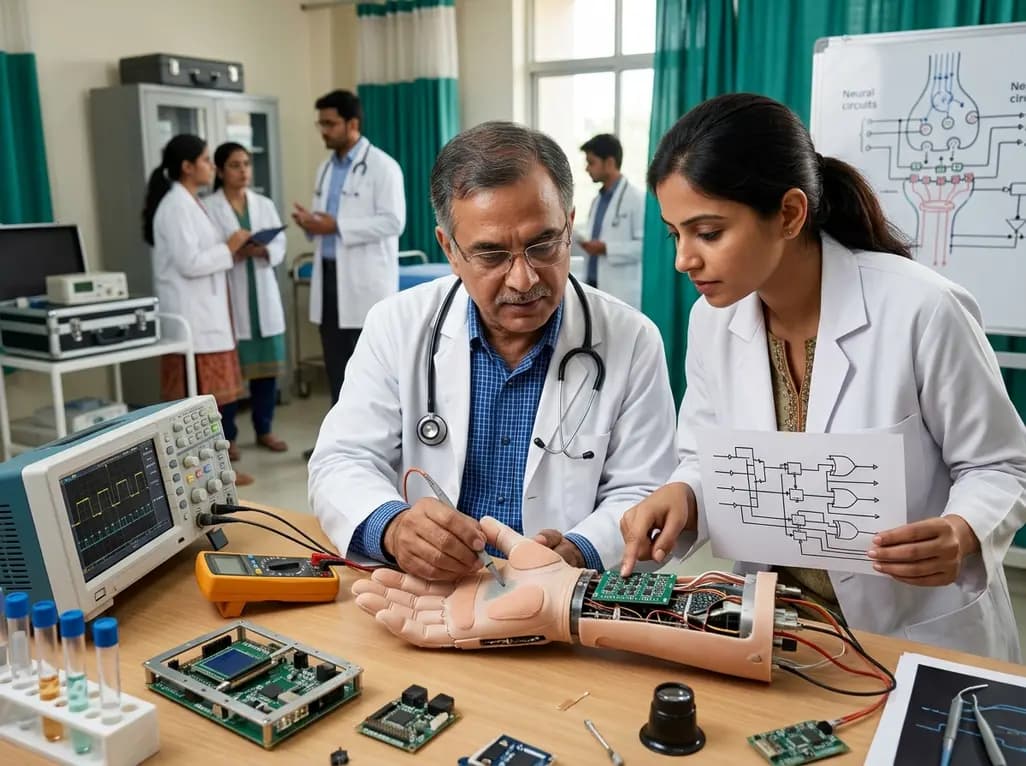
Researchers have engineered an artificial sensory-pain integrated receptor using a multi-threshold organic synaptic transistor. The system distinguishes benign touch from noxious stimuli, enabling safer, more responsive prosthetic limbs with built-in memory and simplified hardware architecture.
Today
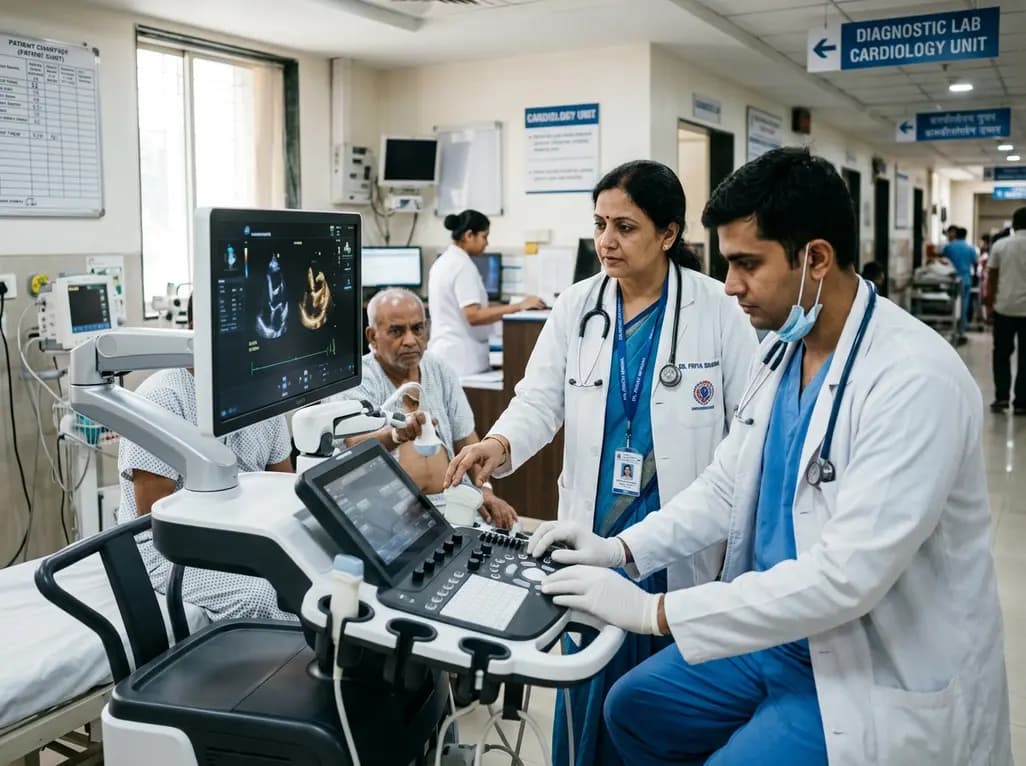
Medical robotics is transitioning beyond operative suites into diagnostics, cardiology, and endocrinology. Explore how innovations in tele-robotics, AI integration, and nanomedicine are overcoming geographical barriers and transforming precision healthcare delivery across India's evolving disease landscape.
Today
