.webp&w=384&q=75)

Loading, please wait...
Loading, please wait...

Polyomavirus nephropathy (PVN) remains a formidable challenge for clinicians managing renal allograft recipients. This condition often leads to significant graft dysfunction if teams do not identify it early. Consequently, clinicians must understand the diverse clinical and histopathological presentations that can complicate Polyomavirus nephropathy diagnosis. Recent case reports highlight unusual scenarios where PVN coexists with other pathologies, necessitating a nuanced approach to immunomodulation.
While PVN typically presents as tubulointerstitial inflammation, its manifestations can be highly atypical. For instance, some patients develop concurrent PVN and recurrent immunoglobulin A (IgA) nephropathy without preceding detectable viruria. Others may present with concurrent chronic active antibody-mediated rejection (ABMR) following separate infections. Furthermore, researchers have identified rare cases where PVN induces crescentic glomerulonephritis or mimics focal sclerosing glomerulonephritis. Because these presentations overlap with other causes of graft failure, histopathological confirmation remains essential.
Histological evaluation of renal biopsies is the definitive method for identifying PVN. Specifically, clinicians look for characteristic viral cytopathic changes and Simian Virus 40 (SV40) nuclear positivity within the tubules. In advanced or unusual cases, SV40 positivity can even appear in glomerular crescents. This specific staining technique is vital for an accurate Polyomavirus nephropathy diagnosis. It helps distinguish viral injury from allograft rejection, although both conditions sometimes coexist. Consequently, pathologists must carefully examine tubular basement membranes for C4d deposition, which the virus itself may induce.
In India, managing PVN requires a delicate balance between reducing immunosuppression and preventing graft rejection. Local studies suggest that while the prevalence might be lower than in some Western cohorts, the risk of acute rejection during treatment remains high. Therefore, most protocols advocate for a stepwise reduction of antimetabolites followed by calcineurin inhibitor adjustments. Clinicians often use intravenous immunoglobulin (IVIG) as an adjunct therapy in biopsy-proven cases to stabilize graft function. Frequent monitoring of viral load and serum creatinine ensures that the reduction in therapy does not trigger an irreversible immune response against the allograft.
SV40 immunohistochemistry is the gold standard because the large T antigen of the Polyomavirus cross-reacts with SV40 antibodies. Positive nuclear staining in renal tubular epithelial cells confirms the presence of the virus.
Yes, as seen in certain clinical series, PVN can occasionally occur without preceding detectable viruria or viremia. This rarity makes the role of the renal allograft biopsy even more critical for symptomatic patients.
The mainstay of therapy is the cautious reduction of immunosuppressive medications. This usually involves tapering mycophenolate mofetil and calcineurin inhibitors while monitoring for signs of allograft rejection.
Disclaimer: This content is for informational and educational purposes only. It does not constitute medical advice or establish a doctor-patient relationship. Professional medical consultation is required for any health-related concerns or decisions. Refer to the latest local and national guidelines for clinical practice.
References

Read summarized clinical updates, watch expert medical content, and earn CME certifications right from your smartphone.
Open your smartphone camera to scan and install.





Exploring unusual presentations of polyomavirus nephropathy post-renal transplant and the vital role of SV40 staining in accurate diagnosis....
4 months ago
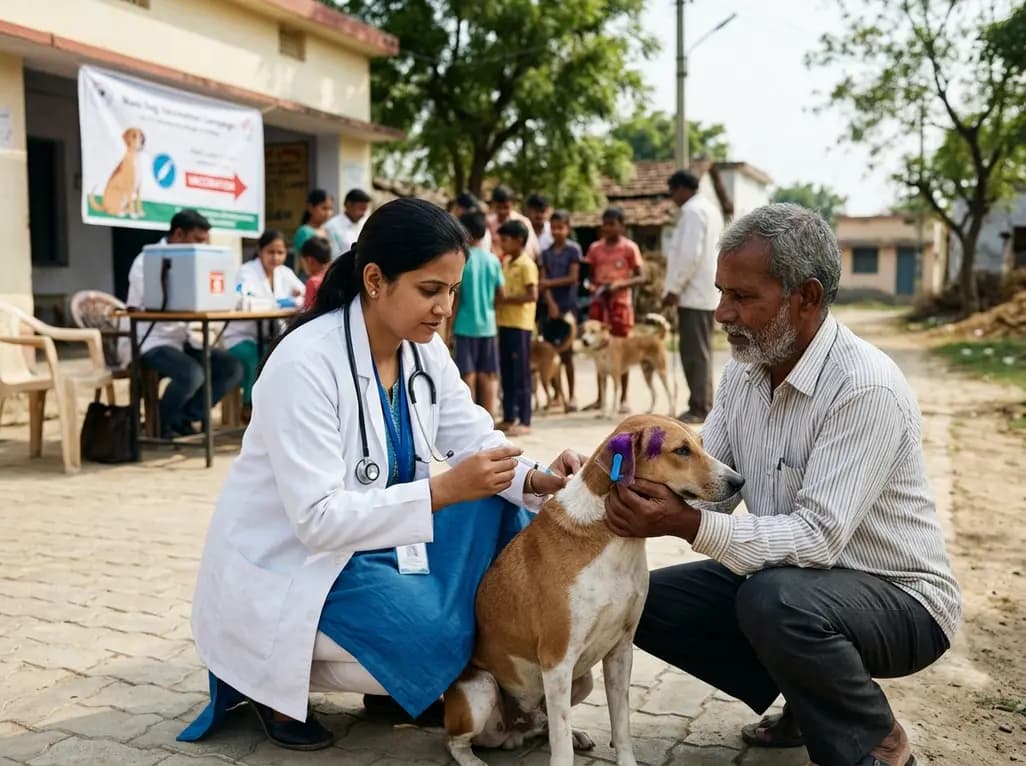
A landmark cluster randomized trial demonstrates that community-based mass dog vaccination achieves superior coverage and sustains protective herd immunity against rabies far better than conventional campaign models, offering vital lessons for global and Indian elimination targets.
Today
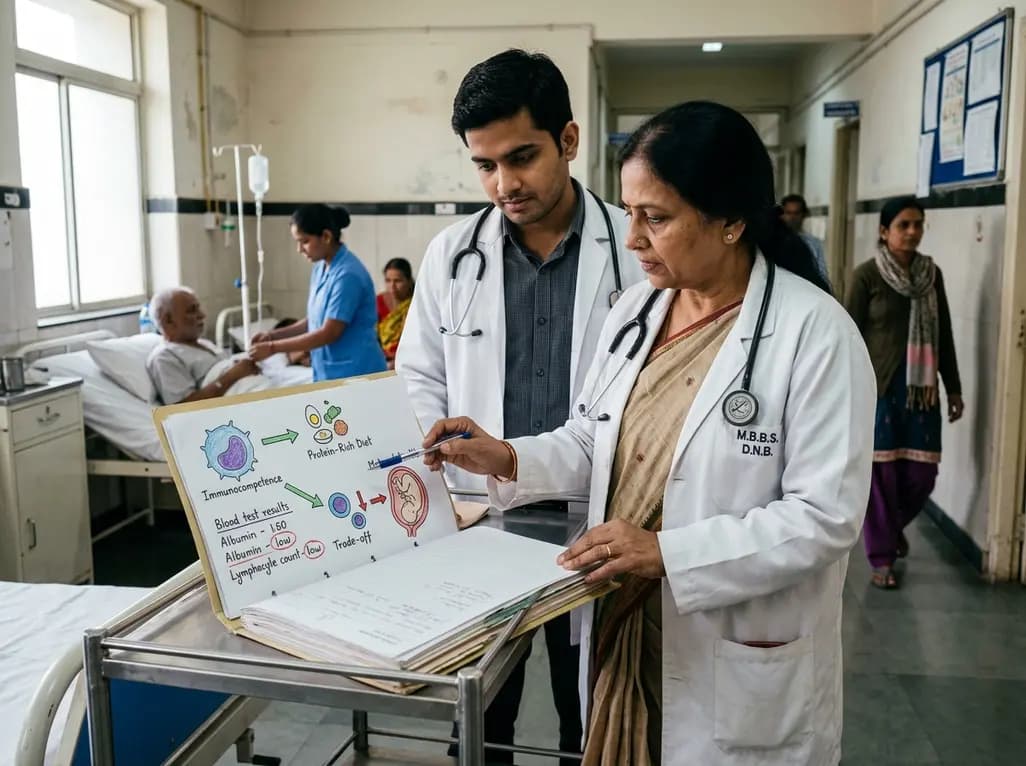
Explore the crucial link between dietary protein and immunocompetence. This review examines how low-protein nutrition shifts metabolic resources away from pathogen defense toward early reproduction, compromising host survival and immunity against severe bacterial infections.
Today
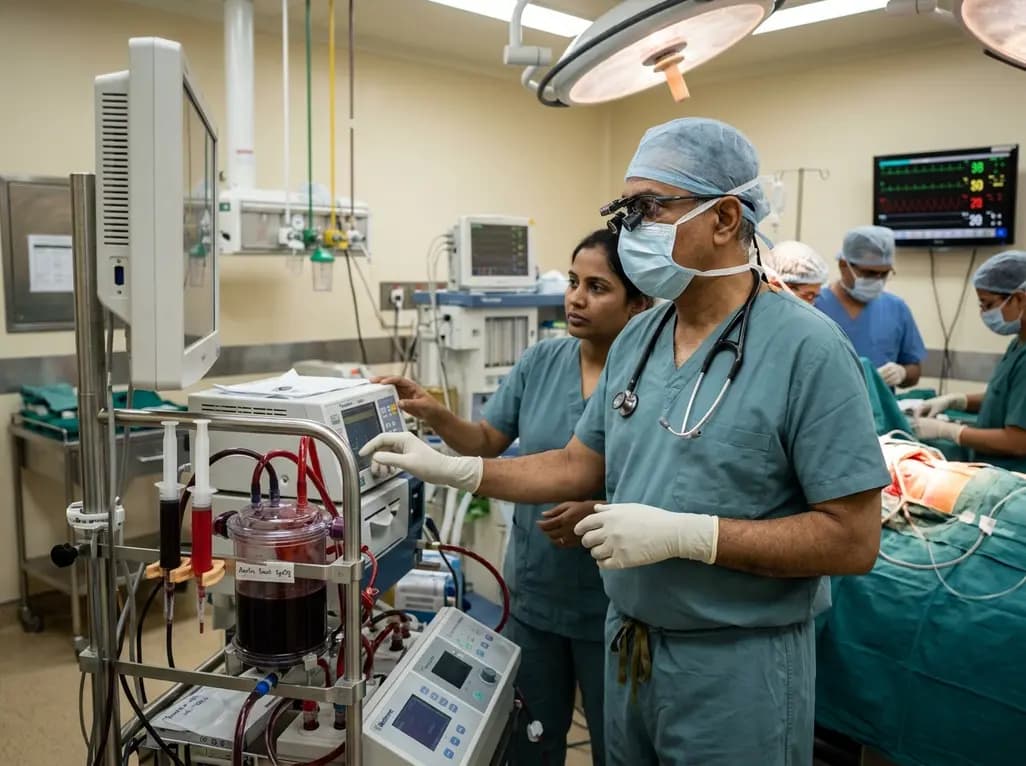
Differential oxygenation during peripheral TA-NRP can cause undetected coronary hypoxemia due to arch vessel clamping. A novel circuit with continuous aortic root monitoring detects desaturation early, facilitating left ventricular unloading and preventing allograft dysfunction and unnecessary heart discard.
Today
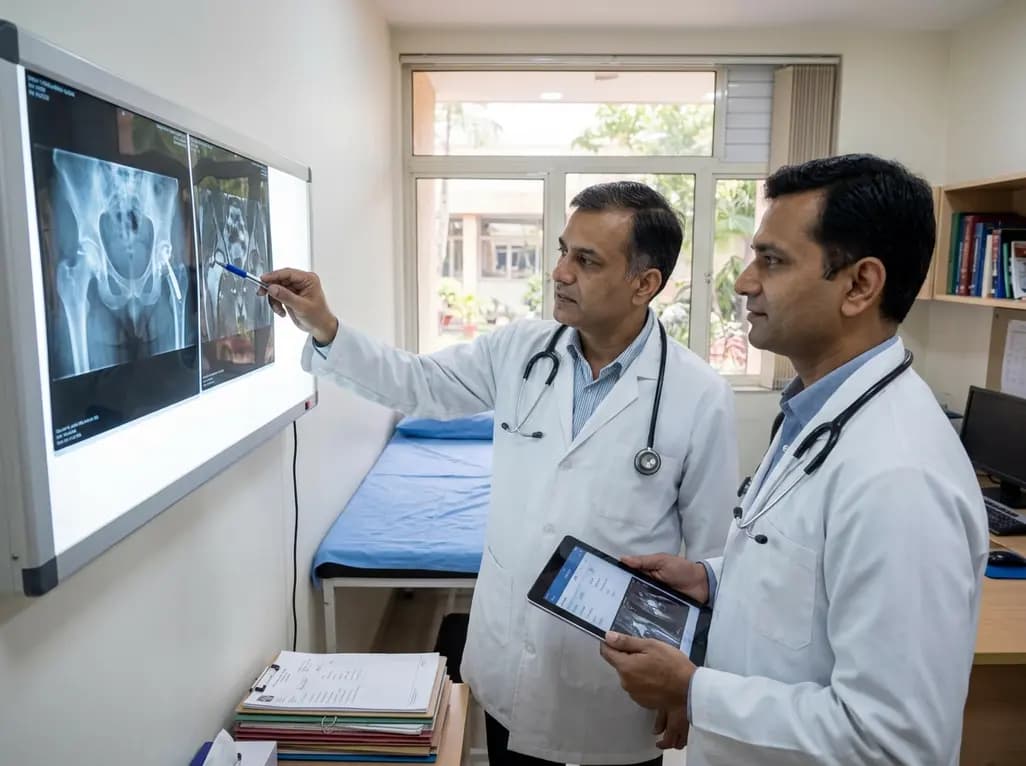
A longitudinal study reveals that patients undergoing staged bilateral hip arthroscopy experience progressive contralateral labral deterioration during surgical intervals. However, structural degradation does not compromise 2-year postoperative clinical outcomes or patient-reported satisfaction scores.
Today

A post hoc analysis of the PARM-T2D study shows pemafibrate exerts baseline-dependent effects on LDL-C and particle size in type 2 diabetes and hypertriglyceridemia. It lowers triglycerides and remnants while favorably remodeling atherogenic LDL particles based on initial lipid control status.
Today
