

Loading, please wait...
Loading, please wait...

Managing chronic viral infections requires clinicians to address both physical pathology and psychological distress simultaneously. Depressive symptoms in HIV represent a substantial clinical challenge across modern healthcare systems globally. Biological mechanisms, including chronic neuroinflammation and viral persistence in the brain, directly compromise monoamine neurotransmitter pathways. Concurrently, persistent social stigma, fear of disclosure, and economic hardships amplify emotional distress. Recent clinical data from northern Tanzania show that 14% of adult clients on antiretroviral therapy experience depressive symptoms. Consequently, untreated psychiatric comorbidity threatens the substantial progress achieved through widespread antiretroviral distribution. Depressive disorders directly impair daily medication adherence, thereby accelerating viral rebound and drug resistance. Furthermore, patients struggling with affective disturbances miss scheduled clinic visits and experience higher rates of immunological failure. Therefore, medical teams must recognize affective disorders as vital comorbidities requiring systematic clinical intervention. Comprehensive disease management demands that clinicians evaluate emotional well-being alongside CD4 counts and viral loads. In addition, early psychiatric diagnosis promotes sustained engagement across the continuous HIV care continuum. Ultimately, psychiatric stabilization remains indispensable for optimal antiretroviral efficacy and long-term immune recovery.
The cross-sectional investigation enrolled 598 adult clients attending four Care and Treatment Clinics across Moshi Municipality in northern Tanzania. These purposively selected health centers represented primary, secondary, and tertiary tiers of regional healthcare delivery. Notably, females comprised nearly 71% of the study cohort, reflecting demographic patterns observed in many outpatient settings. Investigators assessed affective pathology using the standardized Patient Health Questionnaire-9. Overall, 14% of the participants met the clinical criteria for depressive symptoms. Multivariable logistic regression revealed distinct psychosocial and clinical variables strongly associated with these psychiatric manifestations. Participants who reported a positive family history of mental illness had more than double the odds of experiencing depressive symptoms. Furthermore, individuals who predominantly used maladaptive coping strategies exhibited nearly fourfold higher odds of emotional distress. Curiously, participants reporting robust social support networks also demonstrated an eightfold increase in depressive risk. This paradoxical finding suggests that severe psychological distress may trigger increased family mobilization and caregiving support. Alternatively, distressed individuals might perceive existing social networks with heightened dependency. Consequently, these empirical observations underscore the complex interplay among familial risk, coping mechanisms, and affective stability.
Clinicians must carefully evaluate cognitive and behavioral coping responses when managing chronic viral disease. In this analysis, maladaptive coping strategies emerged as an exceptionally robust predictor of depressive pathology. Patients often rely on denial, behavioral disengagement, self-blame, or substance use to escape emotional distress. However, these avoidant behaviors inevitably intensify psychological suffering and weaken medication self-efficacy over time. For example, emotional denial frequently leads patients to omit daily doses or miss crucial monitoring appointments. In addition, psychological disengagement prevents individuals from developing constructive problem-solving skills and emotional resilience. In contrast, adaptive coping strategies such as active planning and positive cognitive reframing foster durable psychological stability. Concurrently, a documented family history of psychiatric disorders significantly elevates personal depressive vulnerability. Genetic predispositions, shared familial environments, and intergenerational stressors lower the threshold for clinical mood episodes. When inherited neurochemical vulnerabilities interact with the severe psychosocial trauma of an HIV diagnosis, depressive disorders frequently manifest. Therefore, clinicians must routinely record detailed family psychiatric histories during initial clinical consultations. Identifying these predisposing factors enables medical teams to deliver proactive psychosocial support before overt clinical deterioration occurs.
The paradoxical correlation between strong social support and increased depressive symptoms requires careful contextual interpretation. Classical behavioral theories suggest that social support acts as a protective shield against emotional exhaustion and hopelessness. However, cross-sectional research designs often capture complex reverse causality within established care networks. For instance, individuals suffering from acute depressive symptoms frequently demonstrate pronounced behavioral withdrawal and functional impairment. Consequently, attentive relatives and friends often mobilize rapidly, providing heightened financial, physical, and emotional assistance. Under these circumstances, reported high social support reflects a response to existing depression rather than a causative factor. Alternatively, well-meaning interpersonal relationships can sometimes generate unexpected psychological distress through subtle social pressure. Family members may enforce strict monitoring regarding antiretroviral dosing times, dietary regimens, and clinic visits. This persistent oversight can trigger feelings of guilt, loss of autonomy, and perceived burden among vulnerable patients. Moreover, individuals who depend heavily on relatives often experience deep internal shame regarding their physical dependence. Therefore, healthcare providers must evaluate beyond simplistic social metrics during patient interviews. Clinicians should explore both the quantity and emotional tone of family interactions to recognize nuanced domestic stressors.
Addressing psychiatric distress within routine HIV services requires practical, scalable, and decentralized operational strategies. Specialized mental health professionals remain scarce across primary and secondary clinics in many resource-limited settings globally. Consequently, health systems must adopt structured task-shifting models to expand diagnostic and therapeutic capacity effectively. Under this collaborative model, trained nursing staff and counselors administer rapid screening questionnaires during regular antiretroviral distribution visits. For instance, implementing tools like the PHQ-2 allows staff to detect psychological distress within minutes. Patients screening positive then transition smoothly into stepped-care interventions aligned with symptom severity. Mild depressive symptoms often resolve with brief psychological interventions, including cognitive behavioral therapy and problem-solving counseling. Meanwhile, patients presenting with moderate to severe depression require evidence-based pharmacotherapy initiated by medical officers. Clinicians should prescribe modern antidepressants, such as selective serotonin reuptake inhibitors, while evaluating potential antiretroviral drug interactions carefully. Furthermore, clinics should establish peer-led psychoeducational groups to teach adaptive coping strategies and diminish internalized stigma. Helping patients replace maladaptive avoidance with proactive problem-solving strengthens treatment adherence and psychological well-being. Ultimately, embedding routine mental healthcare into primary HIV centers safeguards both viral suppression and long-term survival.
Clinicians should implement validated screening tools like the PHQ-9 or PHQ-2 during regular antiretroviral therapy visits. In addition, routine triage by nursing staff can identify early psychological distress. When patients screen positive, healthcare providers must initiate prompt psychiatric evaluation or evidence-based psychosocial support to prevent treatment disengagement and clinical decline.
Maladaptive coping mechanisms, such as denial, substance misuse, or behavioral disengagement, impair proactive self-care. Consequently, patients avoid clinic appointments and fail to adhere to daily medication regimens. Furthermore, chronic emotional avoidance amplifies psychological distress. This negative cycle accelerates viral replication, promotes opportunistic infections, and drastically compromises long-term immunological recovery.
Cognitive behavioral therapy and problem-solving therapy offer proven clinical efficacy for depression in individuals living with HIV. Moreover, selective serotonin reuptake inhibitors provide safe pharmacotherapy with minimal antiretroviral interactions. Integrating these collaborative mental health strategies directly into primary HIV treatment clinics significantly improves therapeutic adherence, retention in care, and overall viral suppression.
Disclaimer: This content is for informational and educational purposes only... Refer to the latest local and national guidelines for clinical practice.
References

Read summarized clinical updates, watch expert medical content, and earn CME certifications right from your smartphone.
Open your smartphone camera to scan and install.





A cross-sectional study in northern Tanzania identifies a 14% prevalence of depressive symptoms among people living with HIV. Key risk factors include family psychiatric history, maladaptive coping, and social support dynamics, underscoring the need for routine mental health integration in HIV care.
Today

A cross-sectional molecular epidemiological study evaluates HIV-1 transmission clusters and pretreatment drug resistance among treatment-naïve men who have sex with men. Findings highlight prominent CRF07_BC transmission and significant assortative mixing, informing targeted public health and antiretroviral strategies.
Today
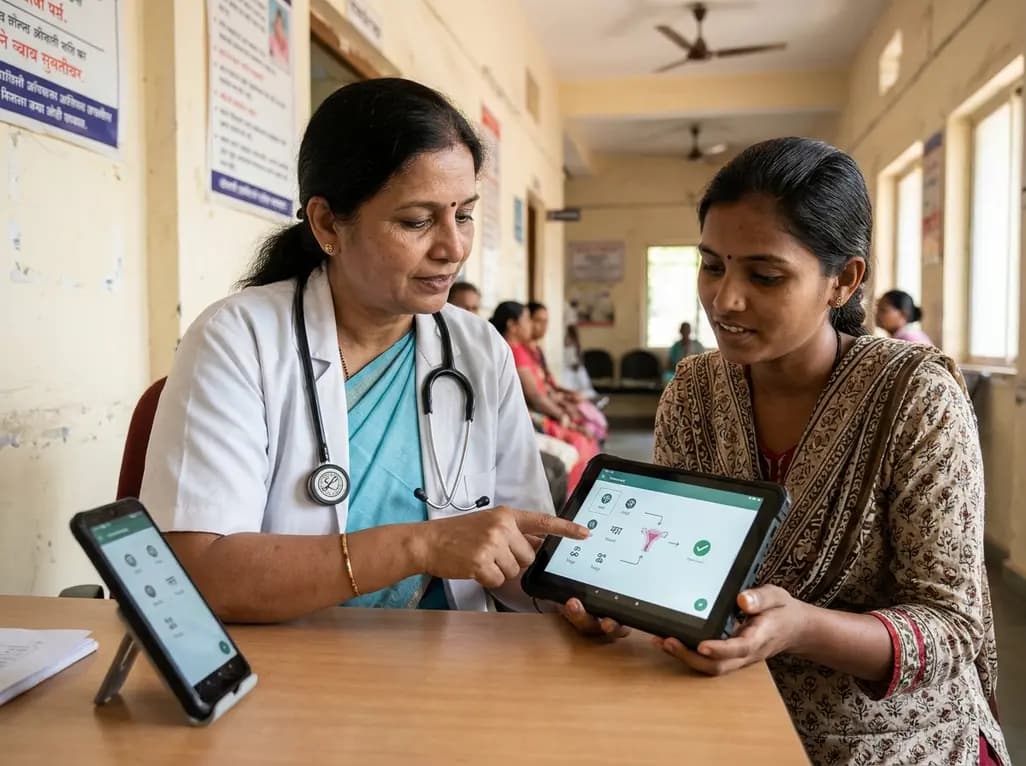
A new study evaluates a multilingual digital health platform combining rule-based cervical cancer risk assessment, retrieval-augmented generation AI, and geospatial navigation. The tool dramatically reduces clinical hallucinations while providing actionable health guidance for underserved populations.
Today

A novel MOF-based platform encapsulates hemoglobin with catalytic platinum and ceria nanozymes to deliver oxygen while scavenging toxic reactive oxygen species. This study highlights key design principles for managing hypoxia and reperfusion injury while resolving crucial stability challenges.
Today
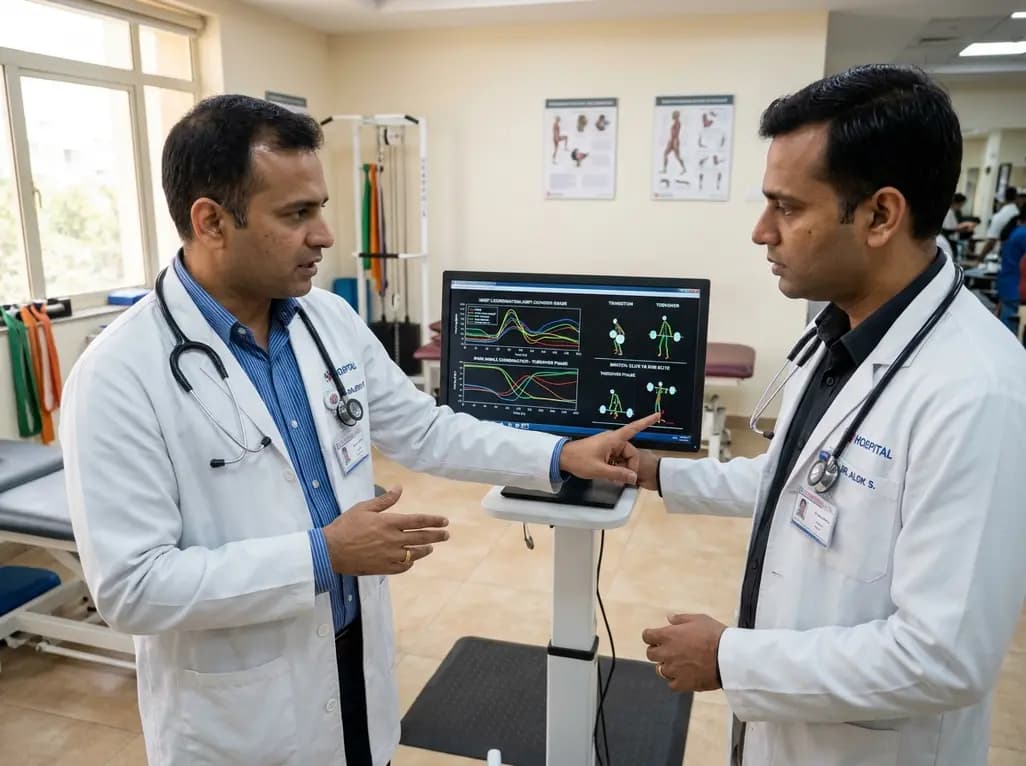
A vector coding study compares elite and sub-elite weightlifters during maximal snatch attempts, revealing that performance differences stem from phase-dependent knee-ankle coordination during transition and turnover phases rather than overall trajectory patterns.
Today
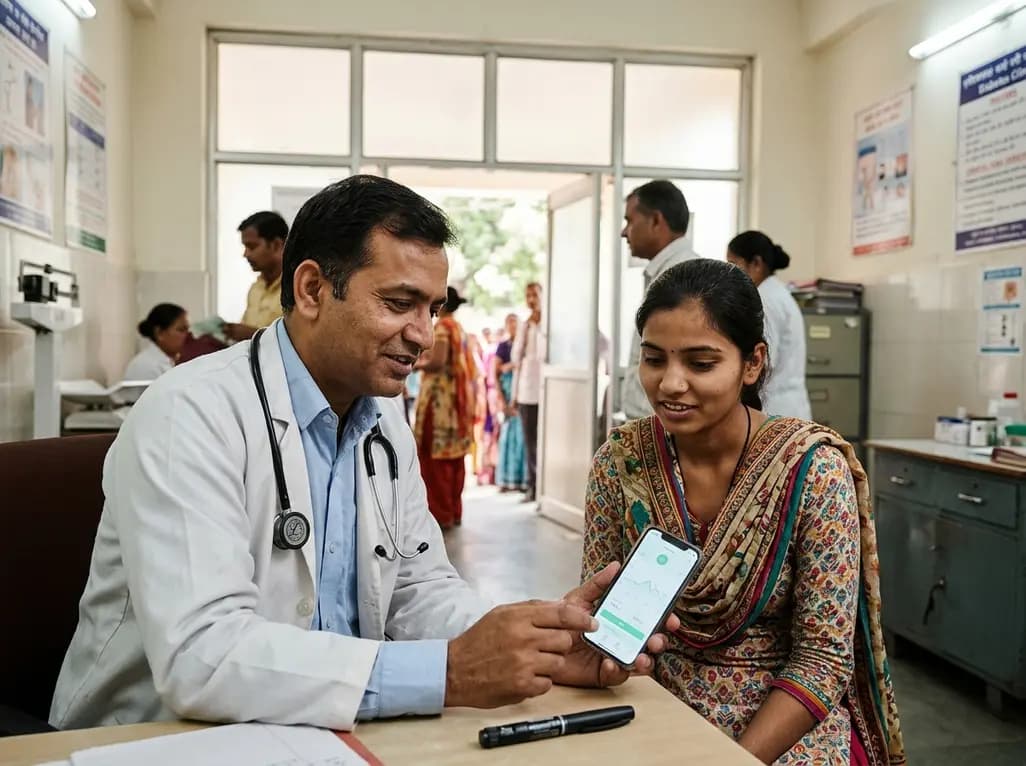
A pilot feasibility study demonstrates that a newly developed mobile app for bolus insulin dose adjustment significantly improves dosing confidence, treatment adherence, and hypoglycemia prevention for patients with type 1 diabetes while reducing provider workload in resource-limited clinical settings.
Today
