.webp&w=384&q=75)

Loading, please wait...
Loading, please wait...

Cardiometabolic diseases and mood disorders represent two of the largest global health burdens confronting modern medicine. Epidemiological observations have long suggested an intricate connection between psychological distress and elevated blood pressure. However, robust prospective data examining the precise link between baseline depressive symptoms and hypertension have remained relatively limited across diverse racial and ethnic populations. Clinicians frequently encounter patients who present with mood fluctuations alongside autonomic instability. Therefore, understanding whether psychological distress directly precedes sustained arterial hypertension has critical implications for routine clinical stratification.
Recent prospective evidence from large longitudinal cohorts demonstrates that baseline affective distress accelerates vascular dysfunction. Specifically, persistent low mood and anhedonia frequently correlate with unhealthy lifestyle adaptations, such as physical inactivity and poor nutritional choices. In addition, neurohormonal imbalances exacerbate vascular tone and compromise peripheral arterial elasticity over prolonged intervals. Consequently, primary care physicians must view mood disturbances not merely as subjective emotional complaints, but as potent systemic cardiometabolic risk markers. Recognizing depressive symptoms early enables targeted preventive measures before permanent vascular remodeling occurs.
The landmark Hispanic Community Health Study/Study of Latinos evaluated 5,927 normotensive adults between 18 and 74 years of age across four major metropolitan centers. Investigators tracked participants over a six-year follow-up interval to identify new cases of arterial hypertension. At baseline, clinicians quantified depressive symptoms using the validated Center for Epidemiologic Studies Depression Scale-10. Participants scoring ten points or higher were categorized as having clinically relevant depressive symptoms. Standardized blood pressure measurements and detailed records of antihypertensive prescriptions defined incident disease.
Remarkably, the study revealed substantial divergence in vascular outcomes between the study groups over six years. The six-year age-adjusted incidence of hypertension reached 40 per 1,000 person-years among individuals with elevated depressive symptoms. In contrast, those without mood distress exhibited an incidence of only 31 per 1,000 person-years. After adjusting for comprehensive demographic and clinical covariates, participants with depressive symptoms demonstrated a significant 25 percent greater incidence of hypertension. Furthermore, age-stratified analyses revealed meaningful interactions, suggesting that emotional strain may differentially impact distinct age demographics over time.
Multiple biological cascades explain why persistent psychological distress triggers arterial hypertension. First, chronic depressive symptoms dysregulate the hypothalamic-pituitary-adrenal axis, prompting sustained secretion of cortisol and adrenal glucocorticoids. Consequently, prolonged hypercortisolemia damages endothelial cells, impairs nitric oxide synthesis, and diminishes arterial compliance. Moreover, chronic psychological distress triggers systemic autonomic imbalance characterized by chronic sympathetic nervous system overdrive. Elevated circulating catecholamines cause vasoconstriction, accelerate baseline resting heart rate, and sustain elevated peripheral vascular resistance.
Simultaneously, low-grade systemic neuroinflammation plays a decisive role in vascular pathology. Depressed individuals consistently display elevated serum concentrations of interleukin-6, tumor necrosis factor-alpha, and C-reactive protein. These inflammatory cytokines induce oxidative stress within vascular smooth muscle tissues and accelerate subclinical atherosclerosis. In addition, renal sympathetic activation stimulates the renin-angiotensin-aldosterone system, leading to inappropriate sodium retention and plasma volume expansion. Therefore, affective distress exerts direct biological insults upon cardiovascular hemodynamics through overlapping endocrine, autonomic, and immunologic pathways.
These international findings offer vital lessons for physicians practicing across India, where cardiometabolic disorders occur at a younger age. Non-communicable diseases, particularly hypertension and ischemic heart disease, have reached epidemic proportions among Indian populations. Concurrently, rapid urbanization, socioeconomic stress, and lifestyle shifts have drastically elevated the prevalence of anxiety and depression. However, Indian outpatient consultations traditionally focus almost exclusively on physical markers such as body weight, fasting glycemia, and resting blood pressure. Mental health evaluations rarely enter routine cardiovascular risk algorithms.
Consequently, many individuals at high risk for vascular disease remain unrecognized during critical therapeutic windows. A high burden of distress often hinders medical adherence, disrupts regular sleep patterns, and promotes poor dietary habits. In addition, South Asian individuals often exhibit premature arterial stiffness and microvascular vulnerability compared to Western counterparts. Therefore, combining regular mental health assessments with standard cardiovascular screenings is essential. Indian clinicians can leverage brief standardized questionnaires to identify vulnerable patients during outpatient visits. Such integrated screening protocols permit earlier interventions before severe hemodynamic damage develops.
Effective management of patients exhibiting depressive symptoms requires a holistic, multidisciplinary approach. Primary care physicians, internists, and cardiologists must collaborate closely with mental health professionals to optimize patient care. Notably, lifestyle medicine serves as a foundational pillar for treating both mood disorders and hypertension. Prescribing structured aerobic exercise stimulates endorphin release, enhances parasympathetic tone, and lowers systemic blood pressure. Furthermore, encouraging plant-rich dietary patterns, such as traditional balanced vegetarian meals, combats systemic inflammation and stabilizes vascular endothelium.
Pharmacological strategies also demand thoughtful coordination to avoid adverse drug interactions. For example, certain psychotropic medications, including specific serotonin-norepinephrine reuptake inhibitors, can raise baseline diastolic and systolic blood pressure. Therefore, clinicians must select antidepressant agents with neutral hemodynamic profiles when treating patients with borderline blood pressure. Conversely, successful psychological therapies, such as cognitive behavioral therapy and mindfulness-based stress reduction, can reduce sympathetic tone. In conclusion, integrating cardiovascular monitoring with psychiatric support creates a proactive paradigm that protects both mental and cardiovascular well-being.
Depression triggers chronic hypothalamic-pituitary-adrenal axis hyperactivity and persistent sympathetic nervous system stimulation. Consequently, the body experiences increased cortisol production, circulating catecholamines, and elevated inflammatory cytokines. These physiological changes impair vascular endothelial function, stimulate arterial vasoconstriction, and enhance renal sodium retention, ultimately culminating in sustained hypertension.
Clinicians frequently utilize the Patient Health Questionnaire-9 or the shorter two-item version for routine outpatient assessment. In epidemiological studies, researchers also rely on the Center for Epidemiologic Studies Depression Scale-10. These validated screening tools rapidly identify significant depressive symptoms, allowing physicians to initiate timely multidisciplinary management and specialist referral.
Certain antidepressant classes, particularly serotonin-norepinephrine reuptake inhibitors and tricyclic agents, can increase blood pressure through adrenergic stimulation. Conversely, selective serotonin reuptake inhibitors generally exhibit neutral hemodynamic profiles. Therefore, medical practitioners must routinely monitor blood pressure when prescribing psychotropic therapy, adjusting pharmacotherapy promptly if sustained hypertension occurs during treatment.
Disclaimer: This content is for informational and educational purposes only... Refer to the latest local and national guidelines for clinical practice.
References

Read summarized clinical updates, watch expert medical content, and earn CME certifications right from your smartphone.
Open your smartphone camera to scan and install.





A prospective study of 5,927 adults demonstrates that clinically relevant depressive symptoms independently increase six-year incident hypertension risk by 25%. This article examines underlying neuroendocrine pathways, autonomic dysfunction, and key clinical implications for primary care physicians in India.
Today

A mixed-methods within-subject study reveals that patients report significantly higher overall satisfaction, clearer communication, and greater staff courtesy in an acute palliative care unit compared to prior non-palliative hospital stays, despite persistent logistical challenges like nursing response times.
Today

A recent cohort study reveals that reproductive-age women with cerebral venous thrombosis have nearly double the odds of developing intracranial hypertension compared to older women. Superior sagittal and lateral sinus occlusions heighten this risk, predisposing patients to persistent visual impairment.
Today
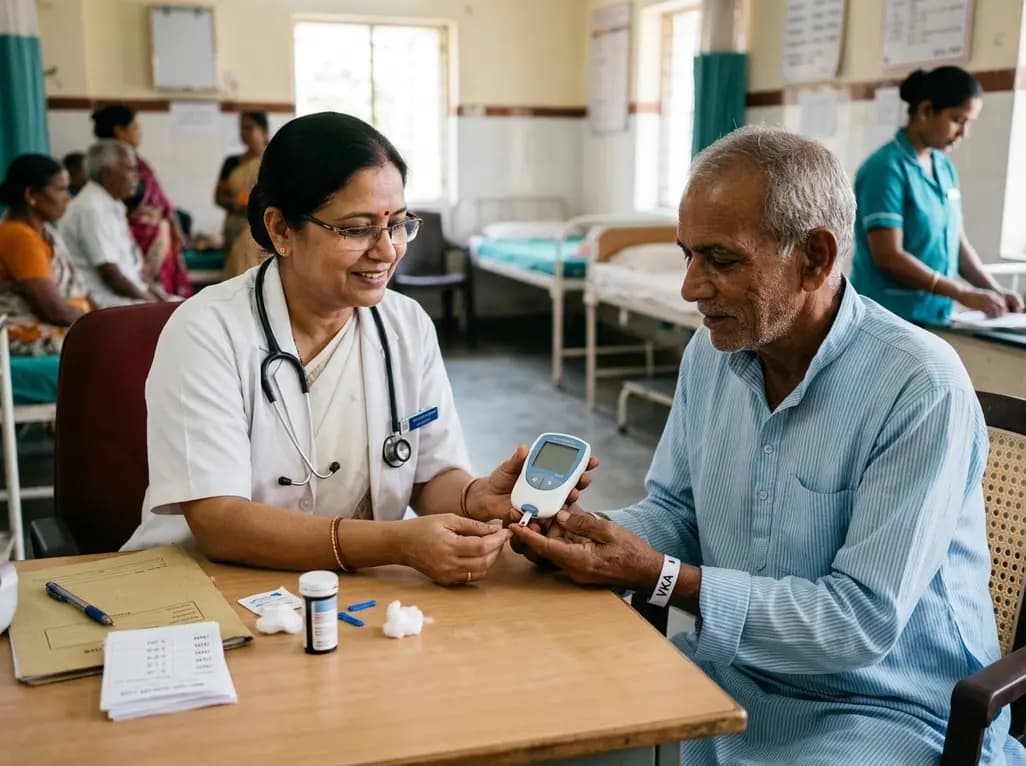
A new implementation study demonstrates that an integrated home INR monitoring network for vitamin K antagonist therapy cuts test turnaround times from three hours to 20 minutes, enhancing clinical oversight, diagnostic accuracy, and patient quality of life.
Today

Diagnostic data shows that nearly one in four spine investigations now involve patients younger than 40 years. This comprehensive overview explores the drivers behind this demographic trend, evaluates ergonomic hazards, clarifies red-flag signs, and highlights clinical indications for judicious diagnostic imaging.
Today

A study reveals how adrenal hormones maintain glucose homeostasis during prolonged fasting when glucagon is absent. In glucagon-deficient mice, corticosterone-driven lipolysis prevents severe hypoglycemia, offering key insights for managing counterregulatory failure and fasting in diabetes.
Today
