.webp&w=384&q=75)

Loading, please wait...
Loading, please wait...
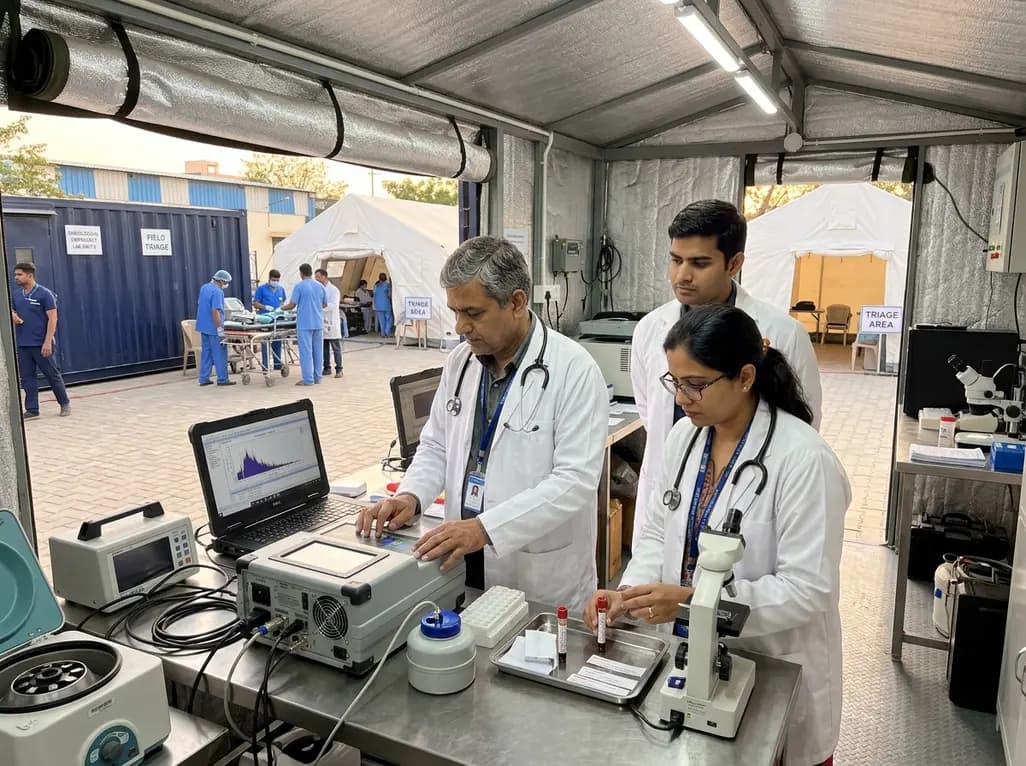
Radiological emergency response demands rapid, actionable, and medically interpretable analytical data to safeguard human life. Historically, emergency response teams faced profound operational barriers during radiation incidents located far from metropolitan academic centers. Early mobile response units relied almost exclusively on qualitative sodium iodide detectors and superficial surface survey meters. Consequently, responders struggled to identify complex radionuclide mixtures or quantify internal human contamination. Furthermore, field personnel had to transport every critical biological sample back to centralized facilities for confirmatory analysis. This logistical bottleneck routinely delayed committed effective dose calculations by several days or weeks. In addition, delayed biodosimetry compromised acute therapeutic decisions, including the administration of life-saving decorporation agents. To overcome these critical deficiencies, defense and emergency planners developed the modern deployable radiological emergency laboratory. Aligned with NATO standardisation agreement guidelines, this next-generation mobile platform establishes definitive bioassay infrastructure directly at disaster perimeters. As a result, emergency responders obtain early isotopic discrimination, conduct reliable cytogenetic evaluations, and direct clinical workflows before hospital networks face overwhelming logistical burdens. Ultimately, forward laboratory triage protects civilian populations and emergency personnel alike.
The newly designed operational architecture integrates four specialized mobile modules mounted on rugged all-terrain tactical vehicles. First, Module 1 provides rapid whole-body screening to separate clean individuals from contaminated casualties swiftly. Meanwhile, Module 2 deploys high-resolution in vivo spectrometry to execute precise organ-specific measurements, targeting the thyroid and pulmonary fields. Next, Module 3 houses sophisticated physical dosimetry and cytogenetic triage workstations to evaluate systemic biological radiation injury. Finally, Module 4 functions as an advanced field radiotoxicology unit capable of processing bioassay samples under rigorous biosafety standards. Furthermore, the laboratory incorporates analytical hardware that rivals fixed metropolitan reference laboratories. Responders operate inductively coupled plasma mass spectrometry, high-purity germanium spectrometry, and alpha spectrometry inside climate-controlled containment suites. Therefore, field scientists can isolate and identify alpha, beta, and gamma emitters with exceptional precision. In addition, mounting these four interconnected units on armored four-by-four platforms ensures deployment into hostile or unstable environments. Civilian vehicles often cannot traverse contaminated disaster zones or combat-damaged infrastructure. Consequently, this modular operational design bridges the gap between field operational medicine and high-complexity hospital laboratory diagnostics.
Accurate estimation of internalized radiation represents one of the greatest challenges in disaster medicine. Fortunately, the deployable laboratory unites physical measurements with biological dosimetry to overcome diagnostic uncertainty. Clinical toxicologists must quickly calculate the committed effective dose to project multi-organ toxicity risks. Therefore, Module 3 rapidly processes peripheral blood samples for cytogenetic analysis, including dicentric chromosome assays and cytokinesis-block micronucleus tests. These chromosomal biomarkers establish biological dose estimates within hours, even when physical dosimeters are completely unavailable. Moreover, field scientists cross-reference cytogenetic findings with Module 4 bioassay results derived from urine, feces, and wound aspirates. Advanced spectrometry identifies specific radioisotopes, such as americium, plutonium, or radiostrontium, within minutes of sample intake. Consequently, emergency medical officers avoid relying on subjective clinical symptoms like prodromal nausea, which often mislead triage officers. In addition, this integrated diagnostic approach accurately identifies heterogeneous or partial-body radiation exposures. As a result, critical care teams can differentiate moderately exposed victims who need supportive interventions from severely irradiated patients requiring immediate intensive care. Such biological verification ensures accurate triage classifications before definitive hospital transport.
Early diagnostic clarity directly dictates timely pharmacologic intervention during severe radiological contamination events. Decorporation agents exhibit maximal therapeutic efficacy only when clinicians administer them within hours of radionuclide intake. For example, physicians must initiate diethylenetriaminepentaacetic acid promptly after actinide inhalation to prevent permanent bone and liver deposition. Similarly, emergency doctors must administer potassium iodide immediately to prevent radioactive iodine uptake by the thyroid gland. However, prescribing decorporation agents empirically without analytical confirmation exposes uninjured patients to unnecessary drug toxicities and depletes vital national stockpiles. In contrast, the deployable laboratory provides point-of-care isotope identification and precise intake quantification within forward operational zones. Furthermore, on-site dosimetry allows clinicians to adjust chelator doses dynamically based on serial urinary excretion curves. Physicians can also rapidly recommend hematopoietic growth factors for patients whose cytogenetic profiles predict severe bone marrow suppression. Thus, the laboratory transforms acute radiological management from delayed retrospective guesswork into proactive, precision-guided emergency medicine. Ultimately, field-level dose assessment reduces permanent organ damage and substantially enhances individual survival outcomes. Rapid therapeutic deployment directly mitigates life-threatening acute radiation syndrome manifestations across exposed cohorts.
Large-scale radiological incidents inevitably produce overwhelming surges of concerned citizens and contaminated casualties seeking immediate care. During past radiological disasters, central reference laboratories experienced catastrophic logistical gridlock when bombarded with thousands of unverified bioassay samples. Fortunately, forward-deployed laboratories resolve the vast majority of contamination assessments directly at the incident perimeter. Field teams rapidly clear unexposed individuals, providing documented scientific reassurance and diverting them from overwhelmed regional emergency departments. Additionally, on-site specialists triage biological samples, filtering out negative specimens before initiating secondary transport. As a result, emergency networks only send highly complex or ambiguous samples to centralized national research facilities. This targeted filtering preserves national analytical bandwidth and prevents analytical backlogs from delaying acute clinical decision-making. Moreover, local health authorities utilize the laboratory's real-time analytical data to map environmental dispersion plumes accurately. Consequently, public health leaders can issue timely shelter-in-place orders, optimize evacuation routes, and implement targeted food and water restrictions. Therefore, deployable laboratory architecture delivers an economically sustainable, robust framework that preserves institutional resilience throughout widespread radiation crises. Forward deployment ensures that national healthcare systems remain fully functional during catastrophic radiological events.
The deployable system measures internal contamination through complementary in vivo and in vitro diagnostic assays. Initially, high-purity germanium and sodium iodide detectors screen individuals for whole-body and specific organ gamma emissions. Concurrently, field radiotoxicology specialists collect biological bioassays such as urine and feces. They process these samples using alpha-spectrometry and mass spectrometry. Consequently, clinicians obtain rapid isotopic discrimination, quantify incorporated radionuclides, and calculate committed effective doses directly on site.
Cytogenetic triage provides an objective biological estimate of absorbed ionizing radiation dose when physical dosimeters are absent. Specifically, cytogeneticists analyze chromosomal aberrations, such as dicentric chromosomes and micronuclei, in peripheral blood lymphocytes. Because clinical symptoms like nausea can mislead emergency triage, biological dosimetry accurately distinguishes severely exposed patients from the worried well. Therefore, emergency teams rapidly prioritize scarce hospital intensive care beds and initiate targeted colony-stimulating factor therapies without unnecessary delay.
Field dosimetry rapidly establishes radionuclide identification and intake magnitude, which directly dictates clinical therapy. For instance, detecting radioiodine triggers immediate oral potassium iodide administration to block thyroid uptake. Similarly, identifying internalized actinides or radiocesium prompts the prompt prescription of specific decorporation chelators like intravenous DTPA or oral Prussian blue. Thus, early quantification prevents systemic radionuclide incorporation, mitigates deterministic organ toxicity, and significantly lowers long-term stochastic oncological risks in exposed populations.
Disclaimer: This content is for informational and educational purposes only... Refer to the latest local and national guidelines for clinical practice.
References
1. Gerasimo P et al. Development of a Four-Module Deployable Radiological Emergency Laboratory for Rapid Internal Dosimetry and Field Assays. Health Phys. 2026 Sep 14. doi: 10.1097/HP.0000000000002199. PMID: 42734631.
2. North Atlantic Treaty Organization. Sampling and Identification of Radiological Agents (SIRA). STANAG 4590, Edition 1. Brussels: NATO Standardization Agency; 2004.
3. International Atomic Energy Agency. Cytogenetic Dosimetry: Applications in Preparedness for and Response to Radiation Emergencies. EPR-Biodosimetry. Vienna: IAEA; 2011.

Read summarized clinical updates, watch expert medical content, and earn CME certifications right from your smartphone.
Open your smartphone camera to scan and install.





A newly developed four-module deployable radiological emergency laboratory integrates in vivo spectrometry, radiotoxicology, and cytogenetics. By decentralizing internal dosimetry and bioassays, the system accelerates clinical triage and prevents hospital overload during large-scale radiological emergencies.
Today
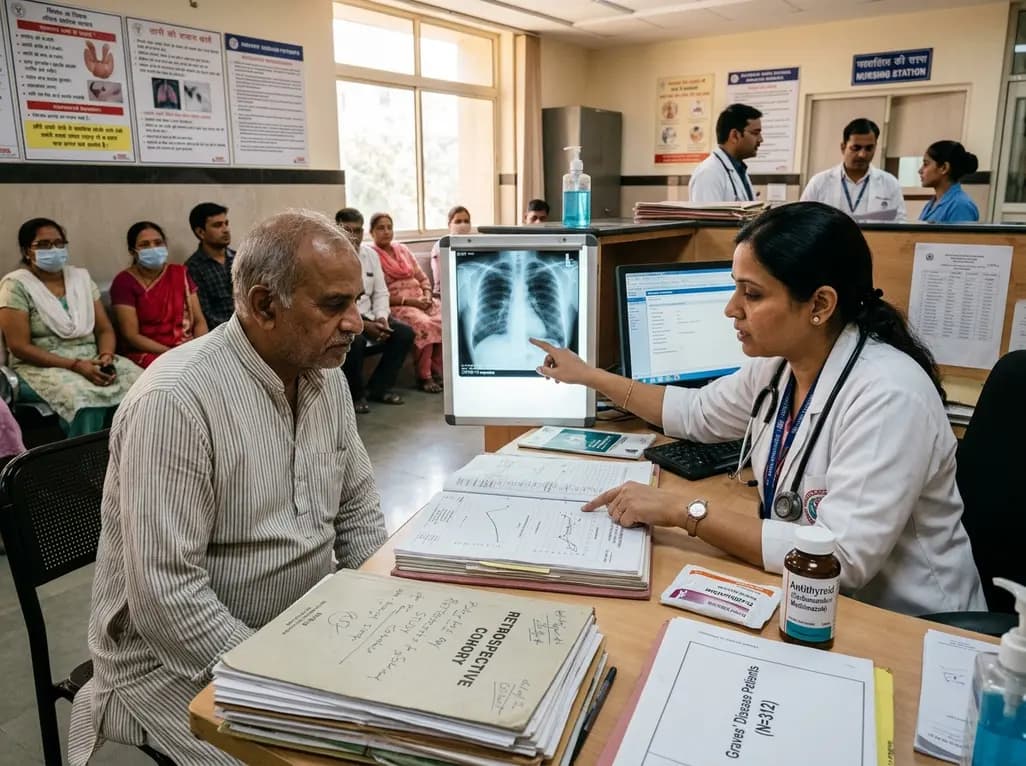
A retrospective cohort study evaluates the short- and long-term impacts of SARS-CoV-2 infection on patients with Graves' disease receiving antithyroid drug therapy, highlighting thyroid status destabilization, clinical symptom exacerbations, and post-viral sequelae.
Today
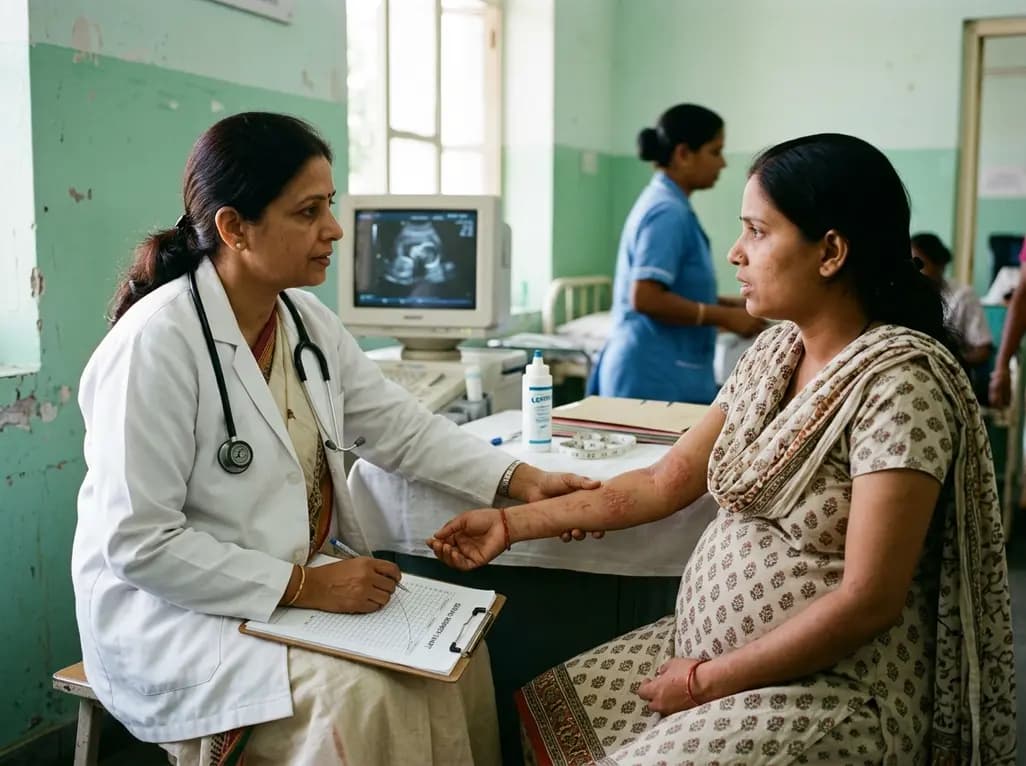
A comprehensive meta-analysis of over 278,000 women demonstrates that maternal atopic dermatitis significantly increases risks of premature rupture of membranes and low birth weight. Discover essential clinical insights on disease mechanisms, serial antenatal growth monitoring, and safe therapeutic interventions.
Yesterday
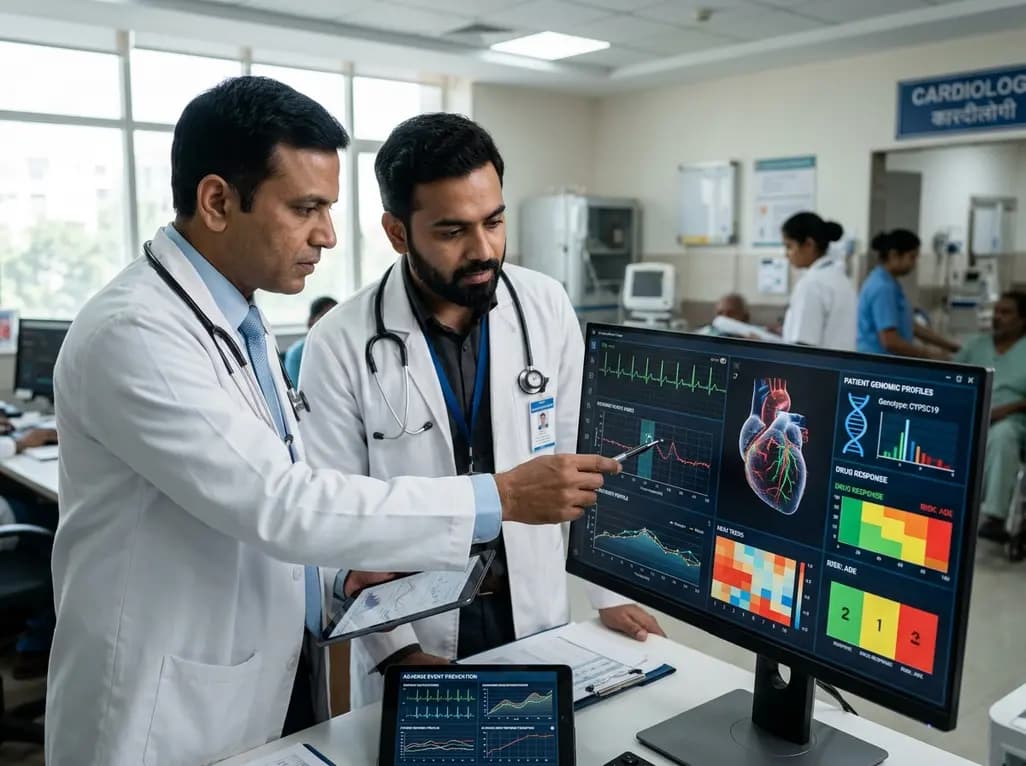
Pharmacogenomics and artificial intelligence are revolutionizing cardiology by tailoring therapies to individual genetic profiles and clinical data, reducing adverse drug events, and improving cardiovascular patient outcomes.
Today
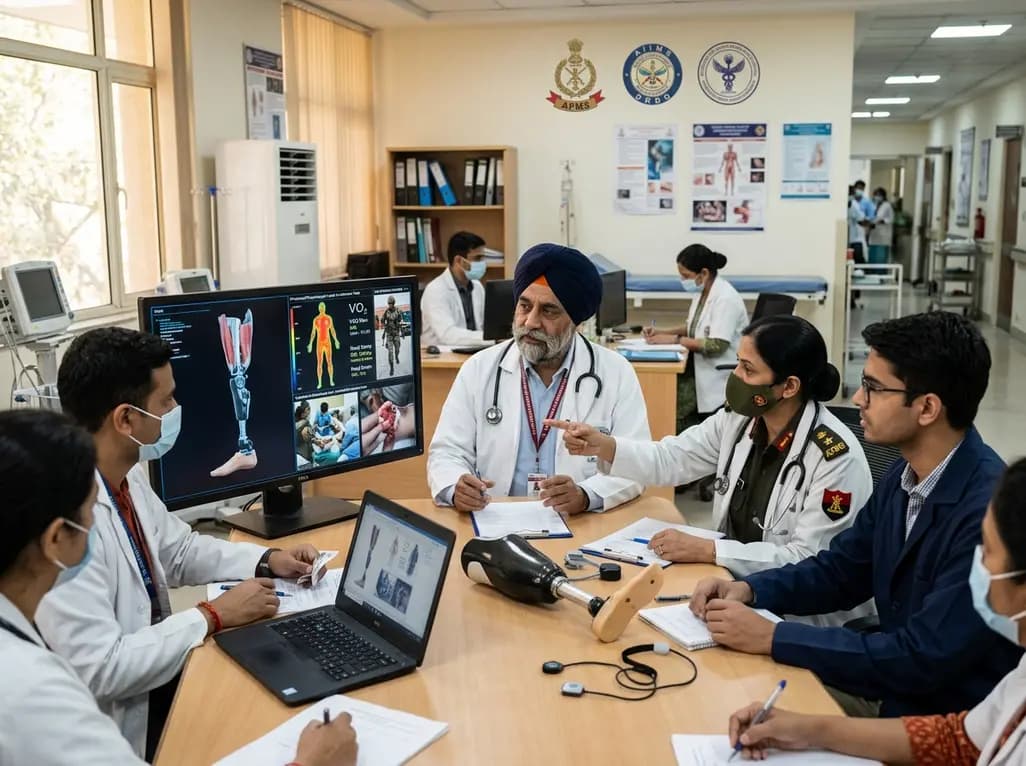
India's premier scientific bodies have joined the Armed Forces Medical Services to solve unique physiological and operational challenges faced by soldiers. The national collaboration covers combat casualty care, artificial intelligence diagnostics, bionic prosthetics, and extreme-environment physiological resilience.
Today
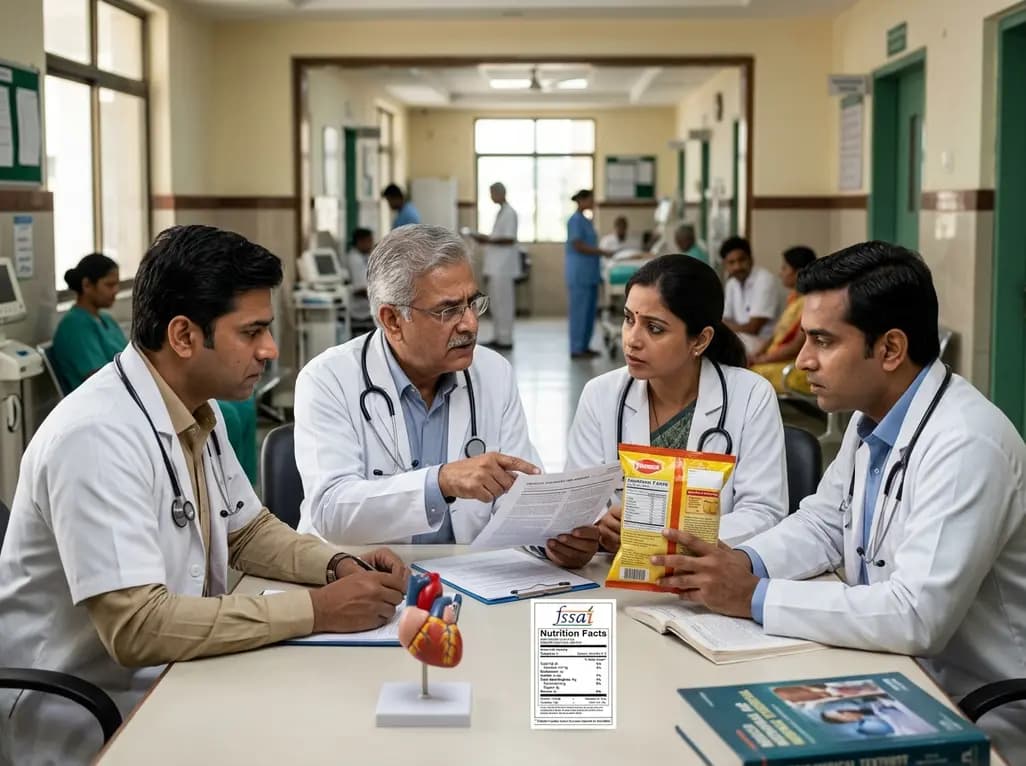
Over 60 international public health researchers have advised FSSAI to mandate front-of-pack warning labels for any packaged product high in even one critical nutrient: sugar, saturated fat, or sodium. This reform counters phased rollouts to accelerate consumer protection and address India's chronic disease burden.
Today
