.webp&w=384&q=75)

Loading, please wait...
Loading, please wait...

Work-integrated learning serves as a cornerstone of dental education, effectively preparing students for the complexities of professional practice. A recent scoping review explored the diverse factors influencing student experiences during dental work-integrated placements in Australia, New Zealand, and Fiji. The findings reveal critical insights into how clinical environments shape the next generation of dentists. Ultimately, these placements bridge the gap between theoretical knowledge and real-world clinical application.
Positive clinical experiences often hinge on the quality of the learning environment. Students reported that their placements significantly improved clinical competence and professional confidence. Working independently allowed them to apply their skills directly to patient care. Furthermore, strong relationships with clinical educators fostered the development of social capital. These positive connections provide essential mentorship, which helps students navigate the difficult transition from the classroom to the clinic. Consequently, supportive supervision remains a top predictor of student satisfaction and success.
Despite the many benefits, several barriers can hinder student progress during dental work-integrated placements. The review identified harassment as a significant concern, which necessitates better training and more robust reporting mechanisms. Additionally, infrastructure gaps and accommodation issues often pose challenges, particularly for those on rural rotations. Students also reported that being away from family or urban centers impacted their overall wellbeing. Therefore, educational institutions must prioritize resources that support students facing these logistical and emotional hurdles.
To optimize the impact of clinical training, supportive supervision must remain paramount. Clinical tutors who offer constructive feedback and encouragement help students persevere through difficult tasks. Moreover, universities should evaluate interventions that address harassment and financial stress. Future research must continue to explore these themes to ensure clinical placements remain a safe and effective learning space for all. Notably, identifying these factors is the first step toward building a more resilient dental workforce.
Placements enhance clinical competence, build professional confidence, and allow students to develop social capital through mentorship from experienced educators.
Barriers include potential harassment, lack of adequate infrastructure, and the emotional impact of social isolation or being away from home.
Effective supervision ensures patient safety while guiding students to reflect on their skills, integrate knowledge, and achieve clinical autonomy.
Disclaimer: This content is for informational and educational purposes only. It does not constitute professional medical advice, diagnosis, or treatment. Refer to the latest local and national guidelines for clinical practice.
References
Aulsebrook N et al. Factors Affecting Student Experiences on Work-Integrated Placements-A Scoping Review of Trans-Tasman Studies. Eur J Dent Educ. 2026 Mar 29. doi: 10.1111/eje.70142. PMID: 41904658.
Jamshed A et al. Delivering effective dental education during clinical placements: the JCU experience. Faculty of Dental Surgery. 2025.
Luu X et al. The impact of mandatory work-integrated learning placements on university student wellbeing in Australia and Aotearoa New Zealand: a scoping review. Studies in Higher Education. 2026.

Read summarized clinical updates, watch expert medical content, and earn CME certifications right from your smartphone.
Open your smartphone camera to scan and install.





A scoping review highlights the enablers and barriers affecting student experiences during dental work-integrated placements in Australasia....
6 months ago

Novel glucose-responsive mPEG-PSA nanocarriers deliver insulin aspart on demand, achieving dual postprandial and basal glycemic control without hypoglycemia in diabetic models. This biomaterial breakthrough offers promising clinical implications for physiologic diabetes management.
Today
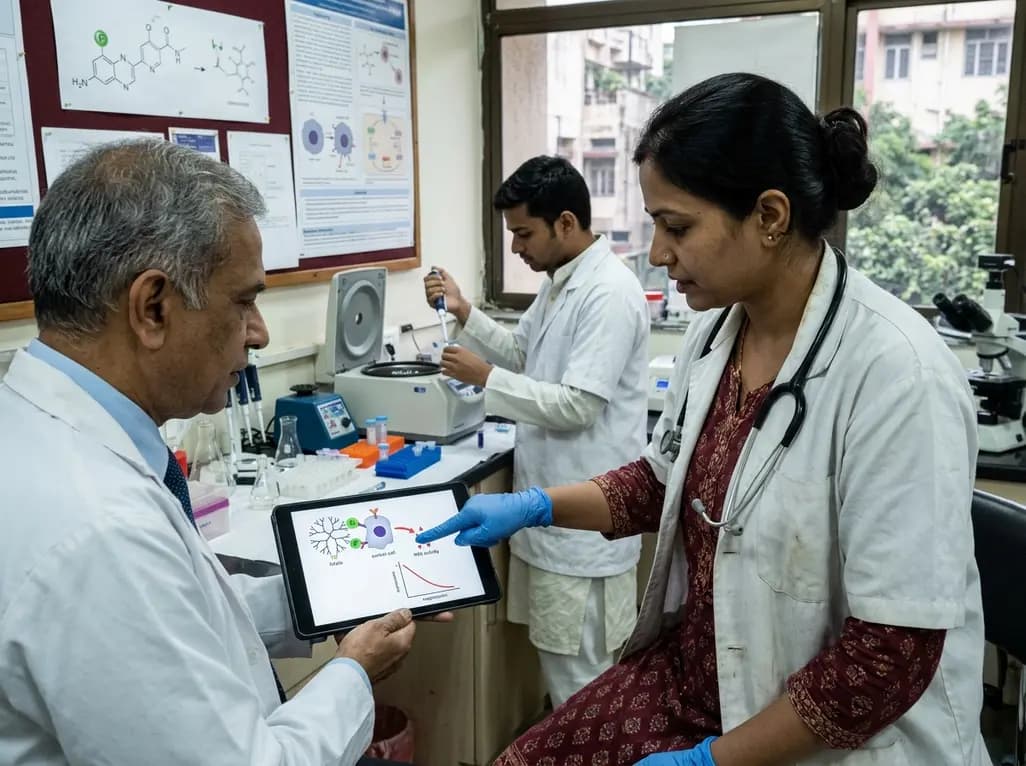
A novel folate-conjugated tecto-dendrimer nanoplatform successfully delivers siRNA to achieve targeted HK2 silencing, disrupting ovarian cancer glycolysis and suppressing lactate output.
Today
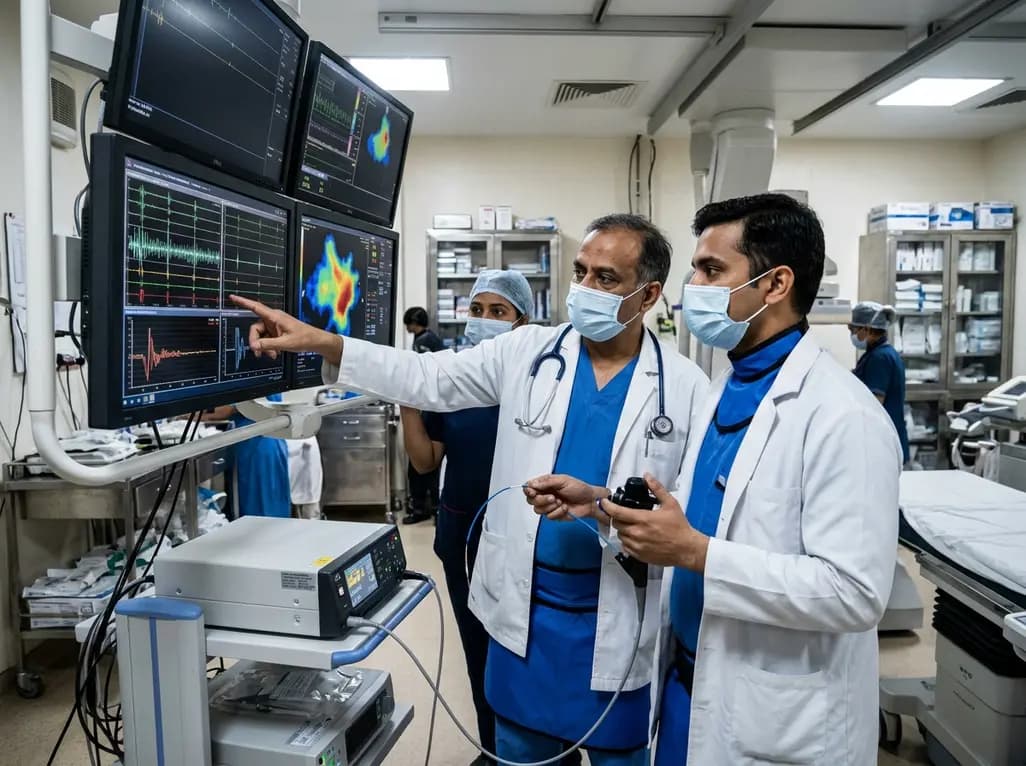
A comparative non-contact study reveals that high-power radiofrequency delivery with the QDOT MICRO catheter induces an artifactual contact force rise. Electrophysiologists must understand this power-dependent thermal and electrical phenomenon to avoid inadvertent catheter withdrawal and ineffective ablation.
Today

A novel proof-of-concept study presents a six-degree-of-freedom articulated manikin neck equipped with linear potentiometers. The system provides real-time kinematic motion feedback during cervical immobilisation, delivering sub-degree tracking accuracy to improve pre-hospital trauma training and patient safety.
Today

A retrospective comparative cohort study evaluated genitourinary safety in HFpEF between dapagliflozin and empagliflozin over six months. Rates of symptomatic UTI and asymptomatic bacteriuria showed no statistically significant differences, supporting comparable safety profiles across both SGLT2 inhibitors.
Today
