.webp&w=384&q=75)

Loading, please wait...
Loading, please wait...

Effective traumatic dental injuries management is a crucial skill for every dental practitioner. However, many graduating students feel unprepared for these emergencies. A recent study involving fourth-year students at the University of Queensland assessed their knowledge and confidence levels. While knowledge of primary dentition was relatively high, significant gaps appeared regarding permanent tooth avulsions. Most students demonstrated average knowledge, yet a staggering 83.9% reported low confidence in handling these cases.
Successful traumatic dental injuries management requires both theoretical knowledge and practical clinical exposure. The IADT 2020 guidelines emphasize different protocols for primary and permanent teeth. For instance, clinicians should never replant primary teeth to avoid damaging the underlying permanent tooth germ. Conversely, permanent tooth avulsion constitutes a true dental emergency where immediate replantation is the treatment of choice. Students struggle most with these high-pressure scenarios. This highlights a critical need for more preclinical simulations in undergraduate curricula.
Furthermore, improving dental training can bridge the gap between knowledge and practice. Educators should integrate more hands-on training to boost student confidence. Additionally, postgraduate clinical exposure remains essential for mastering complex trauma cases. Consequently, future dentists will be better equipped to handle pediatric dental trauma effectively. This ensures better long-term outcomes for young patients.
The time the tooth spends out of the mouth and the storage medium are the most critical factors. Immediate replantation offers the best prognosis for periodontal ligament healing.
Replanting a primary tooth can cause further trauma to the developing permanent tooth bud. Observation or extraction is the preferred approach for primary tooth injuries.
Students should engage in preclinical simulations and stay updated with the latest IADT guidelines. Increased clinical exposure during undergraduate years also helps build essential confidence.
Disclaimer: This content is for informational and educational purposes only. It does not constitute professional medical or dental advice. Always seek the advice of a qualified healthcare provider with any questions you may have regarding a medical condition. Refer to the latest local and national guidelines for clinical practice.
References
Zafar S et al. How Well Are Dental Students Equipped to Handle Traumatic Dental Injuries in Children? Aust Endod J. 2026 Apr 06. doi: 10.1111/aej.70074. PMID: 41937729.
Levin L et al. International Association of Dental Traumatology guidelines for the management of traumatic dental injuries: General introduction. Dent Traumatol. 2020;36(4):309-313.
Bourguignon C et al. International Association of Dental Traumatology guidelines for the management of traumatic dental injuries: 1. Fractures and luxations. Dent Traumatol. 2020;36(4):314-330.

Read summarized clinical updates, watch expert medical content, and earn CME certifications right from your smartphone.
Open your smartphone camera to scan and install.





Dental students show gaps in managing traumatic dental injuries, especially tooth avulsion. Discover insights into improving TDI management and education....
6 months ago
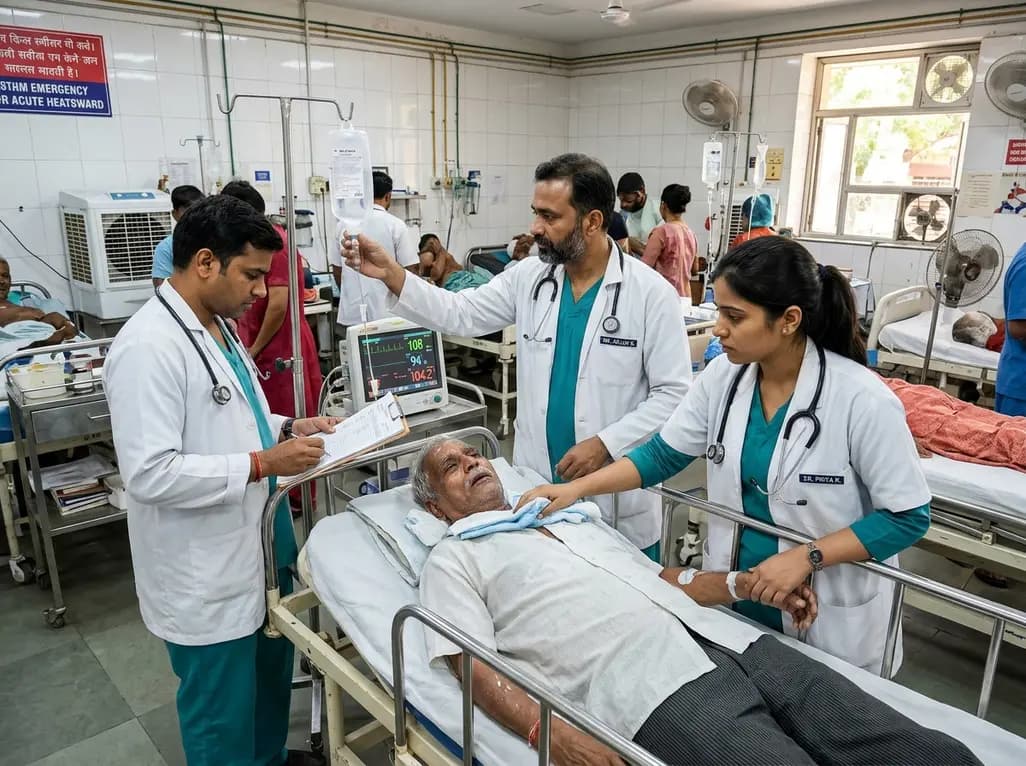
Recent epidemiological data reveals a dramatic surge in summer heat mortality driven by human-induced climate warming. This analysis explores the pathophysiological impacts on cardiac and renal systems, diagnostic dilemmas in death certification, and essential emergency cooling protocols for acute clinical care.
Today
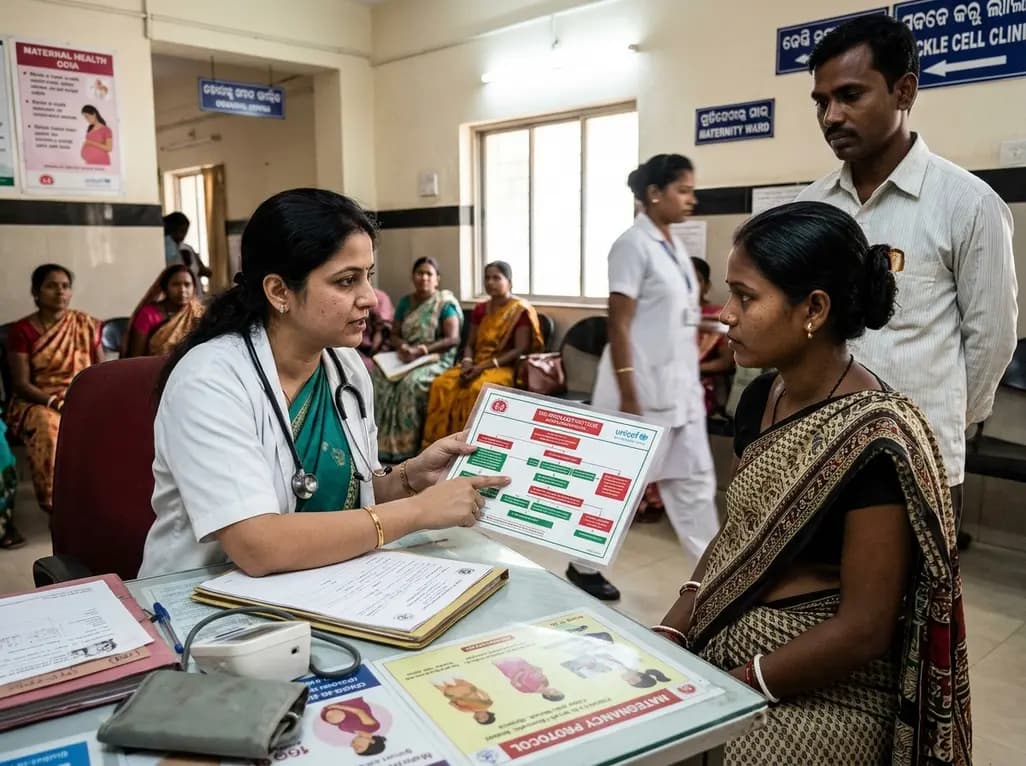
Odisha has established India's first state-level clinical protocol specifically tailored for pregnant women with sickle cell disease. Developed with NHM and UNICEF, the framework provides structured antenatal screening, crisis mitigation, standardized referral pathways, and specialized interdisciplinary care.
Today

India is advancing preventive healthcare by integrating genomics, artificial intelligence, and quantum technologies. With the SANGAM programme sequencing one million Indian genomes, clinicians can unlock personalized therapies, detect cardiometabolic risks early, and curb the burden of diabetes and heart disease.
Today
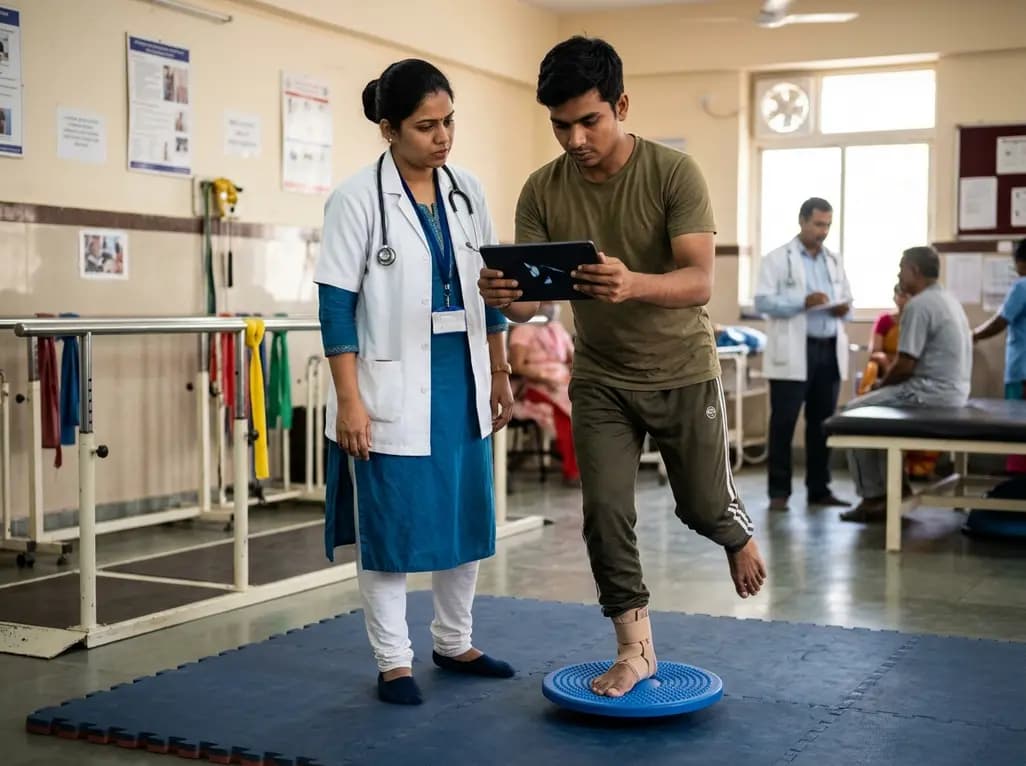
A randomized controlled trial demonstrates that an eight-week dual-task training intervention significantly improves static and dynamic postural control over standard balance exercises in individuals with chronic ankle instability, addressing critical neurocognitive deficits during athletic and daily activities.
Today

A retrospective cohort study of 7,716 ICU patients from the MIMIC-IV database demonstrates that Gradient Boosting Decision Trees significantly outperform traditional SOFA scores in predicting in-hospital mortality among patients with sepsis and diabetes, with SHAP analysis providing clinical interpretability.
Today
