.webp&w=384&q=75)

Loading, please wait...
Loading, please wait...
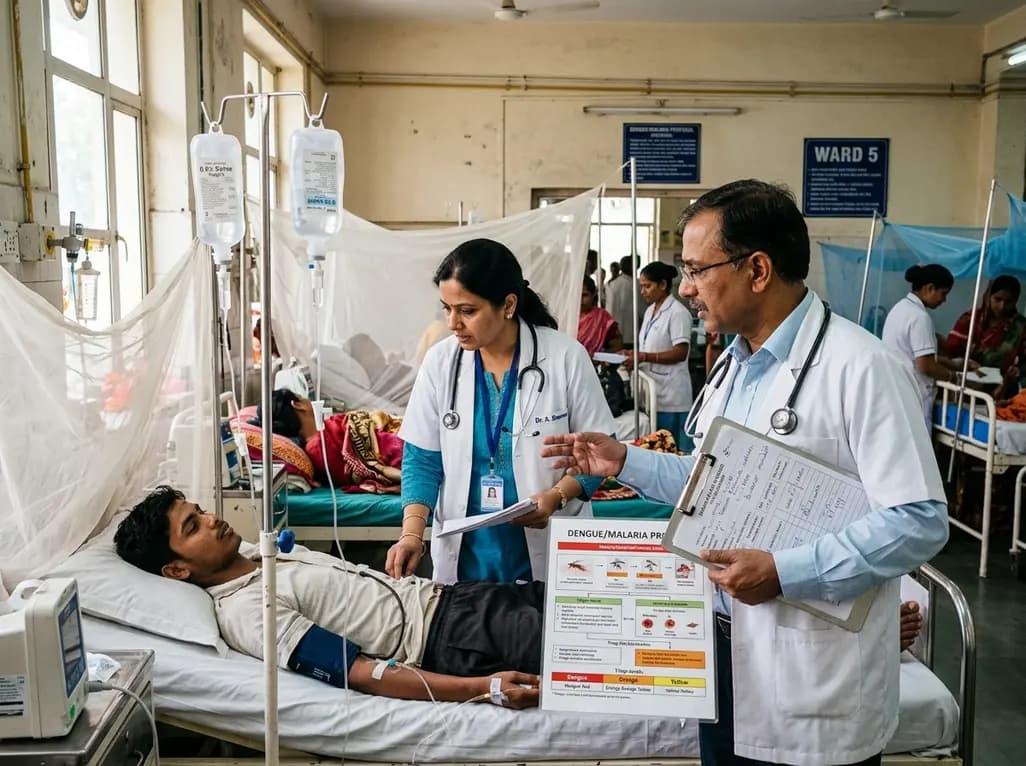
Recent municipal surveillance data highlights an ongoing surge in dengue and malaria cases across the National Capital Territory. Consequently, primary care physicians and emergency clinicians must enhance clinical vigilance during this post-monsoon transmission window. Early identification remains vital to prevent life-threatening complications, optimize hospital resource utilization, and minimize preventable hospital admissions. Furthermore, distinguishing between overlapping vector-borne presentations requires structured diagnostic pathways and timely fluid interventions.
According to recent reports from the Municipal Corporation of Delhi, the city registered 799 dengue and 294 malaria cases this year. Furthermore, health authorities documented 32 chikungunya infections over the same duration. Disease incidence accelerated sharply during early autumn. Specifically, October witnessed 98 dengue cases in the first week and 104 infections in the second week. Similarly, malaria cases rose from 23 to 28 across these consecutive periods.
Importantly, healthcare institutions have recorded zero fatalities associated with these vector-borne infections so far. Nevertheless, civic teams have intensified preventative interventions across urban localities. Field workers completed more than 29 lakh house inspections to discover active mosquito breeding habitats. Consequently, authorities identified nearly 1.98 lakh domestic premises harboring mosquito larvae.
Additionally, administrative officials issued 1.37 lakh legal notices to property owners who maintained unsanitary domestic conditions. The municipality also initiated 23,829 formal prosecutions and levied 15,656 fiscal penalties. Meanwhile, municipal teams performed chemical spraying in nearly 3.5 lakh homes to disrupt mosquito life cycles. Therefore, clinicians must recognize that local transmission remains active, requiring systematic evaluation of all febrile patients.
Patients presenting with acute undifferentiated febrile illness require prompt diagnostic differentiation. For instance, dengue virus infection classically produces retro-orbital pain, high-grade continuous pyrexia, severe myalgia, and leukopenia. In contrast, malaria typically induces cyclical paroxysms characterized by sequential cold, hot, and sweating stages. Moreover, chikungunya virus causes intense peripheral polyarthralgia that predominantly affects small joints.
Clinicians must order appropriate confirmatory diagnostics immediately during presentation. Specifically, practitioners should request dengue non-structural protein 1 (NS1) antigen assays within the initial five days of fever. Subsequently, serological testing for dengue IgM antibodies becomes informative after day five. In comparison, physicians should confirm malaria through peripheral blood smear examination or bivalent rapid diagnostic kits.
Furthermore, clinicians should never overlook coinfections in endemic settings. A patient residing in high-risk zones can acquire dual infections simultaneously. Therefore, baseline evaluations must include complete blood counts to evaluate hemoconcentration and platelet trajectories. Physicians must identify thrombocytopenia early, but hematocrit shifts provide a superior marker for plasma leakage. Accordingly, meticulous initial triage enables timely identification of high-risk patients before physiological deterioration begins.
Effective dengue management hinges on recognizing the transition from the febrile phase to the critical phase. This critical phase typically coincides with defervescence between day three and day seven of illness. Therefore, clinicians must educate outpatients regarding clinical warning signs. These critical signs include severe abdominal pain, persistent vomiting, mucosal bleeding, clinical fluid accumulation, and progressive lethargy.
Consequently, patients demonstrating warning signs require immediate hospitalization for hemodynamic monitoring. Clinicians should administer isotonic crystalloid solutions such as normal saline or Ringer lactate at titrated rates. For example, national guidelines recommend initiating fluids at 5 to 7 mL per kilogram per hour. Practitioners must progressively taper infusion rates as clinical parameters and hematocrit levels stabilize.
Moreover, medical teams must exercise extreme caution regarding blood component therapy. Routine prophylactic platelet transfusions remain counterproductive and expose patients to unnecessary transfusion-related acute lung injuries. Therefore, guidelines reserve platelet transfusions exclusively for profound thrombocytopenia with active, life-threatening hemorrhagic manifestations. In addition, aggressive fluid overload presents a significant clinical hazard during recovery. Thus, physicians should discontinue intravenous fluids promptly once plasma leakage abates.
National vector guidelines mandate parasitological confirmation prior to initiating antimalarial chemotherapy. Clinicians should eliminate presumptive therapy because improper medication regimens accelerate drug resistance. For confirmed Plasmodium vivax infections, physicians should prescribe chloroquine over three consecutive days. Additionally, clinicians must administer primaquine at 0.25 mg per kilogram daily for 14 days to eliminate dormant hypnozoites.
However, clinicians must screen male patients for glucose-6-phosphate dehydrogenase deficiency before initiating primaquine therapy. If severe deficiency exists, primaquine can precipitate devastating acute intravascular hemolysis. Furthermore, clinicians must manage Plasmodium falciparum using artemisinin-based combination therapy. Specifically, national protocols mandate oral artesunate plus sulfadoxine-pyrimethamine in most Indian states, while northeastern territories utilize artemether-lumefantrine.
In addition, physicians treating severe falciparum malaria must initiate intravenous artesunate without delay. Clinicians should administer parenteral artesunate at zero, twelve, and twenty-four hours until oral intake resumes safely. Meanwhile, healthcare teams must rigorously monitor blood glucose levels to prevent catastrophic hypoglycemia. Therefore, strict adherence to national protocols ensures complete parasite clearance while safeguarding patients against preventable adverse drug reactions.
Municipal reports emphasize that institutional clinical care must integrate with robust community prevention. Aedes aegypti mosquitoes breed predominantly in artificial domestic water containers. Consequently, public health inspectors focus on uncleaned desert coolers, open overhead tanks, and stagnant construction puddles. Similarly, Anopheles species proliferate in freshwater collections across urban construction sites.
Therefore, medical practitioners maintain a statutory obligation to report all diagnosed cases to the Integrated Disease Surveillance Programme. Rapid notification triggers targeted focal insecticide spraying and larvicidal operations in affected residential neighborhoods. Furthermore, clinicians should provide actionable preventive counseling to every convalescent patient. For instance, doctors should recommend wearing long-sleeved clothing and utilizing approved mosquito repellents containing DEET or picaridin.
Additionally, families should deploy insecticide-treated bed nets to protect sleeping infants and elderly relatives. Clinicians should also encourage community members to inspect residential premises weekly for standing water. By eliminating domestic breeding reservoirs, neighborhoods can dramatically curtail vector population densities. In summary, vigilant medical surveillance combined with comprehensive civic enforcement provides the only reliable defense against recurrent seasonal epidemics.
Q1: How should clinicians differentiate early dengue from malaria in outpatient settings?
Clinicians should evaluate specific clinical patterns and rapid diagnostic tests. Dengue fever typically presents with high continuous fever, retro-orbital pain, severe myalgia, and early leukopenia. In contrast, malaria produces classic periodic paroxysms with shaking chills, spikes of fever, and drenching sweats. Therefore, physicians must immediately order a complete blood count, dengue NS1 antigen test, and peripheral blood smear or bivalent rapid diagnostic test for definitive differentiation.
Q2: What are the key fluid resuscitation principles for dengue patients with warning signs?
Physicians must administer isotonic crystalloid solutions, preferably normal saline or Ringer lactate, based on serial hematocrit values. Clinicians typically initiate fluid therapy at 5 to 7 mL per kilogram per hour for two hours. Subsequently, teams reduce the rate to 3 to 5 mL per kilogram per hour as vital signs stabilize. Furthermore, clinicians must avoid fluid overload by stopping intravenous infusions once plasma leakage resolves and hematocrit normalizes.
Q3: When is primaquine contraindicated during malaria management?
Primaquine is strictly contraindicated in pregnant women, infants under six months of age, and breastfeeding mothers whose infants have unknown enzyme status. Additionally, physicians must avoid standard primaquine regimens in individuals with known severe glucose-6-phosphate dehydrogenase deficiency. In these vulnerable patients, primaquine exposure can induce severe acute intravascular hemolysis, hemoglobinuria, and renal injury. Therefore, clinicians must verify enzymatic status or employ modified weekly dosing under close clinical supervision.
Disclaimer: This content is for informational and educational purposes only. It does not constitute medical advice or replace professional judgment. Refer to the latest local and national guidelines for clinical practice.
References

Read summarized clinical updates, watch expert medical content, and earn CME certifications right from your smartphone.
Open your smartphone camera to scan and install.





The Municipal Corporation of Delhi reported 799 dengue and 294 malaria infections this year, signaling an active post-monsoon transmission phase. This clinical review details critical triage protocols, differential laboratory testing, fluid resuscitation pathways, and vector containment strategies for physicians.
Today
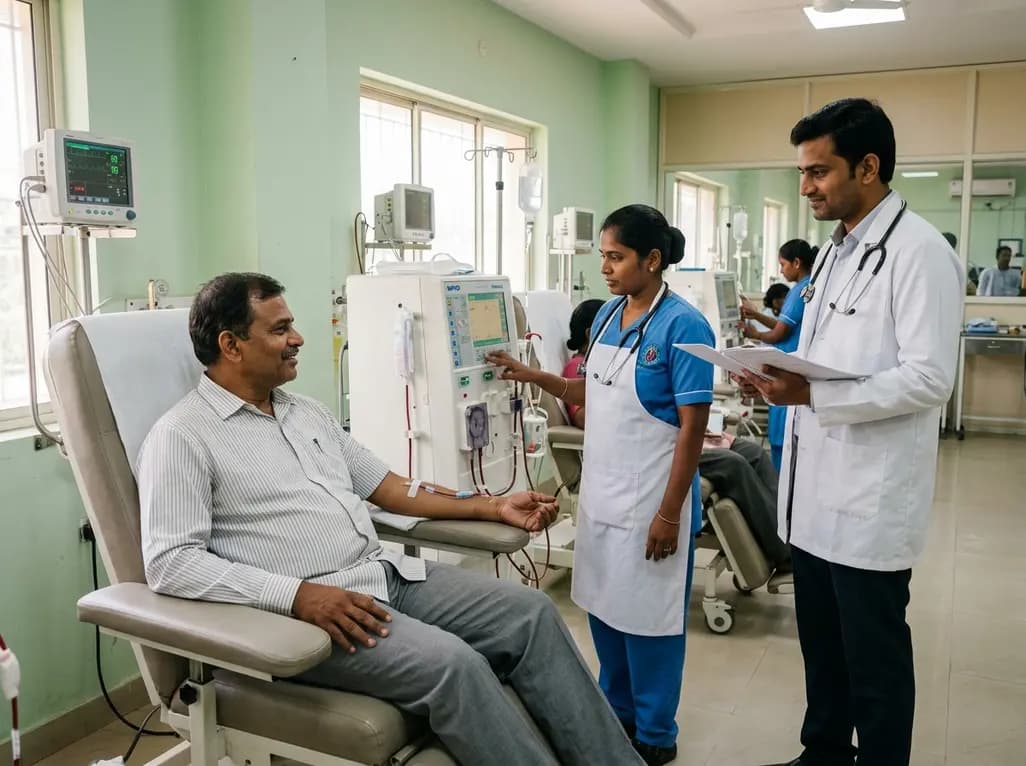
The Andhra Pradesh government is setting up 22 new dialysis units under the national program to broaden free renal replacement therapy. With high private care costs and growing end-stage renal disease cases, this decentralized expansion eases substantial financial and logistical burdens for rural kidney patients.
Today

The government of Maharashtra is establishing a novel state-level Living Lab to elevate clinical outcomes, bridge public-private service gaps, and test real-world health interventions. By integrating digital innovations and frontline feedback, the platform fosters sustainable, equitable care models across communities.
Today
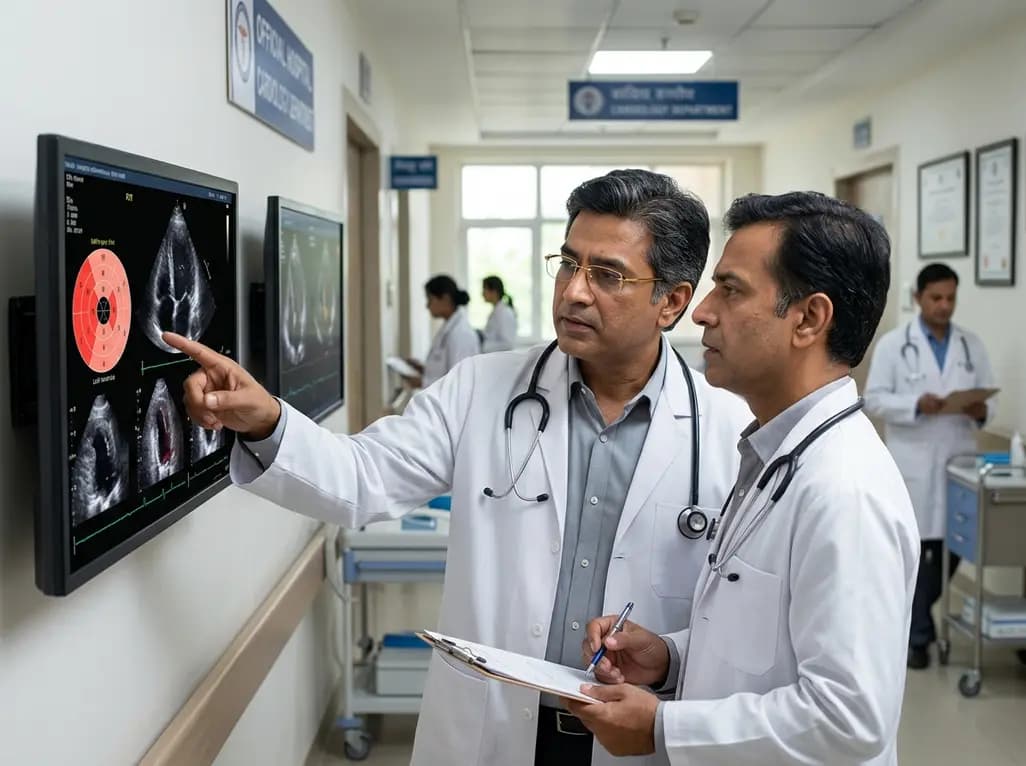
Cardiac involvement is the leading cause of mortality in EGPA. This report highlights an overlap phenotype of lymphocyte-predominant myocardial injury, Takotsubo-like cardiomyopathy, and left ventricular thrombus, emphasizing early multimodality diagnostics and aggressive immunosuppressive biologic therapy.
Today

A landmark biomechanical study demonstrates that sports bra support and running shoe cushioning interact significantly to influence tibial acceleration, breast motion, and comfort in female runners, providing crucial insights for clinical counseling in sports medicine and women's health.
Yesterday

A systematic review and meta-analysis of 5,406 participants reveals that tirzepatide significantly reduces hsCRP by 34.3%, improves cardiorenal biomarkers, and enhances functional capacity and exercise endurance in patients with heart failure.
Today
