.webp&w=384&q=75)

Loading, please wait...
Loading, please wait...
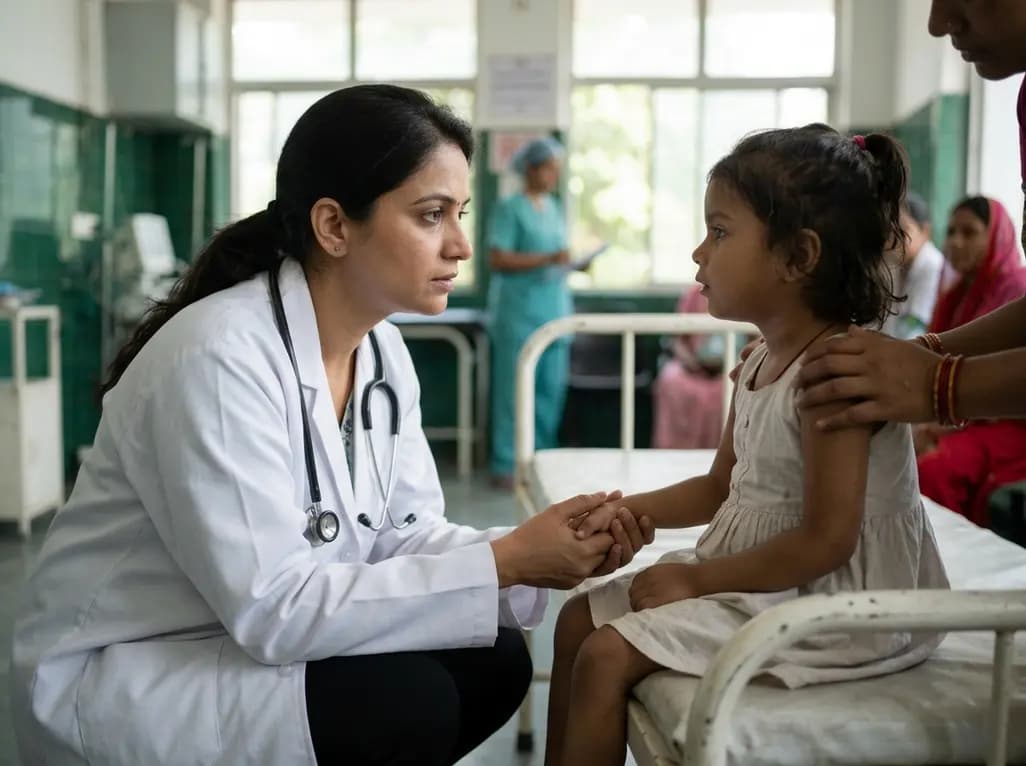
A legal petition in the Delhi High Court highlights the challenges of families managing rare genetic disorders. Specifically, the father of a three-year-old girl has requested the immediate release of government funds. His daughter suffers from LRBA deficiency, which is a rare and severe immunodeficiency disorder. Consequently, doctors have recommended a life-saving bone marrow transplant.
This genetic condition impairs the immune system and leaves patients vulnerable to life-threatening infections. Furthermore, the estimated cost of the transplant is approximately Rs 40 lakh. Although the family qualifies for rare disease policy assistance, the government has not released the money. Therefore, the father has sought judicial intervention to save his daughter's life.
Initially, the child experienced recurrent fever episodes and a sharp decline in hemoglobin levels shortly after birth. Subsequently, she underwent multiple blood and platelet transfusions as her condition deteriorated. Doctors at AIIMS Delhi first suspected toxicity due to high metal levels. However, experts at CMC Vellore later suspected Autoimmune Lymphoproliferative Syndrome (ALPS). Ultimately, a Whole Genome Test in July 2025 confirmed the diagnosis of LRBA deficiency.
This condition is caused by a compound heterozygous mutation in the LRBA gene. It severely impairs the body's ability to regulate immune responses. Consequently, patients suffer from severe infections and multi-system autoimmune complications. Doctors eventually concluded that an allogeneic hematopoietic stem cell transplant is the only curative option.
Under the National Policy for Rare Diseases 2021, patients can receive financial assistance of up to Rs 50 lakh. Originally, this limit was set at Rs 20 lakh. However, the Ministry of Health and Family Welfare enhanced it in May 2022 to provide better clinical coverage.
Unfortunately, administrative delays often hinder the timely release of these vital funds. Since government tertiary centers lack specialized transplant facilities in this case, private care became necessary. The father exhausted his savings on initial treatments and diagnostics. Therefore, he petitioned the court for direct payment to the treating hospital. This legal step underscores the urgent need for a streamlined funding mechanism to prevent clinical deterioration in rare cases.
Q1: What is LRBA deficiency and why does it require a transplant?
LRBA deficiency is a rare genetic disorder that severely impairs immune system regulation. This condition causes recurrent infections and autoimmune issues. Currently, a bone marrow transplant is the only curative treatment available for affected patients.
Q2: How much financial aid does the National Policy for Rare Diseases 2021 provide?
The policy currently offers financial assistance of up to Rs 50 lakh per patient. Initially, the limit was Rs 20 lakh. However, the government enhanced the support amount in May 2022 to cover extensive treatments.
Q3: Why are cases like this referred to the High Court?
Families often face critical administrative delays in receiving sanctioned funds. Consequently, they seek judicial intervention to expedite the release of money, especially when life-saving treatments cannot be delayed.
Disclaimer: This content is for informational and educational purposes only. It does not constitute medical advice or replace professional judgment. Refer to the latest local and national guidelines for clinical practice.
References

Read summarized clinical updates, watch expert medical content, and earn CME certifications right from your smartphone.
Open your smartphone camera to scan and install.





A Delhi High Court petition seeks immediate government funds under the rare disease policy for a 3-year-old girl requiring a bone marrow transplant....
4 months ago

Following regulatory scrutiny from FSSAI regarding promotional representations and lean muscle preservation claims, Dr. Reddy's Laboratories and Nestlé Health Science are currently reviewing the branding and marketing strategy for their joint nutritional supplement Celevida GLP+.
Today
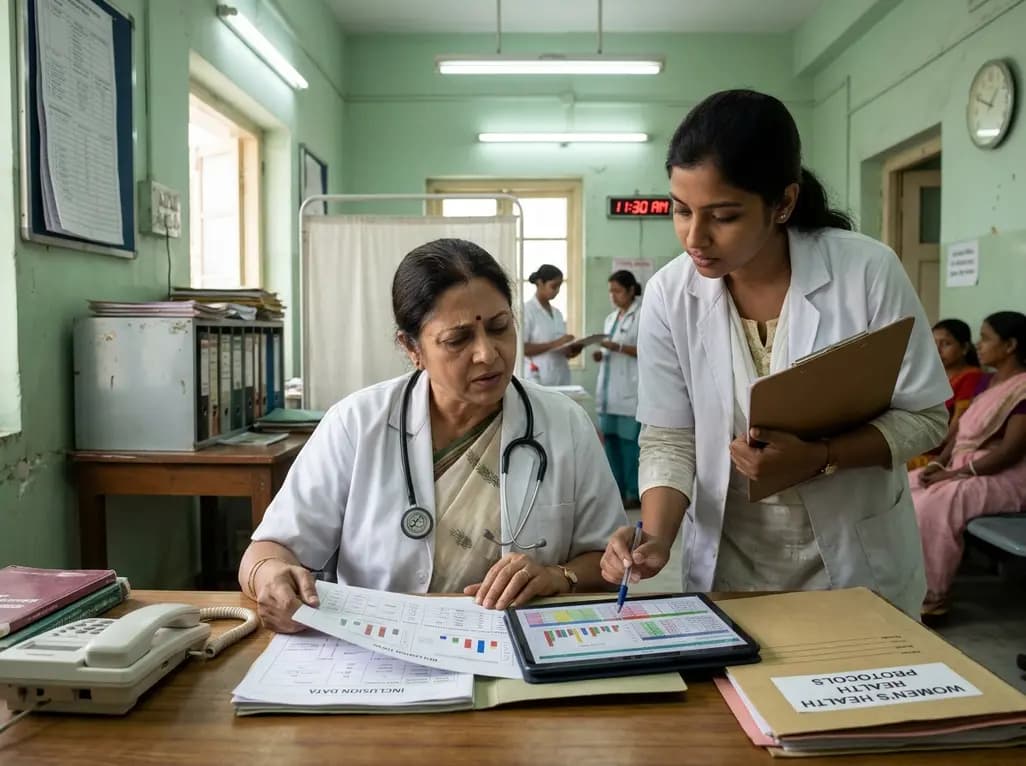
Demanding exhaustive hormonal profiling can inadvertently discourage clinical studies involving females. Methodological standards must align with the specific scientific question to expand, not restrict, equitable evidence for women.
Today

The Directorate General of Health Services directs Indian states to halt the hazardous reuse and reprocessing of single-use medical devices. Discover regulatory implications under the Drugs and Cosmetics Act, critical infection risks, legal liabilities, and operational changes required across clinical specialties.
Today
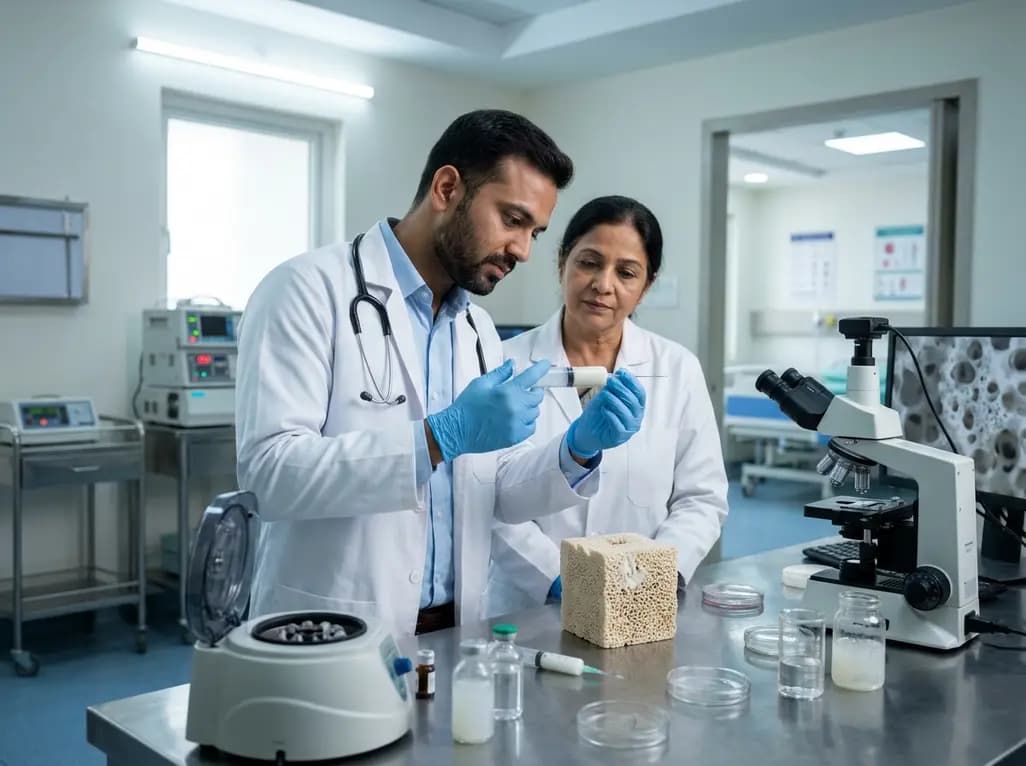
A novel calcium polyphosphate coacervate enables injectable bone implants with in situ hierarchical porosity via phase separation and gas foaming, significantly enhancing cell proliferation, energy metabolism, and osteogenic differentiation for minimally invasive bone defect repair.
Today

India is advancing preventive healthcare by integrating genomics, artificial intelligence, and quantum technologies. With the SANGAM programme sequencing one million Indian genomes, clinicians can unlock personalized therapies, detect cardiometabolic risks early, and curb the burden of diabetes and heart disease.
Today
