.webp&w=384&q=75)

Loading, please wait...
Loading, please wait...
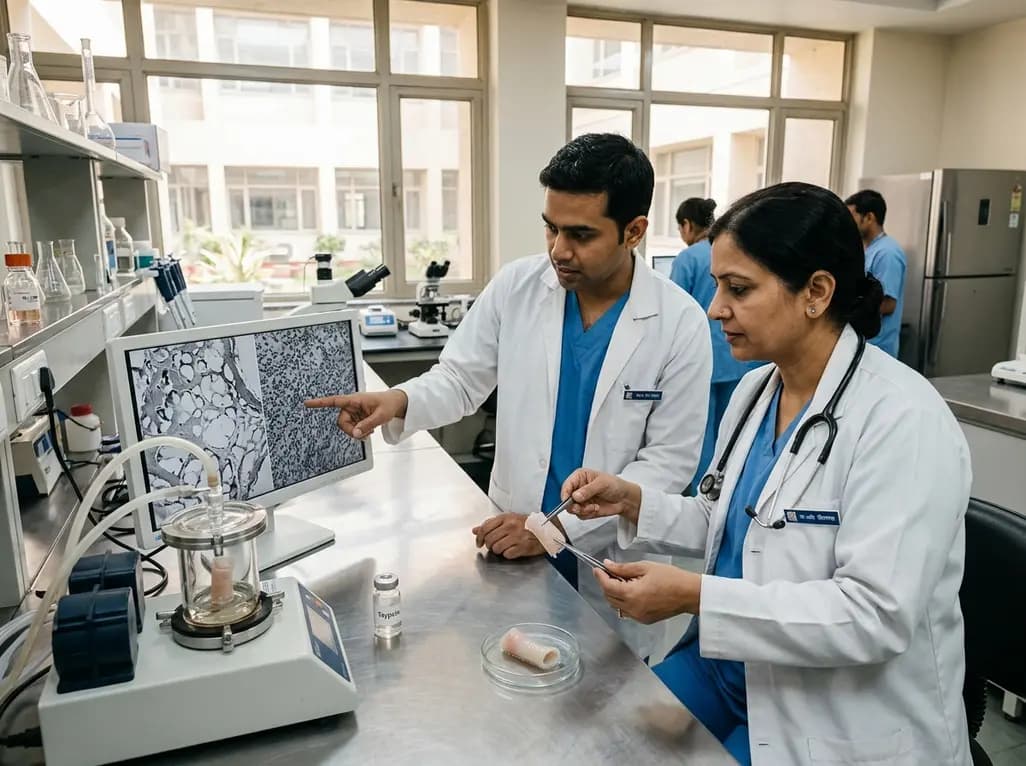
Long-segment tracheal defects from trauma, stenosis, or airway tumors present immense challenges for reconstructive surgeons. Conventional surgical resections reach anatomical limits when defects exceed half the tracheal length in adults. Consequently, researchers actively investigate tissue-engineered solutions to restore airway continuity. Among these innovative approaches, decellularized tracheal scaffolds have emerged as leading candidates because they retain native extracellular matrix architecture and biomechanical strength.
Reconstructive surgeons routinely encounter severe difficulties when managing extensive tracheal lesions. Currently, primary end-to-end anastomosis serves as the standard clinical approach for short segmental defects. However, excessive anastomotic tension inevitably arises when surgeons attempt to resect segments longer than five centimeters. This mechanical tension precipitates disastrous complications, including anastomotic dehiscence, restenosis, and fatal innominate artery fistula formation.
In addition, synthetic prosthetic conduits have largely failed in clinical practice. These artificial prostheses frequently cause chronic microbial colonization, anastomotic disruption, and erosion into adjacent great vessels. Similarly, allograft transplantation requires long-term systemic immunosuppression, which increases host vulnerability to severe opportunistic infections. Therefore, regenerative medicine focuses on developing biocompatible scaffolds derived from donor tissues. Scientists must eliminate all cellular immunogens while maintaining functional structural stability. Ultimately, achieving complete decellularization without destroying delicate extracellular matrix components remains the primary hurdle in airway engineering.
Trypsin functions as a potent serine protease that specifically cleaves peptide bonds at lysine and arginine residues. Consequently, this enzymatic action detaches cell adhesions from the basement membrane and effectively lyses cellular components. However, prolonged exposure to high concentrations of enzymatic proteases can severely compromise scaffold structural integrity. Excessive enzymatic digestion degrades functional elastin and collagen networks, which reduces the radial rigidity of tracheal rings.
Furthermore, standard passive immersion decellularization requires several days to achieve acceptable cell clearance. This extended duration often leads to progressive loss of crucial sulfated glycosaminoglycans within the cartilaginous framework. Therefore, optimizing enzyme concentration and incubation duration represents a critical balancing act for tissue engineers. Recent experimental protocols evaluated trypsin concentrations ranging from 0.25% to 1.00% to identify the ideal window. Investigators determined that lower concentrations failed to clear nuclear material from dense hyaline cartilage. In contrast, calibrated proteolytic solutions effectively cleaved intracellular anchorages without disrupting the extracellular matrix. Thus, precise enzymatic titration ensures maximal cellular depletion while safeguarding necessary biological architecture.
Dense cartilaginous tissue presents an exceptionally tight physical barrier against chemical and enzymatic penetration. Specifically, the compact extracellular matrix of tracheal cartilage rings prevents passive diffusion of therapeutic enzymes into deeper layers. To overcome this biophysical limitation, investigators incorporated negative-pressure vacuum technology into the decellularization protocol. The application of continuous vacuum pressure generates substantial mechanical pressure gradients across the dense tissue walls.
Consequently, vacuum-assisted forces drive trypsin solution deep into the core of dense chondrocyte lacunae. Furthermore, this negative-pressure environment rapidly dislodges and extracts insoluble cellular fragments and fragmented genomic material. Traditional immersion protocols without vacuum assistance leave significant cellular residues embedded inside central cartilage rings. In contrast, combining vacuum pressure with 1.00% trypsin achieves comprehensive decellularization within just 24 hours. Additionally, this accelerated timeline minimizes the risk of bacterial contamination during tissue preparation. Therefore, the synergy between vacuum forces and enzymatic digestion optimizes permeation kinetics without inducing mechanical trauma to the airway matrix.
Rigorous preclinical standards mandate strict thresholds for residual genomic debris before biological scaffolds enter clinical translation. Specifically, expert consensus guidelines dictate that residual double-stranded DNA must remain below 50 nanograms per milligram of dry tissue weight. In this experimental model, the vacuum-assisted 1.00% trypsin protocol reduced residual DNA to 59.73 ± 4.86 ng/mg within 24 hours. Although slightly above the 50 ng/mg guideline, this concentration approached established thresholds far more effectively than non-vacuum controls.
Moreover, histological evaluation confirmed the complete absence of visible intact nuclei within both mucosal and cartilaginous compartments. Quantitative biochemical assays also demonstrated outstanding preservation of essential extracellular matrix components, including collagen and sulfated glycosaminoglycans. Biomechanical testing further validated the functional viability of these engineered airway conduits. Tracheal grafts must withstand dynamic intrathoracic pressure fluctuations during respiration to prevent collapse. Crucially, the vacuum-treated scaffolds retained radial tensile strength and compressive elasticity comparable to native rabbit tracheas. Thus, the accelerated protocol removes immunogenic cellular materials while preserving the vital physical framework required for clinical implantation.
The development of rapidly processed biological scaffolds marks a crucial milestone for cardiothoracic and otolaryngologic surgery. In clinical practice, patients suffering from critical tracheal stenosis or extensive invasive tumors require timely surgical intervention. Traditional decellularization techniques that require weeks of preparation cannot serve urgent clinical needs. However, a rapid 24-hour vacuum-assisted process dramatically enhances the clinical feasibility of bioengineered graft preparation.
Furthermore, preserving extracellular matrix architecture accelerates host revascularization and luminal epithelialization following surgical implantation. Acellular scaffolds provide an ideal biological niche for seeding autologous respiratory epithelial cells and mesenchymal stem cells. Consequently, these patient-specific grafts reduce post-operative graft rejection and eliminate the need for lifelong immunosuppression. In addition, future research must validate these findings in large-animal orthotopic survival models before initiating human clinical trials. Researchers must also establish standardized, good manufacturing practice protocols for scalable human donor tissue banking. Ultimately, vacuum-assisted enzymatic processing represents a practical, scalable foundation for successful long-segment tracheal reconstruction.
Synthetic tracheal prostheses consistently fail in clinical practice because they lack vascularization and cannot support epithelial mucosal regeneration. Consequently, artificial conduits provoke chronic bacterial infections, granulation tissue formation, and catastrophic erosion into adjacent thoracic blood vessels. In contrast, decellularized biological scaffolds supply an innate extracellular matrix framework that promotes host cell migration, neovascularization, and physiological mucociliary clearance. Therefore, naturally derived scaffolds represent a safer and more durable reconstructive solution for extensive airway defects.
Tracheal cartilage possesses an exceptionally dense extracellular matrix that severely impedes the passive penetration of chemical and enzymatic detergents. Applying negative-pressure vacuum technology generates hydrostatic pressure differentials across tissue layers. As a result, this convective force propels trypsin deep into dense chondrocyte lacunae while simultaneously extracting entrapped cellular fragments. Consequently, vacuum assistance accelerates cell removal kinetics to just 24 hours, effectively preventing prolonged enzymatic degradation of essential matrix proteins and preserving graft biomechanics.
Preclinical guidelines establish that acellular scaffolds should ideally contain less than 50 nanograms of double-stranded DNA per milligram of dry tissue. Furthermore, DNA fragments must measure under 200 base pairs, with no visible nuclear material under standard histological staining. Scaffolds must also preserve native biomechanical compliance and structural glycosaminoglycans to prevent luminal collapse during ventilation. Meeting these rigorous biochemical criteria guarantees that the implant avoids adverse host immunogenicity and facilitates functional tissue integration.
Disclaimer: This content is for informational and educational purposes only... Refer to the latest local and national guidelines for clinical practice.
References

Read summarized clinical updates, watch expert medical content, and earn CME certifications right from your smartphone.
Open your smartphone camera to scan and install.





Repairing long-segment tracheal defects requires robust biografts. A novel vacuum-assisted trypsin decellularization protocol achieves optimal cell removal within 24 hours while maintaining mechanical integrity and extracellular matrix architecture, offering promising utility for reconstructive airway surgery.
Today
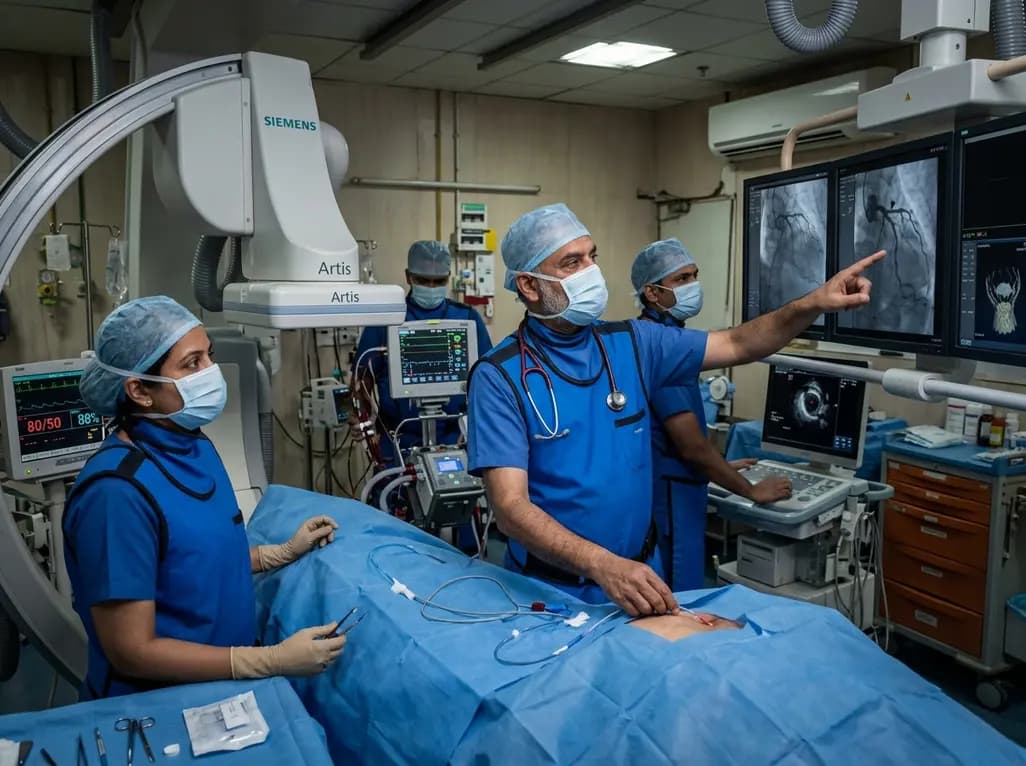
A rare case of acute coronary obstruction during TAVR caused by suspected calcified amorphous tumor embolization underscores the critical role of intracardiac imaging, emergency ECMO, and the paradox of enlarged-aperture valve geometry.
Today

Prelacteal feeding persists in South Asian communities despite known clinical risks. This review examines determinants from Chitral, pathophysiological hazards, and pediatric strategies to eliminate harmful feeds and support exclusive breastfeeding.
Today
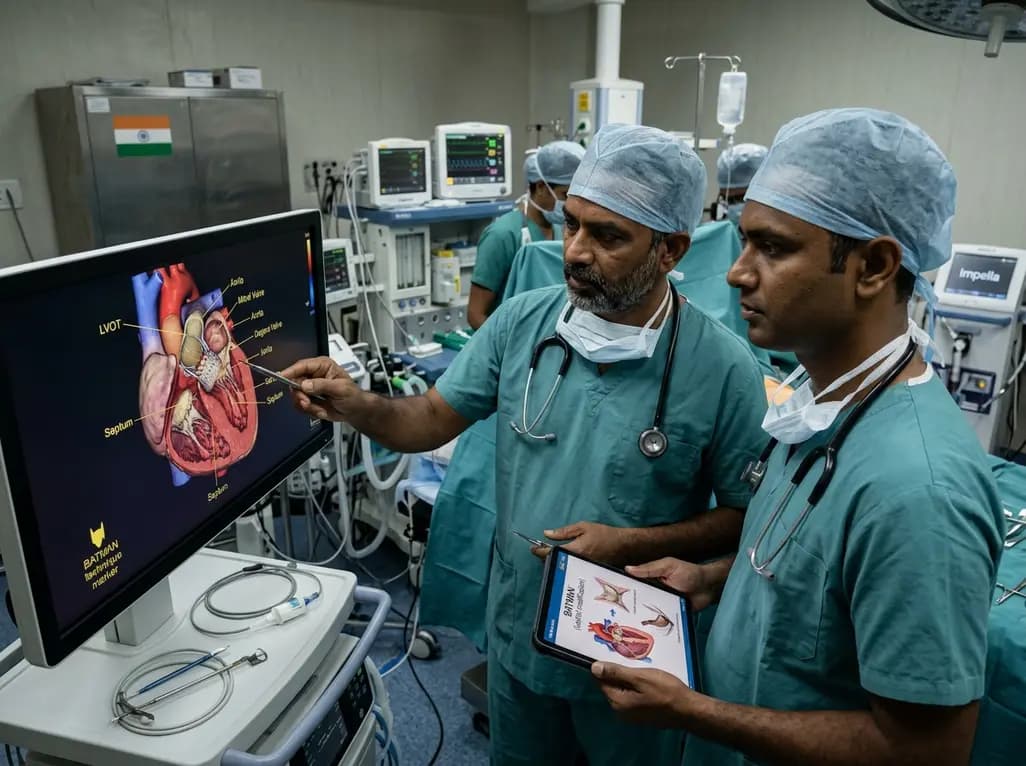
Transcatheter mitral valve replacement in patients with degenerated bioprostheses carries a substantial risk of LVOT obstruction. Combining leaflet modification via the BATMAN technique with mechanical circulatory support offers a viable, life-saving solution for anatomically challenging surgical candidates.
Today

A comparative cohort study demonstrates that patients undergoing total hip arthroplasty after prior hip arthroscopy achieve comparable functional recovery, low complication rates, and equivalent implant survivorship when conversion occurs after six months.
Today
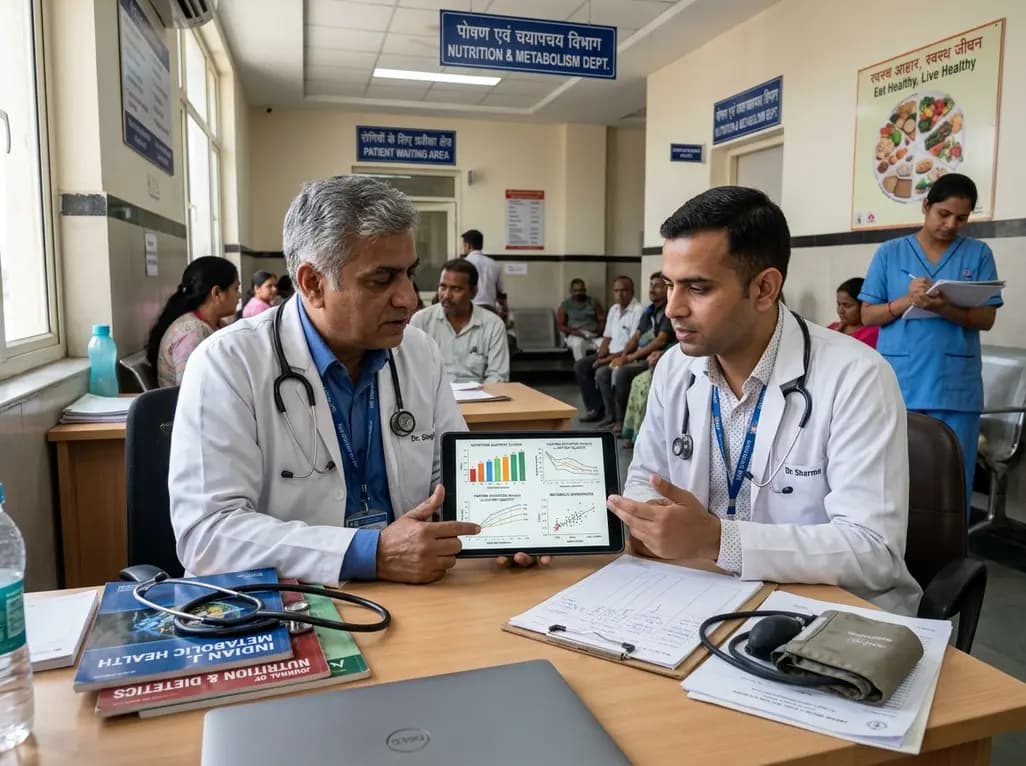
A cross-sectional study of 320 adults evaluated the link between habitual fasting duration and dietary quality using Nutrition Quotient scores, highlighting the clinical necessity of balancing time-restricted eating with nutrient density and meal quality in routine metabolic practice.
Today
