.webp&w=384&q=75)

Loading, please wait...
Loading, please wait...

Depression represents a leading cause of global disability, yet access to evidence-based treatments like Cognitive Behavioral Therapy (CBT) remains limited. Consequently, researchers are exploring scalable, low-cost interventions. Cognitive Bias Modification for Interpretation (CBM-I) serves as a promising approach grounded in cognitive theory. Therefore, the CURED (Cognitive bias modification Utilised to Rectify Errors for Depression) trial aims to evaluate the feasibility of a novel delivery method.
The CURED study is a double-blind, parallel-group feasibility randomised controlled trial. Specifically, the team recruited 60 adults with clinical depression. These participants were randomly assigned to either the CURED intervention or a neutral control. Both groups received six weekly sessions via mailed pen-and-paper booklets. Furthermore, remote researcher support ensured fidelity throughout the treatment period. This approach notably addresses the digital divide by offering a non-computerized therapeutic option. Consequently, it may improve access for populations with limited internet connectivity.
The primary objectives focus on determining whether this intervention is safe and acceptable for patients. Researchers will assess feasibility metrics like recruitment, retention, and adherence rates. In addition, the study evaluates the integrity of blinding and safety through monitoring adverse events. Secondary outcomes include changes in depressive symptoms, anxiety, and psychosocial functioning. If this feasibility trial succeeds, it will provide the foundation for a definitive efficacy trial. Moreover, it highlights the potential for task-shifting in mental health care by using structured self-help tools.
CBM-I is a psychological intervention designed to change the way individuals interpret ambiguous information. It aims to shift negative interpretation biases toward more benign or positive ones, which can help alleviate symptoms of depression and anxiety.
CURED utilizes a pen-and-paper booklet format co-developed with individuals with lived experience. This contrasts with traditional CBM-I, which often relies on computerized tasks, making CURED more accessible in resource-limited settings.
Disclaimer: This content is for informational and educational purposes only. It does not constitute professional medical advice, diagnosis, or treatment. Always seek the advice of your physician or other qualified health provider with any questions you may have regarding a medical condition. Refer to the latest local and national guidelines for clinical practice.
References
Karamanlı KA et al. Cognitive bias modification Utilised to Rectify Errors for Depression (CURED): a double-blind, parallel-group feasibility randomised controlled trial in adults with depression. Trials. 2026 Apr 06. doi: 10.1186/s13063-026-09668-6. PMID: 41943158.
Blackwell SE, et al. (2015). Optimising positive cognitive bias modification as a treatment for depression: Considerations and challenges. Psychological Medicine, 45(10), 2087-2108.
World Health Organization. (2023). Depression: Key facts. Available at: https://www.who.int/news-room/fact-sheets/detail/depression

Read summarized clinical updates, watch expert medical content, and earn CME certifications right from your smartphone.
Open your smartphone camera to scan and install.





A feasibility study evaluating the CURED intervention, a low-cost pen-and-paper cognitive bias modification tool for clinical depression....
6 months ago

Novel glucose-responsive mPEG-PSA nanocarriers deliver insulin aspart on demand, achieving dual postprandial and basal glycemic control without hypoglycemia in diabetic models. This biomaterial breakthrough offers promising clinical implications for physiologic diabetes management.
Today
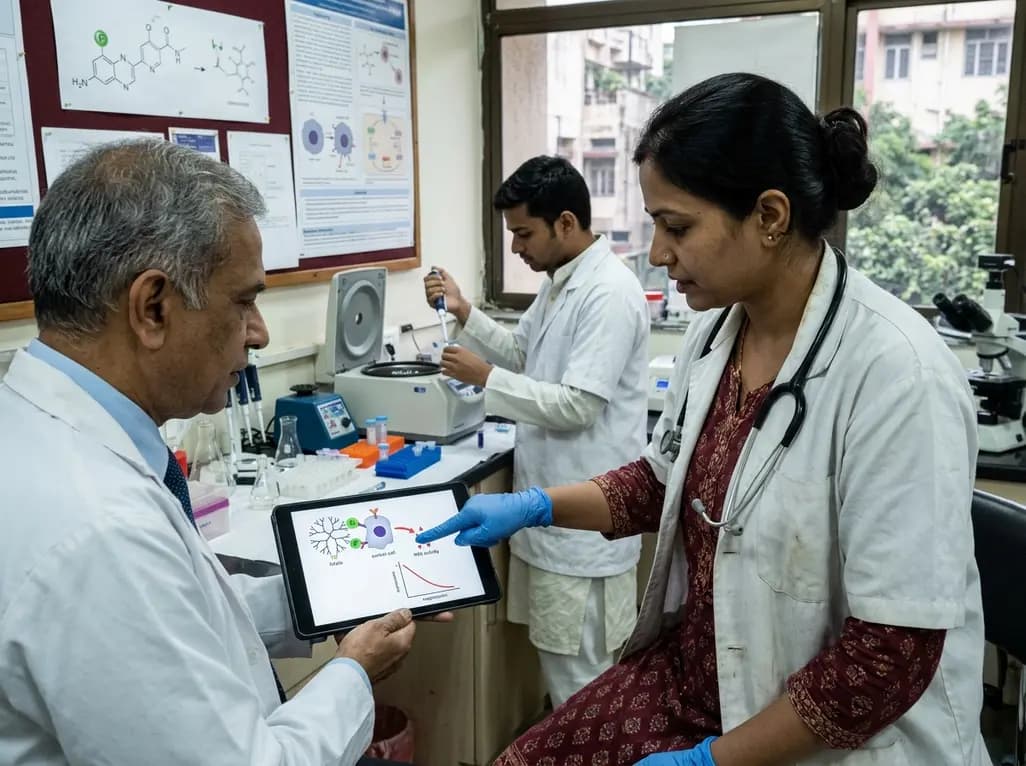
A novel folate-conjugated tecto-dendrimer nanoplatform successfully delivers siRNA to achieve targeted HK2 silencing, disrupting ovarian cancer glycolysis and suppressing lactate output.
Today
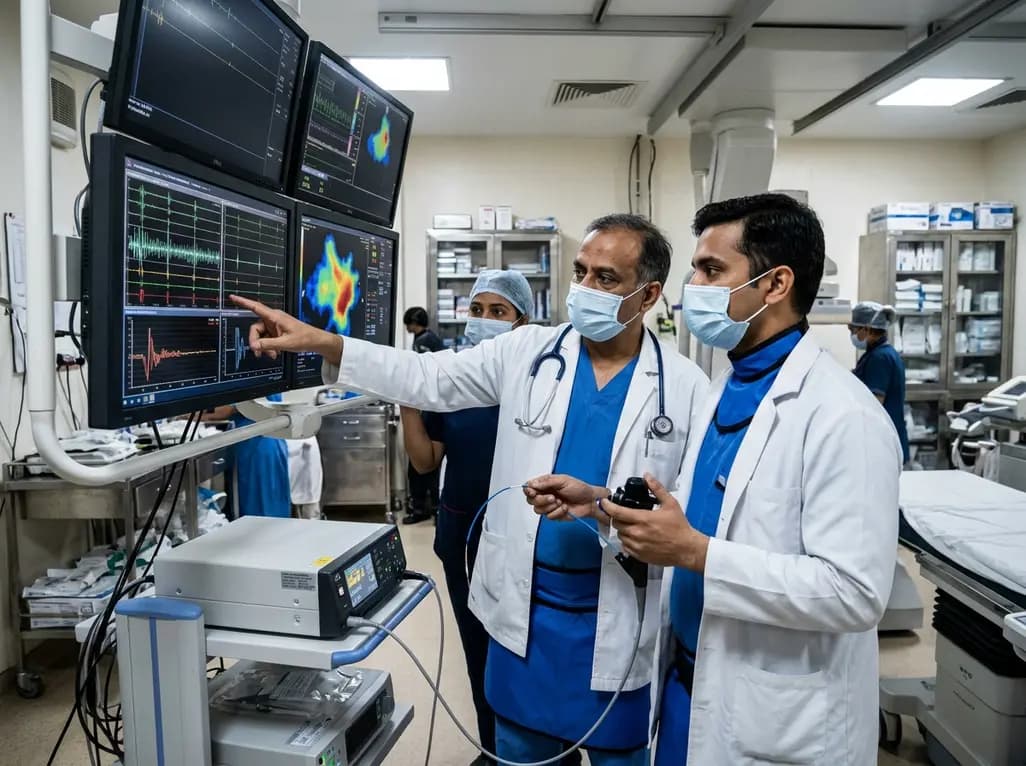
A comparative non-contact study reveals that high-power radiofrequency delivery with the QDOT MICRO catheter induces an artifactual contact force rise. Electrophysiologists must understand this power-dependent thermal and electrical phenomenon to avoid inadvertent catheter withdrawal and ineffective ablation.
Today
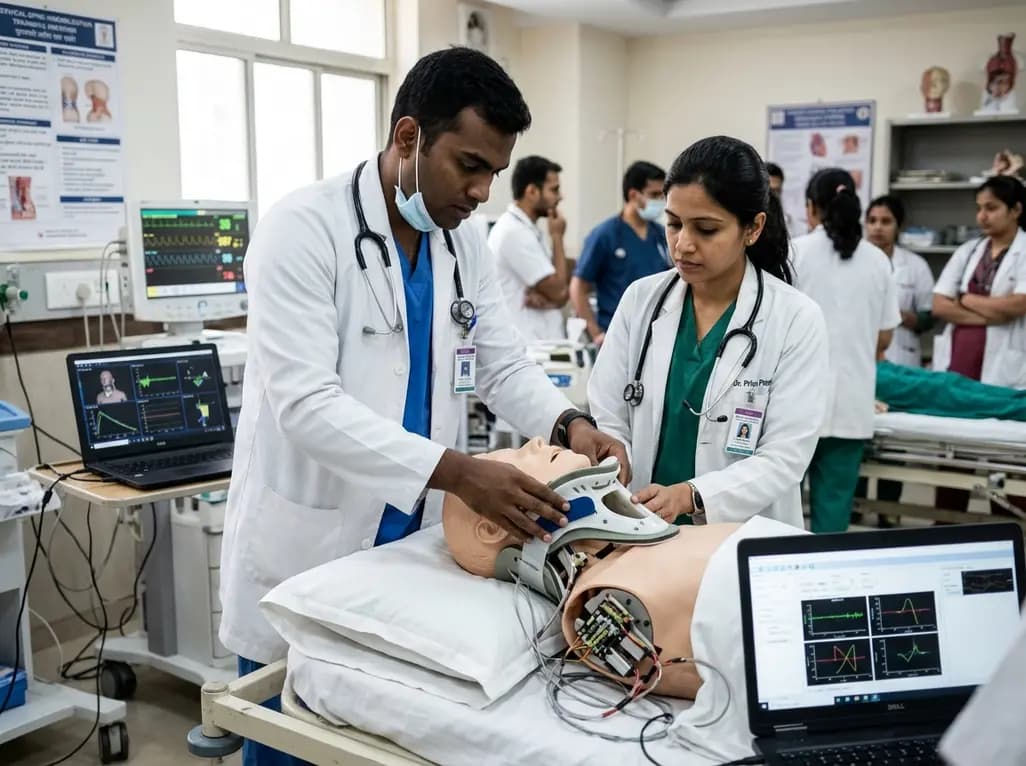
A novel proof-of-concept study presents a six-degree-of-freedom articulated manikin neck equipped with linear potentiometers. The system provides real-time kinematic motion feedback during cervical immobilisation, delivering sub-degree tracking accuracy to improve pre-hospital trauma training and patient safety.
Today

A retrospective comparative cohort study evaluated genitourinary safety in HFpEF between dapagliflozin and empagliflozin over six months. Rates of symptomatic UTI and asymptomatic bacteriuria showed no statistically significant differences, supporting comparable safety profiles across both SGLT2 inhibitors.
Today
