

Loading, please wait...
Loading, please wait...

Natural disasters inflict profound psychological devastation on healthcare trainees who often navigate dual roles as victims and emerging responders. A pivotal cross-sectional study investigated how disaster exposure intersects with preexisting vulnerabilities to precipitate psychiatric morbidity. Specifically, researchers evaluated the role of cumulative trauma in PTSD, anxiety, and depression among 617 medical students following the catastrophic 2023 Great Anatolian earthquake in Turkey. Consequently, the findings provide vital insights into trainee vulnerability, post-disaster institutional support, and preventive psychiatric interventions across medical campuses globally.
Major seismic disasters disrupt the foundations of community infrastructure and shatter personal security. In this extensive cohort of medical students assessed two months after the tremor, psychiatric screening tools revealed alarming symptom rates. Specifically, 38.9% met diagnostic thresholds for post-traumatic stress disorder on the PTSD Checklist for DSM-5. In addition, 28.7% presented with clinically significant anxiety on the Beck Anxiety Inventory. Meanwhile, 21.1% screened positive for depression via the Beck Depression Inventory.
These figures demonstrate that healthcare trainees carry an immense mental health burden during regional crises. Many students endured direct trauma because the disaster struck during an academic semester break when they were visiting family in the impact zone. Subsequently, affected universities relocated students to partner medical colleges to continue their rigorous curriculum. However, physical relocation could not halt emotional distress. Academic obligations compounded bereavement, displacement, and environmental instability. Therefore, academic medical centers must anticipate substantial psychiatric morbidity whenever natural catastrophes strike student populations.
Trauma does not occur in a vacuum, because lifetime adverse experiences shape individual vulnerability to subsequent shocks. To quantify these dynamics, investigators utilized the Cumulative Stress and Trauma Scale to measure lifetime exposure. Notably, negative appraisal scores across several distinct trauma subtypes strongly correlated with PTSD, depression, and anxiety. These subtypes included survival trauma, personal identity trauma, collective identity trauma, and family-attachment disruptions.
Survival trauma involves direct threats to life and physical integrity, which dysregulate core neuroendocrine threat pathways. In contrast, identity and attachment traumas erode emotional safety, belonging, and interpersonal trust. When students evaluate these past stressors negatively, their psychological resilience falters under fresh acute catastrophe. Furthermore, repeated traumatic insults deplete emotional bandwidth and diminish cognitive appraisal capacity. As a result, acute disaster exposure acts as a destabilizing catalyst rather than an isolated trigger. Understanding cumulative trauma in PTSD allows mental health teams to identify high-risk trainees who require proactive psychotherapeutic scaffolding.
Beyond cumulative trauma scores, the study identified critical demographic and event-related determinants of psychiatric outcomes. Female gender emerged as an independent predictor across all three clinical domains. Female students exhibited significantly higher odds of developing post-traumatic stress disorder, depressive symptoms, and persistent anxiety. Consequently, gender-sensitive support systems represent an essential element of campus disaster response protocols.
Additionally, a preexisting psychiatric diagnosis substantially increased the likelihood of acute decompensation. Students with pre-earthquake mood or anxiety disorders experienced intense symptom recurrence or clinical worsening. Furthermore, objective disaster metrics correlated directly with psychological symptom severity. Trainees who lost family members, witnessed physical devastation, or suffered property destruction displayed markedly elevated scores. Thus, psychiatric triage must stratify students using both objective exposure severity and individualized psychiatric histories to allocate campus counseling resources effectively.
Repeated traumatic exposures leave durable footprints across central neurobiological circuits. Chronic stress induces persistent dysregulation of the hypothalamic-pituitary-adrenal axis, marked by altered glucocorticoid sensitivity and heightened sympathetic tone. Simultaneously, structural and functional neuroimaging studies link cumulative trauma to hyperreactivity within the amygdala and decreased inhibitory control from the prefrontal cortex and anterior cingulate.
When an earthquake strikes, these sensitized neurobiological circuits trigger exaggerated fear conditioning and impaired fear extinction. Moreover, cognitive processing models indicate that attachment disruptions alter internal working models of safety and support. Trainees who experience family-attachment fractures often struggle to mobilize social support during catastrophic emergencies. Consequently, maladaptive appraisals take hold, reinforcing perceived helplessness, guilt, and pervasive danger. Because medical training demands relentless focus, cognitive fatigue further prevents natural psychological recovery. These interconnected mechanisms demonstrate why cumulative lifetime adversity accelerates psychiatric decline following severe physical shocks.
The study highlights the decisive role of proactive institutional interventions during mass displacement. Following the disaster, academic leaders established a dedicated trauma psychiatry outpatient policlinic. This clinic provided rapid, stigma-free screening and immediate psychiatric consultation directly on campus. Therefore, academic medical institutions must maintain structured disaster response protocols rather than relying on passive mental health referrals.
Effective campus post-disaster care requires a tiered public health strategy. First, institutions must deploy universal screening using standardized instruments to identify covert distress early. Second, universities must provide structured trauma-informed psychological first aid to normalize grief and reduce isolation. Third, clinical teams must provide evidence-based psychotherapy, including cognitive processing therapy and prolonged exposure, for trainees meeting formal diagnostic criteria. Finally, medical schools should grant academic accommodations, including flexible examination schedules and leave policies, to prevent secondary academic attrition. Protecting trainee well-being safeguards the future healthcare workforce against disaster-induced disability.
Medical students carry intense academic pressure alongside vicarious or direct trauma exposure during regional crises. Furthermore, their developing professional identities often discourage them from seeking psychiatric care due to perceived stigma, perfectionism, and fear of academic repercussions. Consequently, unprocessed grief and sleep deprivation accelerate their progression toward clinical depression and anxiety.
Acute traumatic stress reflects immediate emotional and physiological disruption following a single, sudden life-threatening event. In contrast, cumulative trauma represents the continuous compounding of diverse developmental, interpersonal, and survival stressors over a lifetime. This accumulation sensitizes neurobiological stress pathways, drastically lowering the threshold for developing post-traumatic stress disorder during subsequent disasters.
Clinicians utilize the PTSD Checklist for DSM-5 alongside the Cumulative Stress and Trauma Scale to evaluate acute symptoms and lifetime trauma burden. In addition, institutions routinely administer the Beck Depression Inventory and Beck Anxiety Inventory to capture comorbid mood and somatic disturbances, enabling timely risk stratification and personalized psychiatric triage.
Disclaimer: This content is for informational and educational purposes only and is not intended to serve as medical advice, clinical diagnosis, treatment, or standard-of-care guidance. Healthcare professionals should exercise their independent clinical judgment. Refer to the latest local and national guidelines for clinical practice.
References
Tuygar-Okutucu F et al. Cumulative trauma and other determinants of post-traumatic stress disorder, anxiety and depression in medical students following the Great Anatolian earthquake in Turkey. Soc Psychiatry Psychiatr Epidemiol. 2025 Oct. doi: 10.1007/s00127-025-02876-6. PMID: 40131378.
Kira IA et al. The mental health effects of cumulative trauma disorders in youth and adults. J Trauma Stress. 2013;26(5):618-626. doi:10.1002/jts.21852.
Tang B, Deng Q, Glik D, Dong J, Zhang L. A meta-analysis of risk factors for post-traumatic stress disorder (PTSD) in adults and children after earthquakes. Int J Environ Res Public Health. 2017;14(12):1537. doi:10.3390/ijerph14121537.

Read summarized clinical updates, watch expert medical content, and earn CME certifications right from your smartphone.
Open your smartphone camera to scan and install.





A landmark cross-sectional study evaluates the profound impact of cumulative trauma on medical students following the 2023 Turkey earthquake, revealing high rates of PTSD, anxiety, and depression alongside key clinical and institutional determinants.
Today

The 2025 Australian meningococcal surveillance report shows a 13% decline in invasive meningococcal disease notifications to 118 cases. Genogroup B accounted for 82.2% of typed infections, predominantly impacting infants and young adults, highlighting critical vaccination and rapid diagnostic imperatives.
Today

Doctors at AIIMS New Delhi have achieved a historic milestone by performing India's first open prenatal myelomeningocele repair on a 25-week unborn fetus. This landmark multidisciplinary procedure provides vital neuroprotective benefits, lowers hydrocephalus risks, and transforms maternal-fetal medicine nationwide.
Today
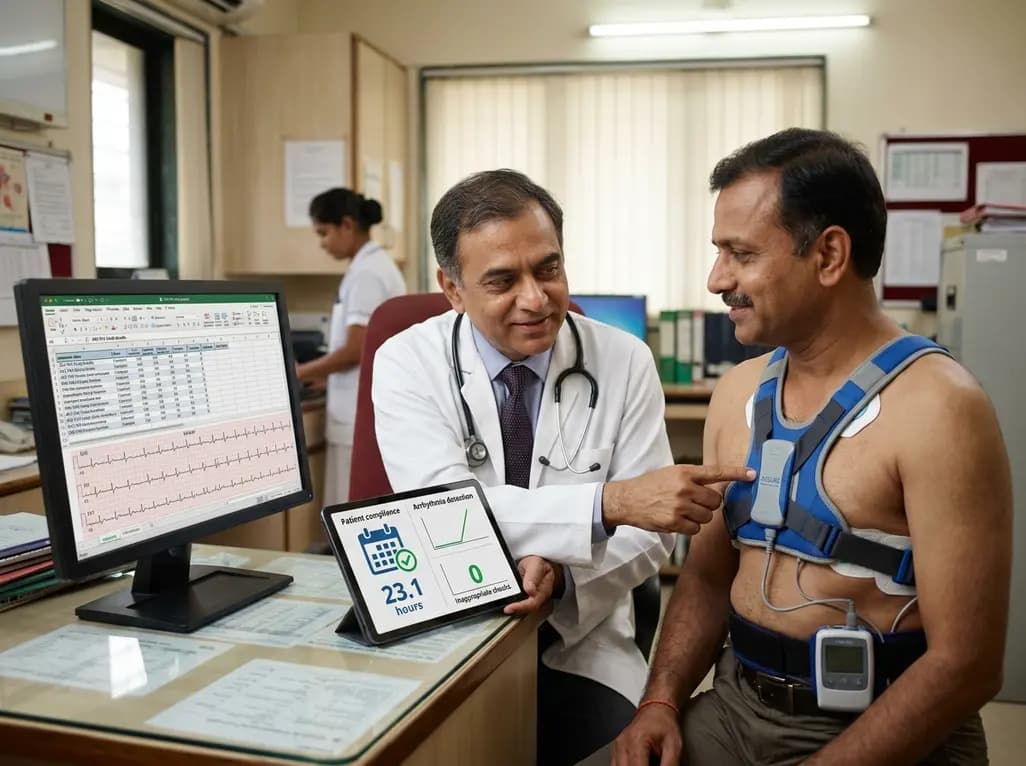
The ACE-PAS registry evaluated 21,612 patients fitted with the ASSURE wearable cardioverter defibrillator. The study demonstrated a 100% ventricular arrhythmia conversion rate, an inappropriate shock incidence of 0.0065 per patient-month, and high daily compliance of 23.1 hours, confirming real-world safety.
Today
A clinical overview of resveratrol supplementation in mitigating exercise-induced muscle damage. This narrative review explores physiological mechanisms, reductions in soreness markers like creatine kinase, dosage strategies, and bioavailability enhancements for sports medicine and nutrition practitioners.
Today
Childhood insulinoma is a rare cause of recurrent hyperinsulinemic hypoglycemia that often eludes early diagnosis. Advanced GLP-1 receptor-targeted PET/CT imaging using 68Ga-exendin-4 complements anatomic MRI to localize occult pancreatic lesions, facilitating focused, curative surgical enucleation.
Today
