

Loading, please wait...
Loading, please wait...

Chronic sleep disturbances represent a widespread clinical challenge among aging adults across various demographic backgrounds. While pharmacotherapy often presents serious safety concerns, implementing a structured behavioral sleep intervention provides an evidence-based, sustainable alternative. However, standard cognitive and behavioral protocols frequently fail when clinicians do not address unique linguistic nuances and cultural traditions. Recent findings highlight the necessity of tailoring these clinical tools to enhance patient engagement and therapeutic outcomes.
Elderly individuals frequently encounter fragmented sleep, delayed sleep onset, and early morning awakenings. In geriatric practice, physicians often observe that untreated insomnia accelerates cognitive decline, worsens depressive symptoms, and increases fall risks. Historically, clinicians turned to sedative-hypnotic drugs, including benzodiazepines and non-benzodiazepine receptor agonists, to provide quick relief. Nevertheless, long-term pharmacological management carries severe risks in older demographics. These adverse effects include daytime grogginess, psychomotor impairment, dependency, and paradoxical confusion.
Consequently, international clinical consensus guidelines designate Cognitive Behavioral Therapy for Insomnia as the gold-standard first-line therapy. This modality fundamentally alters dysfunctional sleep beliefs while establishing restorative sleep behaviors. However, elderly patients frequently encounter difficulties adhering to rigid behavioral recommendations designed in Western academic centers. For instance, standardized rules regarding bedroom restriction or sleep compression can clash with daytime family obligations and living arrangements. Therefore, healthcare providers must modernize behavioral programs so that older adults can adopt practical routines without unnecessary stress or resistance. Furthermore, multi-morbid conditions like osteoarthritis, cardiopulmonary disease, and nocturnal urinary frequency complicate conventional delivery. Clinicians must thus deliver personalized strategies that acknowledge these medical nuances rather than prescribing generic advice.
Surface-structure adaptations modify outward presentation materials to match the linguistic and educational characteristics of targeted populations. In a pioneering refinement study, investigators customized a five-session behavioral sleep intervention for older Korean immigrants experiencing severe sleep maintenance issues. Initially, participants faced hurdles understanding complex medical terminology, burdensome daily sleep diaries, and foreign conceptual analogies.
To resolve these barriers, researchers systematically translated materials into native idioms while replacing technical psychological jargon with intuitive cultural analogies. For example, educators compared cognitive reframing to untangling a stubborn knot or simmering a traditional kimchi stew slowly over time. Furthermore, the educators streamlined sleep logs by introducing large fonts, visual rating icons, and simplified tracking metrics. Consequently, participants completed daily entries without feeling overwhelmed by paperwork.
Additionally, educators incorporated culturally relatable domestic examples to explain stimulus control and sleep hygiene principles. Instead of enforcing unfamiliar relaxation regimens, instructors encouraged soothing, culturally familiar evening routines. As a result, older adults demonstrated immediate comfort with program materials. These practical refinements prove that accessible language and familiar imagery drastically lower the barrier to behavioral change.
While surface modifications ensure comprehension, deep-structure adaptations address the underlying cultural values, beliefs, and social norms that govern health behaviors. Many immigrant and collectivist communities view insomnia not merely as a mechanical sleep disorder, but as a bodily manifestation of accumulated family stress, emotional suppression, or inevitable physiological aging. Therefore, intervention frameworks must actively integrate these foundational perspectives into cognitive restructuring.
In the refined protocol, clinicians directly validated common cultural beliefs regarding intergenerational duties and stress transmission. Older adults often sacrifice personal sleep schedules to attend to grandchildren or maintain household harmony. Consequently, educators reframed sleep preservation not as an act of self-indulgence, but as an essential responsibility that enables elders to support their families effectively. Moreover, educators acknowledged fatalistic attitudes toward aging, gently guiding participants to distinguish natural circadian changes from treatable chronic insomnia.
Furthermore, these deep adaptations addressed spiritual practices and dietary traditions that influence nightly sleep quality. Educators explored how evening prayer rituals, herbal teas, and communal meals interacted with bedtime routines. By aligning therapeutic goals with core cultural values, the program fostered mutual respect and motivated sustained behavioral adherence.
A standout strength of modern behavioral adaptation lies in utilizing community-engaged, iterative research frameworks. Rather than imposing rigid academic models top-down, investigators gathered continuous qualitative feedback from participants, family stakeholders, and frontline sleep educators. During five in-person intervention sessions, sleep educators recorded comprehensive field notes capturing real-time participant confusion, emotional responses, and physical challenges.
Subsequently, the research team analyzed this feedback alongside sleep diary compliance data to implement immediate structural refinements. Educators shortened didactic lecturing, increased interactive discussions, and dedicated more time to collective problem-solving. This iterative cycle substantially reduced cognitive burden for elderly learners, who often experience diminished information-processing speed. Importantly, post-adaptation evaluations confirmed that sleep educators found the finalized sessions straightforward and rewarding to deliver.
Furthermore, community-engaged approaches build vital communal trust, especially among marginalized or linguistically isolated elderly cohorts. When patients observe that healthcare programs respect their lived experiences, therapeutic alliance deepens significantly. Community educators and allied health professionals can bridge the gap between tertiary sleep specialists and grassroots populations. Consequently, this collaborative methodology ensures high completion rates and establishes a sustainable blueprint for preventative geriatric behavioral medicine.
The principles illustrated in this immigrant refinement study provide remarkable relevance for the diverse healthcare landscape across India. Indian clinicians regularly care for elderly patients navigating complex joint family dynamics, varied linguistic dialects, and entrenched health beliefs. In typical outpatient settings, doctors frequently prescribe sedative medications due to severe time constraints and limited access to specialized psychotherapists. However, adopting culturally adapted behavioral sleep medicine can transform geriatric primary care.
Clinicians can effectively apply surface-level modifications by translating sleep hygiene education into regional languages like Hindi, Tamil, Bengali, or Marathi. Furthermore, physicians can utilize relatable local metaphors, such as comparing mind-calming techniques to the steady burning of an oil lamp or traditional breathing rhythms. On a deep-structure level, practitioners must address common Indian lifestyle factors, such as late family dinners, evening chai consumption, daytime siestas, and joint-room sleeping arrangements.
Additionally, training community health workers, nurses, and AYUSH practitioners as sleep educators can decentralize insomnia management across rural and urban clinics. Task-sharing models empower frontline workers to monitor sleep diaries and deliver supportive behavioral coaching under physician supervision. Ultimately, integrating culturally attuned behavioral therapies reduces polypharmacy, prevents drug-induced falls, and markedly improves quality of life for India’s growing elderly population.
Clinicians must prioritize non-pharmacological therapies because sedative medications pose severe safety hazards in older adults. Hypnotics substantially increase the risks of daytime somnolence, motor incoordination, falls, fractures, and cognitive impairment. In contrast, cognitive and behavioral interventions address the root behavioral and psychological causes of sleeplessness. They deliver sustained improvements in sleep continuity without drug dependency or adverse tolerance, making them the safest first-line therapeutic approach in comprehensive geriatric care.
Surface-structure adaptations modify observable intervention elements to match a community’s language, visual preferences, and daily literacy levels. These adjustments include translating documents, using culturally familiar metaphors, and simplifying complex sleep charts. Conversely, deep-structure adaptations address core cultural values, social structures, and worldview beliefs that influence illness perception. Clinicians integrate family obligations, spiritual traditions, and attitudes toward aging into the psychological framework, ensuring profound emotional resonance, treatment buy-in, and enduring behavioral compliance.
Community healthcare workers can effectively bridge specialist shortages through structured task-sharing delivery models. After receiving standardized training in sleep education, frontline workers review patient sleep logs, reinforce stimulus control guidelines, and facilitate interactive discussions. Because they share linguistic and cultural backgrounds with their patients, community workers establish authentic rapport and demystify behavioral change. Operating under physician guidance, they expand access to non-pharmacological insomnia treatments across underserved, resource-constrained primary care environments.
Disclaimer: This content is for informational and educational purposes only and does not constitute medical advice, diagnosis, or treatment. It is intended for healthcare professionals to support clinical decision-making and continuous learning. Dosages, indications, and clinical guidelines may change; practitioners must exercise their independent clinical judgment and verify information with current official medical literature, product inserts, and relevant regulatory authorities before initiating any therapy. Refer to the latest local and national guidelines for clinical practice.
References

Read summarized clinical updates, watch expert medical content, and earn CME certifications right from your smartphone.
Open your smartphone camera to scan and install.





Discover how culturally tailoring cognitive behavioral therapy for insomnia (CBT-I) enhances treatment adherence in older adults. Learn key surface and deep-structure adaptation strategies to manage geriatric sleep disorders safely without relying on sedative medications.
Today
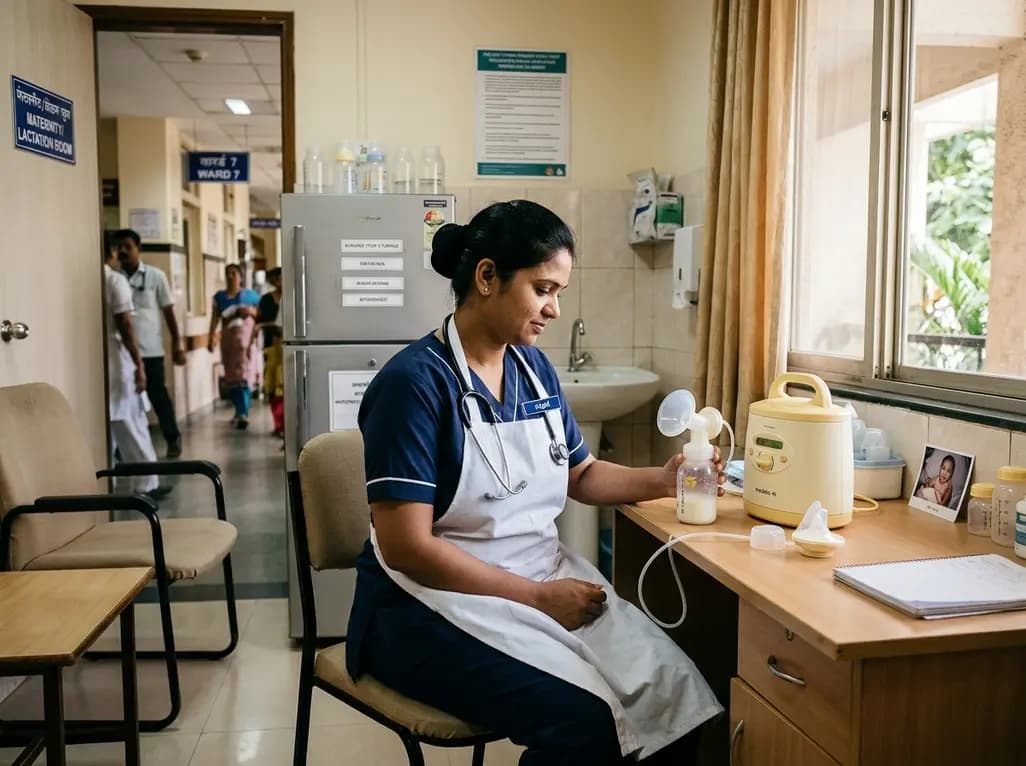
A qualitative study in the Journal of Human Lactation highlights the significant hurdles healthcare workers face when continuing breastfeeding. Inadequate facilities, rigid shift schedules, and lack of institutional policies demand structured workplace lactation support and compliant hospital infrastructure.
Today
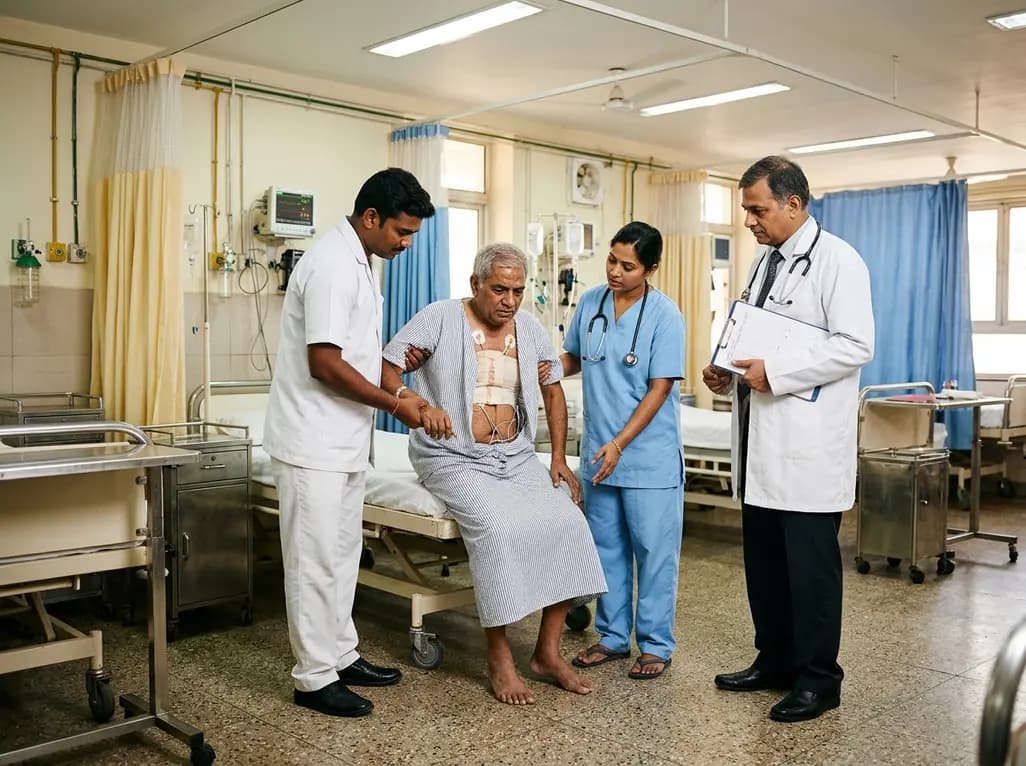
A cross-sectional study evaluates the critical intersection between acute surgical pain, kinesiophobia, and fall risks during initial mobilization after cardiac surgery, emphasizing targeted nursing strategies.
Today

A recent cross-sectional analysis reveals that over a quarter of randomized controlled trials for non-specific low back pain face discontinuation or unknown status, while more than 36% of completed trials remain unpublished, exposing notable reporting gaps in spine and musculoskeletal clinical research.
Today

Explore revascularisation strategies in dialysis-dependent chronic limb-threatening ischaemia. This review examines surgical bypass vs endovascular therapy, BEST-CLI trial findings, procedural morbidity, conduit availability, and multidisciplinary decision-making for optimal limb salvage.
Today
