.webp&w=384&q=75)

Loading, please wait...
Loading, please wait...
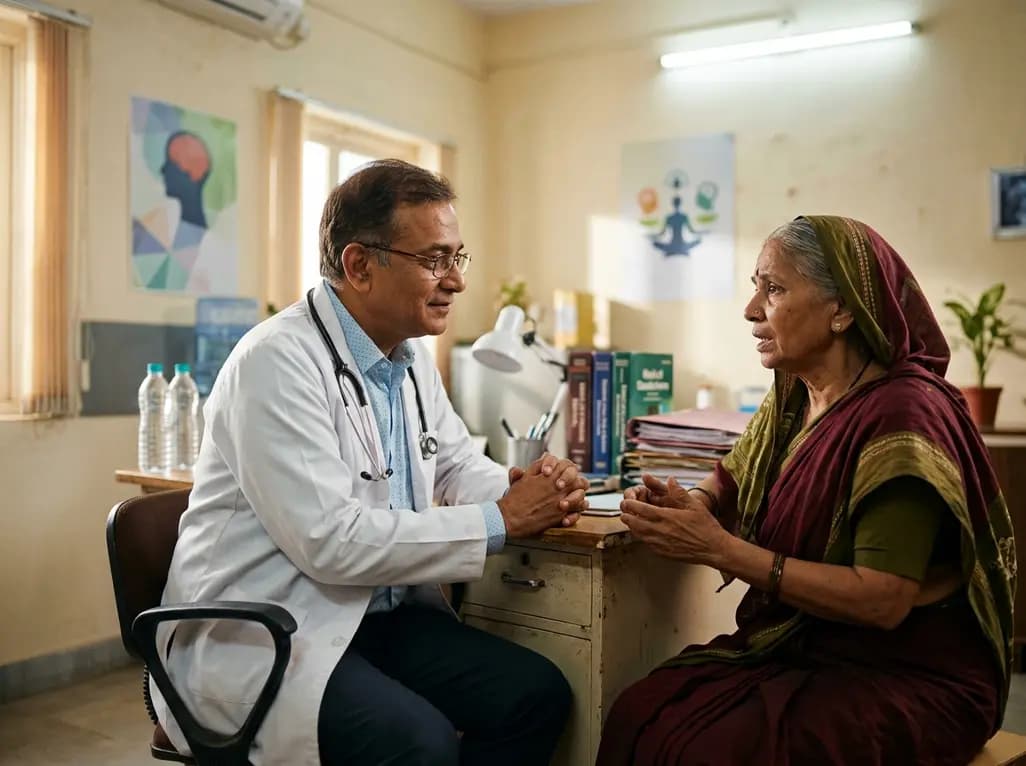
A groundbreaking study published in Emotion explores how cultural models of emotion shape the way individuals describe their daily experiences. Researchers compared verbal descriptions from speakers in the United States and Belgium to understand how language reflects subjective affect. Specifically, they used topic modeling and word counting to identify unique linguistic patterns across these two Western cultures. Consequently, the findings revealed that U.S. participants use significantly more first-person pronouns and emotion-specific words. These individuals also tend to prioritize high-arousal emotions and emphasize personal achievements during interviews. In contrast, Belgian Dutch speakers adopt a more moderated tone in their descriptions. Their language focuses heavily on social standards and the relativization of their experiences. Furthermore, this suggests that culture provides the primary framework for giving meaning to emotional events. Therefore, clinicians must recognize these variations during patient interviews to ensure accurate interpretation.
Understanding these differences is vital for accurate psychiatric assessment in a globalized medical landscape. For instance, a patient from a high-arousal culture might seem hyper-expressive to a clinician from a moderated background. Moreover, the heavy use of first-person pronouns may reflect individualistic cultural values rather than narcissistic traits. Similarly, moderated emotional descriptions should not always be interpreted as restricted affect or a lack of insight. Thus, acknowledging cultural models of emotion helps prevent diagnostic bias and improves patient rapport. Ultimately, this research underscores the importance of culturally sensitive communication in healthcare, particularly when treating diverse populations with varied linguistic backgrounds.
They determine how patients communicate distress and describe their symptoms. Recognizing these models can influence diagnostic accuracy and help build a stronger therapeutic relationship.
U.S. speakers often use high-arousal words and focus on the self, whereas Belgian speakers tend toward moderated language and emphasize social context and comparison.
Disclaimer: This content is for informational and educational purposes only and does not constitute medical advice or a professional relationship. Always seek the advice of a qualified healthcare provider regarding any medical condition. Refer to the latest local and national guidelines for clinical practice.
References
Hoemann K et al. Cultural models of emotion manifest in descriptions of everyday experience: A case study of the United States and Belgium. Emotion. 2026 Jun 08. doi: 10.1037/emo0001695. PMID: 42258282.
Mesquita B. Between Us: How Cultures Create Emotions. W. W. Norton & Company; 2022.
StatPearls [Internet]. Cultural Assessment and Treatment of Psychiatric Patients. Treasure Island (FL): StatPearls Publishing; 2024.

Read summarized clinical updates, watch expert medical content, and earn CME certifications right from your smartphone.
Open your smartphone camera to scan and install.





A case study comparing the US and Belgium reveals how culture shapes emotional language, emphasizing the need for cultural sensitivity in clinical psychiatr...
4 months ago
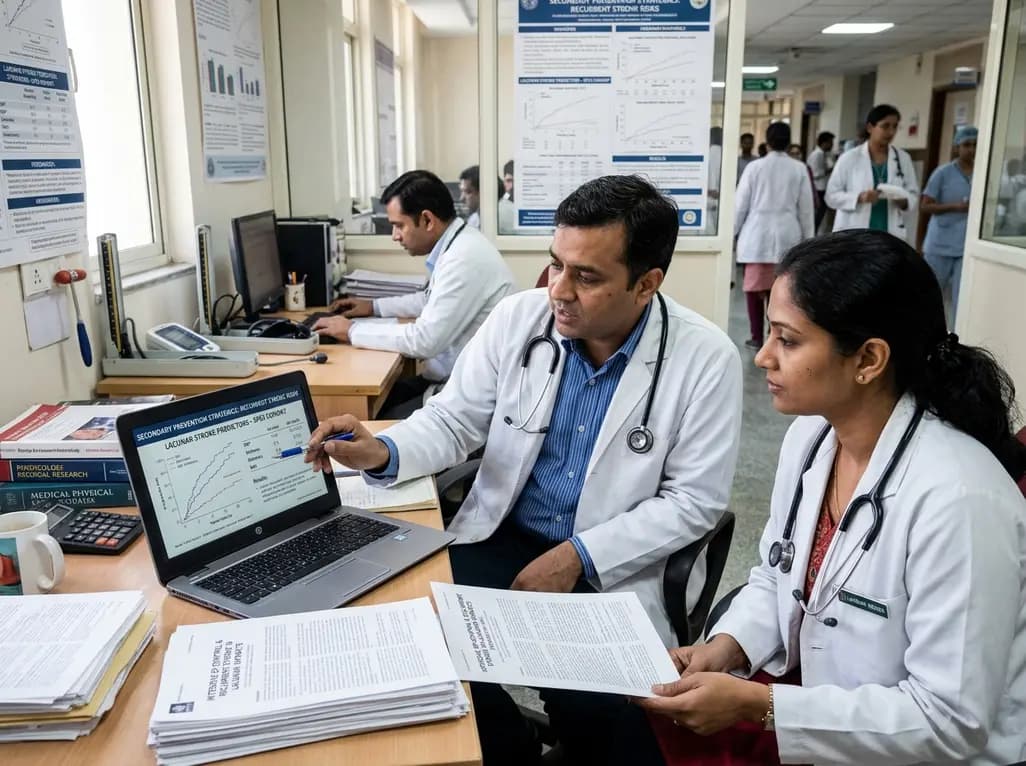
Explore vital recurrent stroke predictors in lacunar stroke patients managed with intensive blood pressure lowering. This analysis examines trial findings from SPS3 to uncover residual vascular risks, metabolic factors, and targeted secondary prevention strategies for high-risk neurological patients.
Today
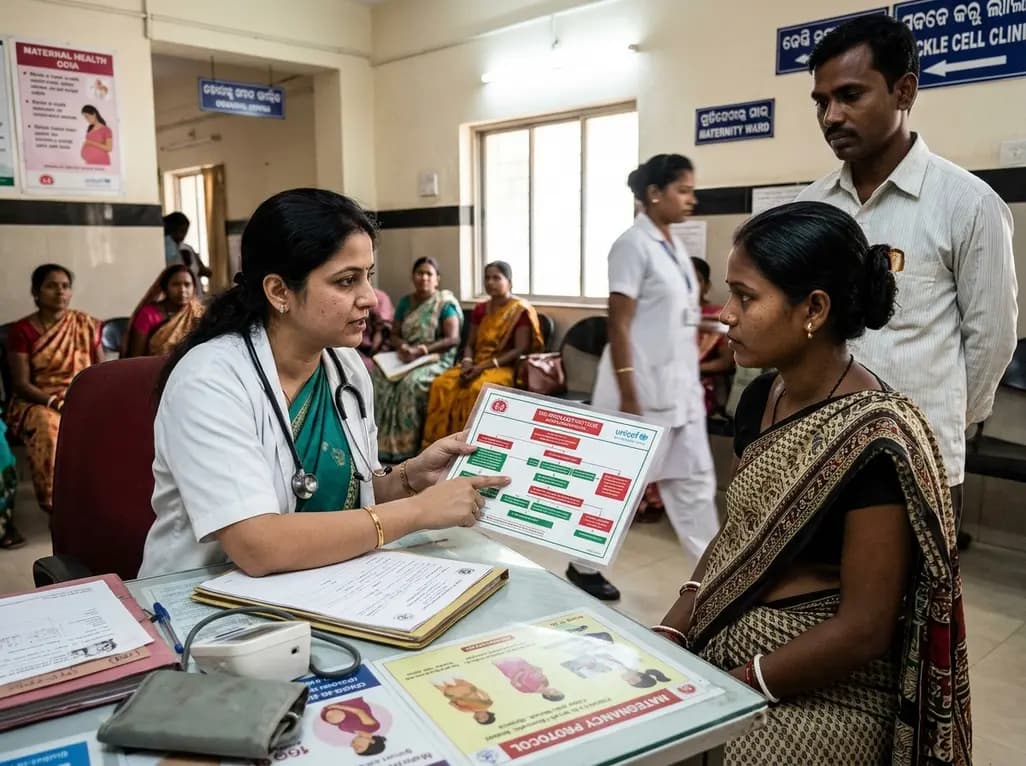
Odisha has established India's first state-level clinical protocol specifically tailored for pregnant women with sickle cell disease. Developed with NHM and UNICEF, the framework provides structured antenatal screening, crisis mitigation, standardized referral pathways, and specialized interdisciplinary care.
Today

The Directorate General of Health Services directs Indian states to halt the hazardous reuse and reprocessing of single-use medical devices. Discover regulatory implications under the Drugs and Cosmetics Act, critical infection risks, legal liabilities, and operational changes required across clinical specialties.
Today

Mitochondria-targeted nanoparticles self-assembled from EGCG and L-glutamic acid effectively restore mitochondrial homeostasis, suppress synovial inflammation, and attenuate chondrocyte senescence in osteoarthritis, offering a promising disease-modifying nanotherapy.
Today

India is advancing preventive healthcare by integrating genomics, artificial intelligence, and quantum technologies. With the SANGAM programme sequencing one million Indian genomes, clinicians can unlock personalized therapies, detect cardiometabolic risks early, and curb the burden of diabetes and heart disease.
Today
