

Loading, please wait...
Loading, please wait...

Essential tremor is one of the most common movement disorders encountered in clinical neurology and general medical practice. While upper limb tremor represents the cardinal feature, physicians frequently identify cranial tremors in ET during disease progression. These cranial manifestations, which prominently include rhythmic oscillations of the head and voice, impose a substantial functional and psychosocial burden on affected individuals. Consequently, identifying these tremors early guides therapeutic stratification, prognostic counseling, and surgical decision-making. In routine clinical workflows, clinicians often depend on patient medical histories and symptom questionnaires to screen for cranial involvement. However, recent prospective evidence demonstrates that relying exclusively on patient recall introduces substantial diagnostic vulnerabilities. When patients provide self-reported tremor assessments, they often overlook subtle involuntary movements, leading to delayed interventions. Therefore, movement disorder specialists must critically evaluate the true validity of subjective patient reports. By comparing subjective histories with standardized neurological examinations, healthcare providers can better grasp why clinical examinations remain irreplaceable.
Cranial involvement serves as a pivotal marker in the natural history and phenotypic staging of essential tremor. Although hand shaking usually marks the onset of symptoms, cranial tremors in ET develop as the disorder spreads through central motor loops. Specifically, cerebellar-thalamocortical circuitry disruptions gradually radiate to cranial motor nuclei. As a result, patients demonstrate involuntary oscillations of the cervical musculature, soft palate, vocal cords, and occasionally the jaw.
Furthermore, cranial involvement dramatically impairs social communication, professional activities, and emotional well-being. Voice tremors create significant dysfluency, vocal fatigue, and acoustic instability, causing severe distress during daily conversations. Similarly, cervical oscillations disrupt visual fixation and generate profound self-consciousness in social environments. Because these symptoms directly affect daily functioning, they frequently dictate changes in pharmacotherapy or referrals for neuromodulatory interventions. Additionally, tracking cranial involvement helps clinicians differentiate classic essential tremor from dystonic tremor syndromes and Parkinsonian phenotypes. Consequently, detecting these physical signs accurately forms the cornerstone of effective longitudinal disease management. Clinicians must actively search for these motor features rather than waiting for patients to report them spontaneously.
In modern healthcare delivery, questionnaire-based screening and digital symptom logs frequently augment routine consultations. Nevertheless, movement disorder researchers recently evaluated whether patient questionnaires accurately mirror objective motor findings. In a landmark prospective cohort study analyzing 185 patients with essential tremor, investigators compared patient self-reports directly against rigorous neurological assessments conducted by movement specialists.
The results demonstrated a striking disparity between subjective perception and objective clinical findings. On formal neurological examination, the prevalence of voice tremor reached 50.8%, while head tremor occurred in 49.7% of the cohort. Despite this elevated prevalence, patient recall significantly underestimated both conditions. Patients frequently reported normal function even when experienced examiners detected unmistakable rhythmic tremors during physical evaluation. Sensitivity figures for patient self-reports were remarkably modest, ranging between 13.8% and 59.3%. Therefore, relying on questionnaires as a primary screening tool generates an unacceptably high rate of false negatives. If healthcare providers assume that absent self-reports reflect absent pathology, half of all affected patients may miss timely clinical detection. This sharp contrast reinforces the concept that motor phenomena occurring outside direct voluntary gaze require objective expert verification.
Although self-reported data showed poor sensitivity, the investigative findings revealed an intriguing dichotomy regarding positive predictive metrics. When patients affirmatively stated that they experienced cranial tremors, their statements demonstrated moderate to high accuracy. Specifically, the positive predictive value for self-reported head and voice tremors ranged between 61.9% and 84.2%. Thus, an affirmative self-report provides trustworthy evidence that warrants prompt therapeutic evaluation.
However, the diagnostic accuracy of self-reported symptoms varied substantially between anatomical regions. Overall, the validity of patient self-reports was consistently lower for voice tremor than for head tremor. Patients often failed to identify vocal quiverings, particularly when the motor amplitude remained mild. In contrast, patients recognized cervical tremors somewhat more readily, likely because head movement creates distinct proprioceptive and vestibular feedback. When voice tremors were mild, patients frequently attributed intermittent phonatory changes to aging, respiratory fatigue, or throat dryness. Consequently, mild vocal dysfunctions routinely escaped patient detection entirely. These findings prove that subjective reporting functions poorly as an inclusive screening instrument, even though it serves as a reliable confirmatory clue. Practitioners must therefore interpret negative questionnaires with extreme caution.
Understanding why patients fail to recognize involuntary movements is critical for clinical reasoning. Several distinct physiological and psychological mechanisms explain this diagnostic disconnect. First, humans lack direct visual monitoring of their own craniocervical structures and vocal folds during daily routines. Unlike hands, which remain in continuous view during fine motor tasks, the head and larynx move without continuous visual verification.
Furthermore, mild voice tremor only becomes audible during sustained phonation or specific vocal registers. Because regular conversational speech incorporates frequent acoustic pauses, subtle oscillations easily remain masked during casual interactions. Moreover, chronic disease adaptation leads many individuals to unconsciously normalize gradual vocal fluctuations over many years. Patients often rationalize their trembling voice as simple nervousness or normal vocal aging rather than progressive pathology. Similarly, sensory habituation diminishes conscious awareness of low-amplitude cervical oscillation. In addition, patients who experience severe bilateral hand tremors naturally focus their attention entirely on upper extremity disability. Because hand tremors immediately impede eating, drinking, and writing, patients view mild head shaking as a secondary concern. As a result, clinicians must remain vigilant, knowing that patient silence does not equate to motor stability.
Given the low sensitivity of subjective symptom reports, clinicians must integrate structured, objective cranial assessments into routine clinical appointments. Standard neurological examinations require minimal specialized equipment but yield invaluable diagnostic clarity. To evaluate voice tremor effectively, examiners should instruct the patient to produce prolonged vowel sounds, such as sustaining "ah" and "ee" for ten seconds. This sustained vocalization unmasks hidden rhythmic oscillations in pitch and volume that remain undetectable during brief conversational speech.
Similarly, detecting cervical tremors requires observing the head in multiple postures. The examiner should inspect the patient while resting against a chair, while sitting upright unsupported, and while turning the head across horizontal planes. Furthermore, distracting maneuvers, such as performing mental arithmetic or rapid alternating finger movements, can draw out latent cranial oscillations. Clinicians should also inspect the jaw, tongue, and perioral musculature to rule out focal dystonia or Parkinsonian features. Although conducting these detailed physical assessments demands additional consultation time, the investment dramatically reduces diagnostic errors. Ultimately, systematic clinical examination ensures that patients receive tailored pharmacological therapy, vocal rehabilitation, or advanced neuromodulatory referrals before severe functional impairment occurs.
Self-reports are unreliable because patients often lack visual feedback and habituate to subtle movements. Consequently, sensitivity for patient-reported head and voice tremors remains low, ranging between 13.8% and 59.3%. Mild vocal oscillations frequently pass unnoticed or get mistaken for normal aging, which leads to frequent false negatives during routine clinical interviews.
Clinicians should ask patients to sustain vowel sounds like 'ah' and 'ee' steadily for at least ten seconds. This sustained phonation isolates vocal cord oscillation and unmasks rhythmic pitch fluctuations. In addition, listening during continuous reading tasks helps movement disorder specialists differentiate true essential voice tremor from musculoskeletal strain or spasmodic dysphonia.
Although self-reports have low sensitivity, their positive predictive value is moderate to high, ranging from 61.9% to 84.2%. Therefore, when an essential tremor patient reports head or voice shaking, the symptom is very likely present. Clinicians can confidently trust positive self-reports while still performing objective examinations to evaluate tremor severity.
Disclaimer: This content is for informational and educational purposes only and does not constitute medical advice, diagnosis, or treatment. It is intended for healthcare professionals and medical educators. Clinical decisions should always be made by qualified healthcare providers based on individual patient assessments and applicable professional standards. Refer to the latest local and national guidelines for clinical practice.
References

Read summarized clinical updates, watch expert medical content, and earn CME certifications right from your smartphone.
Open your smartphone camera to scan and install.





A prospective cohort study reveals that patients with essential tremor frequently underreport cranial tremors, including head and voice tremors. While self-reports have moderate positive predictive value, low sensitivity underscores the absolute necessity of thorough, objective neurological examinations.
Today

The 2025 Australian meningococcal surveillance report shows a 13% decline in invasive meningococcal disease notifications to 118 cases. Genogroup B accounted for 82.2% of typed infections, predominantly impacting infants and young adults, highlighting critical vaccination and rapid diagnostic imperatives.
Today
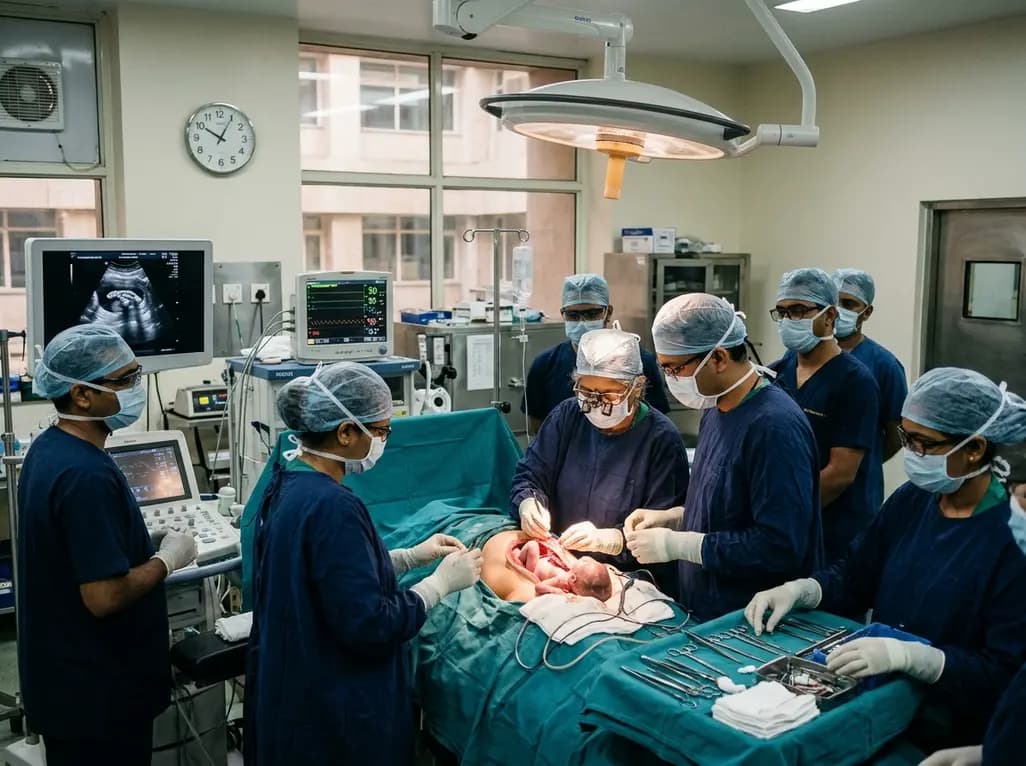
Doctors at AIIMS New Delhi have achieved a historic milestone by performing India's first open prenatal myelomeningocele repair on a 25-week unborn fetus. This landmark multidisciplinary procedure provides vital neuroprotective benefits, lowers hydrocephalus risks, and transforms maternal-fetal medicine nationwide.
Today
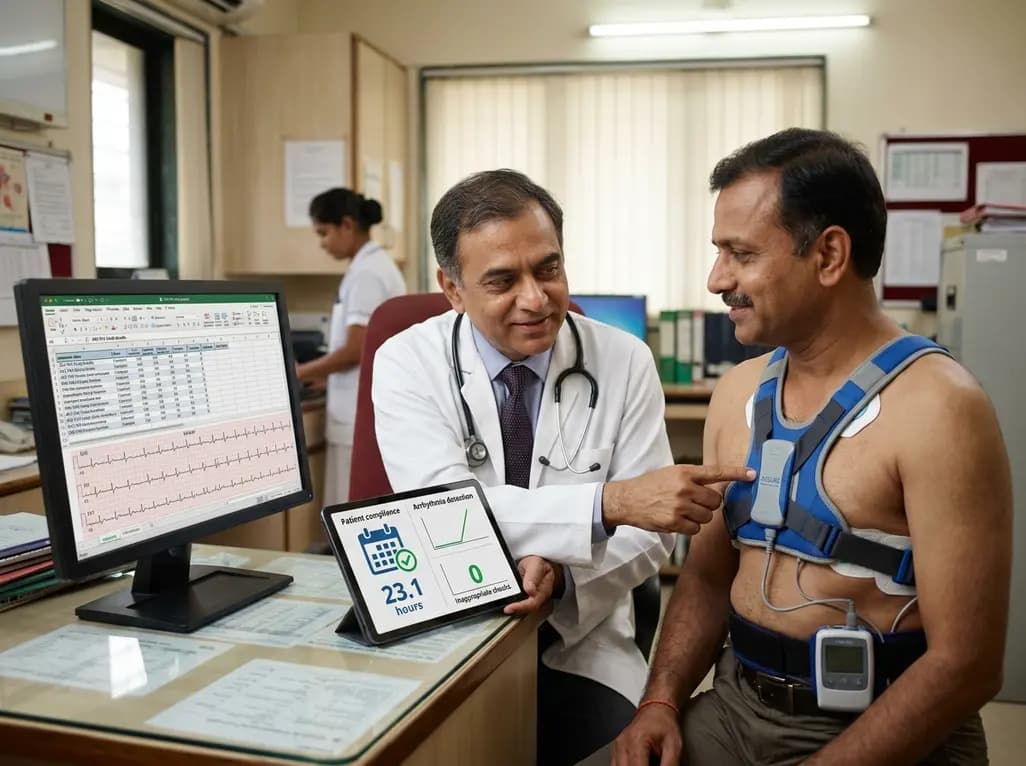
The ACE-PAS registry evaluated 21,612 patients fitted with the ASSURE wearable cardioverter defibrillator. The study demonstrated a 100% ventricular arrhythmia conversion rate, an inappropriate shock incidence of 0.0065 per patient-month, and high daily compliance of 23.1 hours, confirming real-world safety.
Today

A clinical overview of resveratrol supplementation in mitigating exercise-induced muscle damage. This narrative review explores physiological mechanisms, reductions in soreness markers like creatine kinase, dosage strategies, and bioavailability enhancements for sports medicine and nutrition practitioners.
Today
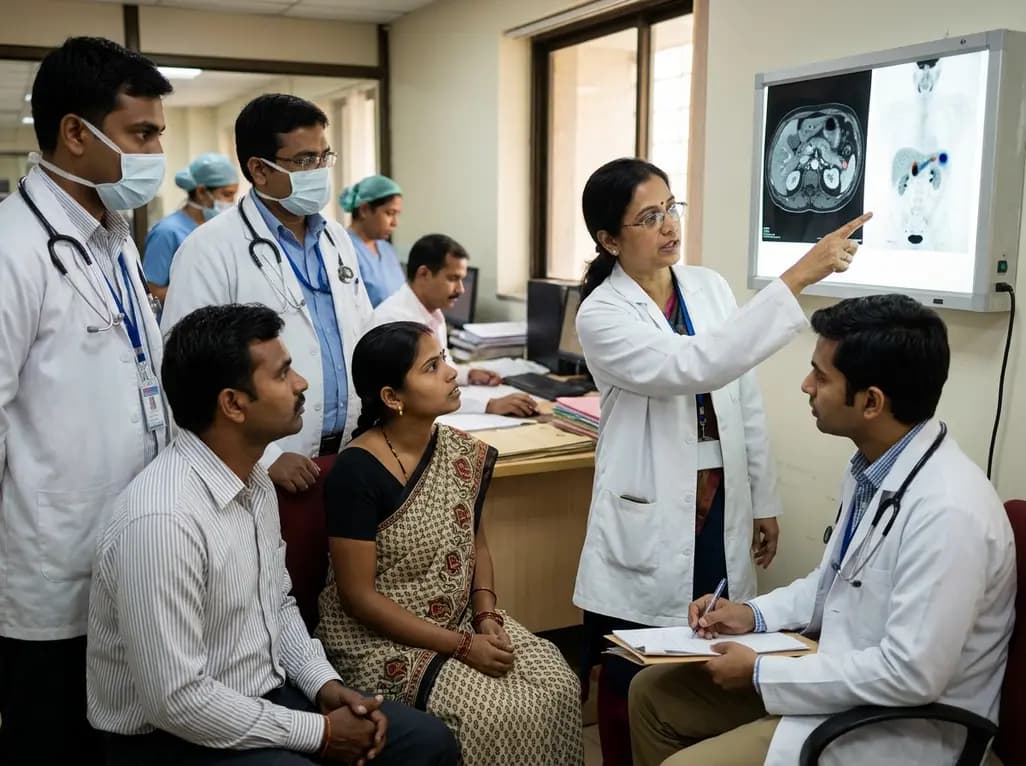
Childhood insulinoma is a rare cause of recurrent hyperinsulinemic hypoglycemia that often eludes early diagnosis. Advanced GLP-1 receptor-targeted PET/CT imaging using 68Ga-exendin-4 complements anatomic MRI to localize occult pancreatic lesions, facilitating focused, curative surgical enucleation.
Today
