.webp&w=384&q=75)

Loading, please wait...
Loading, please wait...

The global pandemic significantly changed the clinical landscape of Adolescent Anorexia Nervosa. While healthcare systems witnessed a worldwide surge in hospitalizations, the underlying clinical factors remained a subject of intense debate. However, recent evidence suggests that pandemic-related stress may not have worsened the illness as much as initially feared. Instead, environmental shifts likely influenced how and when these patients entered the medical system.
Researchers compared adolescents diagnosed with anorexia nervosa before and during the pandemic to evaluate illness severity. Surprisingly, the data showed no significant differences in body mass index (BMI) or the severity of eating disorder symptoms at the time of evaluation. Furthermore, patients diagnosed mid-pandemic actually reported a shorter duration of restrictive eating. Consequently, it appears that the unique circumstances of the pandemic, such as remote learning and lockdowns, allowed for earlier detection of symptoms by family members.
Additionally, the study assessed whether COVID-19-specific stress directly correlated with more severe illness. Interestingly, adolescents with anorexia reported stress levels that were remarkably similar to those of healthy controls. Therefore, while the pandemic was a stressful period for everyone, it did not uniquely exacerbate the pathology of those with eating disorders. Moreover, the response to treatment remained consistent across both groups, indicating that standard therapeutic protocols remained effective despite the global crisis.
These findings provide a vital perspective for pediatricians and mental health professionals in India and globally. Because the duration of illness was shorter, earlier intervention may have mitigated potential long-term complications. Nevertheless, the increased volume of cases underscores the necessity of maintaining robust screening measures. As we move forward, clinicians should focus on parental education as a tool for early identification, ensuring that adolescents receive timely support for restrictive eating behaviors.
No, studies indicate that the clinical severity, including BMI and symptom intensity, remained similar to pre-pandemic levels despite a higher number of hospitalizations.
Lockdowns and remote schooling meant that parents spent more time with their children. This increased surveillance likely allowed caregivers to notice restrictive eating patterns much sooner than they would have in a normal routine.
Research shows that pandemic-specific stress had little to no association with how well adolescents responded to treatment for anorexia nervosa.
Disclaimer: This content is for informational and educational purposes only and does not constitute medical advice. Always seek the advice of a qualified healthcare provider with any questions regarding a medical condition. Refer to the latest local and national guidelines for clinical practice.
References
Vaccaro DH et al. COVID-19-Related Stress and Adolescent Anorexia Nervosa: Early Detection, Similar Illness Course. Int J Eat Disord. 2026 May 25. doi: 10.1002/eat.70134. PMID: 42185924.
Raffagnato A et al. The Impact of The Covid-19 Pandemic on Adolescent Neuropsychiatric Admissions for Anorexic Eating Disorders Throughout the 2013-2022 Decade. Med Res Arch. 2024;12(10).
Lin JA et al. The Impact of COVID-19 on Eating Disorder Referrals and Admissions. J Adolesc Health. 2021;68(3):432-436.

Read summarized clinical updates, watch expert medical content, and earn CME certifications right from your smartphone.
Open your smartphone camera to scan and install.





New research suggests that while COVID-19 increased anorexia cases in teens, it led to earlier detection without increasing overall clinical severity....
4 months ago
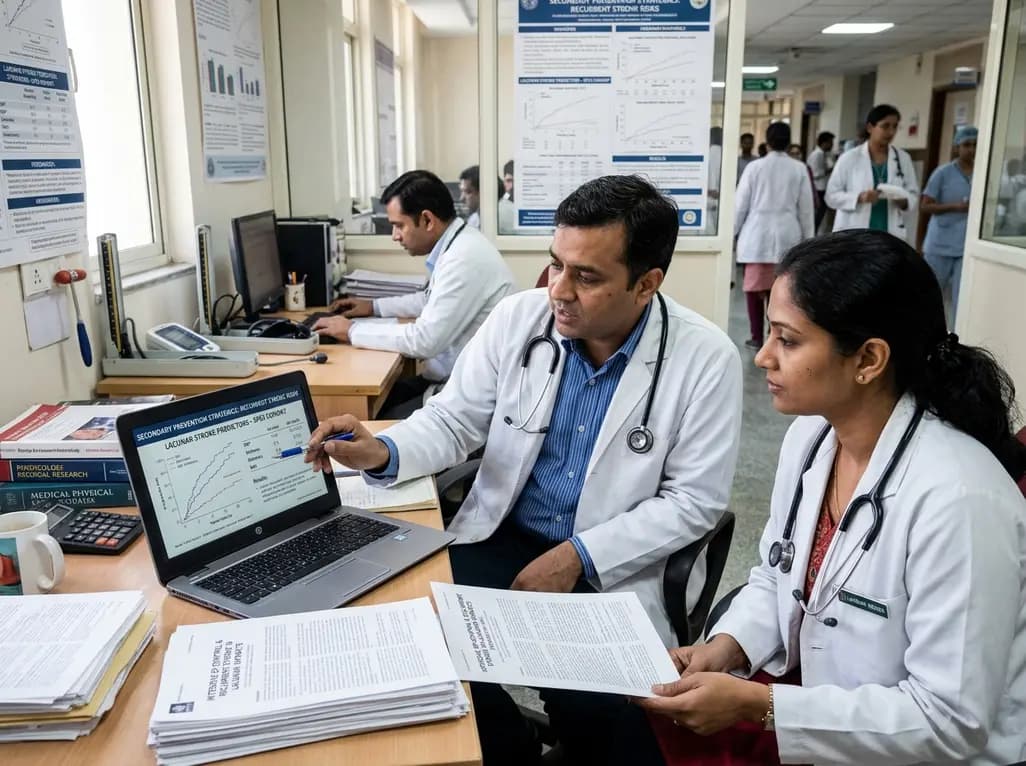
Explore vital recurrent stroke predictors in lacunar stroke patients managed with intensive blood pressure lowering. This analysis examines trial findings from SPS3 to uncover residual vascular risks, metabolic factors, and targeted secondary prevention strategies for high-risk neurological patients.
Today

Odisha has established India's first state-level clinical protocol specifically tailored for pregnant women with sickle cell disease. Developed with NHM and UNICEF, the framework provides structured antenatal screening, crisis mitigation, standardized referral pathways, and specialized interdisciplinary care.
Today

The Directorate General of Health Services directs Indian states to halt the hazardous reuse and reprocessing of single-use medical devices. Discover regulatory implications under the Drugs and Cosmetics Act, critical infection risks, legal liabilities, and operational changes required across clinical specialties.
Today

Mitochondria-targeted nanoparticles self-assembled from EGCG and L-glutamic acid effectively restore mitochondrial homeostasis, suppress synovial inflammation, and attenuate chondrocyte senescence in osteoarthritis, offering a promising disease-modifying nanotherapy.
Today

India is advancing preventive healthcare by integrating genomics, artificial intelligence, and quantum technologies. With the SANGAM programme sequencing one million Indian genomes, clinicians can unlock personalized therapies, detect cardiometabolic risks early, and curb the burden of diabetes and heart disease.
Today
