.webp&w=384&q=75)

Loading, please wait...
Loading, please wait...

The UBE microdiscectomy technique is revolutionizing how surgeons approach spinal decompression by offering an ultra-minimally invasive alternative to traditional procedures. Traditionally, the high cost of specialized endoscopic systems hindered the widespread adoption of these advanced methods. However, by utilizing standard arthroscopic and basic spine equipment, medical centers can now provide high-quality care without significant capital investment. Consequently, this shift makes the benefits of enhanced visualization and reduced tissue disruption accessible to a broader range of institutions across India.
Transitioning to this method involves a strategic setup of the operating room and precise patient positioning. Surgeons create two distinct portals: one for the endoscope and another for working instruments. Furthermore, this dual-portal approach allows for greater freedom of movement and tactile feedback, mirroring the familiarity of open surgery. Because the technique uses standard tools, practitioners can leverage their existing skills in arthroscopy to master the learning curve more quickly. In addition, effective fluid management ensures a clear surgical field, which is vital for safe decompression.
Success in biportal endoscopy depends on establishing a clear visualization window and maintaining meticulous hemostasis. Specifically, the authors of the study highlight that using standard instrumentation does not compromise surgical goals. Instead, it simplifies the logistical requirements of the procedure. Moreover, technical tips like optimal portal placement and systematic decompression strategies help surgeons avoid common pitfalls. Therefore, adopting this cost-effective model allows healthcare providers to offer patients faster recovery times and less postoperative pain while maintaining financial sustainability.
Surgeons can perform this technique using standard arthroscopic towers and basic spine instruments that are already available in most surgical departments, avoiding the need for expensive proprietary systems.
While the learning curve is steep, it is often shorter for those familiar with arthroscopy. The biportal approach provides a range of motion and tactile feedback similar to open surgery, making the transition more intuitive.
Disclaimer: This content is for informational and educational purposes only. It does not constitute medical advice or a substitute for professional healthcare. Always consult with a qualified specialist for diagnosis and treatment. Refer to the latest local and national guidelines for clinical practice.
References
Mody S et al. Cost-effective unilateral biportal endoscopic microdiscectomy: illustrative case. J Neurosurg Case Lessons. 2026 Apr 13. doi: undefined. PMID: 41974053.
Heo DH et al. Biportal Endoscopic Spine Surgery: Indications and Techniques. Spine Surg Relat Res. 2019.
Choi DJ et al. Learning Curve of Biportal Endoscopic Spinal Surgery. World Neurosurg. 2016.

Read summarized clinical updates, watch expert medical content, and earn CME certifications right from your smartphone.
Open your smartphone camera to scan and install.





A clinical guide on using standard arthroscopic and spine equipment to perform cost-effective unilateral biportal endoscopic (UBE) microdiscectomy....
5 months ago

A novel multidimensional framework defines hidradenitis suppurativa disease progression across objective severity, anatomical spread, and cumulative burden. Clinicians can identify high-risk phenotypes, utilize ultrasound for subclinical tunnel detection, and intervene within an early window of opportunity.
Today
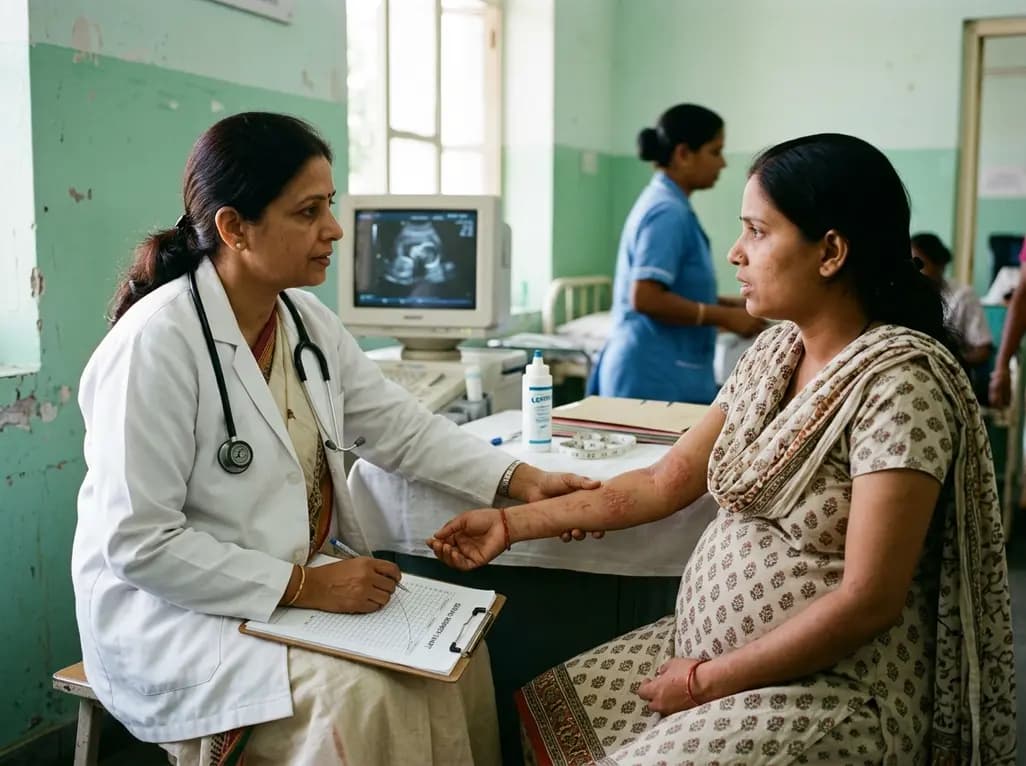
A comprehensive meta-analysis of over 278,000 women demonstrates that maternal atopic dermatitis significantly increases risks of premature rupture of membranes and low birth weight. Discover essential clinical insights on disease mechanisms, serial antenatal growth monitoring, and safe therapeutic interventions.
Today
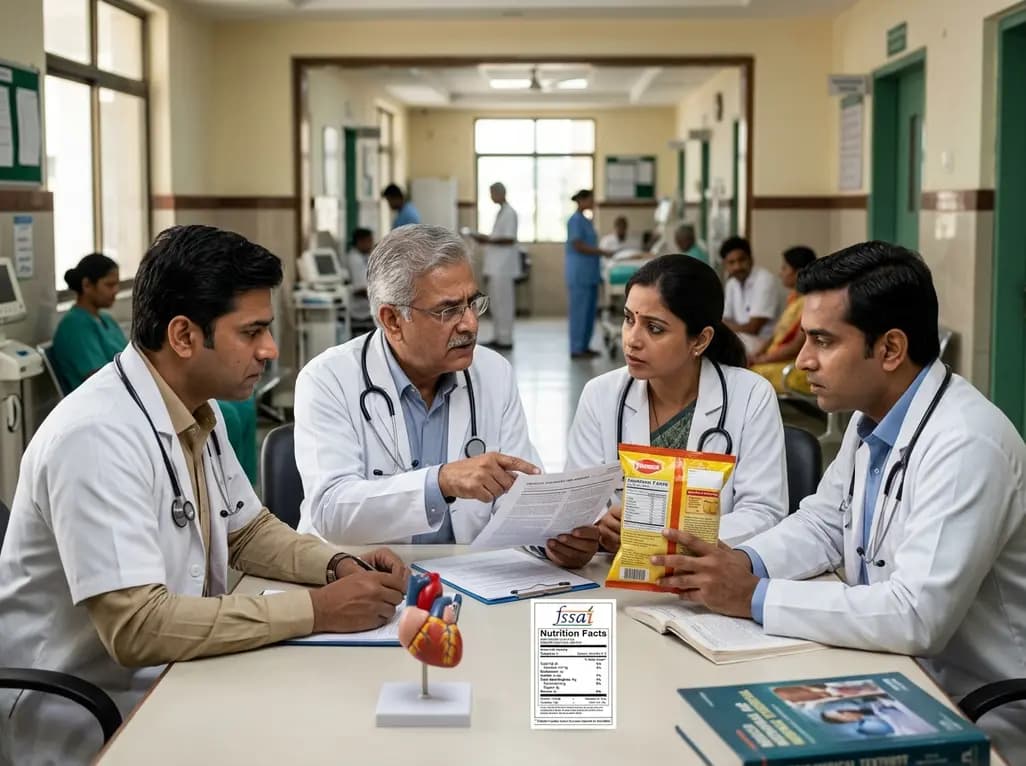
Over 60 international public health researchers have advised FSSAI to mandate front-of-pack warning labels for any packaged product high in even one critical nutrient: sugar, saturated fat, or sodium. This reform counters phased rollouts to accelerate consumer protection and address India's chronic disease burden.
Today
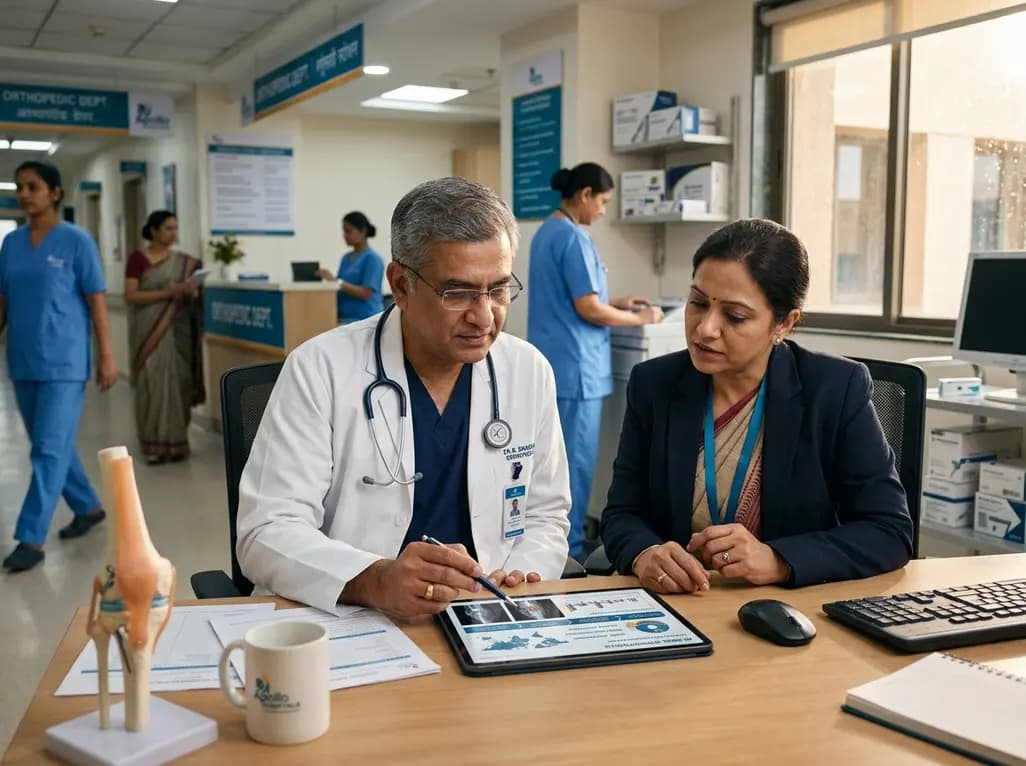
Apollo Global Management is in talks to acquire Johnson & Johnson's DePuy Synthes orthopedics unit in a potential $20 billion transaction. This comprehensive analysis reviews the MedTech restructuring, product lines in joint reconstruction, ongoing legal issues, and key implications for global orthopedic surgery.
Today
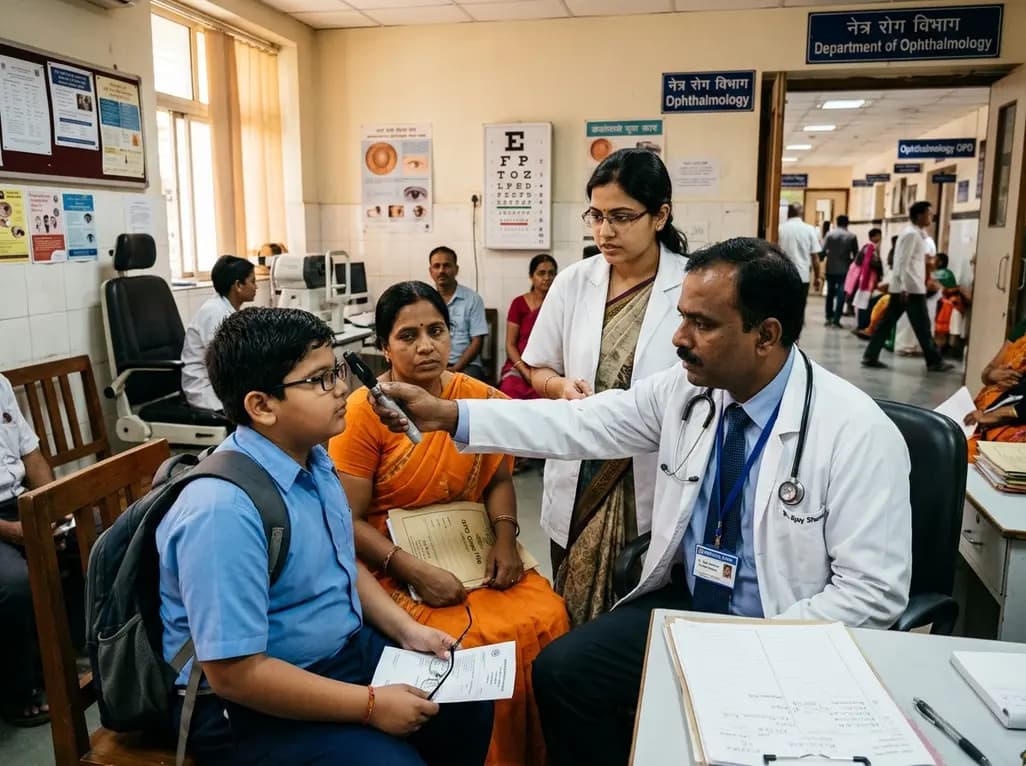
A cross-sectional study reveals that elevated METS-IR is independently associated with higher myopia odds in adolescents, showing biological synergy with obesity and highlighting the need for metabolic screening in pediatric eye care.
Yesterday
