.webp&w=384&q=75)

Loading, please wait...
Loading, please wait...

Corporate preventive healthcare is rapidly becoming the cornerstone of employee welfare across India Inc. Recent data indicates a significant transition from reactive treatment to proactive health intelligence. Notably, annual health check utilization has surged by 48% year-on-year. Furthermore, doctor consultations have increased 2.5 times, signaling a major cultural shift. Companies are now prioritizing data-driven decisions to build a more resilient workforce.
According to the ekincare \"India Inc-Preventive Health Utilisation Report 2026,\" the healthcare sector itself leads this transition with 122% growth. Similarly, the BFSI and IT sectors show remarkable increases in health consciousness. High-pressure industries are increasingly adopting digital health platforms to monitor employee well-being continuously. Consequently, health intelligence is replacing episodic interventions as the primary mode of care management.
Gen Z employees are leading this transformation by recording more than double the growth in health engagement over two years. This demographic outpaces millennials and older employees significantly. Additionally, mental wellness has moved from being an optional perk to a standard benefit in over 10% of companies. Specifically, younger workers in the IT and BFSI sectors show the highest uptake of psychological support services. This trend highlights a generational shift toward holistic well-being in the workplace.
While metropolitan areas still dominate health check volumes, tier-2 and tier-3 cities now contribute 32% of total activity. This expansion indicates wider access to preventive services beyond traditional urban hubs. However, significant gaps persist among factory and shop-floor workers. Currently, more than 80% of these individuals remain unrepresented in corporate health data. Addressing this disparity is crucial for achieving comprehensive workforce health equity across the nation.
Moreover, remote workforces often lack consistent follow-up care despite initial interactions. In contrast, senior leadership demonstrates the highest engagement quality and consultation intensity. Effective health management requires bridging these gaps to ensure all employee levels benefit from data-backed care. When preventive care remains continuous, it builds a workforce that is consistently available and performing at its best.
Q1: Which industries are seeing the highest growth in preventive health engagement?
The healthcare sector leads with 122% growth, followed by the BFSI sector at 108% and the IT/Software industry at 29%.
Q2: How does age influence employee participation in health programs?
Gen Z recorded more than double the health engagement growth over two years, significantly outpacing both millennials and employees over the age of 40.
Q3: Is mental wellness becoming a standard corporate benefit?
Yes, mental wellness is now a standard benefit at approximately 10.53% of companies, with high utilization among younger employees.
Disclaimer: This content is for informational and educational purposes only. It does not constitute medical advice or replace professional judgment. Refer to the latest local and national guidelines for clinical practice.
References

Read summarized clinical updates, watch expert medical content, and earn CME certifications right from your smartphone.
Open your smartphone camera to scan and install.





India's corporate sector is shifting to proactive health management, with a 48% rise in annual checks and a significant focus on mental wellness for Gen Z....
6 months ago
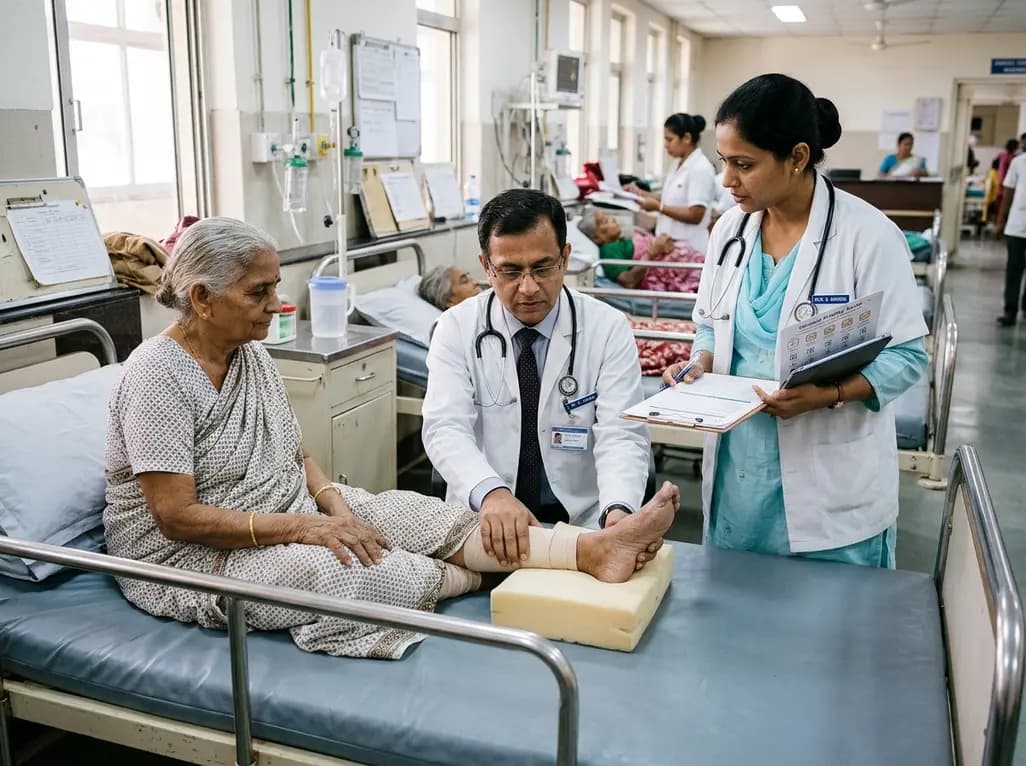
A retrospective cohort study reveals that frailty quadruples the odds of pressure injuries in hospitalized older adults. Integrating the Clinical Frailty Scale with comprehensive geriatric care is crucial for identifying vulnerability early and implementing targeted multidisciplinary prevention.
Today
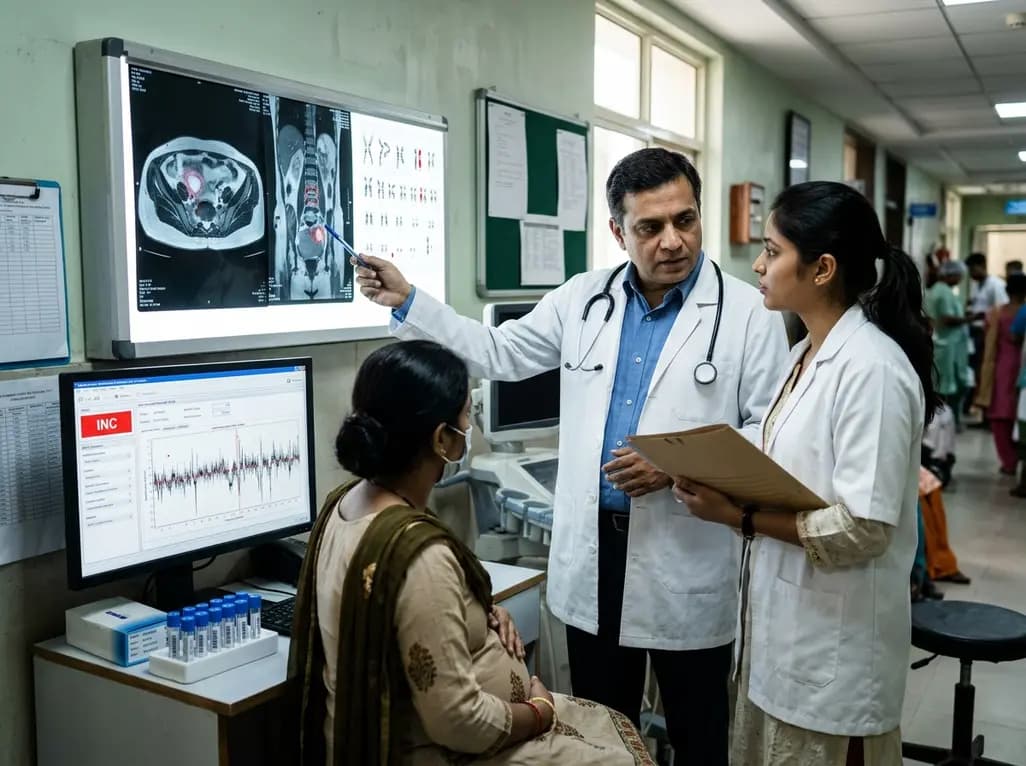
Occult maternal malignancy accounts for 3.82% of persistent unreportable NIPT results with genomic noise. Multiple chromosomal aberrations, notably on chromosome 18, warrant thorough oncological evaluation and whole-body MRI to ensure timely maternal diagnosis while preserving fetal care.
Today

This article reviews the forensic and clinical complexities of acute myocarditis arising on left ventricular hypertrophy in children, highlighting early diagnostic red flags and multidisciplinary postmortem autopsy protocols.
Today
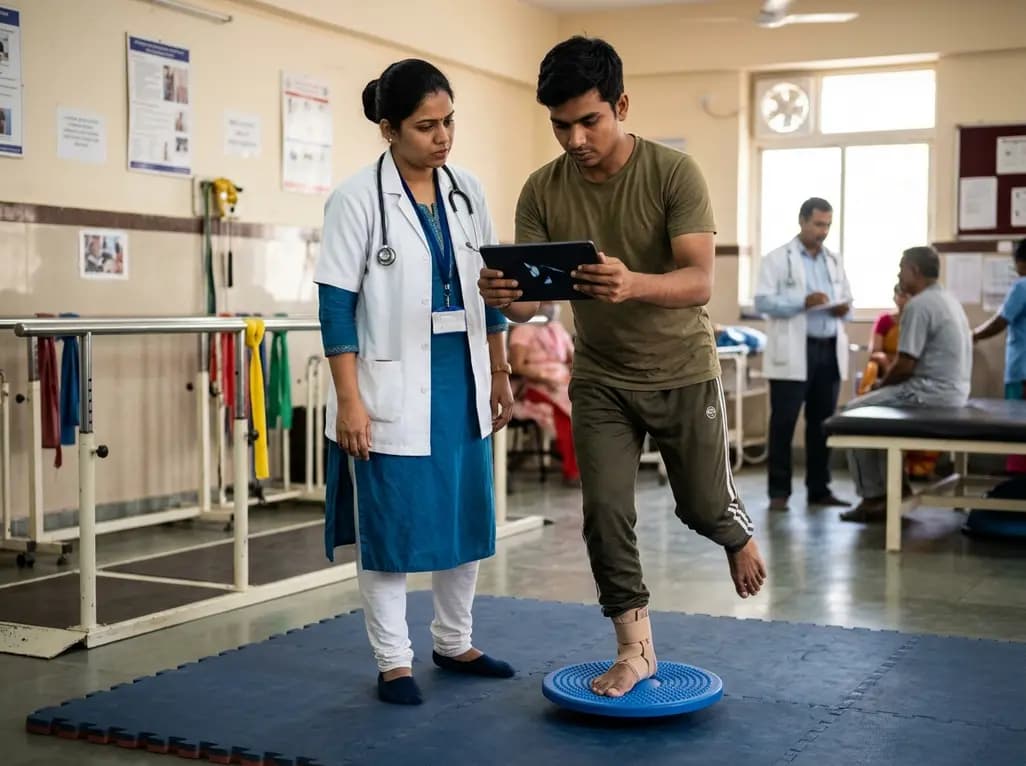
A randomized controlled trial demonstrates that an eight-week dual-task training intervention significantly improves static and dynamic postural control over standard balance exercises in individuals with chronic ankle instability, addressing critical neurocognitive deficits during athletic and daily activities.
Today

A retrospective cohort study of 7,716 ICU patients from the MIMIC-IV database demonstrates that Gradient Boosting Decision Trees significantly outperform traditional SOFA scores in predicting in-hospital mortality among patients with sepsis and diabetes, with SHAP analysis providing clinical interpretability.
Today
