.webp&w=384&q=75)

Loading, please wait...
Loading, please wait...
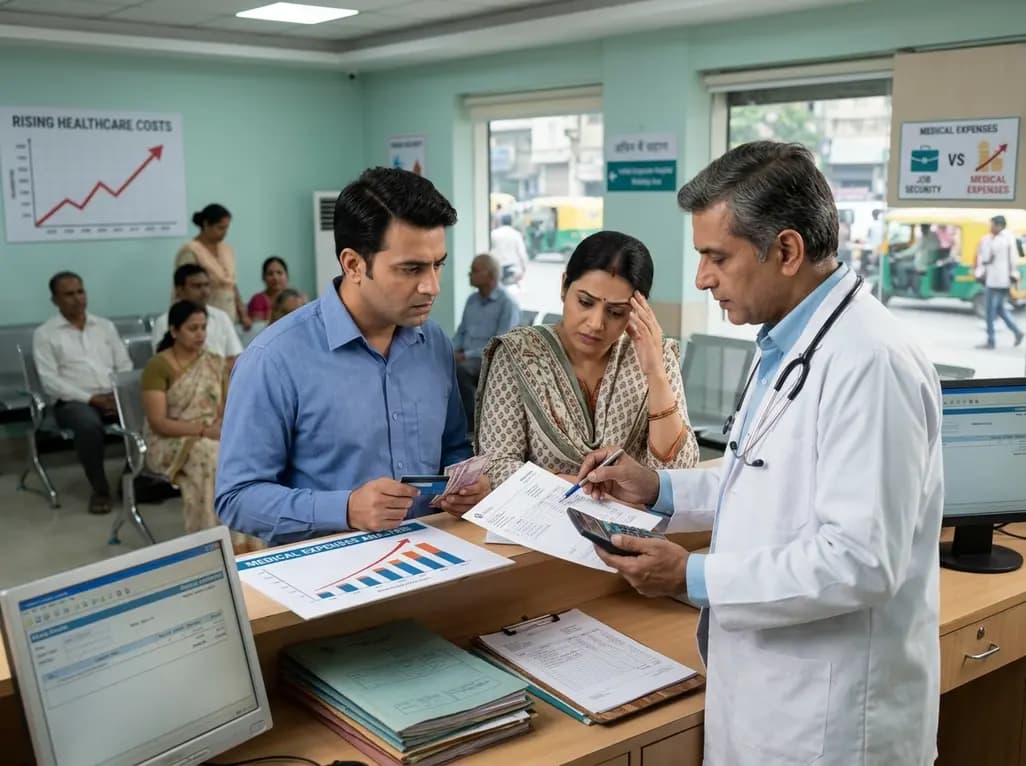
Recent survey data reveals that corporate healthcare costs India have officially surpassed job security and monthly home loan EMIs as the top financial anxiety among urban working professionals. According to Tata AIG’s Corporate Health Protection Pulse 2026 survey, nine out of ten corporate employees report experiencing significant stress due to unexpected medical expenses. Furthermore, nearly seven in ten workers indicate that their existing savings could sustain them for six months or less following a sudden income loss. Consequently, rising medical inflation and hospitalisation charges are placing unprecedented financial burdens on India’s modern workforce.
Rising medical inflation in India currently runs at double-digit rates, significantly outstripping general economic inflation across major urban centers. As a result, the escalating cost of hospital admissions, advanced diagnostic evaluations, complex surgical procedures, and long-term prescription pharmaceuticals creates profound anxiety for salaried employees. Furthermore, the Tata AIG study highlights that unexpected tertiary medical emergencies can quickly deplete household emergency reserves. Consequently, corporate employees who lack adequate secondary financial buffers often resort to liquidating long-term investments or incurring high-interest debt to manage hospital discharge bills.
In addition, lifestyle-related chronic conditions such as cardiovascular disease, type 2 diabetes, hypertension, and mental health disorders are increasingly affecting younger corporate demographics across India. These chronic medical challenges require continuous therapeutic management, frequent specialist consultations, diagnostic monitoring, and expensive maintenance medications. Therefore, these ongoing expenditures compound routine outpatient expenses and severely diminish disposable income over prolonged periods. Moreover, the fear of critical illnesses depleting lifetime savings forces many working families to delay necessary preventive screenings or elective clinical interventions, which ultimately leads to more severe health crises later.
Group Medical Cover (GMC) provided by employers remains a fundamental cornerstone of employee welfare programs across corporate India today. However, heavy reliance on employer insurance without individual personal policies creates severe structural vulnerabilities during major medical crises. The survey indicates that while eighty-four percent of corporate employees recognize the critical importance of supplemental health coverage, nearly half maintain no personal health insurance beyond their workplace plan. Furthermore, approximately seventy-five percent of respondents openly acknowledge that employer-provided group coverage alone would prove insufficient during a major emergency hospitalisation.
In addition, an alarming knowledge gap exists regarding specific policy parameters, mandatory co-payment clauses, disease-specific sub-limits, and room-rent capping restrictions. Specifically, only forty-one percent of surveyed corporate professionals report being fully aware of all features, exclusions, and financial limits within their group medical policy. Consequently, many patients discover hidden out-of-pocket costs, capped intensive care unit charges, and non-payable medical consumables only during emergency hospital discharge procedures. Therefore, health advisors and clinical risk experts strongly urge working professionals to evaluate their employer policy terms annually and secure independent retail health cover.
Career mobility and periodic professional transitions represent standard occurrences in modern corporate ecosystems throughout India. However, changing employment often exposes working professionals and their dependent family members to dangerous gaps in health insurance continuity. The survey reveals that eighty-eight percent of respondents consider uninterrupted coverage during job transitions vital to financial security. Despite this high level of awareness, only forty percent of corporate employees understand available continuity solutions, porting options, or retail conversion mechanisms. Consequently, unexpected medical events occurring between job resignations and new employment onboarding can lead to catastrophic out-of-pocket medical losses.
Furthermore, transitioning between corporate employers without an independent personal health policy frequently resets mandatory waiting periods for pre-existing medical conditions under new group schemes. As a result, employees managing chronic metabolic, cardiac, or autoimmune conditions may face temporary coverage exclusions during critical treatment phases. Additionally, unexpected corporate restructuring or extended unemployment can leave individuals completely uninsured if job loss coincides with acute clinical emergencies. Therefore, establishing a dedicated, lifelong individual or family floater health insurance policy provides essential protection against professional volatility and employment disruptions.
From a clinical perspective, severe financial stress linked to healthcare costs directly harms employee physical and psychological well-being. Chronic financial anxiety triggers sustained cortisol elevation, persistent hypertension, severe sleep disturbances, and heightened susceptibility to psychiatric conditions such as generalized anxiety and major depression. Furthermore, corporate employees burdened by healthcare cost fears often delay essential routine clinical consultations, baseline diagnostic blood panels, and early screening tests. Consequently, minor manageable medical conditions frequently progress into acute clinical emergencies that require prolonged inpatient hospital stays and invasive therapeutic interventions.
In addition, hospitalisation expenses, lifestyle diseases, comprehensive family health coverage, mental healthcare support, and emergency savings deficiencies represent the top five health concerns reported by urban professionals. Addressing these interconnected concerns requires corporate leaders, healthcare providers, and policy planners to implement robust clinical wellness strategies. Specifically, targeted preventive health initiatives, regular metabolic screenings, employer-sponsored mental health counselling, and structured chronic disease management protocols can dramatically reduce acute hospitalisation rates. Therefore, combining proactive personal wellness management with adequate insurance coverage safeguards long-term health outcomes while mitigating severe financial disruption.
To mitigate the growing protection gap, corporate employees must adopt structured, multi-layered health financing strategies without delay. Financial planning experts strongly recommend securing a baseline individual or family floater health insurance policy early in life when premium rates remain low and medical underwriting is straightforward. Furthermore, pairing a modest individual policy with a high-deductible super top-up plan offers massive sum-insured enhancements at exceptionally economical premium costs. As a result, working families can easily establish total health coverage exceeding fifty lakh rupees without straining monthly household budgets.
Additionally, corporate employees should actively evaluate their employer GMC benefits during annual open enrollment, opting for voluntary coverage upgrades, parental add-ons, and critical illness riders where available. Employers must also organize mandatory health insurance literacy workshops to educate staff regarding cashless hospital networks, room-rent limits, sub-limits, and porting rights. Moreover, maintaining a dedicated emergency liquid fund equal to at least six months of household expenditures provides an indispensable buffer during job transitions. Therefore, combining personal insurance policies, super top-up plans, and proactive emergency savings successfully shields corporate professionals from health inflation.
Q1: Why are corporate healthcare costs India emerging as a major concern for employees?
Corporate healthcare costs India are rising rapidly due to double-digit medical inflation, advanced medical technology, and an increasing prevalence of lifestyle diseases. Consequently, unexpected hospitalisation expenses create severe financial stress for nine out of ten employees, surpassing traditional anxieties like job loss or home loan EMIs. As a result, working professionals face significant risks to their long-term financial stability if they rely solely on standard workplace benefits.
Q2: Why is relying only on employer-provided group medical cover risky?
Relying exclusively on employer-provided group medical cover leaves professionals vulnerable during job changes, corporate layoffs, or post-retirement transitions. Furthermore, workplace plans often contain room-rent caps, co-payments, and disease sub-limits that result in significant out-of-pocket expenses during tertiary hospitalisations. Acquiring an independent personal health insurance policy ensures continuous, lifelong protection, uninterrupted waiting period accrual, and customized sum-insured amounts tailored to individual family requirements.
Q3: How can employees maintain health insurance continuity during a job change?
Employees can maintain health insurance continuity by porting their group coverage to an individual retail policy within specified regulatory timelines before resigning. Alternatively, maintaining an independent personal health insurance policy alongside employer cover guarantees uninterrupted protection regardless of employment status. Furthermore, understanding policy conversion guidelines and porting rules allows professionals to retain cumulative bonus benefits and pre-existing disease waiting period credits during career transitions.
Disclaimer: This content is for informational and educational purposes only. It does not constitute medical advice or replace professional judgment. Refer to the latest local and national guidelines for clinical practice.
References

Read summarized clinical updates, watch expert medical content, and earn CME certifications right from your smartphone.
Open your smartphone camera to scan and install.





A nationwide Tata AIG survey reveals that rising medical expenses have become the primary financial concern for corporate India, surpassing job security and EMIs. Nine out of ten employees experience financial stress due to hospitalisation costs, revealing critical protection gaps in group medical coverage.
2 months ago

A review highlights how N-acetyl-L-cysteine influences pancreatic beta cells differently across metabolic states. While it protects islets during glucolipotoxicity and diabetes, excessive antioxidant exposure during physiological or aging states can induce reductive stress and impair insulin release.
Today
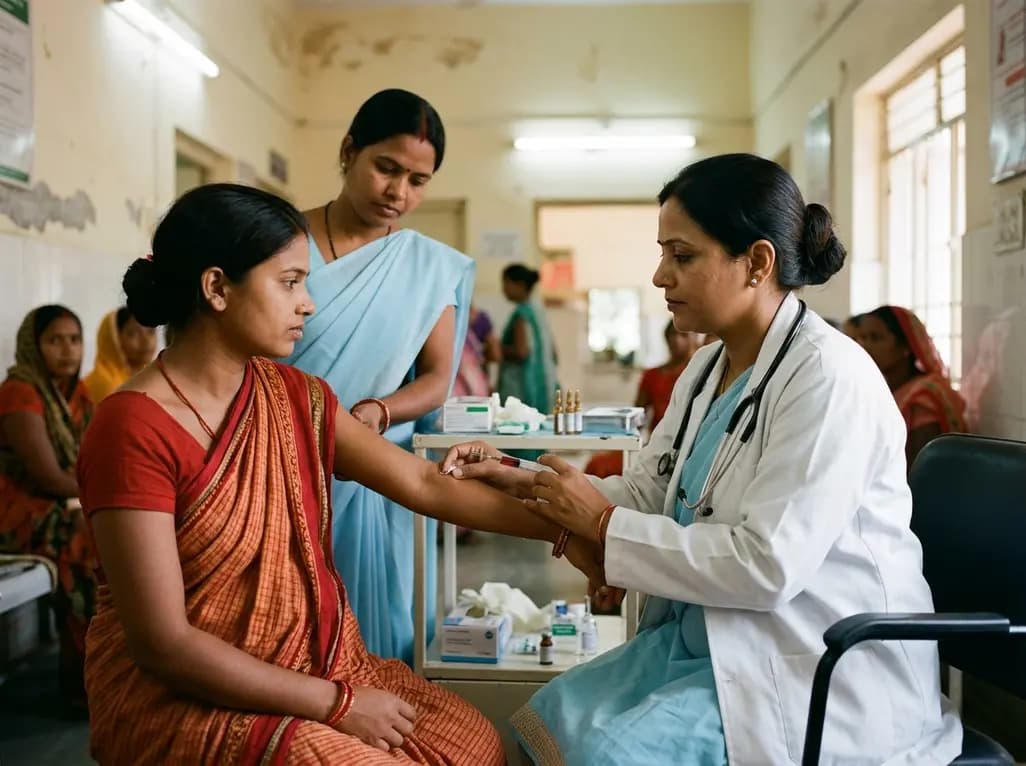
Maternal anaemia contributes to nearly half of pregnancy-related fatalities across India. To prevent complications, Uttar Pradesh has added single-dose parenteral iron to its essential medicines list. This clinical transition aims to restore haemoglobin rapidly and protect high-risk mothers across rural facilities.
Yesterday
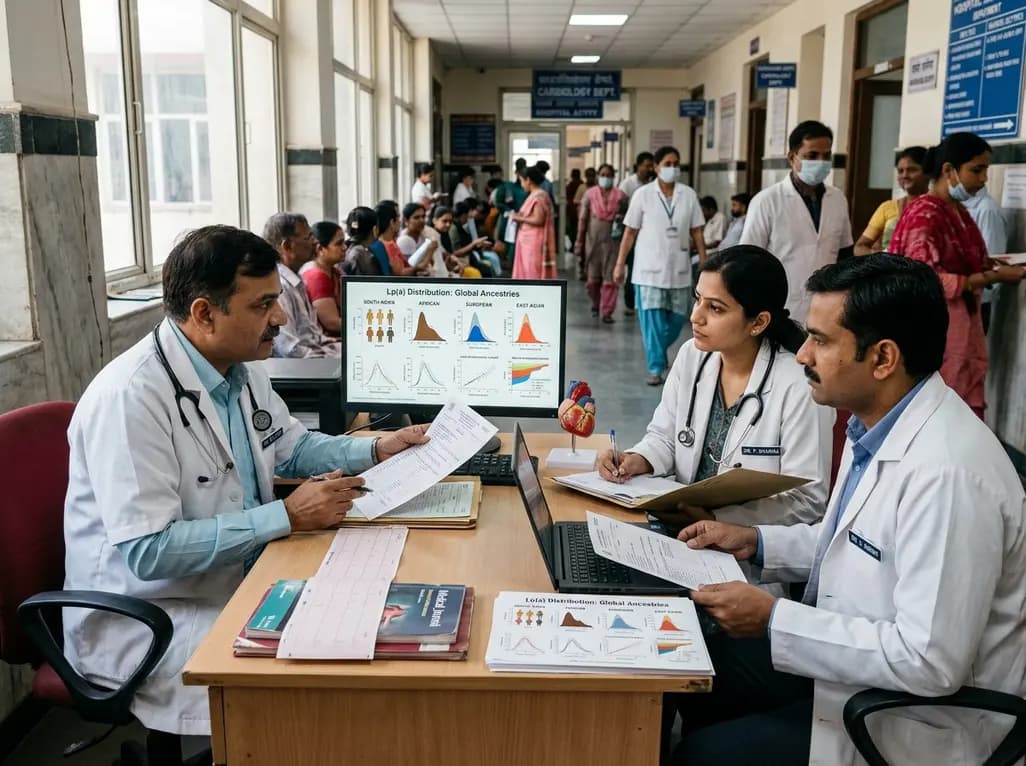
Atherosclerotic cardiovascular disease guidelines often rely on European-derived lipoprotein(a) cutoffs. However, baseline Lp(a) levels vary widely across ancestries, including South Asians and Africans. Clinicians must interpret Lp(a) values within overall absolute cardiovascular risk.
Today
A longitudinal study of 1,055 chronic low back pain patients reveals that higher patient activation fosters constructive pain medication attitudes, reduces disability, and decreases short- and long-term opioid use through collaborative, multimodal care.
Yesterday
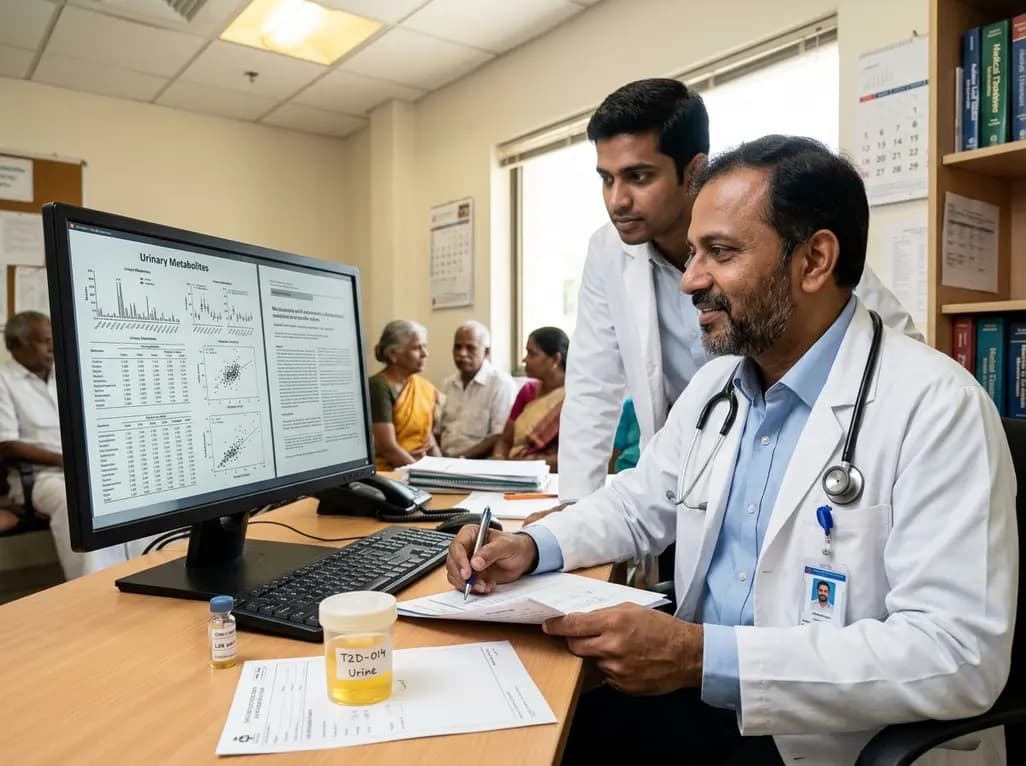
A landmark cross-sectional study in Asian adults with type 2 diabetes identifies novel urinary metabolites linked to mild cognitive impairment. Elevated urinary sucrose and altered metabolites highlight non-invasive pathways for early cognitive risk stratification and targeted metabolic management.
Yesterday
