.webp&w=384&q=75)

Loading, please wait...
Loading, please wait...

Union Health Minister J.P. Nadda was recently discharged from the All India Institute of Medical Sciences (AIIMS) in New Delhi after undergoing a successful coronary angioplasty. He initially presented with uneasy physical symptoms and chest discomfort, which prompted immediate diagnostic coronary angiography and subsequent revascularization. His clinical trajectory illustrates the essential role of prompt cardiac intervention and standardized post-procedure monitoring. For healthcare professionals managing acute coronary syndromes and stable ischemic heart disease, understanding every phase of coronary angioplasty recovery remains crucial. Interventional cardiology relies on rapid triage, precise catheterization, and robust in-hospital observation to stabilize patients and prevent adverse cardiovascular complications.
When a patient presents with unexplained chest discomfort or acute uneasiness, clinical teams must act promptly to evaluate myocardial perfusion. Diagnostic coronary angiography remains the gold standard modality for visualizing luminal narrowing, identifying culprit plaques, and determining whether percutaneous revascularization or surgical bypass offers optimal therapeutic benefit. Furthermore, early diagnostic imaging helps distinguish critical stenosis from microvascular dysfunction or non-cardiac causes of acute chest pain.
Interventional teams perform angiography via radial or femoral arterial access, with transradial access presenting significantly lower vascular bleeding risks. Once the operator identifies flow-limiting lesions, they assess fractional flow reserve or utilize intravascular ultrasound when plaque morphology requires deeper scrutiny. In acute settings, timely revascularization restores vital coronary blood flow, mitigates ischemic injury, and preserves left ventricular ejection fraction. Consequently, hospital pathways prioritize rapid cath-lab transfer for high-risk patients. Clinicians continuously evaluate hemodynamic parameters, cardiac biomarkers, and twelve-lead electrocardiograms during this phase. Prompt decision-making during the diagnostic window substantially reduces ischemic myocardium burden and improves short-term clinical outcomes across diverse demographic cohorts. Additionally, accurate diagnostic mapping establishes a safe foundation for selecting specific drug-eluting stent dimensions and deployment pressures.
Navigating successful coronary angioplasty recovery requires structured clinical oversight starting the moment the operator achieves hemostasis in the catheterization laboratory. Initially, medical teams focus on maintaining stable coronary perfusion, monitoring dynamic cardiac rhythms, and preventing acute thrombotic closure of the newly placed stent. Because modern interventional cardiology utilizes second-generation drug-eluting stents, the incidence of early acute elastic recoil has decreased substantially. Nevertheless, mechanical disruption of the endothelial surface triggers localized inflammatory cascades that necessitate careful clinical vigilance.
During the early recovery timeline, healthcare providers ensure adequate hydration to facilitate rapid contrast clearance through renal excretion. This simple step prevents contrast-induced acute kidney injury, particularly in elderly individuals or those with underlying baseline renal impairment. Furthermore, clinical teams must balance early mobilization with access-site stability. Patients undergoing transradial interventions can generally sit up and ambulate within hours, whereas transfemoral procedures require strict flat supine bed rest for four to six hours. Clinicians should closely evaluate repeated serial electrocardiograms and symptom reports to verify complete ischemic relief. By executing standardized post-procedure recovery pathways, hospitals safely minimize lengths of stay while avoiding premature discharge risks.
Comprehensive inpatient surveillance following percutaneous intervention ensures the rapid detection and management of procedure-related adverse events. Clinical staff must perform frequent checks of vital signs, distal peripheral pulses, and arterial access sites to detect occult hematomas, pseudoaneurysms, or retroperitoneal bleeding. If a patient experiences sudden flank pain or unexpected hypotension, clinicians must promptly consider access site complications or internal blood loss. Therefore, serial hematocrit measurements and focused bedside ultrasound provide immediate clarity.
Beyond vascular access oversight, continuous telemetry monitoring plays a pivotal role during the first twenty-four to forty-eight hours post-PCI. Transient reperfusion arrhythmias, sinus bradycardia, and conduction blocks may emerge as ischemic myocardium recovers baseline electrical stability. In addition, healthcare providers must monitor for subacute stent thrombosis, which usually presents as recurrent severe chest pain with fresh ST-segment elevation. If such symptoms appear, emergency repeat angiography becomes immediately necessary. Nurses and physicians also track fluid intake and urine output to confirm effective renal clearance of iodinated contrast media. Systematic inpatient care protocols thus provide a vital buffer between the acute interventional phase and a safe hospital discharge.
Pharmacotherapy serves as the cornerstone of post-angioplasty survival, specifically through dual antiplatelet therapy regimens that prevent stent thrombosis and recurrent ischemic events. Clinical guidelines recommend combining aspirin with a potent P2Y12 platelet inhibitor, such as ticagrelor, prasugrel, or clopidogrel. Patients receiving drug-eluting stents typically require uninterrupted dual antiplatelet therapy for six to twelve months, depending on their baseline ischemic versus bleeding risks. Clinicians must educate patients regarding strict medication adherence, as premature discontinuation remains the leading predictor of catastrophic stent thrombosis.
In addition to antiplatelet regimens, comprehensive guideline-directed medical therapy includes high-intensity statins to stabilize systemic atherosclerotic plaques and lower low-density lipoprotein levels below recommended targets. Furthermore, beta-blockers and angiotensin-converting enzyme inhibitors or angiotensin receptor blockers are indicated for patients exhibiting left ventricular systolic dysfunction, hypertension, or persistent diabetes mellitus. Clinicians should also consider prescribing proton pump inhibitors for individuals with high gastrointestinal bleeding risk profiles. Regularly reviewing drug interactions and renal dosing adjustments ensures patient safety throughout the transition from hospital to home-based recovery. Structured pharmacotherapy plans substantially diminish long-term cardiovascular mortality.
Revascularization successfully relieves acute vessel obstruction, but it does not cure underlying systemic coronary artery disease. Therefore, comprehensive secondary prevention programs remain imperative for all post-angioplasty patients to halt disease progression. Healthcare professionals should actively enroll recovering patients in medically supervised cardiac rehabilitation programs within a few weeks post-discharge. Supervised aerobic exercise helps restore functional exercise capacity, improves endothelial function, and supports long-term emotional well-being after a stressful cardiac event.
Moreover, medical providers must offer structured guidance on dietary modifications, emphasizing the consumption of Mediterranean-style diets rich in vegetables, whole grains, lean proteins, and unsaturated fats. Reducing sodium intake and eliminating dietary trans fats significantly improves blood pressure control and lipid parameters. For tobacco users, immediate smoking cessation represents the single most impactful behavioral change, cutting subsequent cardiovascular mortality rates by nearly half. Clinicians must schedule periodic outpatient visits to monitor glycemic targets, lipid profiles, and blood pressure readings. By integrating proactive lifestyle modifications with continuous patient education, medical teams empower individuals to maintain durable cardiovascular health and avoid future emergency revascularization procedures.
Q1: What are the primary indications for performing a coronary angioplasty?
Clinicians perform coronary angioplasty to restore myocardial blood flow in patients suffering from acute coronary syndromes, such as ST-elevation myocardial infarction or non-ST-elevation myocardial infarction. Additionally, interventional cardiologists use the procedure for patients with chronic stable angina whose symptoms persist despite optimal medical therapy, or those demonstrating extensive inducible ischemia on non-invasive stress tests. Angioplasty relieves severe angina, stabilizes unstable plaques, and prevents significant irreversible cardiac muscle necrosis.
Q2: How long does a patient typically remain under observation after angioplasty?
Most uncomplicated elective angioplasty patients stay under observation in the cardiology ward for twenty-four to forty-eight hours after the procedure. This observational window allows medical teams to monitor arterial access sites for hematoma formation, assess renal clearance of contrast dye, and track telemetry rhythms. Patients who undergo emergency angioplasty during an acute myocardial infarction often require slightly longer inpatient stays to evaluate ventricular function, titrate medications, and ensure stable hemodynamics before discharge.
Q3: Why is strict adherence to dual antiplatelet therapy essential post-stenting?
Strict adherence to dual antiplatelet therapy prevents life-threatening acute and subacute stent thrombosis. Newly deployed drug-eluting stents expose metallic struts and polymer coatings to circulating platelets before complete endothelialization occurs over several months. Discontinuing antiplatelet medications prematurely triggers rapid platelet aggregation inside the stented vessel, frequently resulting in massive myocardial infarction or sudden cardiac death. Continuous therapy maintains vascular patency until the stent struts are safely covered by healthy endothelial tissue.
Disclaimer: This content is for informational and educational purposes only. It does not constitute medical advice or replace professional judgment. Refer to the latest local and national guidelines for clinical practice.
References

Read summarized clinical updates, watch expert medical content, and earn CME certifications right from your smartphone.
Open your smartphone camera to scan and install.





When cardiac patients present with acute chest discomfort, rapid diagnostic angiography and percutaneous coronary intervention prevent severe myocardial damage. Structured post-intervention observation and long-term pharmacotherapy ensure optimal clinical outcomes and prevent recurrent ischemic cardiac events.
last month

Pancreatic cancer cachexia affects over 80% of patients, driving severe muscle wasting, systemic inflammation, and treatment intolerance. This review highlights key pathophysiological drivers, exocrine insufficiency, objective CT imaging, and emerging therapies like GDF-15 inhibitors to improve clinical outcomes.
Today

A scoping review reveals how pregnancy affects phonation through laryngeal edema and reduced phonation time rather than major acoustic pitch alterations. Learn how to identify, evaluate, and manage vocal symptoms in expectant mothers.
Today
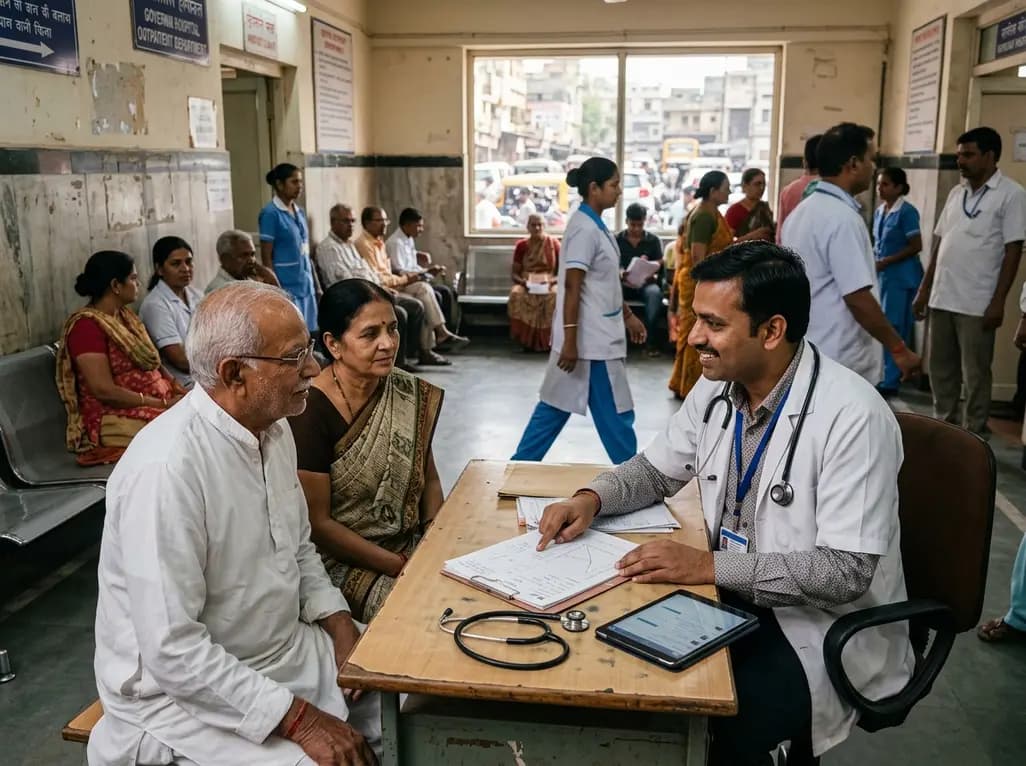
According to WHO data, average lifespan reached 73.3 years in 2023, recovering from pandemic lows. However, healthy life expectancy lags at 62.8 years due to surging noncommunicable conditions like cardiovascular disease and dementia, demanding proactive primary screening and sustained chronic care.
Today
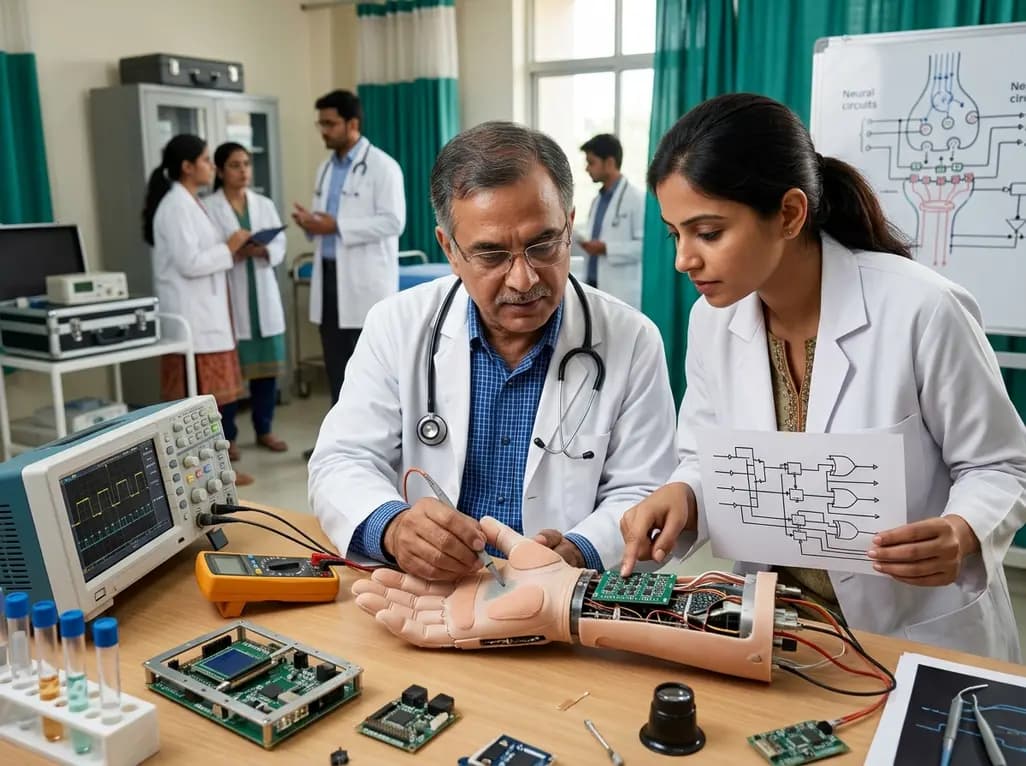
Researchers have engineered an artificial sensory-pain integrated receptor using a multi-threshold organic synaptic transistor. The system distinguishes benign touch from noxious stimuli, enabling safer, more responsive prosthetic limbs with built-in memory and simplified hardware architecture.
Today
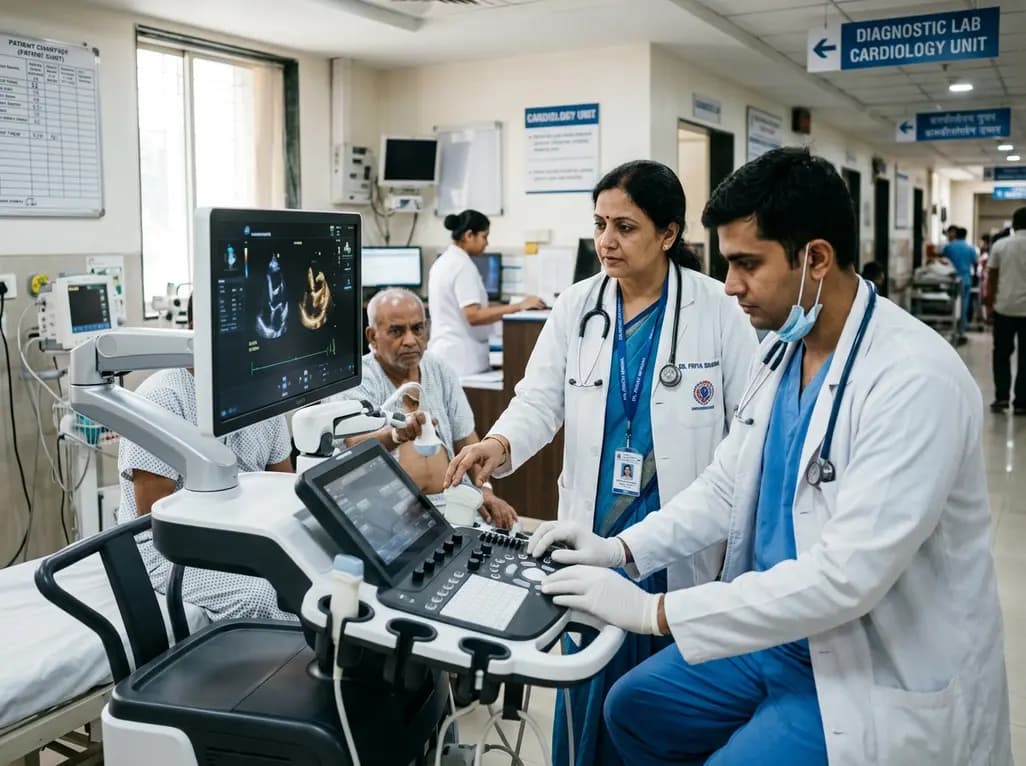
Medical robotics is transitioning beyond operative suites into diagnostics, cardiology, and endocrinology. Explore how innovations in tele-robotics, AI integration, and nanomedicine are overcoming geographical barriers and transforming precision healthcare delivery across India's evolving disease landscape.
Today
