.webp&w=384&q=75)

Loading, please wait...
Loading, please wait...
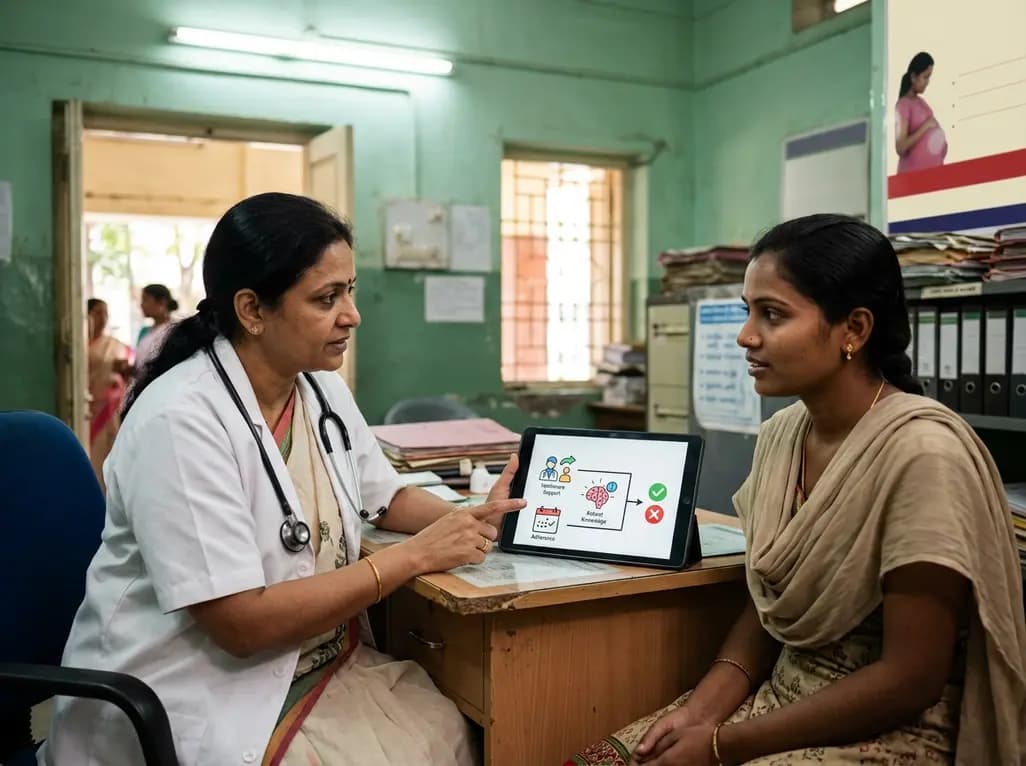
Unintended pregnancies among women living with HIV present a significant public health challenge worldwide. Therefore, clinicians require robust tools to support reproductive autonomy and maternal health. A recent study has introduced a contraceptive failure prediction framework to address these specific needs. This tool helps identify patients at high risk of unintended pregnancy by evaluating specific socioeconomic and clinical factors.
Researchers identified several critical determinants that collectively predict the likelihood of contraceptive failure. Notably, healthcare workers' support plays a pivotal role in ensuring patient adherence and satisfaction. Furthermore, the patient's knowledge of contraceptive use directly influences the effectiveness of the chosen method. Access to preferred contraceptives and stable income levels also emerge as significant predictors. Consequently, the contraceptive failure prediction framework integrates these variables to provide a comprehensive risk assessment for clinicians.
Implementing this determinants framework allows healthcare providers to offer more personalized counseling. Specifically, identifying barriers like low income or poor access enables targeted interventions. Therefore, clinics can optimize their resources by focusing on high-risk individuals. Additionally, improving provider-patient communication enhances the quality of care. In fact, this proactive approach significantly reduces the incidence of unintended pregnancies within this vulnerable population.
The framework identifies healthcare worker support, patient knowledge, access to preferred methods, and income as the primary predictors of contraceptive failure.
It provides a structured way for clinicians to assess risk, ensuring women receive the necessary education and resources to prevent unintended pregnancies.
Yes, the determinants framework is adaptable. It helps various healthcare settings prioritize interventions based on patient-specific determinants of failure.
Disclaimer: This content is for informational and educational purposes only. It does not constitute professional medical advice, diagnosis, or treatment. Always seek the advice of your physician or other qualified health provider with any questions you may have regarding a medical condition. Refer to the latest local and national guidelines for clinical practice.
References
Oguntade RT et al. Contraceptive failure prediction framework: A veritable tool for reducing incidence of unintended pregnancies among HIV-positive women. Afr J Reprod Health. 2026 Jun 11. doi: undefined. PMID: 42273838.
UNAIDS. The role of contraception in preventing HIV-positive births: global estimates and projections. 2019.
Sarkar K, et al. Linking HIV & family planning services to improve dual methods of contraception among women infected with HIV in Mumbai, India. Indian J Med Res. 2014.

Read summarized clinical updates, watch expert medical content, and earn CME certifications right from your smartphone.
Open your smartphone camera to scan and install.





A new framework identifies key determinants like healthcare support and patient knowledge to predict and reduce contraceptive failure among HIV-positive women through the Contraceptive Failure Prediction Framework (CFPF).
4 months ago
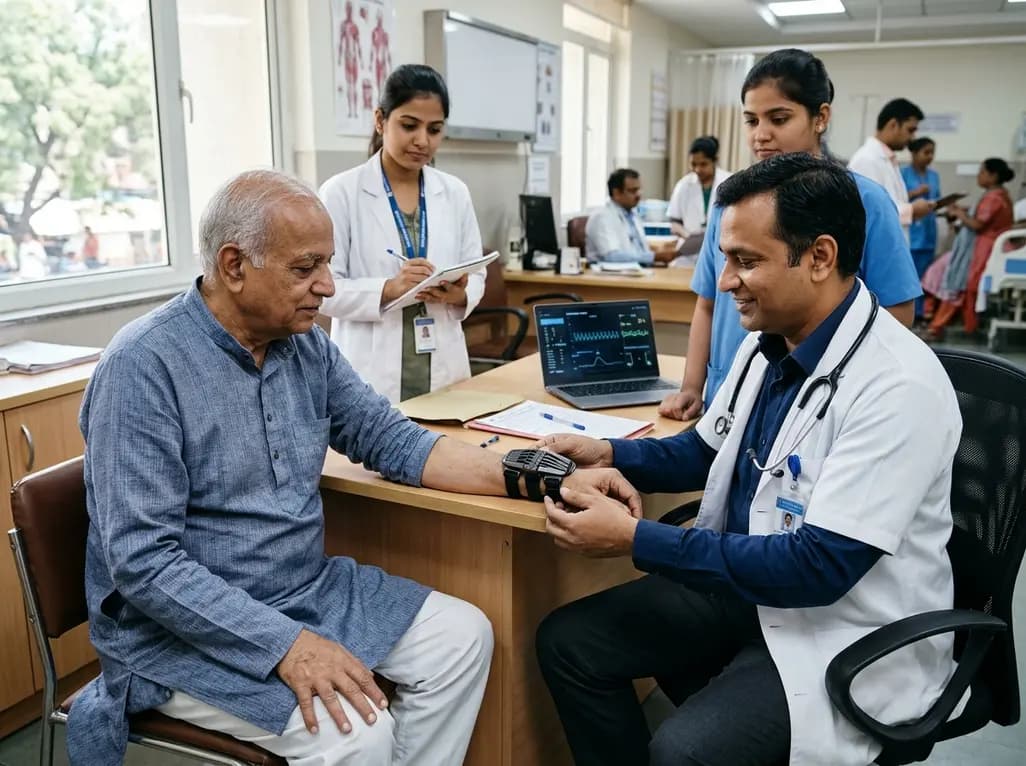
The TREM-AB open-label pilot study evaluated a wearable passive nonlinear vibration absorber for essential tremor. The Nonlinear Energy Sink bracelet reduced clinical Fahn-Tolosa-Marin tremor scores by 32.1% and electrophysiological tremor power by 49.2% with no adverse effects reported.
Today

A population-based study of 20,928 children reveals that small vulnerable newborns face sex-divergent mental capital outcomes at ages 6-7: term SGA girls show higher behavioral difficulties and lower resilience, while preterm non-SGA boys experience increased behavioral problems.
Today
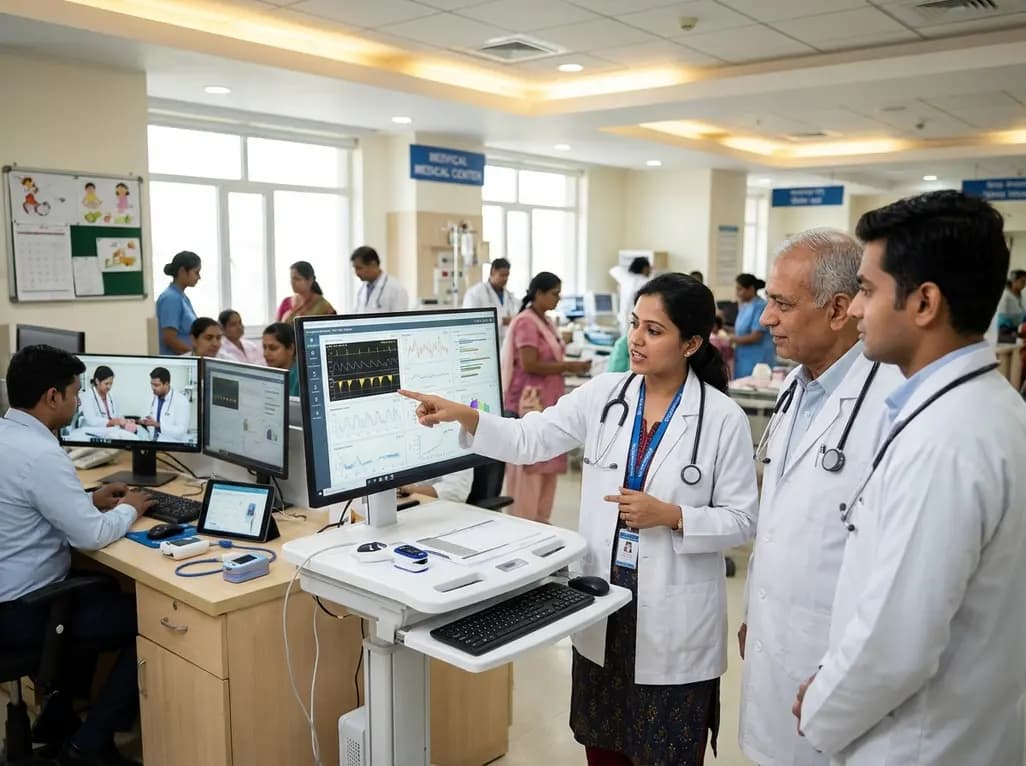
A landmark study details how an enterprise pediatric remote patient management model expanded from a single cardiology pilot to 16 diverse specialty programs by combining centralized digital operations with specialty clinical leadership.
Today
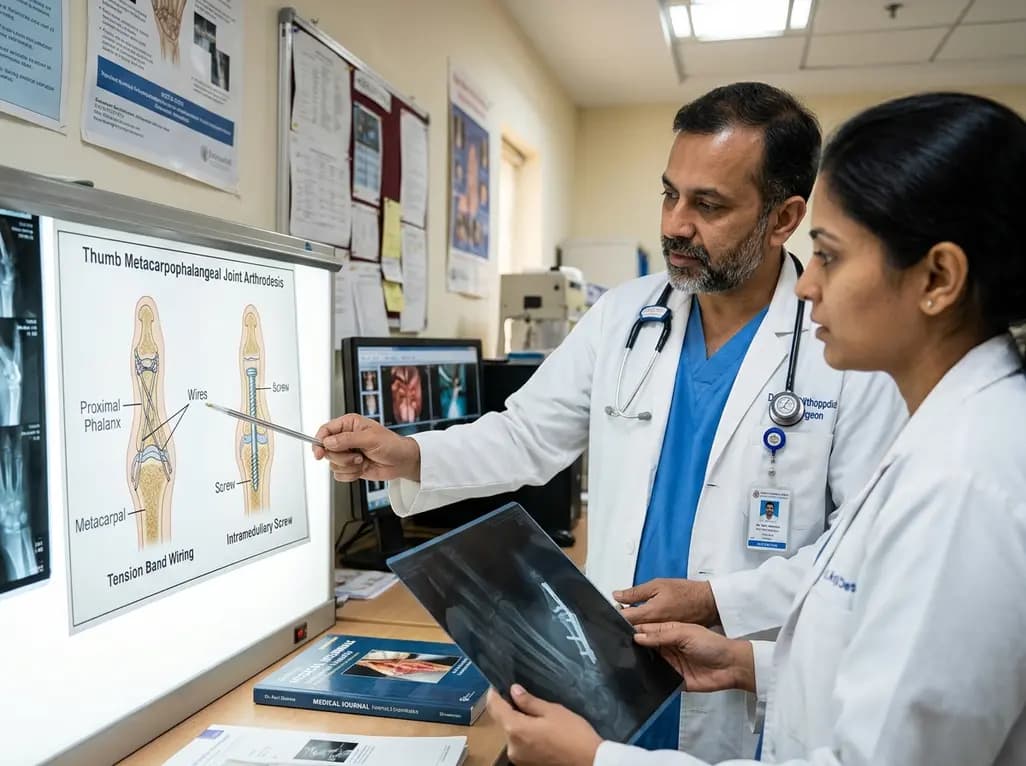
A comparative review of tension band wiring and intramedullary screw fixation in thumb metacarpophalangeal arthrodesis, evaluating union rates, hardware complications, and clinical outcomes.
Today
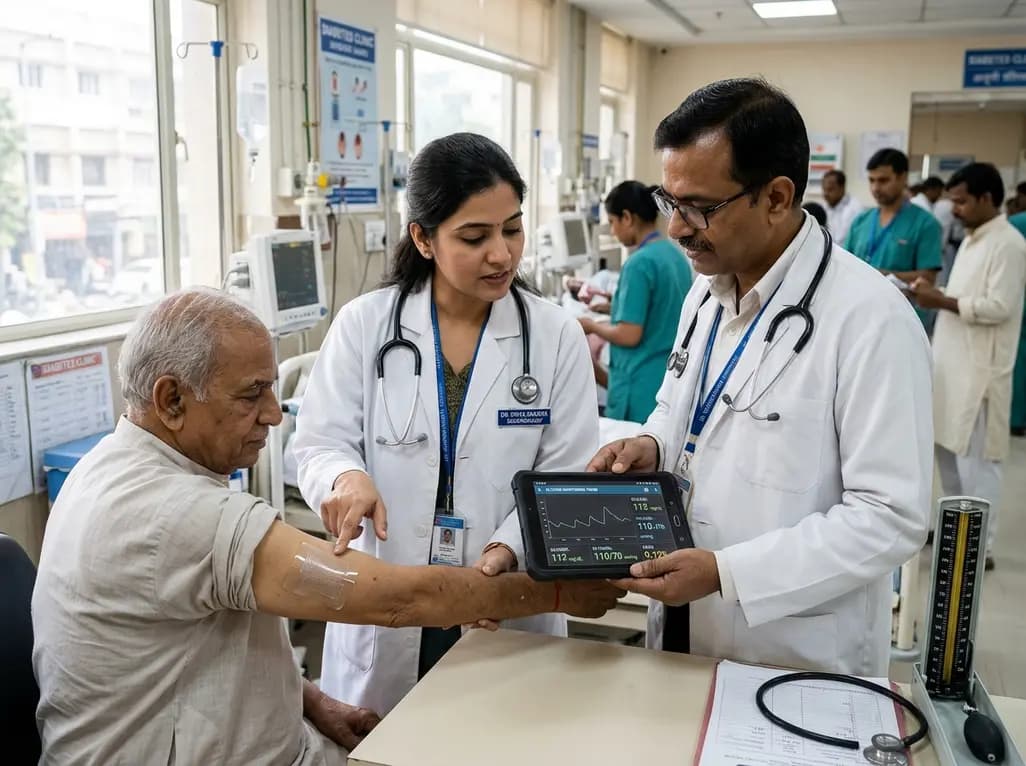
A breakthrough ultrathin multimodal sensor decouples physical hemodynamic monitoring from disposable electrochemical calibration, achieving long-term wearable glucose prediction with 81.36% accuracy and a 9.12% MARD. This offers a robust, drift-free solution for outpatient metabolic surveillance.
Today
