.webp&w=384&q=75)

Loading, please wait...
Loading, please wait...
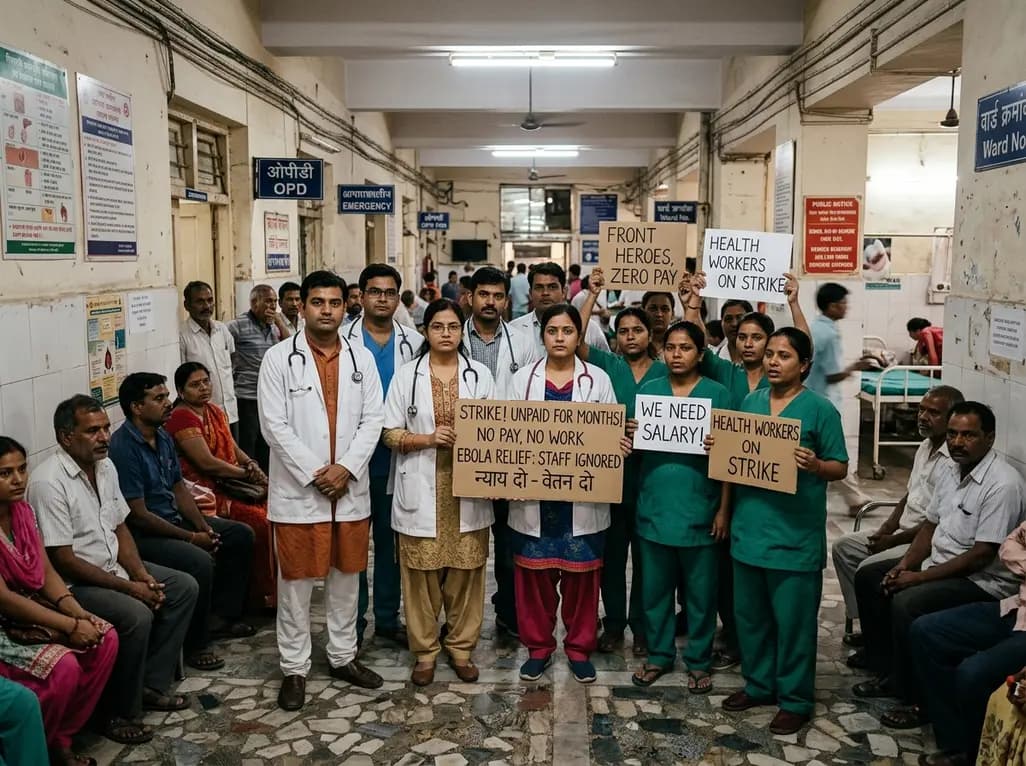
The global healthcare community is closely monitoring severe operational disruptions impacting the Congo Ebola outbreak response. Frontline clinicians and support personnel in Ituri province have staged walkouts over unpaid salaries and hazardous working conditions. Consequently, basic patient care and infection control measures face immense pressure across eastern Democratic Republic of the Congo. This escalating crisis jeopardizes containment efforts while mortality rates continue to rise rapidly in isolated medical centers.
The current epidemiological surge represents one of the fastest-spreading viral hemorrhagic fever emergencies on record. Official health data indicates that confirmed infections have surpassed 3,970 cases, with cumulative fatalities topping 1,800 patients. Furthermore, Ituri province accounts for nearly ninety percent of all documented infections across the nation. Healthcare workers in the capital city of Bunia recently gathered outside government administrative offices to demand immediate backpay. Protesting nurses and doctors reported working for months without receiving essential salaries or mandatory hazard bonuses. As a result, several critical isolation centers remain understaffed or entirely unattended. Local administrative officials previously attributed payment delays to complex logistical hurdles and remote banking bottlenecks. However, operational field leaders emphasize that frontline medical personnel cannot sustain high-risk clinical interventions without basic support. Consequently, routine supportive therapy, daily environmental decontamination, and active case surveillance have slowed dramatically across heavily impacted zones. Without functional staffing, patient isolation protocols fail, creating additional viral exposure risks for surrounding communities.
Frontline staff shortages instantly degrade containment efforts during high-consequence pathogen epidemics. When experienced clinicians walk off their duties, isolation units struggle to maintain rigorous infection prevention protocols. Consequently, environmental contamination risks rise rapidly inside designated treatment facilities. Moreover, essential therapeutic interventions, such as aggressive intravenous fluid resuscitation and continuous electrolyte monitoring, experience severe delays. Patient monitoring becomes erratic, which directly elevates mortality rates among critically ill individuals. Additionally, unpaid hygiene personnel cannot perform vital decontamination tasks on biohazardous waste and patient bedding. International medical organizations warn that expanding response steps are still failing to interrupt transmission chains quickly enough. Therefore, workforce walkouts directly accelerate viral dissemination across densely populated urban centers like Bunia. Furthermore, frightened patients may flee unmonitored healthcare settings, potentially introducing the virus into previously unaffected rural zones. Restoring operational stability requires immediate financial disbursements to guarantee consistent clinical staffing, rebuild worker trust, and enforce non-negotiable biosafety standards throughout eastern Congo.
Managing viral hemorrhagic fevers in low-resource environments presents extraordinary clinical challenges for healthcare providers. The ongoing crisis in eastern Congo is predominantly caused by the Bundibugyo species of the Ebola virus. Unlike the Zaire species, Bundibugyo currently lacks widely distributed licensed vaccines or proven monoclonal antibody therapies. Consequently, clinical management relies almost exclusively on aggressive supportive care, meticulous fluid balance management, and symptom control. Clinicians must focus on early intravenous rehydration, correcting severe electrolyte imbalances, and managing secondary infections. Furthermore, diagnostic confirmation requires specialized molecular testing that is frequently delayed by transport hurdles in remote regions. Because early clinical manifestations resemble common endemic illnesses such as severe malaria or typhoid, rapid isolation protocols are vital. Postponing supportive therapy often results in rapid clinical deterioration, severe hypovolemic shock, and multi-organ failure. Therefore, maintaining uninterrupted, highly trained clinical teams is indispensable for lowering mortality. Labor disruptions jeopardize these delicate clinical workflows, ultimately worsening patient outcomes and escalating hospital-acquired transmission risks.
Epidemic control in eastern Congo is further complicated by persistent security threats, armed conflicts, and population movements. Ongoing rebel activity and unregulated mining operations severely restrict access to remote communities where cases emerge. Official health statistics indicate that surveillance teams currently trace approximately seventy-five percent of exposed contacts. However, public health officials warn that sixty to seventy percent of new confirmed cases originate outside these identified contact lists. Consequently, undetected chains of transmission continue to seed new clusters across isolated rural districts. Furthermore, frontline health workers face frequent physical violence from rebel militia and hostile local mobs. Misinformation regarding disease origin frequently sparks attacks against treatment centers and triage posts. When responders face extreme physical danger combined with months of unpaid wages, operational morale completely collapses. International health leaders emphasize that authorities must prioritize worker safety and compensation to maintain outbreak containment. Without secure operational corridors, teams cannot execute contact tracing, transport laboratory samples, or perform safe burials.
The dangerous combination of labor walkouts, violent conflict, and a deadly pathogen poses major international public health threats. Global health agencies maintain strict epidemiological surveillance across neighboring African countries to detect potential cross-border transmission. Border control checkpoints conduct health screenings, yet highly porous geographic boundaries allow unmonitored population movements. Furthermore, research institutions are accelerating phase-one clinical trials for experimental vaccines and antiviral drugs specifically tailored to Bundibugyo Ebola. However, mass manufacturing and field deployment of these candidates remain several months away. Therefore, hospital systems worldwide must maintain elevated clinical suspicion for viral hemorrhagic fevers among travelers returning from central Africa. Emergency departments must strictly enforce immediate isolation protocols for patients exhibiting high fever, severe weakness, and bleeding manifestations. Comprehensive personal protective equipment guidelines and infection control training should be refreshed regularly. Ultimately, stabilizing the frontline workforce in Congo represents a crucial global health priority, as uncontained regional outbreaks endanger health security worldwide.
Overcoming this escalating public health crisis requires immediate, strategic action from national governments and global health partners. First, Congolese authorities must resolve financial bottlenecks to ensure rapid wage and bonus disbursements for all emergency responders. Implementing direct electronic payment mechanisms can eliminate administrative delays and rebuild broken trust among healthcare personnel. Second, international bodies must collaborate to bolster physical security for clinical teams operating in volatile conflict zones. Providing secure operational environments allows medical staff to manage isolation facilities without constant fear of violence. Third, public health communication must be restructured to address community mistrust and dispel dangerous health misinformation. Engaging respected community leaders, traditional healers, and local civic organizations is essential for restoring public confidence in medical interventions. Additionally, global donors must provide robust logistical support, ensuring steady supplies of personal protective equipment and emergency therapeutics. Finally, accelerating clinical research into Bundibugyo-specific treatments remains vital. Prioritizing frontline worker welfare is the absolute prerequisite for restoring containment and ending this catastrophic epidemic.
Q1: What caused the healthcare worker protest during the Congo Ebola outbreak?
Frontline healthcare workers in Ituri province initiated protests and walkouts due to several months of unpaid salaries and hazard bonuses. Responders face extreme personal risk from viral exposure and rebel violence without receiving basic financial compensation. Logistical administrative issues delayed these government disbursements, forcing clinicians and support personnel to walk off their jobs to demand immediate payment resolution while fighting the expanding epidemic.
Q2: Why is the Bundibugyo Ebola species particularly challenging to treat?
The Bundibugyo species of the Ebola virus currently lacks widely approved targeted antiviral therapies or licensed preventive vaccines, unlike the Zaire species. Consequently, clinical management relies entirely on aggressive supportive interventions, including intravenous fluid rehydration, electrolyte balance restoration, and treating secondary infections. The absence of specific therapeutics makes early clinical supportive care and rigorous hospital infection control vital for patient survival.
Q3: How do security issues and strikes impact global Ebola containment?
Staff strikes and armed conflict disrupt isolation ward operations, contact tracing, and safe burial practices. When clinical facilities lack qualified staff, isolation protocols break down, dramatically increasing community viral transmission risks. Furthermore, unmonitored population movements across porous international borders increase the likelihood of regional and global disease spread, making local workforce stabilization essential for broader global health security.
Disclaimer: This content is for informational and educational purposes only. It does not constitute medical advice or replace professional judgment. Refer to the latest local and national guidelines for clinical practice.
References

Read summarized clinical updates, watch expert medical content, and earn CME certifications right from your smartphone.
Open your smartphone camera to scan and install.





A severe crisis is unfolding as frontline health workers in the Democratic Republic of the Congo walk off the job over months of unpaid wages. With over 3,900 confirmed cases and 1,800 deaths, the strike severely paralyzes containment, contact tracing, and patient care in the epicenter of Ituri province.
last month
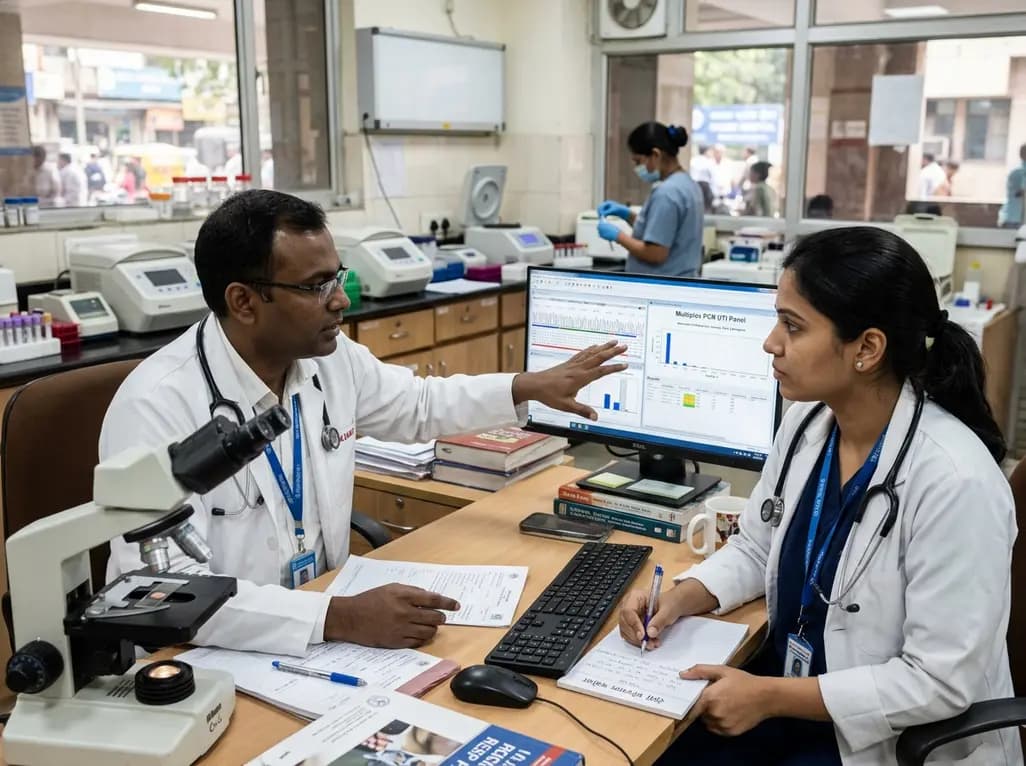
A systematic review evaluated molecular testing for UTIs across 12 clinical and microbiological studies. While PCR provides rapid results and symptom reduction, low specificity and industry sponsorship leave clinical utility uncertain.
Today
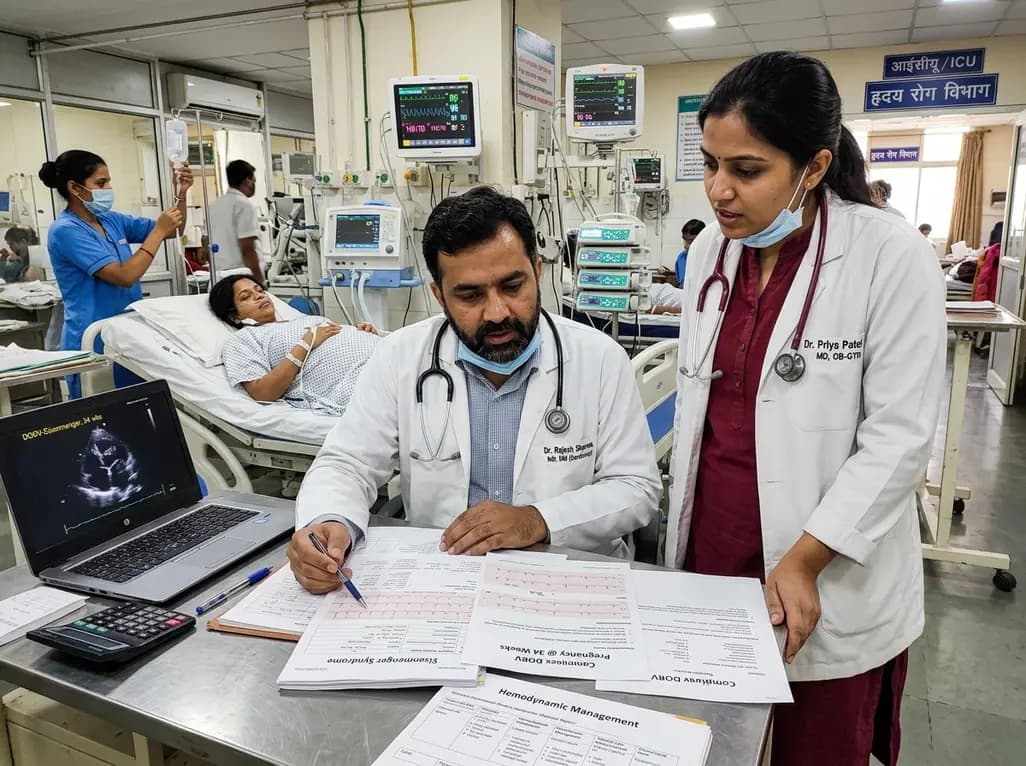
A recent case highlights favorable maternal and neonatal survival in a patient presenting at 34 weeks with probable Eisenmenger physiology and suspected double outlet right ventricle (DORV). Here is a critical review of hemodynamic challenges, delivery strategies, and peripartum management in complex cardiac disease.
Today
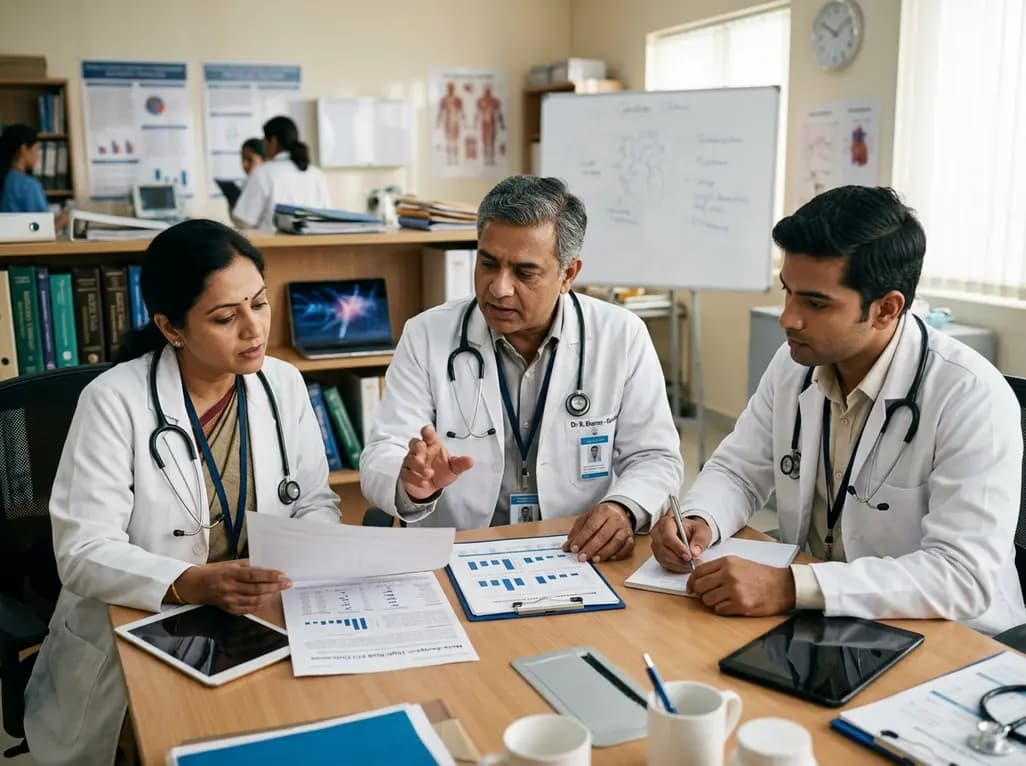
An updated systematic review and meta-analysis of 7,875 patients reveals that routine microaxial left ventricular support during nonemergent high-risk PCI does not reduce mortality or ischemic complications, while significantly increasing major bleeding events.
Yesterday
Systematic review comparing labral repair and reconstruction in primary hip arthroscopy shows comparable short- to mid-term patient-reported outcomes, with lower THA conversion after repair but superior outcomes for reconstruction in patients aged 40 and older.
Today
Subacute thyroiditis presents diagnostic dilemmas when differentiating it from malignancy or chronic thyroiditis. Discover how 2D shear wave elastography provides quantitative tissue stiffness metrics that enhance diagnostic accuracy and assist in tracking disease resolution during therapy.
Today
