.webp&w=384&q=75)

Loading, please wait...
Loading, please wait...
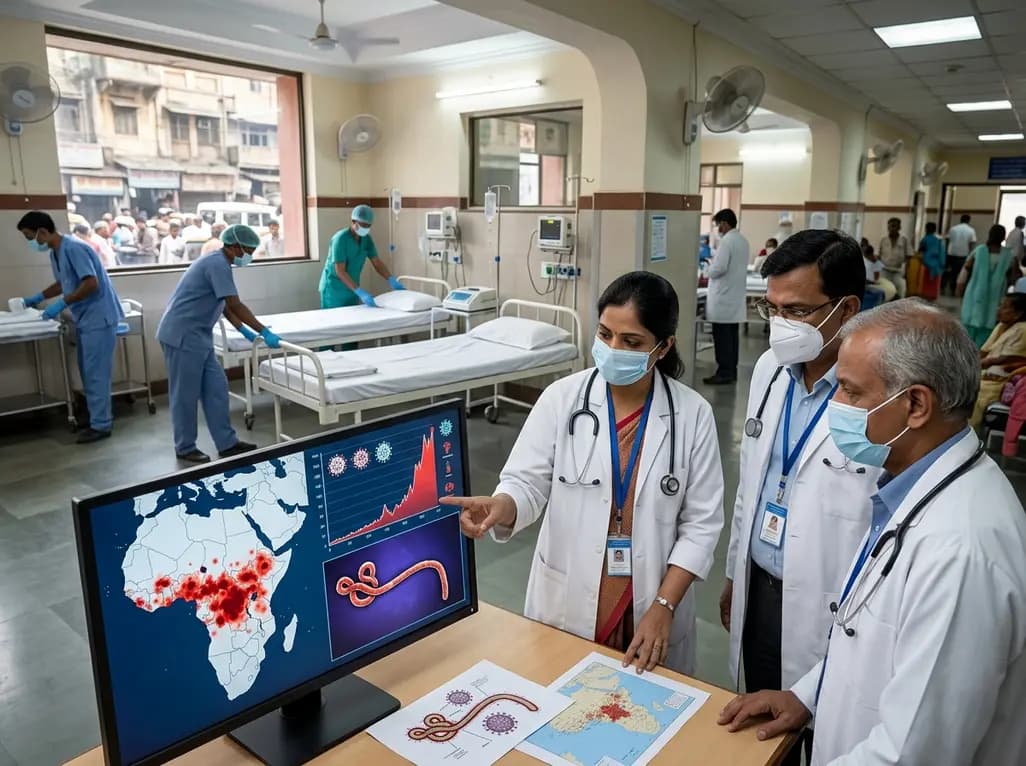
The recent Congo Ebola outbreak has escalated at an unprecedented rate. Consequently, it marks the highest first-month case count of any documented epidemic. Global healthcare organizations are raising the alarm as infections spread rapidly. Therefore, medical professionals must closely monitor clinical developments and community transmission patterns. Understanding these dynamics will help implement effective containment strategies.
The rapid expansion of the current epidemic stems primarily from early transmission in dense urban centers. Specifically, health authorities identified early cases in Bunia and the mining town of Mongbwalu. In the past, most outbreaks emerged in isolated rural areas where transmission naturally petered out. However, urban centers facilitate swift person-to-person contact and accelerate infection rates. This shift in transmission dynamics demands a highly aggressive public health response. Furthermore, detecting the virus late allowed it to circulate silently for several months before official declaration. Consequently, the case count quickly surpassed one thousand individuals within the first month. Healthcare providers in the region face overwhelming pressure as they try to isolate contacts. To combat this surge, response teams are rapidly scaling up local isolation facilities. Additionally, they are deploying emergency medical kits to affected zones. However, the virus continues to move faster than containment efforts. Epidemiologists emphasize that timely detection remains the cornerstone of outbreak control. Therefore, strengthening diagnostic capacity in urban clinics is an absolute priority for international responders.
The Bundibugyo species of the Ebola virus is driving the current crisis. Notably, this particular strain presents unique clinical challenges for frontline medical workers. In contrast to the more common Zaire strain, the Bundibugyo variant historically exhibits a lower case fatality rate. However, its high transmission rate in crowded environments remains a major concern. Patients typically present with sudden onset of fever, severe muscle pain, and profound weakness. Subsequently, gastrointestinal symptoms such as vomiting and watery diarrhea emerge rapidly. Because these symptoms mimic other common tropical diseases, misdiagnosis occurs frequently in local clinics. Consequently, healthcare workers must maintain a high index of suspicion for any presenting febrile illness. Early laboratory confirmation is essential to prevent nosocomial transmission within hospital wards. Currently, there is no approved vaccine or specific antiviral treatment for this strain. Therefore, clinical management relies heavily on aggressive supportive care and fluid resuscitation. Responders are evaluating several promising candidate vaccines in clinical trials. Meanwhile, clinicians must focus on meticulous electrolyte management to improve patient survival rates.
Infection rates have spiked dramatically within several crowded displacement camps in eastern Congo. Specifically, humanitarian workers have confirmed cases and deaths in at least three major camps. These sites already faced severe overcrowding and poor sanitation before the outbreak began. Consequently, preventing rapid transmission in these environments is extremely difficult. Many residents leave the camps daily to seek food or find work. As a result, they potentially expose themselves and others to the virus. Catholic aid organizations like Caritas are working tirelessly to support affected families. However, resources remain severely limited as the number of suspected cases grows daily. Responders are prioritizing the installation of handwashing stations and isolation tents. Furthermore, hygiene promotion campaigns are crucial to educate residents about transmission risks. International agencies are calling for immediate funding to address these compounding humanitarian crises. Without rapid intervention, these camps could become major amplification hubs for the disease. Therefore, establishing strict surveillance at camp entry points is vital to control the spread.
Initially, healthcare workers faced significant community resistance and violent opposition in several hot spots. For example, mistrust of external medical teams occasionally hindered contact tracing and safe burials. However, recent reports indicate that community resistance is finally beginning to abate. More and more communities are realizing the true risk of the disease. Consequently, local leaders are actively requesting protective tools and hygiene supplies to protect their families. This positive shift is critical for implementing effective control measures. Specifically, community-led surveillance helps identify suspected cases before widespread transmission occurs. Medical educators are working closely with local chiefs to build trust. Additionally, they are training community volunteers to deliver accurate health information. When communities take ownership of the response, containment efforts succeed much faster. Notably, the rapid expansion of Ebola treatment beds to over five hundred shows significant operational progress. Responders must sustain this momentum to ensure adequate clinical capacity. Therefore, continuous dialogue with local populations remains an indispensable component of the outbreak response.
Controlling this epidemic requires robust cross-border coordination and enhanced surveillance. Specifically, the International Organization for Migration emphasizes the need to monitor high-mobility transit corridors. Because eastern Congo shares highly active borders, the virus could easily spread to neighboring countries. Therefore, regional health authorities must implement strict screening protocols at all official border crossings. Additionally, international donors must provide immediate financial support to fund these essential operations. Past epidemics in West Africa demonstrate that delayed global funding leads to catastrophic loss of life. Conversely, swift and decisive action can dramatically curtail transmission chains and save lives. Researchers are currently accelerating the development of therapeutic candidates specifically targeting the Bundibugyo strain. While these medical advancements are promising, basic public health measures remain the most effective tools. Frontline clinicians must continue to emphasize early isolation, contact tracing, and community education. Only a comprehensive and unified strategy can successfully halt the spread of this deadly virus. Consequently, global solidarity is essential to overcome this health emergency.
Q1: Why is the current Congo Ebola outbreak spreading faster than previous epidemics?
The current outbreak is spreading rapidly because several early confirmed cases occurred in dense urban centers like Bunia. Historically, past outbreaks emerged in remote rural areas and naturally petered out quickly. However, crowded urban environments facilitate rapid person-to-person transmission. Additionally, the virus circulated silently for several months before its official declaration. Consequently, this late detection allowed transmission chains to expand significantly before responders could initiate containment measures.
Q2: What clinical strain is responsible for this outbreak, and are vaccines available?
The Bundibugyo species of the Ebola virus is responsible for this outbreak. Notably, there is currently no approved vaccine for this particular strain. This differentiates it from the Zaire strain. Consequently, clinical management relies heavily on aggressive supportive therapy. This includes intravenous fluid resuscitation and electrolyte correction. Although researchers are actively testing promising vaccine candidates, basic infection prevention remains the primary defense against transmission.
Q3: Why are displacement camps particularly vulnerable to the spread of Ebola?
Crowded displacement camps face immense vulnerability due to severe overcrowding and inadequate sanitation infrastructure. Furthermore, residents must frequently leave the camps during the day to work. This daily search for food or employment creates continuous contact with surrounding communities. Consequently, these movements make contact tracing extremely difficult. Therefore, introducing hygiene tools and conducting robust community education are urgent priorities to prevent catastrophic outbreaks.
Disclaimer: This content is for informational and educational purposes only. It does not constitute medical advice or replace professional judgment. Refer to the latest local and national guidelines for clinical practice.
References

Read summarized clinical updates, watch expert medical content, and earn CME certifications right from your smartphone.
Open your smartphone camera to scan and install.





The current Ebola outbreak in the Democratic Republic of Congo has recorded an unprecedented surge in first-month cases. As the Bundibugyo strain spreads into crowded urban centers and displacement camps, healthcare organizations are scaling up emergency beds and surveillance to halt transmission.
4 months ago
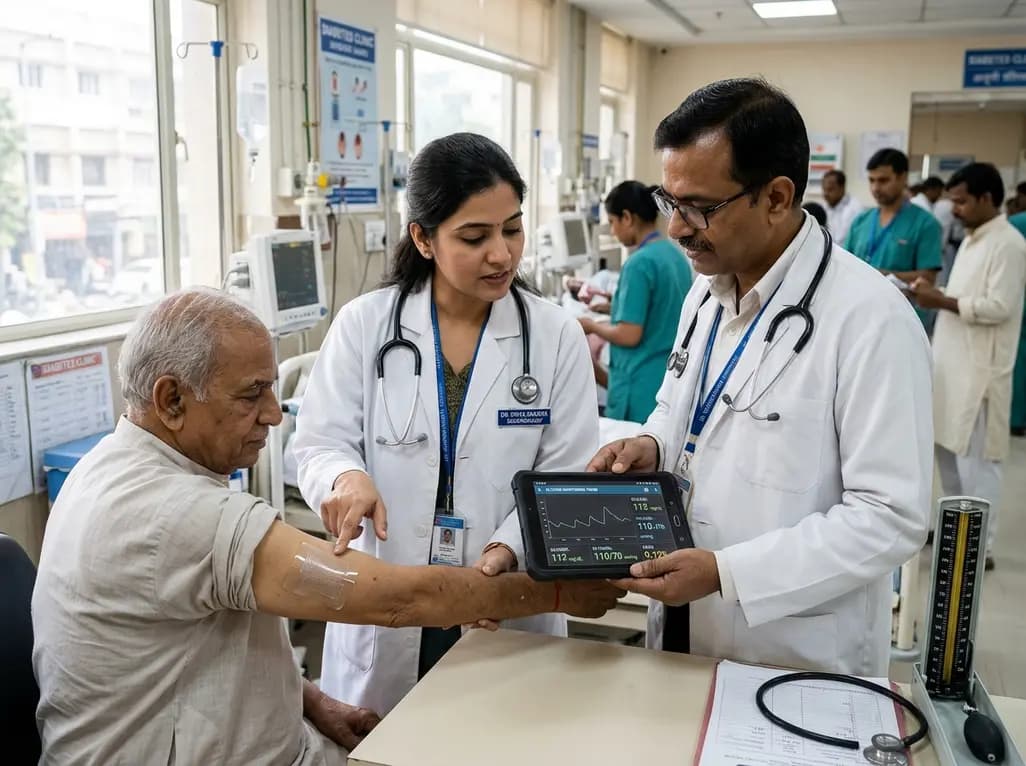
A breakthrough ultrathin multimodal sensor decouples physical hemodynamic monitoring from disposable electrochemical calibration, achieving long-term wearable glucose prediction with 81.36% accuracy and a 9.12% MARD. This offers a robust, drift-free solution for outpatient metabolic surveillance.
Today
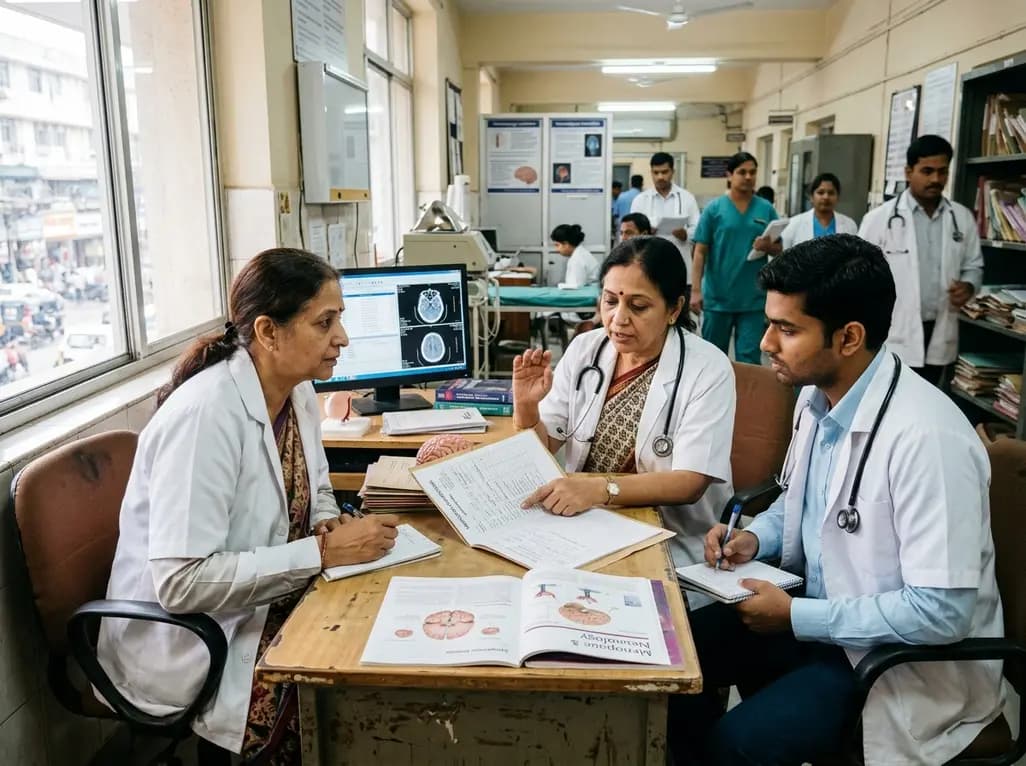
A clinical review of menopause and neurology highlights the neurobiological impacts of midlife hormonal shifts on cognition, epilepsy, migraine, multiple sclerosis, and stroke, emphasizing safe hormone therapy prescribing.
Today
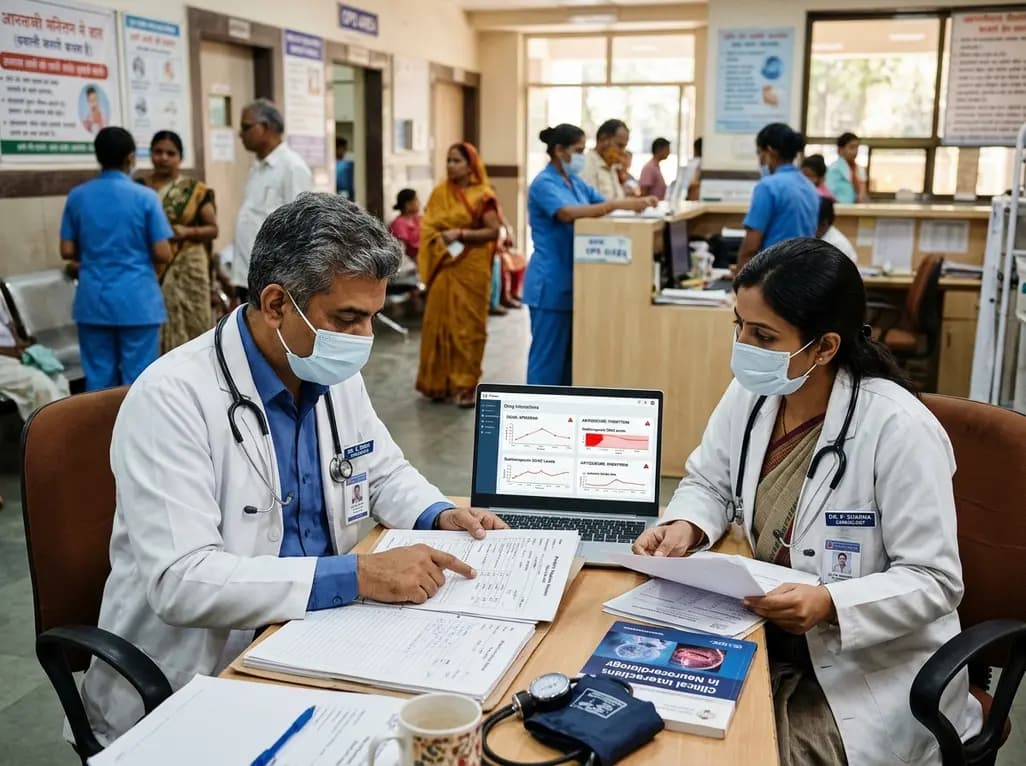
Co-administering antiseizure medications and DOACs frequently causes pharmacokinetic interactions, subtherapeutic drug levels, and thromboembolic failures. This review highlights enzyme induction risks, unpredictable outcomes with levetiracetam, and the vital role of therapeutic drug monitoring.
Today
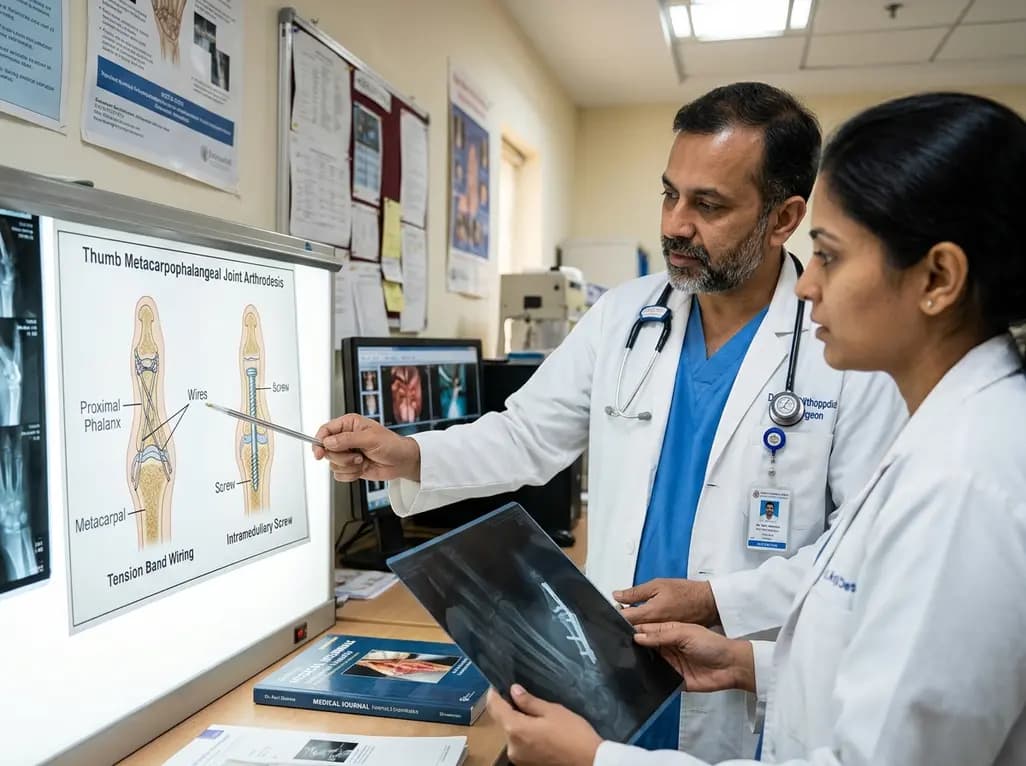
A comparative review of tension band wiring and intramedullary screw fixation in thumb metacarpophalangeal arthrodesis, evaluating union rates, hardware complications, and clinical outcomes.
Today

Following regulatory scrutiny from FSSAI regarding promotional representations and lean muscle preservation claims, Dr. Reddy's Laboratories and Nestlé Health Science are currently reviewing the branding and marketing strategy for their joint nutritional supplement Celevida GLP+.
Today
