

Loading, please wait...
Loading, please wait...

Managing severe eating disorders presents profound ethical and medical dilemmas. Clinicians often encounter individuals whose life-threatening malnutrition coincides with fierce refusal of clinical intervention. Consequently, compulsory anorexia nervosa treatment becomes a vital emergency safeguard when severe starvation impairs decision-making capacity. Involuntary admission under relevant mental health legislation aims to avert immediate fatality and restore physiological stability. However, coercive care carries immense psychological complexity for patients, families, and treating teams. Clinicians frequently worry that non-voluntary detention may damage the therapeutic relationship. Furthermore, healthcare teams often fear that compulsory hospitalization generates enduring resentment and poor engagement. Despite these concerns, empirical data comparing involuntary inpatient care with voluntary admissions have remained historically limited. Recent findings from the TRIANGLE trial secondary analysis offer indispensable clarity on these difficult issues. Specifically, investigators evaluated how clinical trajectories, psychological distress, and long-term recovery metrics differ between voluntary and involuntary admissions. Understanding these distinct pathways enables multidisciplinary teams to refine acute stabilization and post-discharge continuity of care.
The study evaluated 274 patient-caregiver dyads divided into three discrete clinical cohorts. These cohorts comprised 62 individuals under current compulsory admission, 48 voluntary patients with prior compulsory episodes, and 164 patients admitted voluntarily without any involuntary history. Importantly, patients in the current compulsory group displayed distinctive baseline vulnerabilities. Specifically, they exhibited a significantly younger age of illness onset and higher rates of co-occurring obsessive-compulsive disorder. Moreover, these patients expressed markedly lower initial motivation and confidence to pursue behavioural change. In contrast, patients with previous compulsory admissions presented a different clinical profile. They were generally older, struggled with longer disease duration, and presented with significantly lower initial body mass index. Therefore, compulsory interventions do not represent a single clinical phenotype. Instead, they capture both rapid-onset adolescent crises and severe, enduring patterns of illness. Recognizing these distinctions allows clinicians to tailor early psychological interventions according to distinct patient vulnerabilities.
Longitudinal evaluations conducted at 3–6 months and 9–12 months revealed encouraging recovery patterns across all patient groups. Remarkably, individuals admitted involuntarily achieved substantial clinical improvement by the conclusion of the study period. Core eating disorder psychopathology and global functional measures improved in parallel with voluntary cohorts. Consequently, these findings challenge the presumption that compulsory care inevitably produces inferior longitudinal outcomes. However, significant differences persisted between the groups regarding specific clinical domains. Patients with previous compulsory treatment histories exhibited lower average body mass index at final follow-up compared to purely voluntary peers. In addition, lingering depressive symptoms remained disproportionately pronounced among individuals who had required non-voluntary hospitalization. These persistent physical and affective deficits demonstrate that surviving an acute physical crisis does not guarantee complete psychiatric recovery. Therefore, clinicians must maintain extended nutritional rehabilitation and assertive depressive symptom monitoring following discharge from inpatient units.
Caregivers experience extraordinary emotional strain when supporting individuals through involuntary psychiatric detention. Families often bear the burden of initiating legal commitments, which frequently creates acute interpersonal conflict. The trial systematically assessed baseline caregiver distress, coping mechanisms, and communication skills across all groups. At baseline, caregivers of individuals admitted involuntarily reported elevated distress alongside variable caregiving self-efficacy. Nevertheless, longitudinal monitoring demonstrated meaningful improvements in caregiver wellbeing and coping competence over 12 months. When clinical services provide structured psychoeducation and skill-sharing tools, families develop healthier relational boundaries. Furthermore, empowered caregivers can mitigate chronic emotional reactivity, known as expressed emotion, which frequently triggers clinical relapse. Collaborative transition care models that include both patients and carers substantially improve recovery environments after acute inpatient discharge. Consequently, modern psychiatric protocols must treat caregiver support as an essential component of comprehensive eating disorder management.
These empirical findings underscore the necessity of moving beyond a uniform approach to inpatient care. Compulsory intervention successfully preserves life during severe physiological crises, yet long-term recovery requires tailored psychotherapeutic strategies. For adolescents with current compulsory admissions, clinicians must address obsessive-compulsive comorbidities and low internal motivation through specialized motivational interviewing. Conversely, managing patients with chronic illness histories requires focused attention on sustained weight restoration and chronic depression. Multidisciplinary teams, including psychiatrists, dietitians, and pediatricians, must collaborate closely to minimize coercive experiences during physical refeeding. Early therapeutic engagement, transparent legal communication, and systematic caregiver integration reduce long-term psychological distress. Ultimately, psychiatric services should combine necessary medical protection with compassionate, individualized treatment architectures to ensure durable psychological and physical rehabilitation.
Compulsory admission does not prevent meaningful long-term recovery. Although patients frequently experience acute distress during detention, longitudinal data demonstrate that patients under compulsory treatment achieve improvements in eating disorder psychopathology comparable to voluntary cohorts. However, persistent depressive symptoms and slower body weight restoration remain common challenges. Consequently, ongoing specialized outpatient follow-up is necessary after discharge to maintain therapeutic engagement and physical stability.
Current compulsory patients typically present with younger age of disease onset, higher rates of obsessive-compulsive disorder comorbidity, and diminished baseline motivation for change. In contrast, patients with previous compulsory treatment histories are generally older, endure a longer duration of illness, and present with lower body mass index values. These differences emphasize that distinct clinical subgroups require tailored psychiatric and nutritional treatment approaches.
Caregivers experience intense emotional trauma, guilt, and exhaustion when navigating legal commitment procedures for a family member. Providing structured guidance and skill-sharing interventions helps caregivers manage distress and foster productive communication. Because caregiver coping directly affects the home recovery environment, equipping families with evidence-based management skills reduces interpersonal conflict and helps prevent future clinical relapses following inpatient discharge.
Disclaimer: This content is for informational and educational purposes only... Refer to the latest local and national guidelines for clinical practice.
References
Kristian YY et al. Patient and caregiver characteristics and outcomes following compulsory admission for anorexia nervosa treatment. BJPsych Open. 2026 Oct 26. doi: 10.1192/bjo.2026.12118. PMID: 42929079.
Treasure J, et al. Digital augmentation of aftercare for patients with anorexia nervosa: the TRIANGLE RCT and economic evaluation. Health Technol Assess. 2025;29(1):1-120.
Douzenis A, Michopoulos I. Involuntary admission: The case of anorexia nervosa. Int J Law Psychiatry. 2015;39:31-35. doi:10.1016/j.ijlp.2015.01.018.
Clausen L, et al. Perspectives on Involuntary Treatment of Anorexia Nervosa. Front Psychiatry. 2020;11:567634. doi:10.3389/fpsyt.2020.567634.

Read summarized clinical updates, watch expert medical content, and earn CME certifications right from your smartphone.
Open your smartphone camera to scan and install.





A secondary analysis of the TRIANGLE trial reveals that patients undergoing compulsory admission for anorexia nervosa achieve substantial clinical improvements over 12 months, despite presenting with lower motivation, obsessive-compulsive comorbidity, and enduring body mass index deficits.
Today
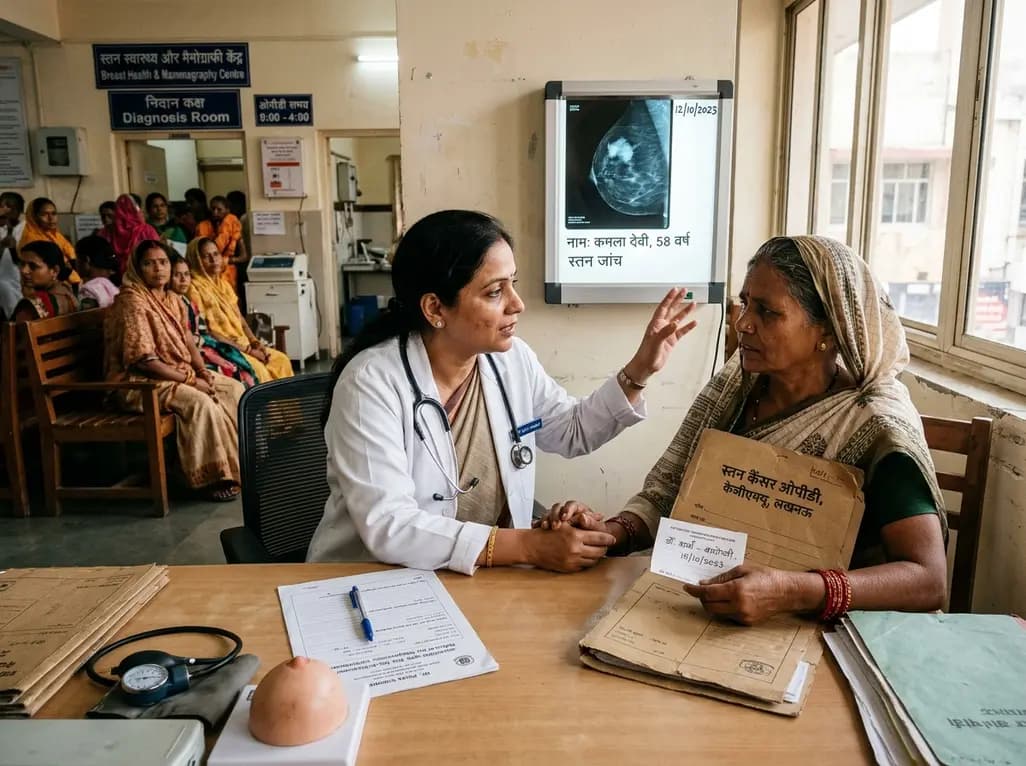
A KGMU study reveals over half of women with breast abnormalities fail to undergo diagnostic confirmation, leading to advanced-stage detection. Discover the socio-cultural barriers, clinical risks of incomplete resection, and community-level solutions needed to bridge the critical screening-to-diagnosis gap in India.
Today
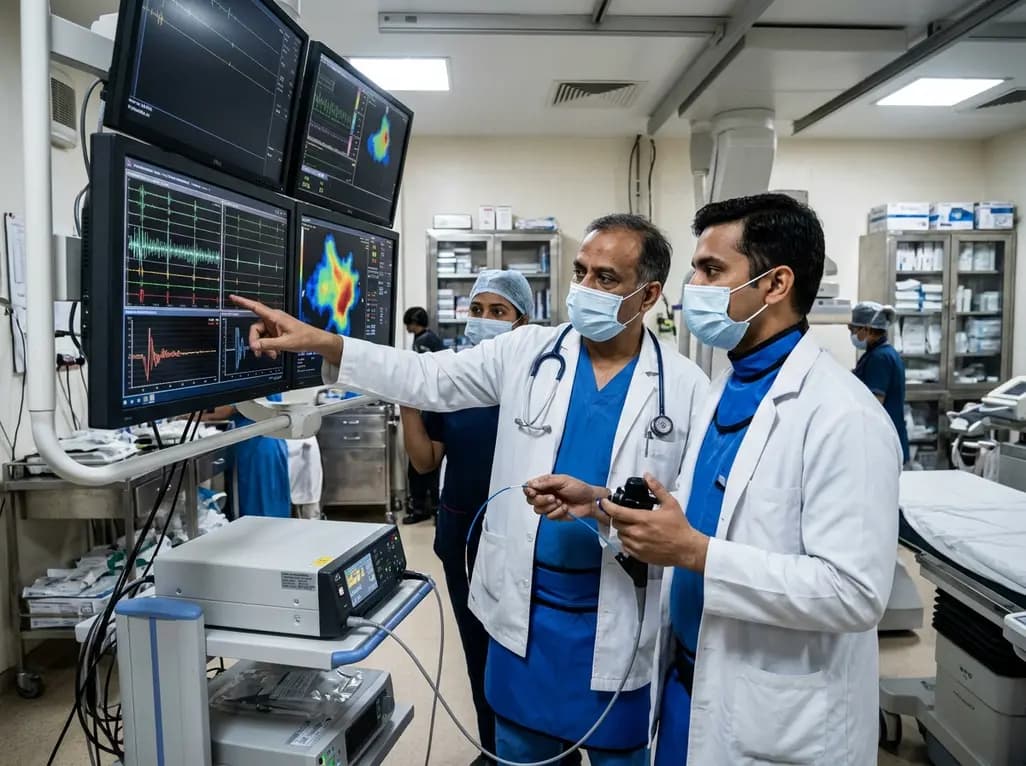
A comparative non-contact study reveals that high-power radiofrequency delivery with the QDOT MICRO catheter induces an artifactual contact force rise. Electrophysiologists must understand this power-dependent thermal and electrical phenomenon to avoid inadvertent catheter withdrawal and ineffective ablation.
Today
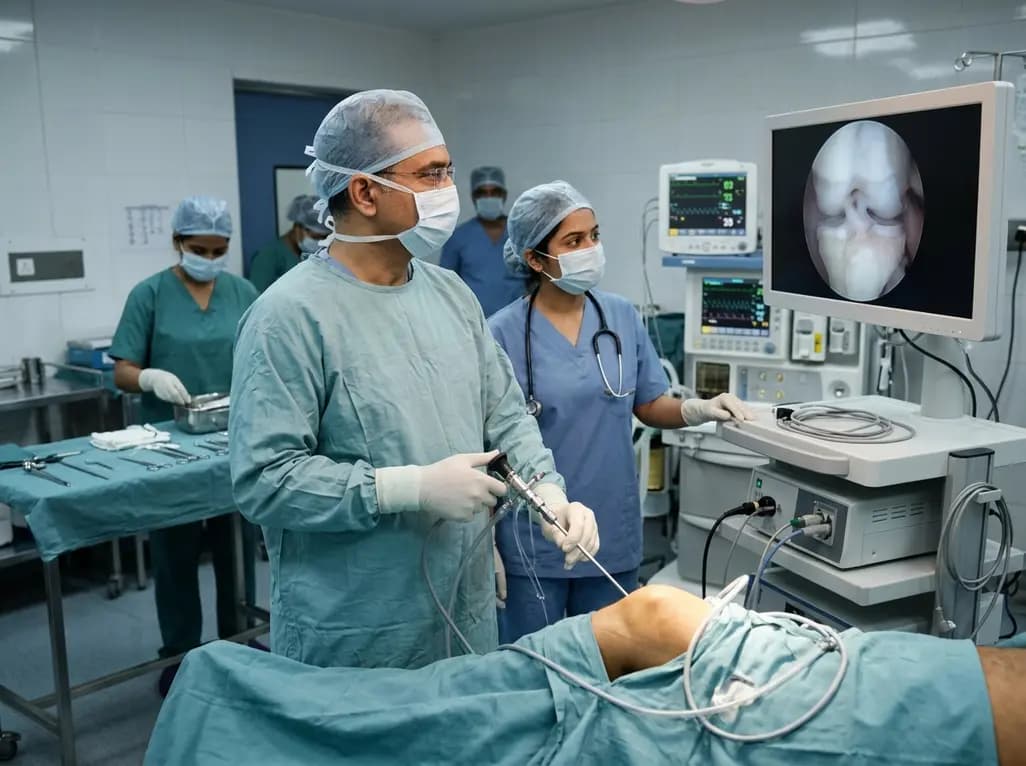
Healthium Medtech has transitioned its arthroscopy vertical into SIRONIX Orthopedics, aiming to capture key segments of the global joint care market. The strategic shift introduces dedicated portfolios in sports medicine, joint regeneration, surgical reconstruction, and digital operating technologies.
Today

Preclinical research demonstrates that BMI1 overexpression alleviates metabolic syndrome-related liver injury. By triggering ubiquitin-mediated METTL3 degradation, BMI1 prevents AHNAK m6A methylation and suppresses fibrogenic TGF-β/SMAD signaling, significantly improving hepatic steatosis and insulin resistance.
Today
