.webp&w=384&q=75)

Loading, please wait...
Loading, please wait...

Modern clinicians recognize the diverse combined oral contraceptives benefits that extend far beyond pregnancy prevention. While contraception remains a primary goal, these medications offer significant therapeutic relief for dermatological and gynecological conditions. Specifically, patients often experience marked improvements in acne vulgaris and hirsutism when using ethinylestradiol-based combinations. In addition, recent data suggests that approximately 50% of young women currently utilize these hormonal therapies for various health concerns. Consequently, understanding the pharmacological differences between substances is essential for optimal patient outcomes.
However, clinicians must carefully evaluate the use of combined oral contraception (COC) in specific patient populations. For instance, experts traditionally consider migraine with aura a strict contraindication for COC use due to stroke risks. Conversely, for women suffering from menstrual-related headaches, certain protocols like the 28/0 regimen offer a chance for clinical improvement. Similarly, individual risk factors such as smoking and age must guide the selection process. Thus, an individualized assessment remains vital to ensure patient safety and treatment efficacy.
A comprehensive review of various substances shows that drug choice significantly impacts metabolic health. For example, studies compared ethinylestradiol in combination with drospirenone, levonorgestrel, and desogestrel. Furthermore, researchers analyzed how different dosages affect body mass index (BMI) and blood pressure. Therefore, by selecting a tailored regimen, physicians can minimize adverse effects and enhance the overall quality of life. Moreover, patients may find certain progestogens more tolerable depending on their unique physiological profile.
Finally, the pharmaceutical landscape is evolving with the introduction of newer hormonal agents. For instance, the development of estetrol-containing pills paired with drospirenone represents a promising advancement. These newer formulations aim to provide effective symptom management with a more favorable safety profile. As a result, staying updated on these developments allows practitioners to offer the most current and effective care. In contrast to older formulations, these innovations may offer improved metabolic tolerance.
Yes, combined oral contraceptives are effective for managing acne because they reduce androgen levels and decrease sebum production. Specifically, formulations containing anti-androgenic progestogens, such as drospirenone or cyproterone acetate, are particularly beneficial.
Safety depends on the type of migraine. For example, COCs are generally contraindicated in women who experience migraine with aura. However, for those with simple menstrual migraines without aura, specific COC regimens may actually reduce headache frequency.
Disclaimer: This content is for informational and educational purposes only and does not constitute medical advice or a substitute for professional healthcare. Always consult a qualified physician for diagnosis and treatment. Refer to the latest local and national guidelines for clinical practice.
References
Wójcikiewicz P et al. Comparison of Substances in Combined Oral Contraceptives Used in Acne Vulgaris, Hirsutism, Migraine, and Dysmenorrhea. Med Sci Monit. 2026 Feb 22. doi: 10.12659/MSM.949520. PMID: 41723577.
Battipaglia C et al. Combined oral contraceptive with estetrol plus drospirenone: from pharmacokinetics to clinical applications. Expert Opin Drug Metab Toxicol. 2023 Dec;19(12):871-879. doi: 10.1080/17425255.2023.2279752.
Vityala Y et al. Effect of combined oral contraceptives on menstrual migraine frequency and severity: a narrative review. Explor Drug Sci. 2024;2:666–76. doi: 10.37349/eds.2024.00067.

Read summarized clinical updates, watch expert medical content, and earn CME certifications right from your smartphone.
Open your smartphone camera to scan and install.





A clinical review comparing combined oral contraceptives' effects on acne, hirsutism, and migraine, highlighting newer estetrol-based formulations....
8 months ago

Recent epidemiological data reveals a dramatic surge in summer heat mortality driven by human-induced climate warming. This analysis explores the pathophysiological impacts on cardiac and renal systems, diagnostic dilemmas in death certification, and essential emergency cooling protocols for acute clinical care.
Today
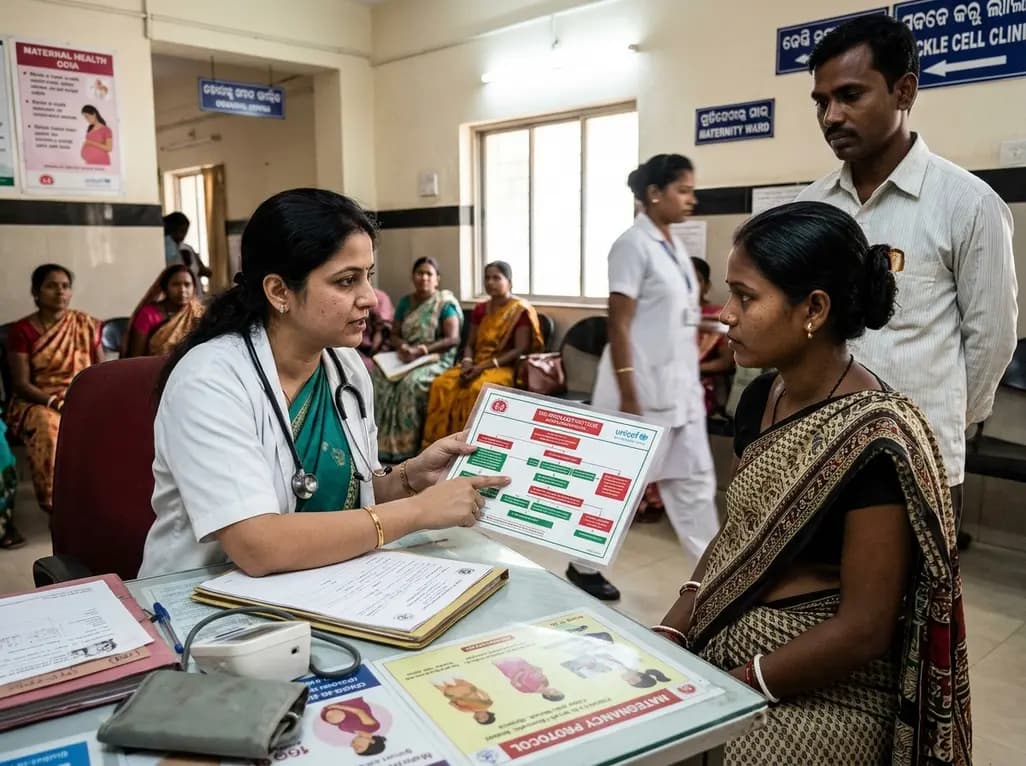
Odisha has established India's first state-level clinical protocol specifically tailored for pregnant women with sickle cell disease. Developed with NHM and UNICEF, the framework provides structured antenatal screening, crisis mitigation, standardized referral pathways, and specialized interdisciplinary care.
Today

India is advancing preventive healthcare by integrating genomics, artificial intelligence, and quantum technologies. With the SANGAM programme sequencing one million Indian genomes, clinicians can unlock personalized therapies, detect cardiometabolic risks early, and curb the burden of diabetes and heart disease.
Today

A randomized controlled trial demonstrates that an eight-week dual-task training intervention significantly improves static and dynamic postural control over standard balance exercises in individuals with chronic ankle instability, addressing critical neurocognitive deficits during athletic and daily activities.
Today

A retrospective cohort study of 7,716 ICU patients from the MIMIC-IV database demonstrates that Gradient Boosting Decision Trees significantly outperform traditional SOFA scores in predicting in-hospital mortality among patients with sepsis and diabetes, with SHAP analysis providing clinical interpretability.
Today
