.webp&w=384&q=75)

Loading, please wait...
Loading, please wait...

Researchers from the Indian Institute of Technology Kanpur (IIT-K) made a significant breakthrough in oncology. Specifically, they identified a key driver of colorectal cancer chemotherapy resistance. This discovery could reshape treatment strategies for patients who fail standard therapies.
Prof Bushra Ateeq from the Department of Biological Sciences and Bioengineering led this collaborative study. Her team worked alongside experts from Tata Memorial Centre, King George's Medical University, and Henry Ford Health System. Consequently, they found that the protein DKC1 plays a pivotal role in cancer cell survival. Previously, scientists only associated DKC1 with basic cell growth and aging. However, this study reveals its active role in protecting tumors from therapeutic agents.
How does this protein help tumors survive? Under normal conditions, damaged or unhealthy cells undergo a natural self-destruction process called apoptosis. However, high levels of DKC1 allow cancer cells to bypass this critical cellular machinery. Furthermore, DKC1 regulates specialized fat molecules, particularly sphingolipid biosynthesis. This dysregulation alters lipid production, helping the tumor grow rapidly. Consequently, cancer cells become highly resistant to standard chemotherapy regimens like FOLFOX.
During laboratory trials, researchers successfully blocked the signaling pathways associated with DKC1. This intervention significantly slowed tumor growth. Additionally, it made the cancer cells highly sensitive to chemotherapy once again. Importantly, clinical findings from patients confirmed that high DKC1 levels correlate with advanced disease stages. Therefore, patients with elevated DKC1 often face much poorer survival rates.
Q1: What is the main finding of the IIT Kanpur study?
The study identified that the protein DKC1 drives colorectal cancer chemotherapy resistance. It does this by dysregulating fat production and helping cancer cells bypass self-destruction.
Q2: How can DKC1 serve as a biomarker in clinical practice?
Oncologists can use DKC1 levels to identify patients likely to resist routine chemotherapy. Therefore, these patients can receive targeted therapies instead of ineffective treatments.
Q3: Which institutions collaborated on this research?
The study was spearheaded by IIT Kanpur in collaboration with Tata Memorial Centre, King George's Medical University, and Henry Ford Health System.
Disclaimer: This content is for informational and educational purposes only. It does not constitute medical advice or replace professional judgment. Refer to the latest local and national guidelines for clinical practice.
References

Read summarized clinical updates, watch expert medical content, and earn CME certifications right from your smartphone.
Open your smartphone camera to scan and install.





Researchers at IIT Kanpur have identified that the DKC1 protein drives colorectal cancer chemotherapy resistance, opening doors for targeted therapy....
3 months ago
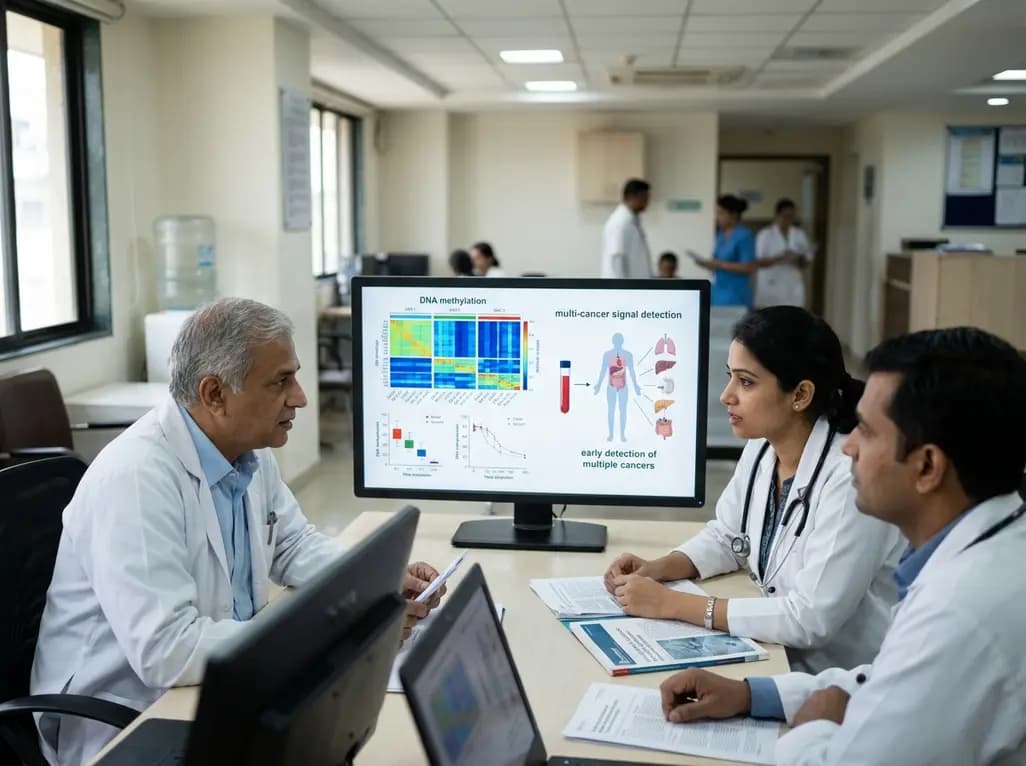
FDA staff reviewers have raised no major safety or analytical concerns regarding Grail's Galleri blood test ahead of an advisory panel meeting. This milestone advances liquid biopsy technologies designed to identify tumor methylation signals across dozens of malignancies before clinical symptoms emerge.
Today
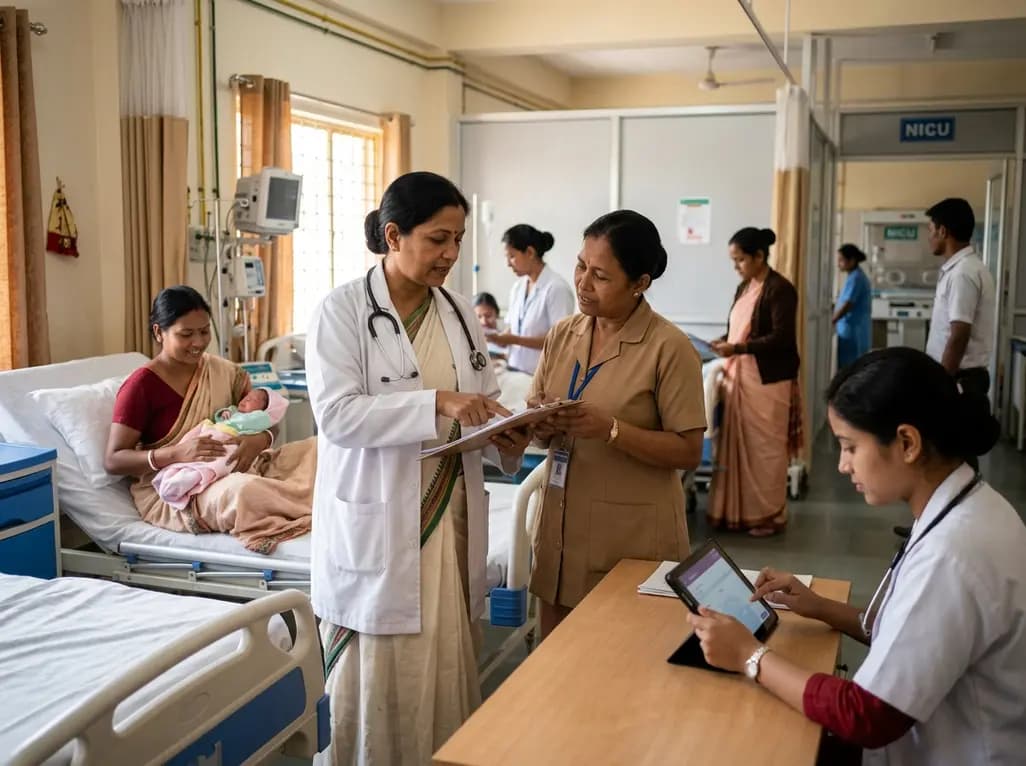
Meghalaya recorded a historic 55% reduction in maternal deaths, dropping from 244 to 107 over five years. Through the MOTHER app, dedicated transit homes, and expanded infrastructure like the 150-bed Tura Maternity Hospital with its first public NICU, the state demonstrates an effective public health model.
Today
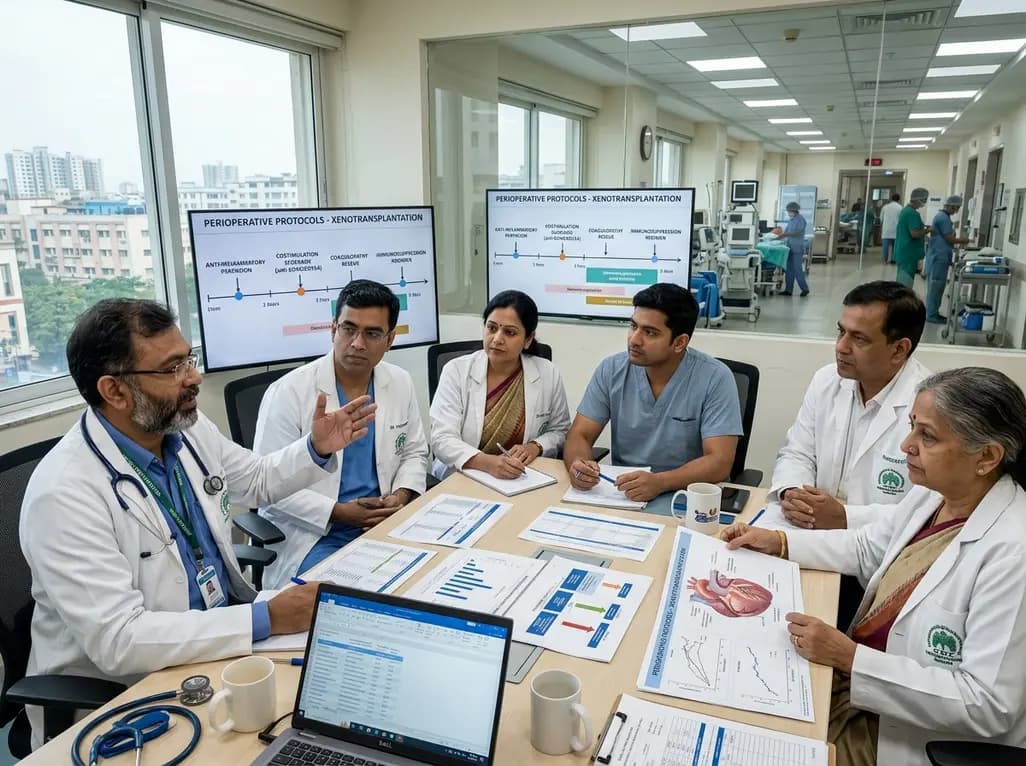
Explore modern perioperative management protocols for clinical xenotransplantation. Learn how costimulation blockade, anti-inflammatory perfusion, and coagulopathy rescue overcome interspecies hurdles.
Today
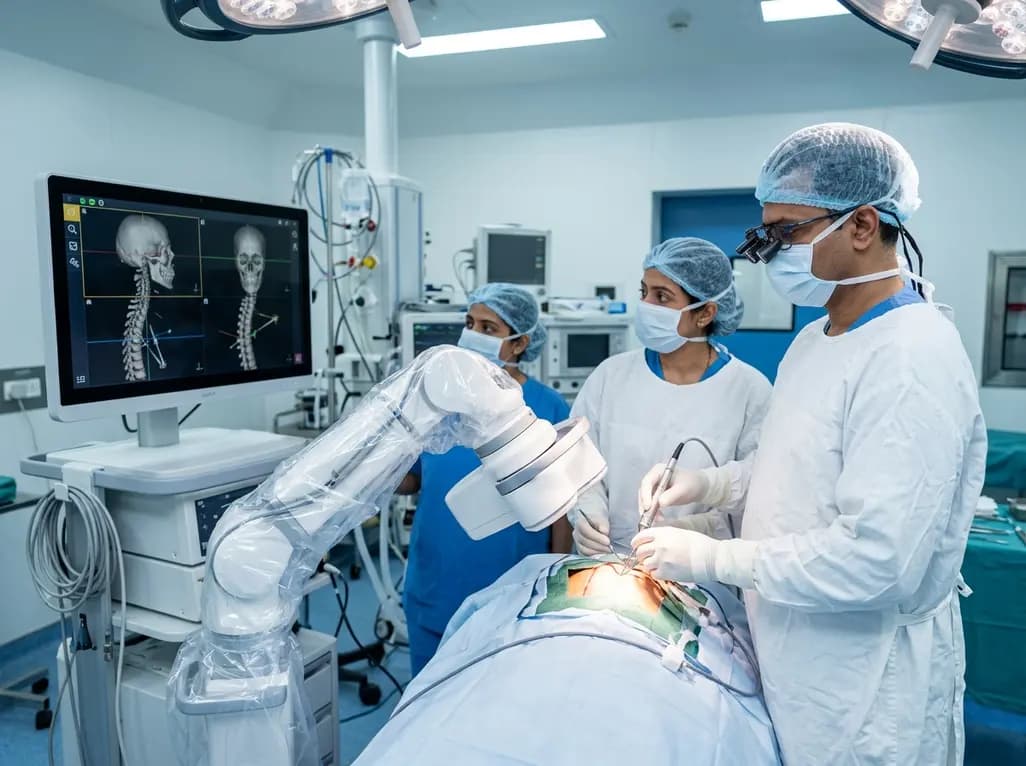
North India's first Centre of Excellence for Brain and Spine at Amrita Hospital Faridabad integrates Brainlab's Loop-X mobile robot. This landmark facility combines cone-beam computed tomography with surgical navigation to elevate precision, optimize operative workflows, and enhance specialized clinician training.
Today
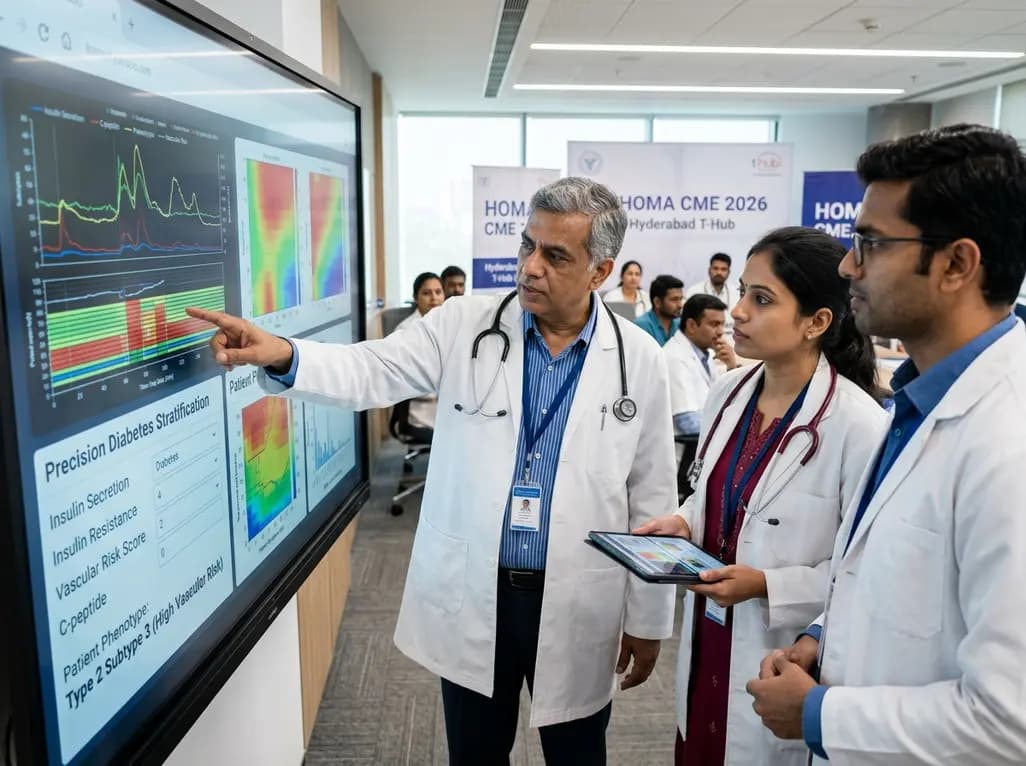
At Homa CME 2026 at Hyderabad's T-Hub, healthcare leaders emphasized moving beyond routine metrics through digital calculators and precision stratification. Discover why characterizing individual insulin secretion, resistance patterns, and vascular risks transforms chronic metabolic care in India.
Today
