.webp&w=384&q=75)

Loading, please wait...
Loading, please wait...
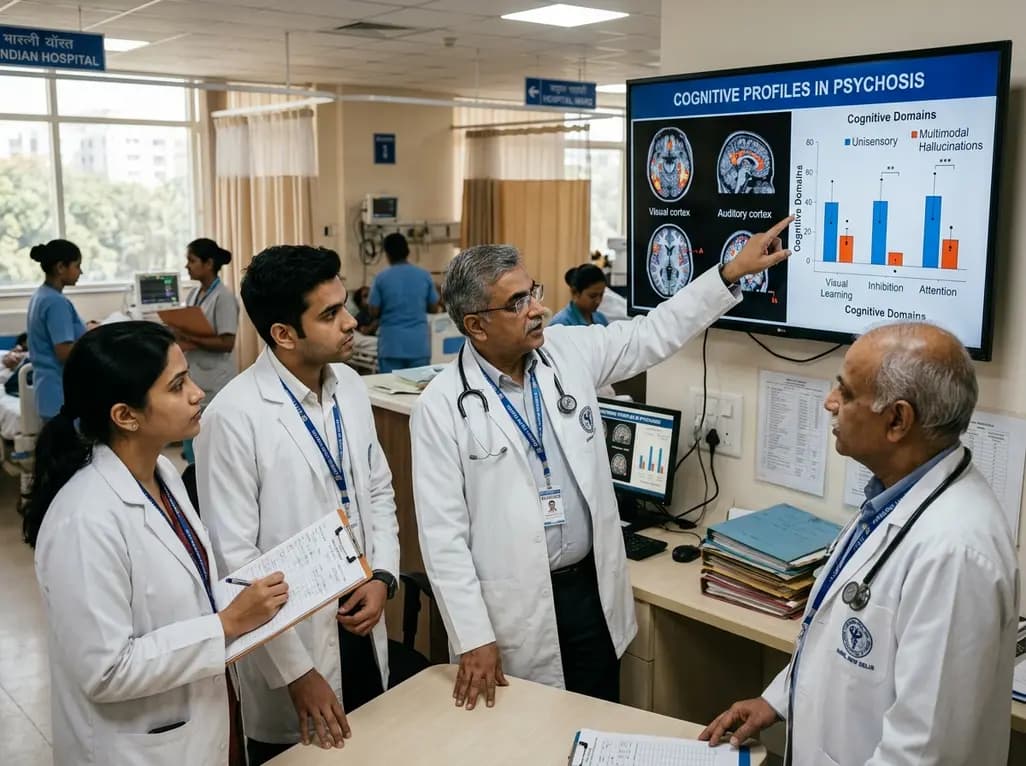
Psychosis research is increasingly shifting focus from auditory symptoms to the complexities of various sensory modalities. Specifically, understanding the distinct cognitive profiles in psychosis helps clinicians tailor interventions more effectively. A recent study published in Cognitive Neuropsychiatry compared individuals experiencing uni- or multisensory (UMS) hallucinations with those experiencing multimodal (MM) hallucinations.
The research team utilized the MATRICS Consensus Cognitive Battery to evaluate diverse mental functions. They assessed participants across domains such as working memory, verbal learning, and social cognition. Notably, both the UMS and MM groups showed significant impairments in processing speed and attention compared to healthy controls. However, the study identified unique variations between the clinical groups that warrant closer attention.
The most striking findings involved domain-specific deficits. For instance, the multimodal group demonstrated significantly worse performance in visual learning compared to the healthy control group. Conversely, the unimodal or multisensory group struggled more with inhibition tasks. These results suggest that different types of hallucinations may stem from distinct underlying neurocognitive mechanisms within the brain.
Documenting a unique cognitive profile associated with multimodal hallucinations offers a new perspective for psychiatric assessment. These findings emphasize that cognitive screening should go beyond general assessments. Consequently, identifying specific deficits in visual learning or inhibition could guide more personalized cognitive remediation strategies. Further investigations are necessary to validate these patterns across larger clinical populations in the future.
Multimodal hallucinations involve simultaneous or thematically linked sensory experiences across multiple modes. In contrast, multisensory hallucinations refer to experiences in multiple modalities that may occur at different times or without a direct thematic link.
The MATRICS battery provides a standardized method for assessing seven key cognitive domains. This tool allows researchers to compare cognitive performance accurately across different psychiatric conditions and control groups, ensuring consistency in data.
Disclaimer: This content is for informational and educational purposes only. It does not constitute professional medical advice, diagnosis, or treatment. Always seek the advice of your physician or other qualified health provider with any questions you may have regarding a medical condition. Refer to the latest local and national guidelines for clinical practice.
References
Toh WL et al. Cognitive profiles in psychosis: comparing those experiencing uni- or multisensory versus multimodal hallucinations. Cogn Neuropsychiatry. 2026 Jun 22. doi: 10.1080/13546805.2026.2689331. PMID: 42332353.
Toh WL et al. Exploring the cognitive profiles related to unimodal auditory versus multisensory hallucinations in schizophrenia-spectrum disorders. Cogn Neuropsychiatry. 2024;29(2):85-103. doi: 10.1080/13546805.2024.2314941.
Montagnese M et al. A Review of Multimodal Hallucinations: Categorization, Assessment, Theoretical Perspectives, and Clinical Recommendations. Schizophr Bull. 2021;47(1):237-248. doi: 10.1093/schbul/sbaa101.
"
Read summarized clinical updates, watch expert medical content, and earn CME certifications right from your smartphone.
Open your smartphone camera to scan and install.





A new study evaluates the cognitive profiles in psychosis by comparing individuals with unimodal, multisensory, and multimodal hallucinations. Findings reveal specific deficits in visual learning for multimodal cases and inhibition issues for unisensory cases, suggesting new avenues for clinical focus.
4 months ago
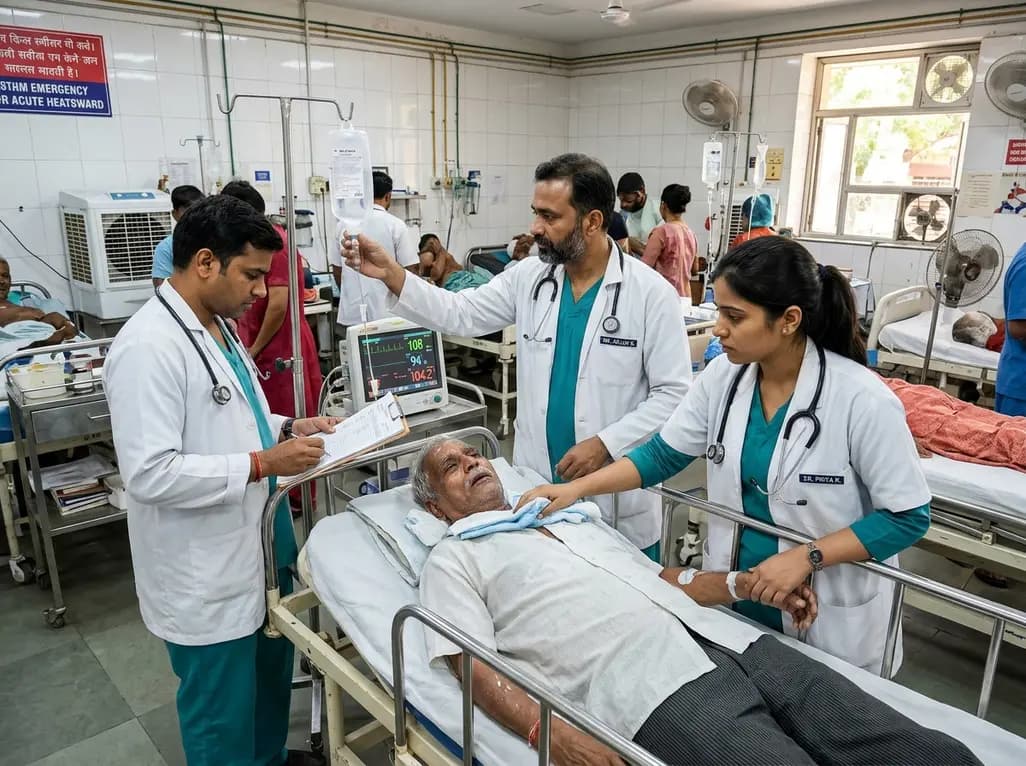
Recent epidemiological data reveals a dramatic surge in summer heat mortality driven by human-induced climate warming. This analysis explores the pathophysiological impacts on cardiac and renal systems, diagnostic dilemmas in death certification, and essential emergency cooling protocols for acute clinical care.
Today
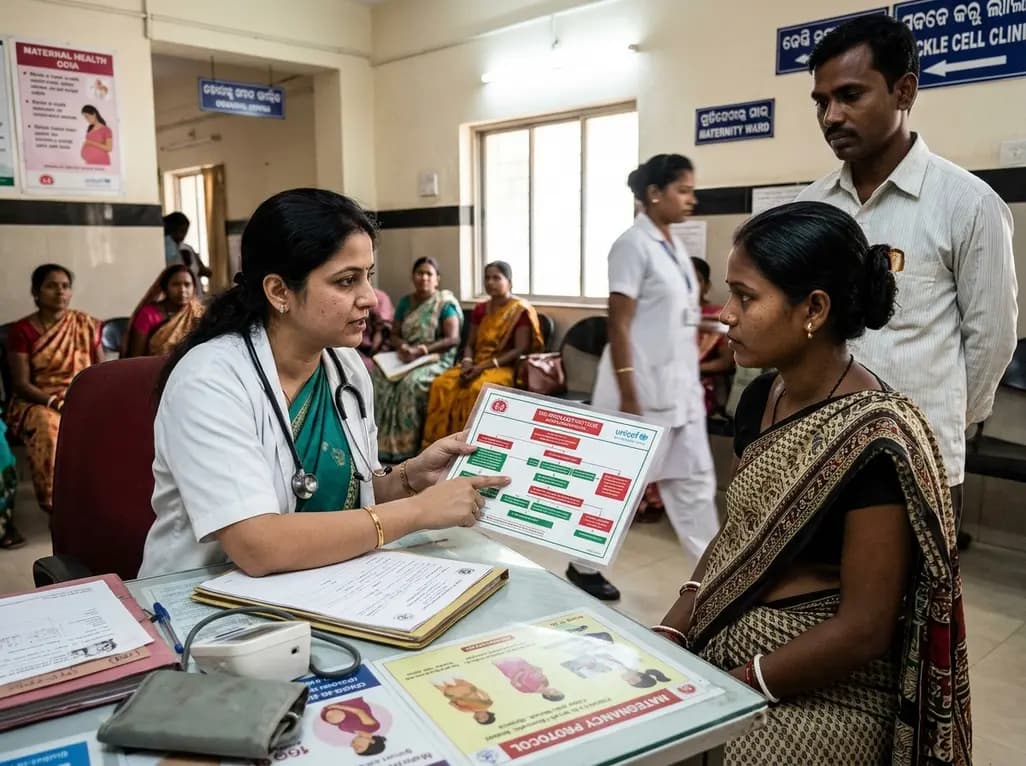
Odisha has established India's first state-level clinical protocol specifically tailored for pregnant women with sickle cell disease. Developed with NHM and UNICEF, the framework provides structured antenatal screening, crisis mitigation, standardized referral pathways, and specialized interdisciplinary care.
Today

India is advancing preventive healthcare by integrating genomics, artificial intelligence, and quantum technologies. With the SANGAM programme sequencing one million Indian genomes, clinicians can unlock personalized therapies, detect cardiometabolic risks early, and curb the burden of diabetes and heart disease.
Today
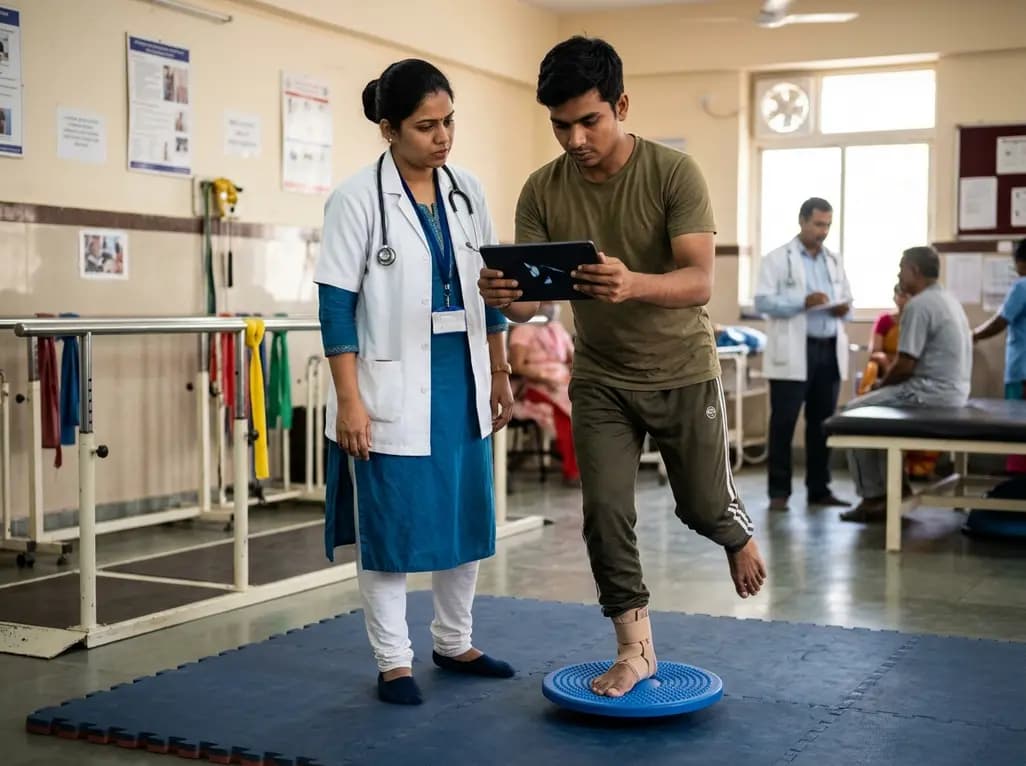
A randomized controlled trial demonstrates that an eight-week dual-task training intervention significantly improves static and dynamic postural control over standard balance exercises in individuals with chronic ankle instability, addressing critical neurocognitive deficits during athletic and daily activities.
Today

A retrospective cohort study of 7,716 ICU patients from the MIMIC-IV database demonstrates that Gradient Boosting Decision Trees significantly outperform traditional SOFA scores in predicting in-hospital mortality among patients with sepsis and diabetes, with SHAP analysis providing clinical interpretability.
Today
