.webp&w=384&q=75)

Loading, please wait...
Loading, please wait...
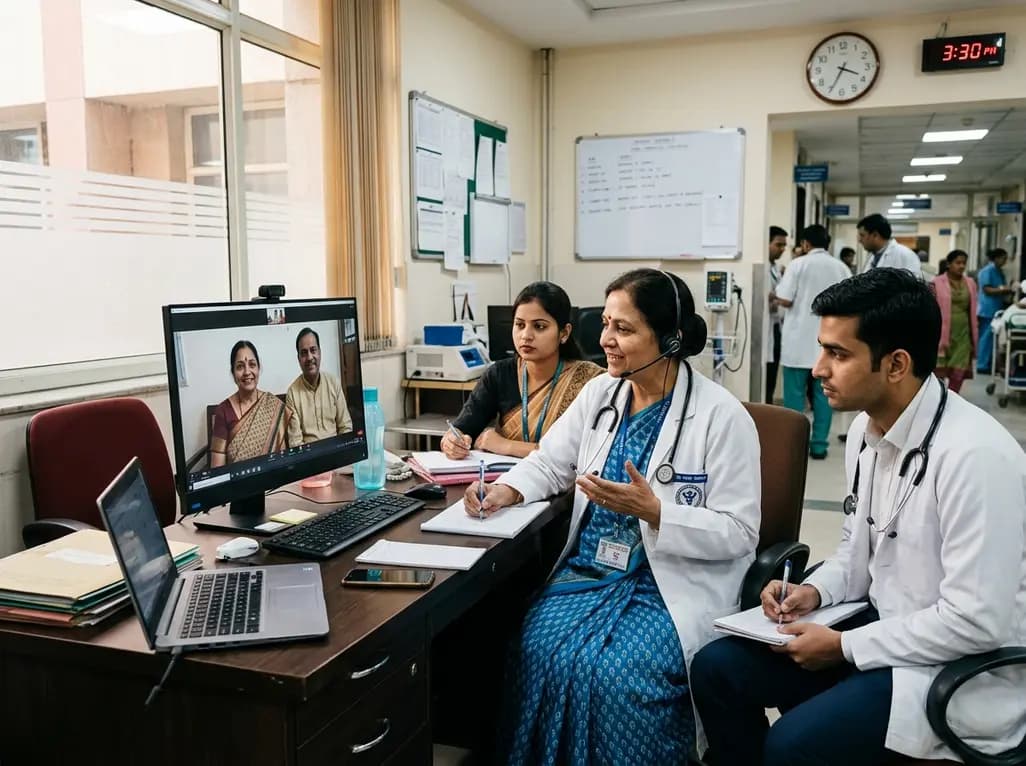
Virtual health modalities have expanded rapidly across global healthcare systems over recent years. However, technological adoption often overlooks the relational nuances required to establish genuine therapeutic rapport. Delivering compassionate virtual care requires clinicians to move beyond simple technical connectivity and prioritize empathetic, patient-centered communication. Immigrant and minority groups, particularly South Asian communities, frequently encounter distinct systemic and cultural obstacles when accessing digital health services. Understanding their unique perceptions of empathy, dignity, and equity is vital for designing responsive clinical workflows.
Although telehealth eliminates geographic hurdles, vulnerable patient groups frequently report that virtual visits feel transactional, rushed, or dismissive. South Asian immigrants often navigate complex intersectional barriers, including linguistic nuances, digital literacy gaps, and cultural stigmas surrounding certain health conditions. Consequently, standard digital interactions may unintentionally heighten feelings of alienation. Delivering compassionate virtual care requires healthcare practitioners to intentionally cultivate warmth, active listening, and validation across digital interfaces. When clinicians consciously validate patient concerns through clear non-verbal cues and unhurried dialogue, therapeutic trust strengthens significantly. Furthermore, cultivating culturally attuned digital bedside manners bridges cultural divides, improves treatment adherence, and fosters meaningful patient satisfaction.
Every clinical encounter carries distinct sociocultural expectations, especially within immigrant populations navigating unfamiliar healthcare frameworks. In South Asian communities, healthcare choices often involve family structures, collective decision-making, and deep-seated cultural values regarding privacy and respect. When remote consultations overlook these dynamics, misunderstandings can arise swiftly. Therefore, practitioners must proactively assess family involvement, clarify cultural perceptions of illness, and confirm that patients feel secure in the digital environment. In addition, addressing unspoken digital anxieties helps clinicians establish genuine rapport. Recognizing these specific cultural priorities enables practitioners to tailor digital health strategies effectively, transforming remote visits into safe and collaborative healing spaces.
Traditional clinical protocols often emerge from top-down administrative models that fail to capture frontline patient realities. In contrast, the research protocol established by Allana and colleagues employs a participatory, community-partnered framework to establish foundational digital care standards. By integrating the Strategy for Patient-Oriented Research (SPOR) framework and the three co-creation principles—co-design, co-production, and co-evaluation—researchers actively engage South Asian community members as equal partners. Through iterative qualitative interviews and collective deliberation, participants directly define what respect, trust, and equity look like during virtual consultations. Consequently, this collaborative methodology ensures that resulting clinical guidance reflects genuine lived experiences rather than theoretical assumptions.
Primary care physicians and family medicine specialists manage the majority of outpatient digital consultations. Therefore, integrating empathetic communication frameworks into daily practice is paramount. Practical steps include maintaining consistent eye contact with the camera, speaking at a measured pace, and explicitly checking for mutual comprehension throughout the encounter. Clinicians should also normalize asking patients about their comfort with digital tools before initiating clinical assessments. Furthermore, documenting social determinants of health and language preferences within electronic records helps clinical teams prepare personalized support. These small, deliberate behavioral shifts transform telemedicine from a cold digital transaction into an accessible, supportive medical experience.
Digital health equity cannot exist without addressing systemic disparities in device access, broadband stability, and health literacy. Many South Asian immigrants, particularly older adults, depend on family members to navigate patient portals and video software. Healthcare institutions must therefore provide straightforward onboarding materials in multiple languages, offer audio-only alternatives when video connectivity fails, and design intuitive patient portals. Additionally, health systems must train medical practitioners on implicit bias and intercultural communication. By proactively removing technical and structural friction, providers ensure that virtual health solutions enhance accessibility rather than widening existing healthcare divides.
Implementing structured empathy in remote practice requires both organizational commitment and individual practitioner mindfulness. Healthcare organizations can embed cultural humility and digital communication modules into continuing medical education programs. Meanwhile, clinicians can establish structured pre-consultation routines that include checking patient privacy, confirming the presence of interpreters or family advocates, and outlining visit goals collaboratively. As healthcare systems increasingly rely on hybrid care models, these compassionate principles will remain critical. Ultimately, co-creating care standards with diverse communities equips doctors to deliver equitable, patient-focused, and compassionate healthcare across every digital medium.
Clinicians can convey compassion virtually by looking directly into the camera to simulate eye contact, using open body language, and avoiding typing while the patient is speaking. Additionally, verbally validating patient emotional concerns, speaking at an unhurried pace, and asking open-ended questions ensure that patients feel heard, respected, and thoroughly supported throughout the entire digital encounter.
Minority and immigrant populations frequently face language barriers, low digital literacy, limited access to high-speed internet, and concerns regarding data privacy. Furthermore, subtle cultural misunderstandings, lack of representation, and the absence of translated patient portals often prevent patients from fully engaging with virtual platforms, which inadvertently exacerbates existing healthcare disparities.
Participatory co-creation directly involves patients, caregivers, and community members throughout the research and design process. By treating participants as equal partners, researchers uncover nuanced cultural expectations and systemic hurdles that top-down studies miss. This collaborative process ensures that final clinical frameworks are culturally sensitive, practical, and highly acceptable to diverse patient populations.
Disclaimer: This content is for informational and educational purposes only and does not constitute formal medical advice. Healthcare professionals must exercise independent clinical judgment and consult official clinical guidelines when evaluating diagnostic or therapeutic options. Refer to the latest local and national guidelines for clinical practice.
References

Read summarized clinical updates, watch expert medical content, and earn CME certifications right from your smartphone.
Open your smartphone camera to scan and install.





A novel qualitative protocol explores how South Asian immigrants define empathy, trust, and equity in digital medicine, providing clinicians with actionable insights to co-create culturally responsive and compassionate virtual care frameworks.
last month
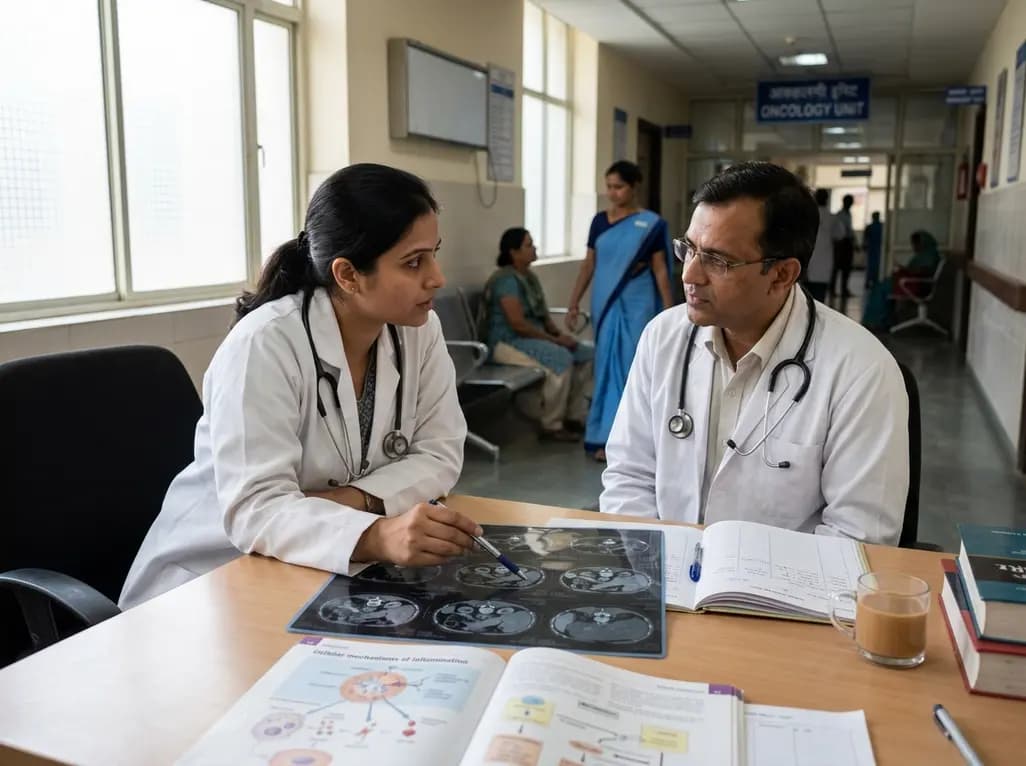
Pancreatic cancer cachexia affects over 80% of patients, driving severe muscle wasting, systemic inflammation, and treatment intolerance. This review highlights key pathophysiological drivers, exocrine insufficiency, objective CT imaging, and emerging therapies like GDF-15 inhibitors to improve clinical outcomes.
Today
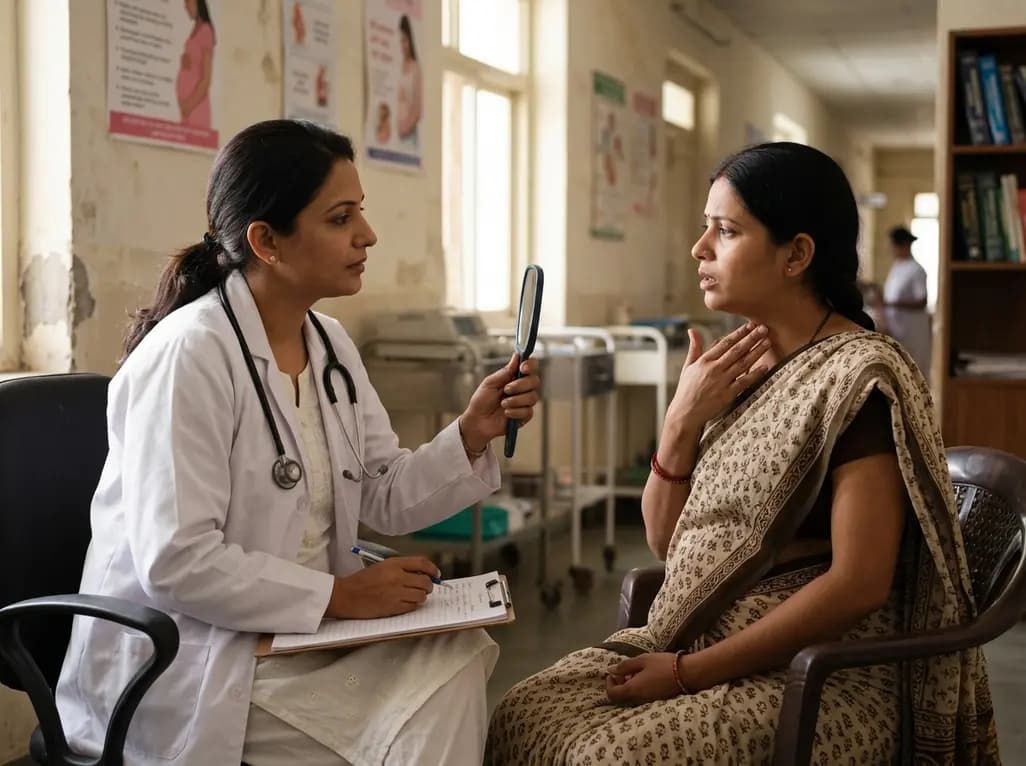
A scoping review reveals how pregnancy affects phonation through laryngeal edema and reduced phonation time rather than major acoustic pitch alterations. Learn how to identify, evaluate, and manage vocal symptoms in expectant mothers.
Today
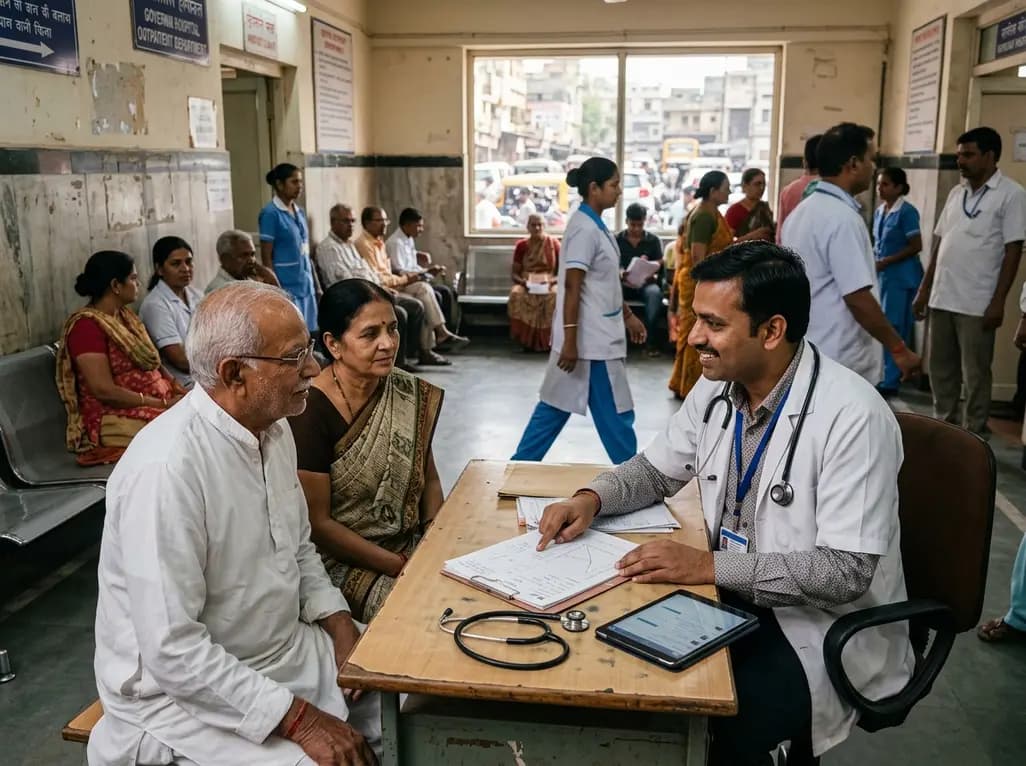
According to WHO data, average lifespan reached 73.3 years in 2023, recovering from pandemic lows. However, healthy life expectancy lags at 62.8 years due to surging noncommunicable conditions like cardiovascular disease and dementia, demanding proactive primary screening and sustained chronic care.
Today
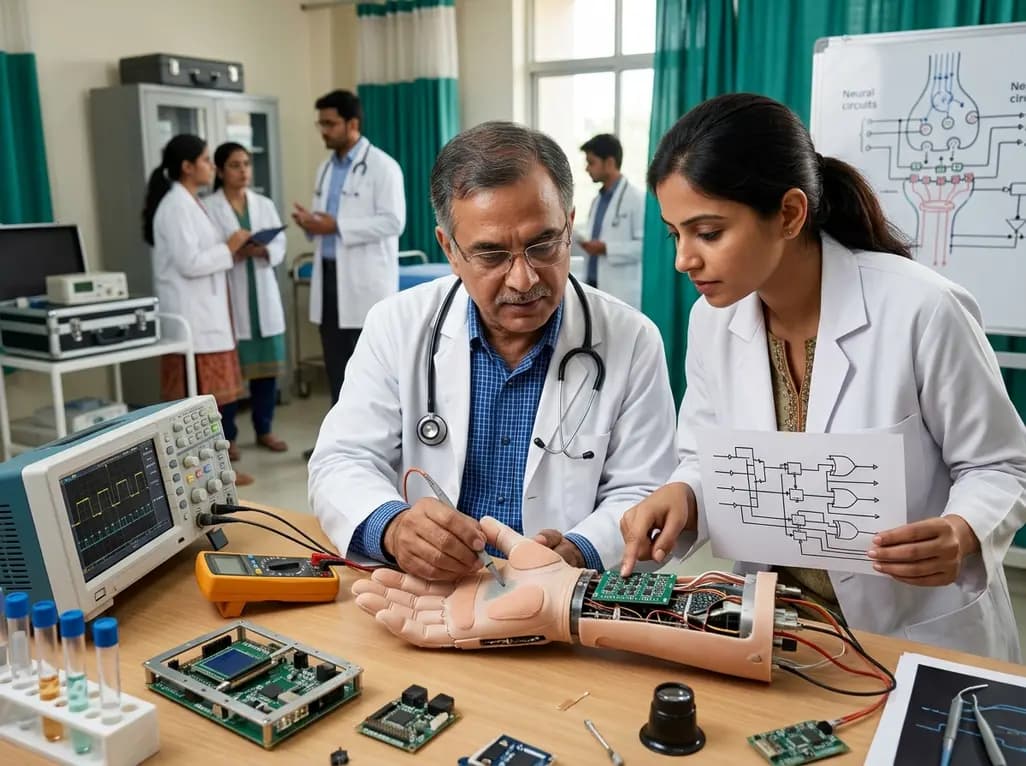
Researchers have engineered an artificial sensory-pain integrated receptor using a multi-threshold organic synaptic transistor. The system distinguishes benign touch from noxious stimuli, enabling safer, more responsive prosthetic limbs with built-in memory and simplified hardware architecture.
Today
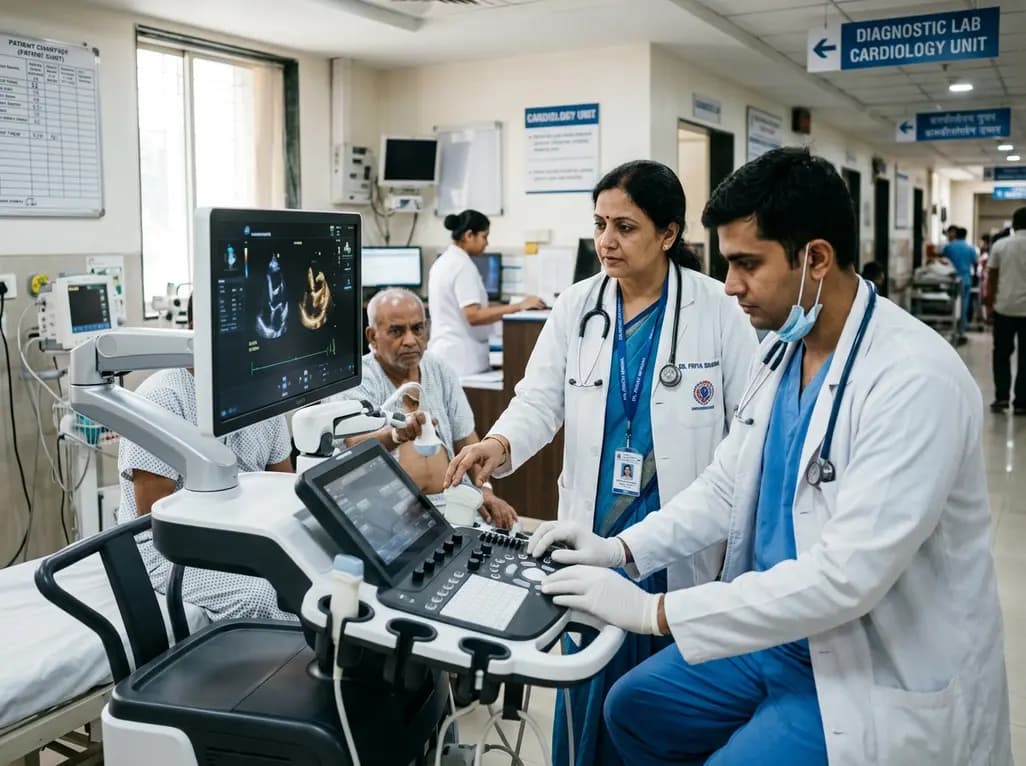
Medical robotics is transitioning beyond operative suites into diagnostics, cardiology, and endocrinology. Explore how innovations in tele-robotics, AI integration, and nanomedicine are overcoming geographical barriers and transforming precision healthcare delivery across India's evolving disease landscape.
Today
