.webp&w=384&q=75)

Loading, please wait...
Loading, please wait...

Stevens-Johnson Syndrome (SJS) represents a life-threatening type IV hypersensitivity reaction involving the skin and mucous membranes. While several drugs frequently trigger this condition, co-amoxiclav-induced Stevens-Johnson Syndrome remains a relatively rare occurrence. A recent case report highlights this risk in a 98-year-old female who developed the syndrome following the administration of both intravenous and oral co-amoxiclav. Clinicians must maintain a high index of suspicion, even when using antibiotics generally considered safe.
The diagnosis of SJS is primarily clinical, characterized by widespread desquamating rashes and mucosal erosions. In this specific case, the patient’s condition developed insidiously despite having tolerated the antibiotic during previous hospitalizations. This delayed onset suggests that prior exposure does not necessarily guarantee future safety. Consequently, healthcare providers must monitor elderly patients closely for any new skin changes after starting antimicrobial therapy. Moreover, the insidious nature of the rash can lead to delays in identifying the offending agent, which potentially worsens the prognosis.
Treating SJS in the elderly requires a delicate balance between aggressive immunosuppression and the management of comorbid conditions. For the 98-year-old patient, clinicians successfully used immunosuppressive therapies to control the reaction. However, the patient's frailty and denuded skin significantly increased the risk of secondary complications. Specifically, she suffered a serious urinary tract infection and a fall during her recovery period. Therefore, a multidisciplinary approach is essential for optimizing outcomes in older adults with SJS/TEN.
Indian guidelines emphasize the prompt withdrawal of the offending agent as the most critical step in management. Supportive care, including fluid resuscitation and wound management, should follow immediately. Additionally, clinicians should educate patients and their families about the permanent avoidance of the culprit drug to prevent recurrence. Recognizing co-amoxiclav as a potential trigger ensures earlier intervention and potentially reduces the high mortality rates associated with this dermatological emergency. Notably, the risk window for drug-induced SJS typically spans 5 to 28 days after initiation, making vigilant follow-up crucial.
Most cases of Stevens-Johnson Syndrome occur between 5 and 28 days after the patient begins the offending medication. However, as seen in this case, the onset can sometimes be insidious and delayed, particularly in elderly populations with multiple comorbidities.
No, co-amoxiclav is generally considered a well-tolerated antibiotic with a good safety profile. While sulfonamides and anticonvulsants are the most frequent causes, co-amoxiclav is a recognized, albeit rare, trigger that clinicians must consider when a rash develops.
Management involves immediate cessation of the suspected drug, supportive care in a specialized unit, and the judicious use of immunosuppressants. In the elderly, clinicians must also prioritize the prevention of secondary infections and falls due to increased frailty.
Disclaimer: This content is for informational and educational purposes only... Refer to the latest local and national guidelines for clinical practice.
References

Read summarized clinical updates, watch expert medical content, and earn CME certifications right from your smartphone.
Open your smartphone camera to scan and install.





A 98-year-old female developed SJS after co-amoxiclav. Explore the clinical challenges of delayed hypersensitivity and management in the elderly population....
8 months ago

The 2026 KASID clinical practice guidelines present evidence-based recommendations for ulcerative colitis medical management. This update details induction and maintenance strategies, biologic and small molecule sequencing, the urgent handling of acute severe colitis, and indications for timely surgical intervention.
Today
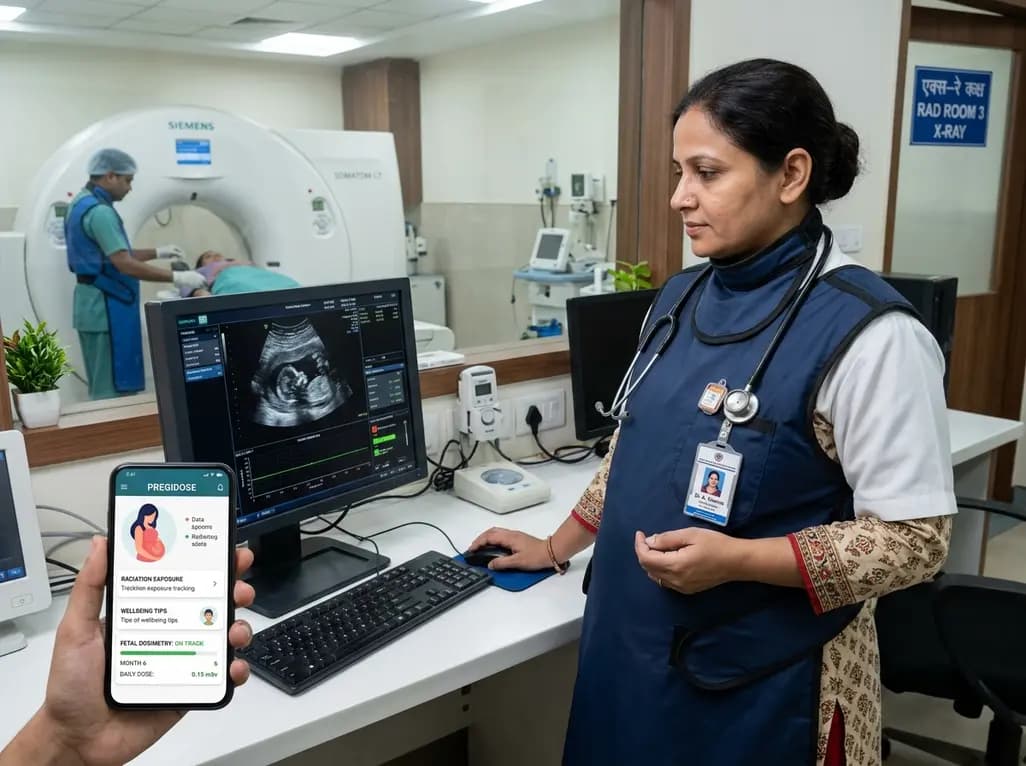
PregiDose is an innovative, user-centred mobile app designed to support pregnant radiographers by enhancing fetal dosimetry, occupational safety education, and psychosocial well-being. It bridges gaps in clinical radiation monitoring and aligns with global healthcare standards.
Today
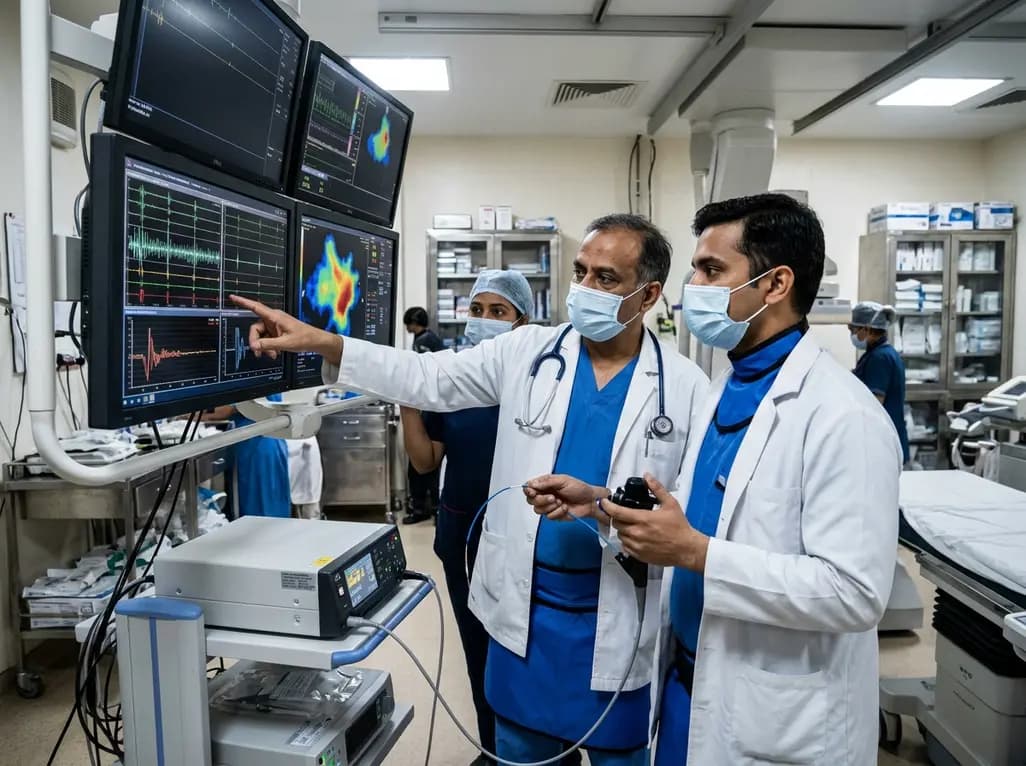
A comparative non-contact study reveals that high-power radiofrequency delivery with the QDOT MICRO catheter induces an artifactual contact force rise. Electrophysiologists must understand this power-dependent thermal and electrical phenomenon to avoid inadvertent catheter withdrawal and ineffective ablation.
Today

A novel proof-of-concept study presents a six-degree-of-freedom articulated manikin neck equipped with linear potentiometers. The system provides real-time kinematic motion feedback during cervical immobilisation, delivering sub-degree tracking accuracy to improve pre-hospital trauma training and patient safety.
Today

Novel glucose-responsive mPEG-PSA nanocarriers deliver insulin aspart on demand, achieving dual postprandial and basal glycemic control without hypoglycemia in diabetic models. This biomaterial breakthrough offers promising clinical implications for physiologic diabetes management.
Today
