.webp&w=384&q=75)

Loading, please wait...
Loading, please wait...

Varicose veins represent a widespread chronic condition that impacts millions of individuals worldwide. Effective varicose vein management starts with recognizing the underlying venous insufficiency that drives the disease. Patients often present with symptoms like pain, tension, and a distinct feeling of heaviness in their legs. Furthermore, ignoring these initial symptoms can lead to severe clinical complications. Specifically, untreated cases frequently progress to edema, skin alterations, and painful venous ulcers.
In addition to superficial discomfort, serious risks like deep vein thrombosis or pulmonary embolism may occur. Moreover, spontaneous venous bleeding represents a critical medical emergency requiring immediate attention. Genetic factors and aging typically drive the development of these degenerative tissue changes. Therefore, early identification through thorough clinical assessment remains paramount for long-term patient safety.
Diagnosis primarily relies on a combination of medical history and focused clinical findings. However, duplex ultrasound stands as the definitive gold standard diagnostic tool in modern practice. It allows clinicians to visualize reflux patterns accurately and plan precise interventions. While conservative options like compression stockings provide symptomatic relief, a definitive cure often requires procedural intervention. Consequently, physicians must weigh the benefits of various invasive and non-invasive options.
Clinicians now have access to a wide variety of minimally invasive techniques for treating venous disease. Specifically, endovenous thermal and nonthermal ablation have largely replaced traditional open surgeries due to their lower morbidity. However, open surgery remains a viable and necessary option for complex anatomical cases. Ultimately, the goal of intervention is to restore healthy venous hemodynamics and significantly improve the patient's quality of life.
Duplex ultrasound accurately identifies the specific source of venous reflux and maps the anatomy of incompetent veins. This imaging information is crucial for selecting the most appropriate interventional strategy for the patient.
Yes, if left untreated, varicose veins can lead to deep vein thrombosis (DVT) and potentially life-threatening pulmonary embolism. Chronic venous hypertension also causes debilitating skin changes and non-healing ulcers.
Disclaimer: This content is for informational and educational purposes only and does not constitute medical advice or a professional relationship. It is not a substitute for professional medical diagnosis or treatment. Always seek the advice of a physician or other qualified health provider with any questions you may have regarding a medical condition. Refer to the latest local and national guidelines for clinical practice.
References
Pannier F et al. [Diagnosis and treatment of varicose veins]. Dermatologie (Heidelb). 2026 Apr 14. doi: 10.1007/s00105-026-05666-6. PMID: 41979853.
Society for Cardiovascular Angiography & Interventions (SCAI). 2025 SCAI Clinical Practice Guidelines for the Management of Chronic Venous Disease. J Vasc Surg Venous Lymphat Disord. 2025.
Ministry of Health and Family Welfare, Government of India. Standard Treatment Guidelines for Varicose Veins Surgery. 2017.

Read summarized clinical updates, watch expert medical content, and earn CME certifications right from your smartphone.
Open your smartphone camera to scan and install.





A detailed medical overview of varicose vein management, covering diagnostic tools like duplex ultrasound and modern treatment options like endovenous ablat...
6 months ago

A multicenter study from Southeastern Türkiye identified rare alpha-1 antitrypsin deficiency variants, including the homozygous Malton genotype, among COPD patients. Half were never-smokers, highlighting the critical need for comprehensive genetic screening beyond common S and Z alleles.
Today
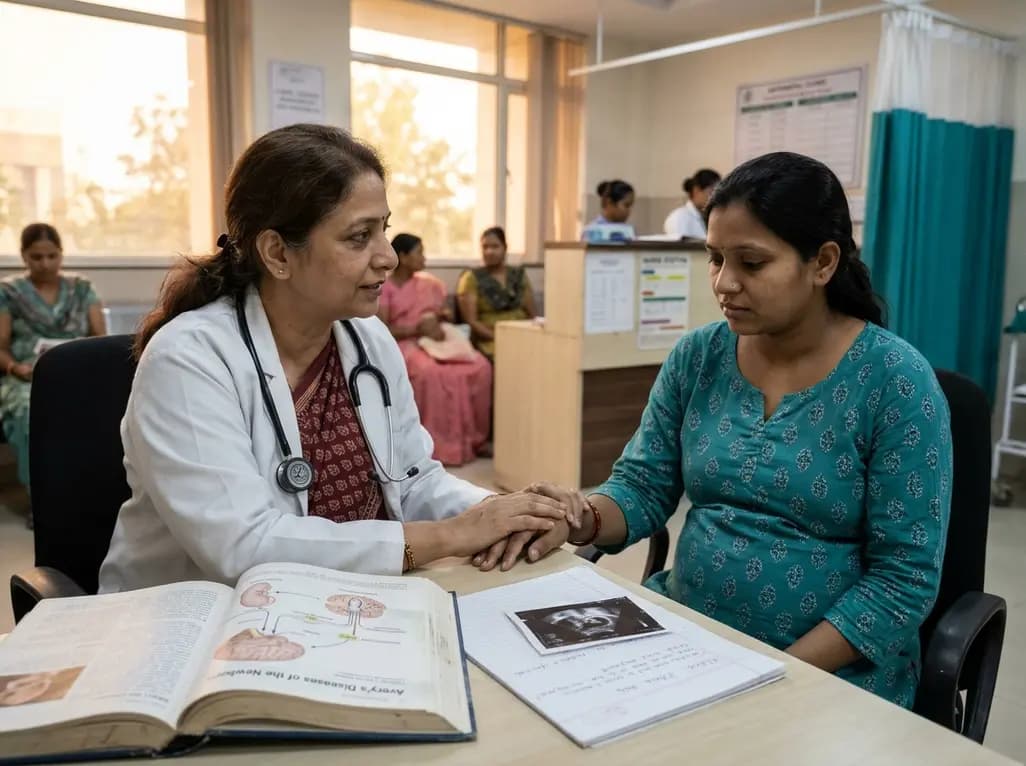
A comprehensive scoping review synthesises evidence linking prenatal maternal mental health to long-term offspring neurodevelopment, evaluating neuroendocrine, inflammatory, and epigenetic pathways while highlighting clinical screening and future research priorities.
Today
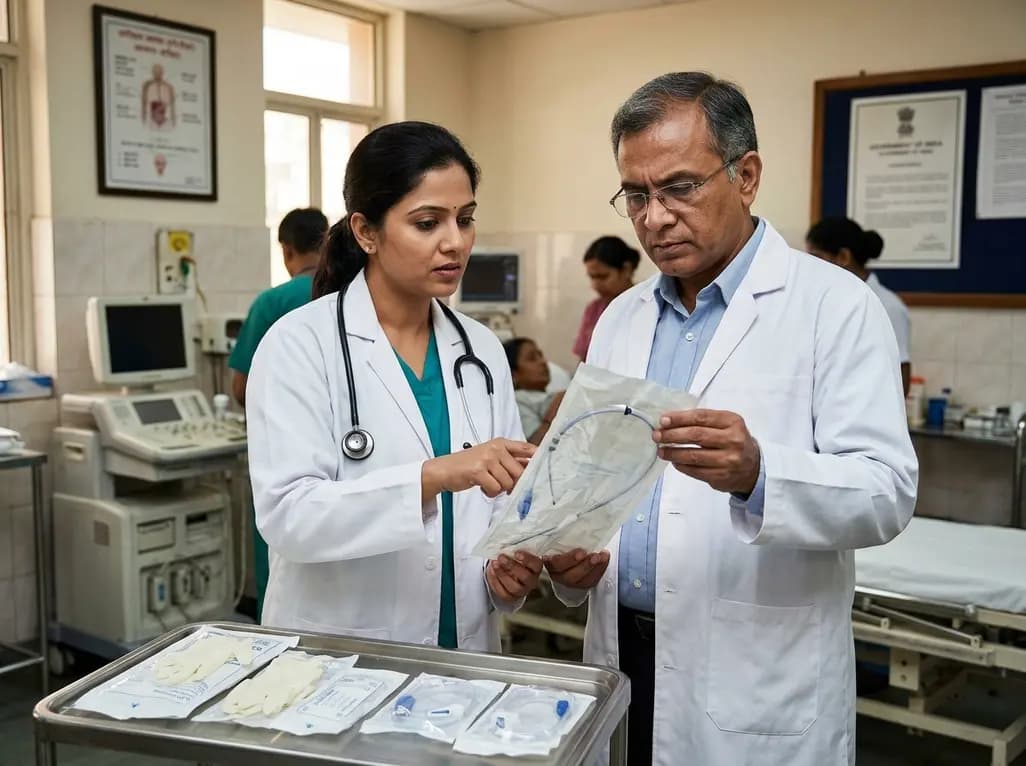
The Directorate General of Health Services directs Indian states to halt the hazardous reuse and reprocessing of single-use medical devices. Discover regulatory implications under the Drugs and Cosmetics Act, critical infection risks, legal liabilities, and operational changes required across clinical specialties.
Today
A 25-year multi-institutional cohort reveals high recurrence rates in pediatric giant cell tumor of bone, particularly in patients with open physes and bone marrow edema on preoperative MRI. Early surveillance and careful balance between growth plate preservation and tumor clearance are essential.
Today

India is advancing preventive healthcare by integrating genomics, artificial intelligence, and quantum technologies. With the SANGAM programme sequencing one million Indian genomes, clinicians can unlock personalized therapies, detect cardiometabolic risks early, and curb the burden of diabetes and heart disease.
Today
