.webp&w=384&q=75)

Loading, please wait...
Loading, please wait...

Accurate inflammatory dermatoses diagnosis remains a significant challenge for clinicians due to overlapping clinical features. Dermatologists frequently encounter cases where multiple conditions present with similar morphology. A recent retrospective study analyzed 150 patients to determine how often clinical impressions align with histopathological results. The findings offer critical insights into the diagnostic process and the utility of skin biopsies in routine practice.
The research revealed that primary-impression concordance was only 64.0%. However, when including all listed differentials, the concordance jumped to 96.0%. This significant 32-percentage-point gap indicates that clinicians often consider the correct diagnosis but struggle to prioritize it. Consequently, histopathology serves as a vital tool to confirm the actual disease among several valid possibilities. Meanwhile, dermatologists should continue to list broad differentials to ensure they capture the correct diagnosis early in the workup.
Diagnostic accuracy depends heavily on the specific disease category. Specifically, lichen planus and psoriasis showed high primary-impression sensitivities of 90.9% and 79.8%, respectively. In contrast, the sensitivity for mycosis fungoides was only 33.3%, while dermatitis or eczema fell to a low of 15.8%. These results suggest that while clinicians routinely consider these conditions, they seldom prioritize them without pathological evidence. Therefore, early biopsies are essential for managing these elusive dermatoses effectively.
Statistical analysis identified disease category as the dominant independent predictor of diagnostic accuracy. Interestingly, the number of listed differential diagnoses did not significantly impact primary-impression precision after adjustment. This finding underscores that certain diseases are inherently more difficult to identify clinically. Ultimately, dermatologists must rely on pathological confirmation, especially for chronic inflammatory conditions and suspected early-stage malignancies like mycosis fungoides.
Eczema often lacks specific pathognomonic features and mimics other spongiotic or psoriasiform dermatoses. In contrast, psoriasis typically presents with more distinct clinical markers like silvery scales and sharp borders, making it easier to identify as a primary impression.
Biopsies are most critical when a patient presents with persistent dermatitis or suspected mycosis fungoides. Since these conditions have low primary clinical accuracy, histopathological examination provides the necessary clarity for appropriate treatment planning.
Disclaimer: This content is for informational and educational purposes only. It does not constitute medical advice or establish a doctor-patient relationship. Always seek the advice of a qualified healthcare provider regarding any medical condition. Refer to the latest local and national guidelines for clinical practice.
References
1. Dığış M et al. Clinical-pathological diagnostic concordance in inflammatory dermatoses: a single-center retrospective analysis. Cutan Ocul Toxicol. 2026 May 16. doi: 10.1080/15569527.2026.2673154. PMID: 42141892.
2. Lallas A et al. Accuracy of dermoscopic criteria for the diagnosis of psoriasis, dermatitis, lichen planus and pityriasis rosea. Br J Dermatol. 2012;166(6):1198-205.
3. Sushma TA et al. Morphological Patterns of Cutaneous Papulosquamous Lesions- A Diagnostic Dilemma. NJLM. 2022;11(2):PO01-PO05.

Read summarized clinical updates, watch expert medical content, and earn CME certifications right from your smartphone.
Open your smartphone camera to scan and install.





Study reveals a 32% gap between primary clinical diagnosis and biopsy results in inflammatory dermatoses, highlighting high accuracy for psoriasis but low f...
5 months ago
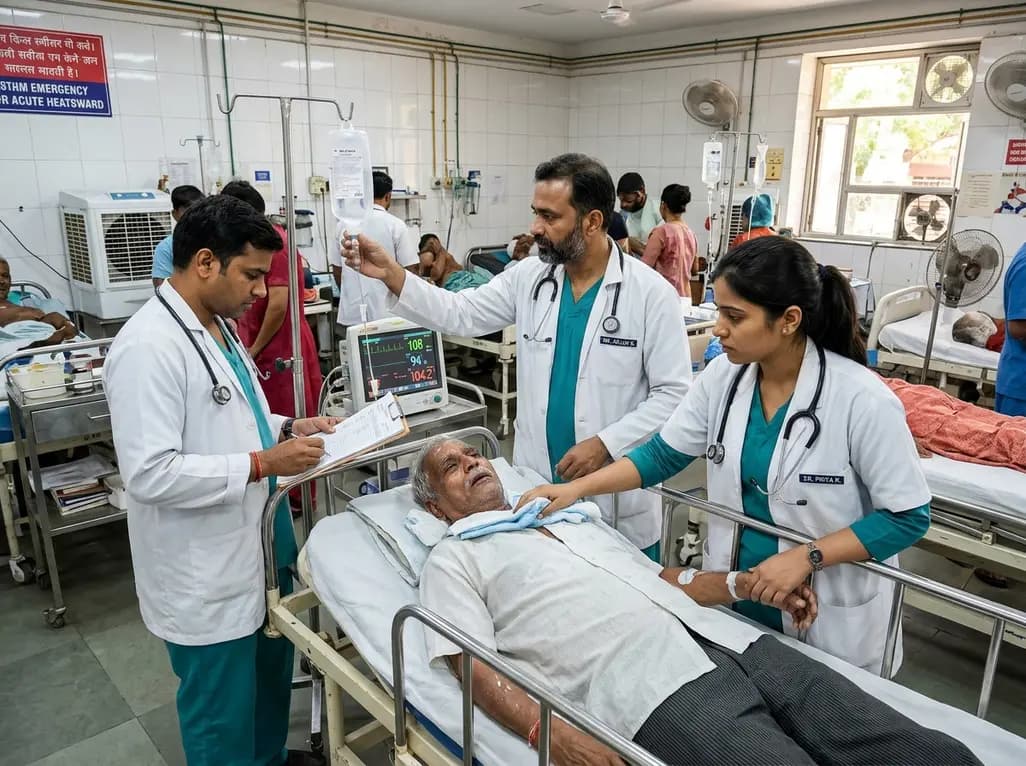
Recent epidemiological data reveals a dramatic surge in summer heat mortality driven by human-induced climate warming. This analysis explores the pathophysiological impacts on cardiac and renal systems, diagnostic dilemmas in death certification, and essential emergency cooling protocols for acute clinical care.
Today
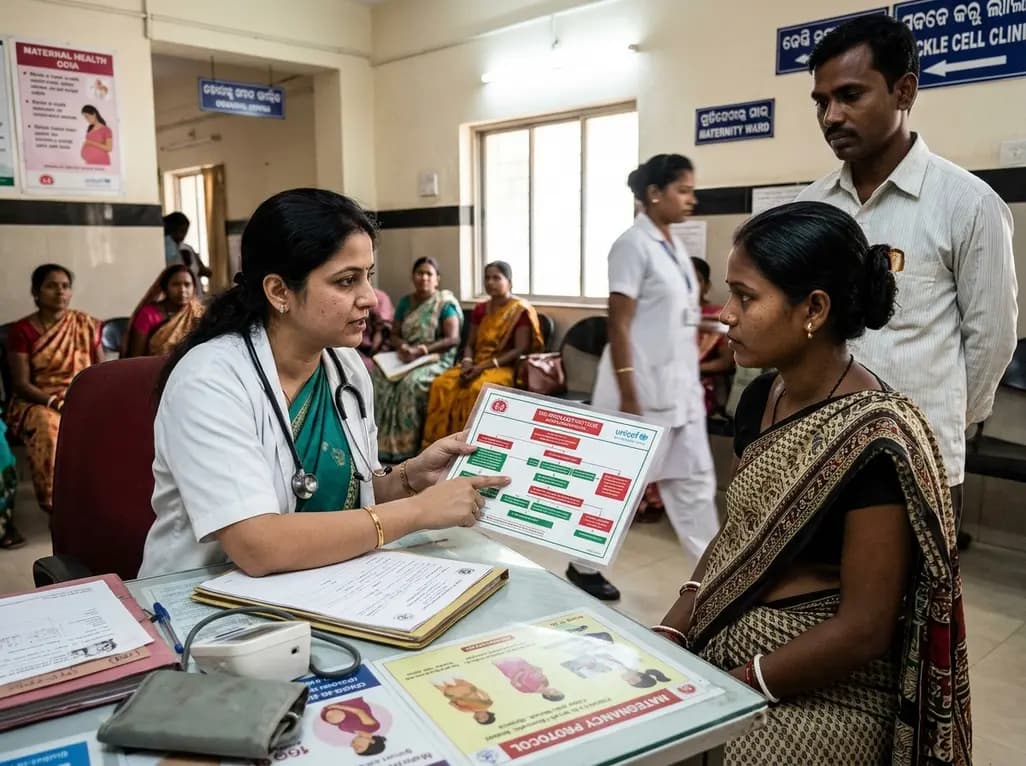
Odisha has established India's first state-level clinical protocol specifically tailored for pregnant women with sickle cell disease. Developed with NHM and UNICEF, the framework provides structured antenatal screening, crisis mitigation, standardized referral pathways, and specialized interdisciplinary care.
Today

India is advancing preventive healthcare by integrating genomics, artificial intelligence, and quantum technologies. With the SANGAM programme sequencing one million Indian genomes, clinicians can unlock personalized therapies, detect cardiometabolic risks early, and curb the burden of diabetes and heart disease.
Today
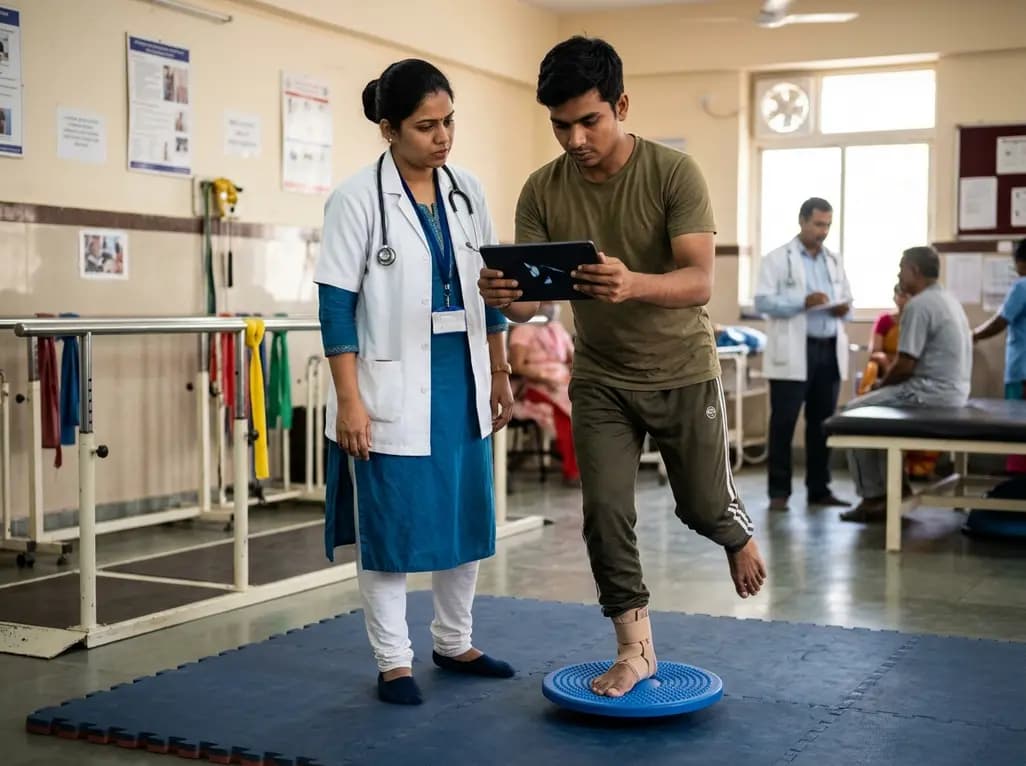
A randomized controlled trial demonstrates that an eight-week dual-task training intervention significantly improves static and dynamic postural control over standard balance exercises in individuals with chronic ankle instability, addressing critical neurocognitive deficits during athletic and daily activities.
Today

A retrospective cohort study of 7,716 ICU patients from the MIMIC-IV database demonstrates that Gradient Boosting Decision Trees significantly outperform traditional SOFA scores in predicting in-hospital mortality among patients with sepsis and diabetes, with SHAP analysis providing clinical interpretability.
Today
