.webp&w=384&q=75)

Loading, please wait...
Loading, please wait...
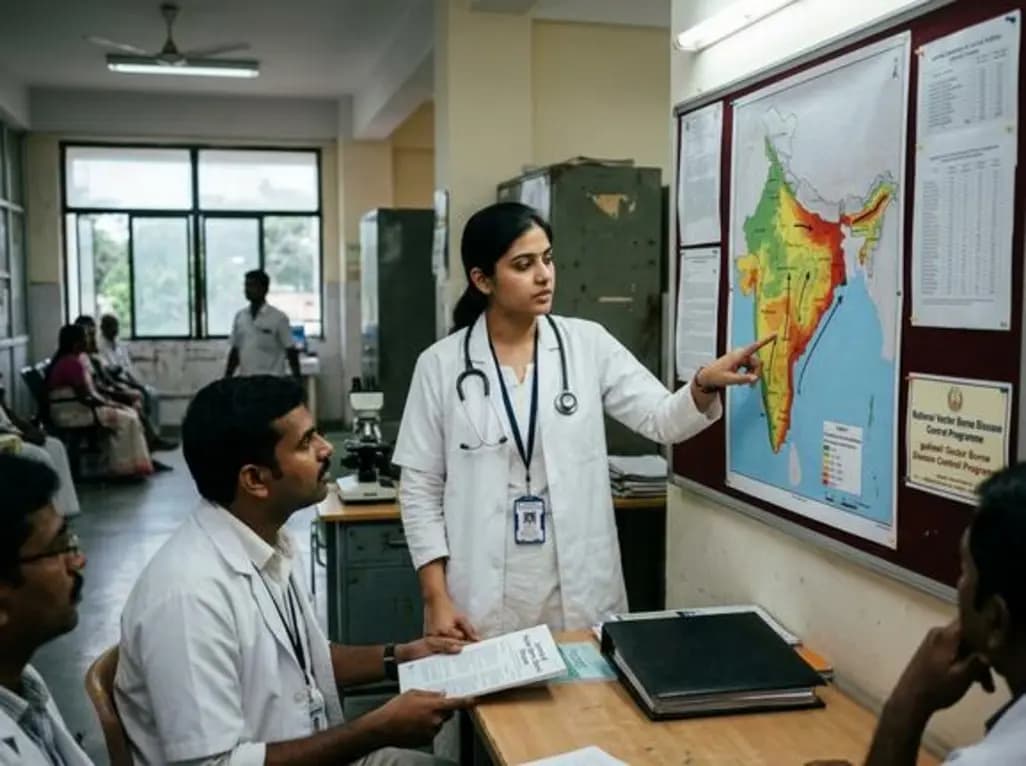
Climate change is no longer a distant threat; it is actively reshaping the global landscape of infectious diseases. Specifically, shifting environmental conditions are fundamentally altering climate change mosquito distribution patterns. A comprehensive study recently analyzed the future ranges of 18 mosquito species. It reveals a dramatic reorganization of vector communities that will likely impact public health strategies worldwide. Doctors and public health officials must understand these shifts to anticipate emerging disease clusters.
The research employed MaxEnt modeling to project habitat suitability under various climate scenarios. Researchers found that topographical factors, such as the Wetness Index and elevation, play a massive role in where mosquitoes thrive. Furthermore, the study highlights a stark contrast between species. While some mosquitoes face extinction in certain areas, others are poised for massive expansion. For instance, Aedes albopictus and Culex tritaeniorhynchus could expand their suitable habitats by over 180% and 230%, respectively, under high-emission scenarios. Consequently, these shifts will increase the population at risk for arboviruses and Japanese encephalitis.
In contrast, several Anopheles species, which traditionally transmit malaria, may face significant habitat contraction. This shift does not necessarily mean a decrease in total disease risk. Instead, it suggests a transition in the types of pathogens that will dominate specific regions. Notably, recent data from 2026 suggests that extreme weather events like floods now drive 60% of dengue outbreaks in previously stable regions. Therefore, areas once considered safe from specific diseases may soon become high-risk zones. This evolution requires clinicians to maintain a high index of suspicion for non-endemic illnesses.
Finally, the study introduces a Climate Change Vulnerability Index (CCVI). This tool helps categorize species based on their risk of range expansion or contraction. Notably, 12 out of the 18 species studied are expected to expand their range significantly. This expansion underscores the urgent need for adaptive surveillance. Healthcare systems must integrate localized hydrological and landscape data into their vector management protocols. Proactive measures are essential to stay ahead of these rapid ecological shifts.
Aedes albopictus is a primary vector for Dengue, Zika, and Chikungunya. Its expansion into new regions increases the geographic footprint of these diseases, putting larger populations at risk.
While some Anopheles species may lose habitat due to rising temperatures, climate change can also create new breeding grounds through increased rainfall and flooding. This creates a complex and shifting risk profile for malaria.
The CCVI is a metric used to evaluate how different species respond to climate shifts. It helps identify which mosquitoes are most likely to expand their range and which ones are most vulnerable to habitat loss.
Disclaimer: This content is for informational and educational purposes only. It does not constitute medical advice or establish a doctor-patient relationship. Refer to the latest local and national guidelines for clinical practice.
References
Ryu J et al. Projected distributions of 18 mosquito species in the Republic of Korea under climate change scenarios. Parasit Vectors. 2026 Jun 21. doi: 10.1186/s13071-026-07528-5. PMID: 42324574.
Harris M et al. How climate change is fueling disease outbreaks. Stanford Report. 2026 Mar 17.
Palmer M et al. Climate change and extreme weather events threats to African malaria control. Met Office / Nature. 2026 Jan 28.

Read summarized clinical updates, watch expert medical content, and earn CME certifications right from your smartphone.
Open your smartphone camera to scan and install.





A study on mosquito distributions reveals that climate change will cause significant range expansion for vectors of Japanese encephalitis and arboviruses. These findings underscore the need for adaptive vector management and help clinicians anticipate shifting patterns of vector-borne diseases.
4 months ago
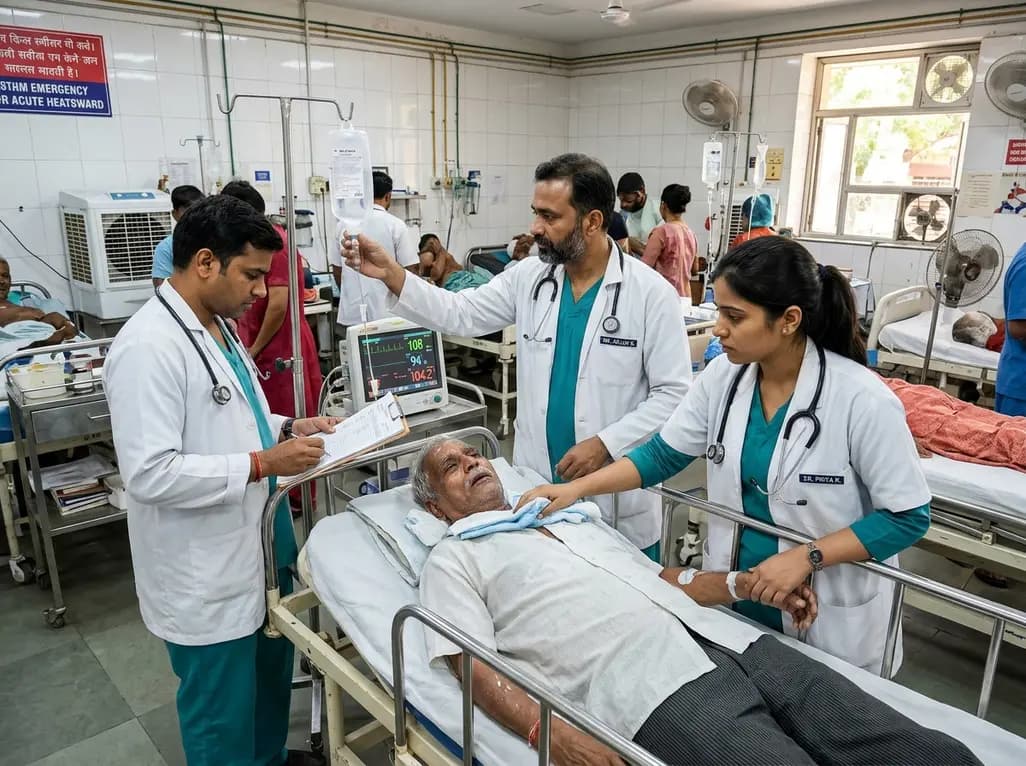
Recent epidemiological data reveals a dramatic surge in summer heat mortality driven by human-induced climate warming. This analysis explores the pathophysiological impacts on cardiac and renal systems, diagnostic dilemmas in death certification, and essential emergency cooling protocols for acute clinical care.
Today

Odisha has established India's first state-level clinical protocol specifically tailored for pregnant women with sickle cell disease. Developed with NHM and UNICEF, the framework provides structured antenatal screening, crisis mitigation, standardized referral pathways, and specialized interdisciplinary care.
Today

India is advancing preventive healthcare by integrating genomics, artificial intelligence, and quantum technologies. With the SANGAM programme sequencing one million Indian genomes, clinicians can unlock personalized therapies, detect cardiometabolic risks early, and curb the burden of diabetes and heart disease.
Today

A randomized controlled trial demonstrates that an eight-week dual-task training intervention significantly improves static and dynamic postural control over standard balance exercises in individuals with chronic ankle instability, addressing critical neurocognitive deficits during athletic and daily activities.
Today

A retrospective cohort study of 7,716 ICU patients from the MIMIC-IV database demonstrates that Gradient Boosting Decision Trees significantly outperform traditional SOFA scores in predicting in-hospital mortality among patients with sepsis and diabetes, with SHAP analysis providing clinical interpretability.
Today
