.webp&w=384&q=75)

Loading, please wait...
Loading, please wait...

Chronic kidney disease (CKD) represents a growing health crisis that often remains undetected until advanced stages. A recent pilot study in Andhra Pradesh highlights the urgent need for CKD screening in India. Researchers discovered that nearly 60% of high-risk individuals actually suffer from the condition. However, the majority of these patients remain completely unaware of their declining kidney health. This finding underscores a massive gap in current primary care diagnostic protocols across the country.
The study utilized point-of-care tests and digital tools to screen nearly 2,000 people. Strikingly, 57.5% of urban and 61.8% of rural participants tested positive for CKD. Despite these high numbers, awareness levels were dismal among the participants. Only 1.4% of urban patients knew about their diagnosis before the study. Rural awareness was slightly better but still low at 16.5%. Therefore, these statistics reveal a silent epidemic that requires immediate medical intervention.
Early detection can significantly change patient outcomes and long-term prognosis. Currently, India's national NCD program focuses mainly on hypertension and diabetes. Consequently, it often misses kidney-related complications until they reach advanced stages. Implementing systematic CKD screening in India could prevent many cases from progressing to end-stage renal disease. Digital solutions and point-of-care testing make this feasible even in resource-limited settings. Furthermore, these tools allow non-specialized workers to collect vital health data efficiently.
The research identified distinct patterns between different geographic areas in the state. Rural patients often faced more advanced disease stages compared to their urban counterparts. For instance, stage 4 and 5 CKD were much more common in rural hotspots. Urban patients, however, carried a heavier burden of diabetes and hypertension. Interestingly, nearly half of rural patients had no traditional comorbidities. This suggests that environmental factors or unknown causes might drive kidney damage in these regions.
Addressing economic barriers is also crucial for improving kidney health outcomes. Only a small fraction of the Indian population has health insurance coverage. Most patients pay for laboratory tests out-of-pocket, which makes routine check-ups unaffordable for many families. Moving toward a more integrated primary care model could reduce these financial burdens. In addition, timely referral to nephrology care has proven to be cost-effective in the long run.
Q1: Why is CKD awareness so low among high-risk groups?
CKD often progresses silently without obvious symptoms until the later stages. Additionally, many routine health check-ups in India do not include specific kidney function tests like albuminuria or eGFR measurement, leading to missed diagnoses.
Q2: What tools can help improve early detection of kidney issues?
Point-of-care testing and integrated digital mobile solutions allow for rapid screening at primary health centers. These tools enable even non-specialists to identify risk factors early and ensure timely referrals to nephrologists.
Disclaimer: This content is for informational and educational purposes only. It does not constitute medical advice or replace professional judgment. Refer to the latest local and national guidelines for clinical practice.
References

Read summarized clinical updates, watch expert medical content, and earn CME certifications right from your smartphone.
Open your smartphone camera to scan and install.





A study reveals 60% of high-risk patients have CKD, but awareness is extremely low. Discover the role of point-of-care tests in improving detection in India...
7 months ago

A recent study demonstrates that spinal oxygen sensors do not require mitochondrial electron transport to trigger sympathetic excitation during acute hypoxia, revealing new insights into how mitochondrial oxidative stress modulates autonomic tone in cardiovascular and neurological diseases.
Today
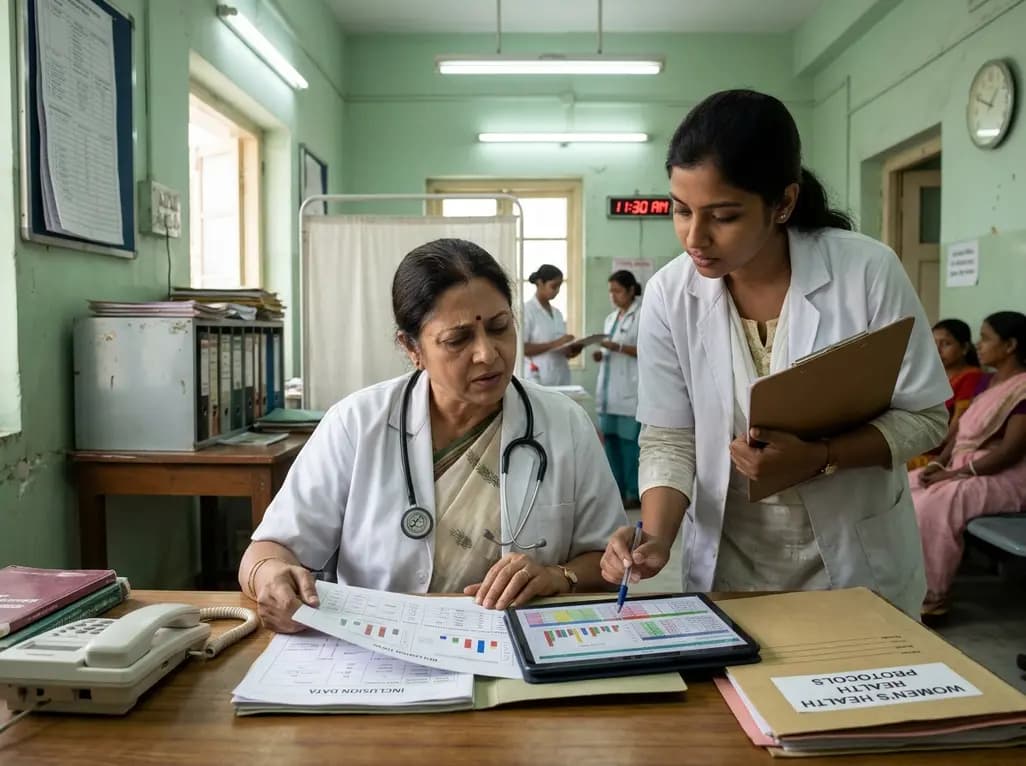
Demanding exhaustive hormonal profiling can inadvertently discourage clinical studies involving females. Methodological standards must align with the specific scientific question to expand, not restrict, equitable evidence for women.
Today

The Directorate General of Health Services directs Indian states to halt the hazardous reuse and reprocessing of single-use medical devices. Discover regulatory implications under the Drugs and Cosmetics Act, critical infection risks, legal liabilities, and operational changes required across clinical specialties.
Today
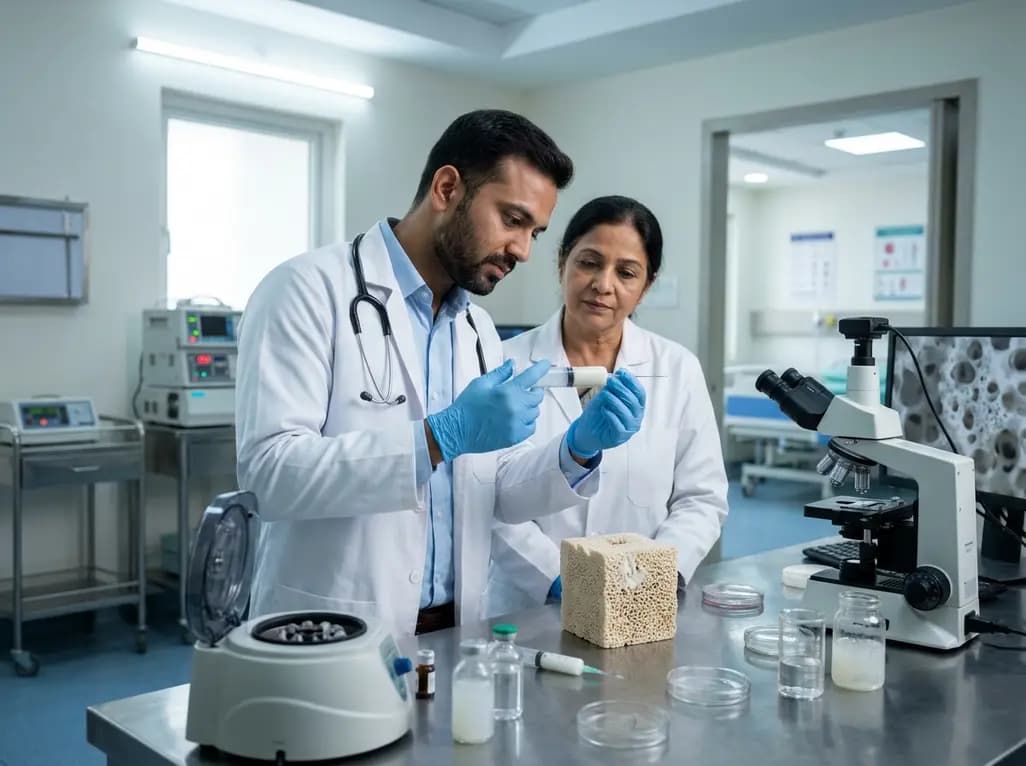
A novel calcium polyphosphate coacervate enables injectable bone implants with in situ hierarchical porosity via phase separation and gas foaming, significantly enhancing cell proliferation, energy metabolism, and osteogenic differentiation for minimally invasive bone defect repair.
Today
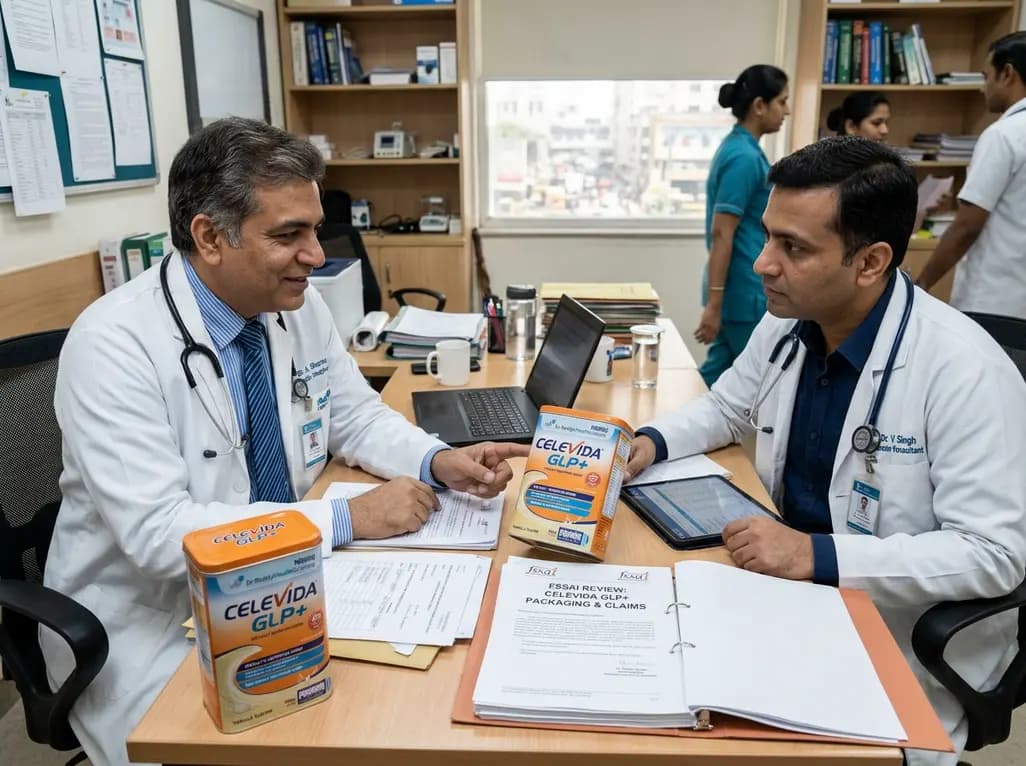
Following regulatory scrutiny from FSSAI regarding promotional representations and lean muscle preservation claims, Dr. Reddy's Laboratories and Nestlé Health Science are currently reviewing the branding and marketing strategy for their joint nutritional supplement Celevida GLP+.
Today
