.webp&w=384&q=75)

Loading, please wait...
Loading, please wait...
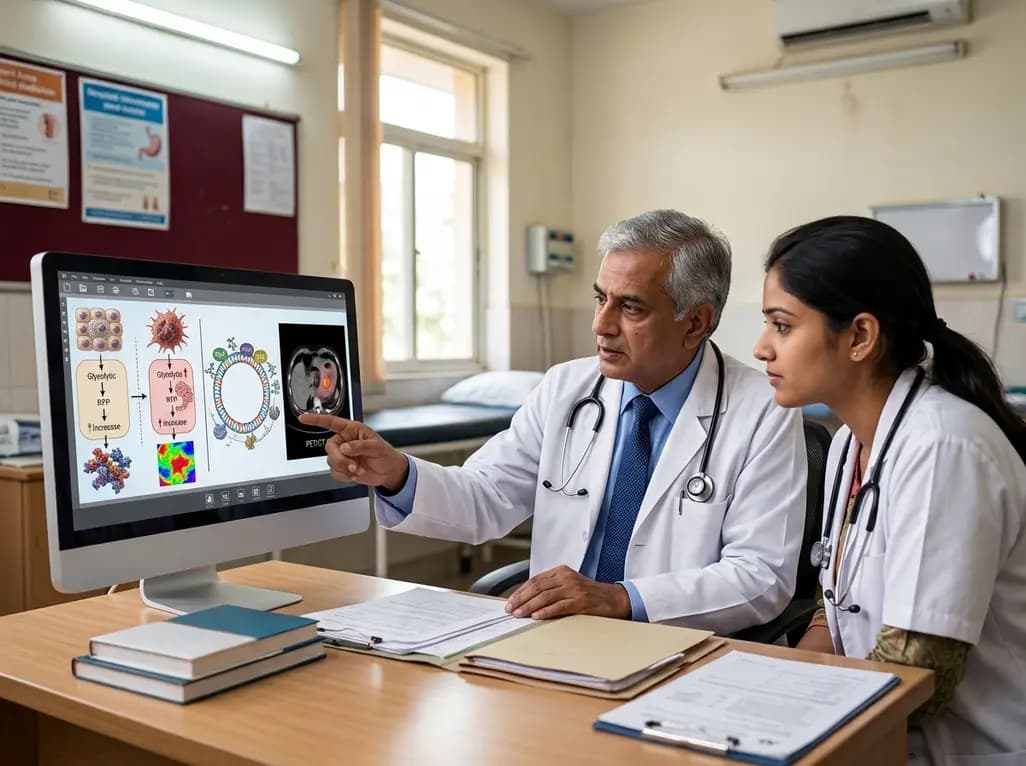
Gastric cancer (GC) remains a significant health burden globally, particularly in India, where it ranks as a leading cause of cancer-related mortality. Emerging research highlights the critical role of circRNAs in gastric cancer, specifically how they drive metabolic remodeling to support tumor survival. Unlike linear RNAs, circular RNAs (circRNAs) possess a covalently closed loop structure that grants them exceptional stability against enzymatic degradation. Consequently, these molecules play pivotal roles in tumor progression by modulating energy metabolism, which allows cancer cells to thrive under challenging conditions.
Metabolic reprogramming represents a hallmark of tumorigenesis. In gastric cancer, tumor cells must adapt their metabolic pathways to sustain rapid proliferation and invasion. Specifically, circRNAs act as regulatory switches by sponging microRNAs or binding to proteins that control key metabolic enzymes. For instance, some circRNAs promote aerobic glycolysis, also known as the Warburg effect, by upregulating glucose transporters and hexokinase enzymes. Moreover, these molecules influence lipid synthesis and glutaminolysis, providing the necessary building blocks for tumor growth. Therefore, targeting these circular transcripts could potentially disrupt the metabolic fuel lines of cancer cells.
Additionally, the unique stability of circRNAs makes them ideal candidates for clinical applications. Researchers are exploring their potential as non-invasive biomarkers in blood and gastric juice. Because these molecules resist exonuclease activity, they persist in the systemic circulation longer than other RNA types. Furthermore, their expression levels often correlate with clinical stages and prognosis. Thus, they offer a promising avenue for early detection and personalized treatment strategies in oncology.
Current studies aim to translate these molecular insights into effective therapeutic interventions. By using nanoparticle delivery systems, clinicians might one day silence oncogenic circRNAs or restore tumor-suppressive ones. However, more extensive clinical trials are necessary to validate these findings within the Indian population. Ultimately, understanding the intricate crosstalk between non-coding RNAs and metabolism will revolutionize our approach to gastric cancer management.
CircRNAs feature a unique circular structure without free ends. This configuration protects them from being broken down by enzymes, making them much more stable than linear RNAs in the human body.
These molecules often regulate pathways that allow cancer cells to bypass the effects of chemotherapy. By altering cellular metabolism and survival signals, circRNAs help tumors survive treatment and recur later.
Disclaimer: This content is for informational and educational purposes only. It does not constitute medical advice or establish a doctor-patient relationship. Always seek the advice of a qualified healthcare provider regarding a medical condition. Refer to the latest local and national guidelines for clinical practice.
References

Read summarized clinical updates, watch expert medical content, and earn CME certifications right from your smartphone.
Open your smartphone camera to scan and install.





A review of how circular RNAs regulate metabolic pathways in gastric cancer, highlighting their role in tumor progression and their potential as biomarkers....
4 months ago
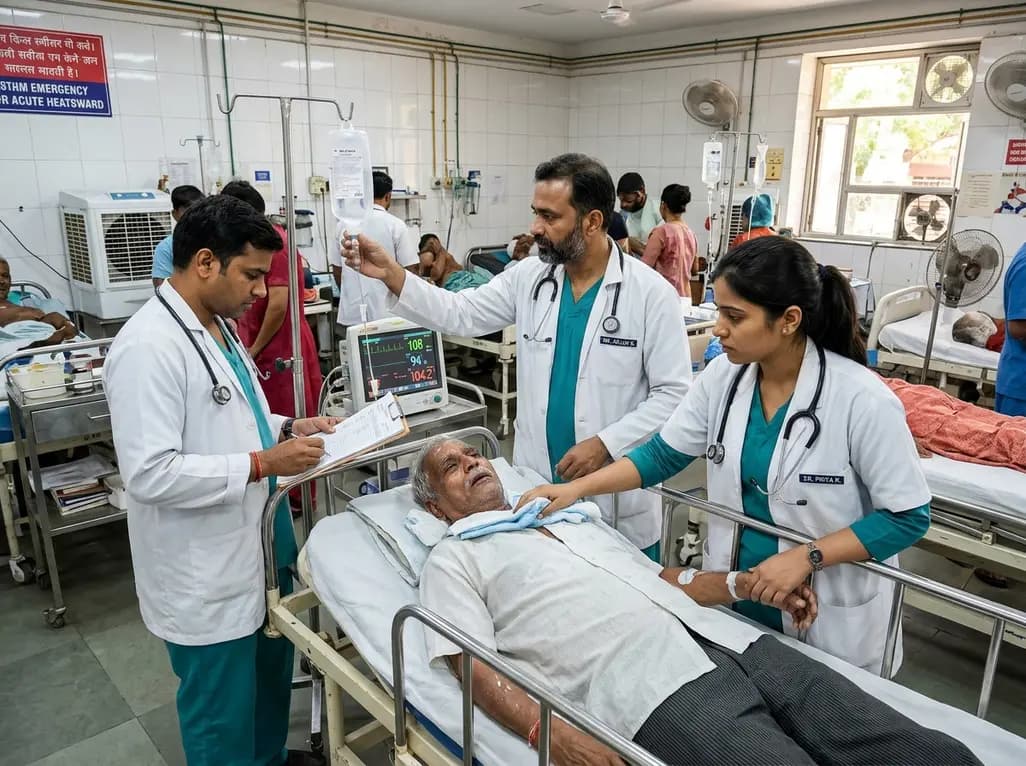
Recent epidemiological data reveals a dramatic surge in summer heat mortality driven by human-induced climate warming. This analysis explores the pathophysiological impacts on cardiac and renal systems, diagnostic dilemmas in death certification, and essential emergency cooling protocols for acute clinical care.
Today

Odisha has established India's first state-level clinical protocol specifically tailored for pregnant women with sickle cell disease. Developed with NHM and UNICEF, the framework provides structured antenatal screening, crisis mitigation, standardized referral pathways, and specialized interdisciplinary care.
Today

India is advancing preventive healthcare by integrating genomics, artificial intelligence, and quantum technologies. With the SANGAM programme sequencing one million Indian genomes, clinicians can unlock personalized therapies, detect cardiometabolic risks early, and curb the burden of diabetes and heart disease.
Today

A randomized controlled trial demonstrates that an eight-week dual-task training intervention significantly improves static and dynamic postural control over standard balance exercises in individuals with chronic ankle instability, addressing critical neurocognitive deficits during athletic and daily activities.
Today

A retrospective cohort study of 7,716 ICU patients from the MIMIC-IV database demonstrates that Gradient Boosting Decision Trees significantly outperform traditional SOFA scores in predicting in-hospital mortality among patients with sepsis and diabetes, with SHAP analysis providing clinical interpretability.
Today
