.webp&w=384&q=75)

Loading, please wait...
Loading, please wait...
Circular RNAs represent a unique class of endogenous transcripts characterized by their covalently closed loop structures. Unlike linear messenger RNAs, these molecules lack free ends, which grants them remarkable resistance against exonucleolytic degradation. Consequently, they often exhibit significantly higher stability within the cellular environment and circulatory system. Among the numerous circular RNAs identified to date, circMAN1A2 has emerged as a particularly significant player in various malignancies. Research into circMAN1A2 in cancer reveals its derivation from the MAN1A2 locus through a process known as back-splicing. This mechanism involves the fusion of a downstream splice donor site with an upstream splice acceptor site. While many circular RNAs were once dismissed as transcriptional noise, current evidence underscores their roles as sophisticated regulators of gene expression. Specifically, circMAN1A2 acts as an isoform-resolved hub, meaning its biological function depends heavily on the specific isoform expressed. Its presence is frequently dysregulated across diverse cancer types, suggesting a fundamental role in tumor biology. Scientists now recognize that this stability and tissue-specific expression make it an ideal candidate for molecular research. Understanding how these loops interact with other cellular components is essential for modern oncology. As we delve deeper into its biogenesis and function, it becomes clear that this molecule is more than just a byproduct of splicing.
The concept of an isoform-resolved RNA hub is central to understanding the complexity of circMAN1A2 in cancer. Recent studies indicate that alternative circularization at the MAN1A2 locus can generate multiple distinct circular isoforms. In healthy tissues, these isoforms typically exist in a balanced state. However, malignant transformation often leads to the dominance of a single, predominantly expressed isoform. This shift is not merely a quantitative change but a qualitative one that alters the regulatory landscape of the cell. Transitioning from a multi-isoform environment to a dominant one allows the cancer cell to streamline specific signaling pathways. Furthermore, these isoforms may possess different binding sites for microRNAs or proteins, depending on which exons are included in the circular loop. This diversity implies that a single genomic locus can exert vastly different biological effects depending on the splicing context. Notably, the back-splice junction itself creates a unique sequence that does not exist in linear transcripts. This junction can facilitate direct interactions with other RNA molecules or proteins, effectively creating a novel regulatory interface. Researchers are now focusing on quantifying these specific junctions to differentiate between benign and malignant states. By resolving these isoforms, clinicians can potentially achieve higher diagnostic precision. This level of resolution is necessary for moving beyond broad classifications of circular RNA expression toward a more nuanced molecular understanding of disease progression.
Mechanistically, circMAN1A2 in cancer operates through several sophisticated pathways that extend beyond the traditional microRNA sponging model. While it is true that circMAN1A2 can sequester microRNAs to prevent them from inhibiting their target mRNAs, its interactome is far more diverse. For example, in ovarian cancer, it has been shown to sponge miR-135a-3p, thereby upregulating the IL1RAP/TAK1 signaling axis to promote cell proliferation. Beyond this, circMAN1A2 frequently interacts with various RNA-binding proteins to regulate proteostasis. In gastric cancer, exosomal circMAN1A2 has been found to bind and stabilize the SFPQ protein. This interaction prevents the degradation of SFPQ, which in turn promotes the cell cycle and suppresses anti-tumor immunity. Moreover, some evidence suggests that circMAN1A2 can engage in direct RNA-mRNA pairing mediated by its unique back-splice junction sequence. This allows the circular RNA to act as a scaffold, bringing different molecular components together to facilitate specific biochemical reactions. Such multifaceted interactions highlight why this molecule is considered a regulatory hub. By participating in diverse molecular modules, circMAN1A2 can influence transcription, translation, and even protein stability. Consequently, its impact on the cellular phenotype is profound and multifaceted. Understanding these intricate molecular webs is vital for identifying the most effective points of therapeutic intervention. Every interaction represents a potential vulnerability that could be exploited to disrupt oncogenic signaling.
One of the most intriguing aspects of circMAN1A2 in cancer is its highly context-dependent biological effect. In many epithelial cancers, such as nasopharyngeal, oral, thyroid, and lung cancer, it primarily functions as an oncogene. In these settings, high expression levels are typically associated with increased cell migration, invasion, and resistance to apoptosis. Specifically, it can promote vasculogenic mimicry and epithelial-mesenchymal transition, both of which are hallmarks of aggressive disease. In contrast, its role in glioblastoma presents a striking functional dichotomy. In the brain, circMAN1A2 has been observed to act as a tumor suppressor by inducing ferroptosis. Ferroptosis is a form of regulated cell death driven by iron-dependent lipid peroxidation. By promoting this pathway and remodeling the immune microenvironment, circMAN1A2 can actually hinder glioblastoma progression. This variation suggests that the local molecular environment dictates the eventual function of the circular RNA. Factors such as available binding partners and the specific metabolic state of the tissue play a critical role in this functional determination. Therefore, a therapeutic strategy that works for one cancer type might be inappropriate for another. This duality underscores the importance of personalized medicine in oncology. Clinicians must consider the specific cancer type and the localized molecular context before determining the clinical relevance of circMAN1A2 levels. This complexity adds a layer of challenge but also provides unique opportunities for targeted treatment.
The translational potential of circMAN1A2 in cancer is most evident in its application as a non-invasive biomarker. Because circular RNAs are exceptionally stable in extracellular vesicles and serum, they are ideal targets for liquid biopsies. Clinical evaluations using receiver operating characteristic (ROC) curves have demonstrated that circMAN1A2 has high diagnostic accuracy for multiple malignancies. For instance, in nasopharyngeal carcinoma, its diagnostic value has shown an area under the curve (AUC) as high as 0.911. Similarly, significant diagnostic potential has been noted in oral and lung cancers. Moreover, its expression levels often correlate with clinical features such as tumor stage, lymph node metastasis, and overall survival rates. This makes circMAN1A2 a valuable prognostic indicator that can help clinicians stratify patients based on risk. Transitioning from traditional tissue biopsies to RNA-based liquid biopsies could revolutionize early cancer detection. It allows for repeated, minimally invasive monitoring of a patient's response to therapy. Furthermore, the development of isoform-specific standards is essential to improve the specificity of these assays. By focusing on the unique back-splice junction, laboratories can distinguish circMAN1A2 from its linear counterparts with high precision. As these technologies mature, they will likely become integral parts of routine clinical practice. In the Indian context, where early diagnosis remains a significant challenge, such biomarkers could substantially improve patient outcomes by enabling earlier intervention.
Looking toward the future, the therapeutic targeting of circMAN1A2 in cancer represents a burgeoning field of precision medicine. Given its oncogenic role in several common cancers, developing methods to silence its activity is a primary goal. One promising approach involves the use of antisense oligonucleotides specifically designed to target the back-splice junction. Because this sequence is unique to the circular form, such a strategy would minimize off-target effects on the parental linear mRNA. Additionally, siRNA-mediated knockdown has shown success in laboratory models, effectively reducing tumor growth and enhancing sensitivity to chemotherapy. Conversely, in glioblastoma where the molecule acts as a suppressor, strategies to restore or overexpress specific isoforms could be beneficial. This might involve using synthetic circular RNAs or viral vectors to deliver the therapeutic transcript directly to the tumor site. However, several experimental and quantitative limitations must be addressed before clinical implementation. For example, the competing endogenous RNA (ceRNA) models often used to explain circRNA function require rigorous validation to ensure they reflect true physiological conditions. Furthermore, reproducible standards for quantifying circular RNA isoforms are necessary for regulatory approval. Despite these hurdles, the progress made in RNA-based therapeutics over the last decade provides a strong foundation. As we refine our delivery methods and targeting specificity, circMAN1A2-directed therapies may become a reality for cancer patients worldwide.
In most epithelial cancers, circMAN1A2 acts as an oncogenic driver by regulating pathways related to cell growth and survival. It often functions by sequestering microRNAs that would otherwise inhibit oncogenes, a process known as sponging. Furthermore, it interacts with RNA-binding proteins to stabilize factors like SFPQ, which promotes the cell cycle. Consequently, its upregulation leads to increased proliferation, invasion, and resistance to standard therapies in these specific tumor environments.
The circular structure of circMAN1A2 protects it from degradation by RNases, making it far more stable in the blood and other body fluids than linear RNA. This stability allows for reliable detection via liquid biopsies, which are non-invasive and easy to perform. Additionally, its high tissue specificity and significant dysregulation in cancer ensure high sensitivity and specificity. Clinical studies have consistently shown high AUC values, indicating its excellent diagnostic and prognostic potential.
A major challenge is ensuring the therapy selectively targets the circular RNA without affecting the parental linear mRNA. This requires precisely designing molecules that recognize the unique back-splice junction. Additionally, the functional duality of circMAN1A2—acting as an oncogene in some cancers and a suppressor in others—necessitates a highly tailored approach for each disease. Finally, achieving efficient and safe delivery of RNA-based drugs to the tumor site remains a significant hurdle in clinical translation.
Disclaimer: This content is for informational and educational purposes only. It does not constitute professional medical advice, diagnosis, or treatment. Always seek the advice of a qualified healthcare provider with any questions you may have regarding a medical condition. Refer to the latest local and national guidelines for clinical practice.
References
Shang H et al. circMAN1A2 as an Isoform-Resolved Circular RNA Hub in Cancer. Cancer Sci. 2026 Jun 25. doi: 10.1111/cas.70445. PMID: 42348294.
Li B et al. Circular RNA circMAN1A2 promotes ovarian cancer progression through the microRNA-135a-3p/IL1RAP/TAK1 pathway. PeerJ. 2024 Apr 24;12:e16967. doi: 10.7717/peerj.16967.
Xu Z et al. GC-derived exosomal circMAN1A2 promotes cancer progression and suppresses T-cell antitumour immunity by inhibiting FBXW11-mediated SFPQ degradation. J Exp Clin Cancer Res. 2025 Jan 25;44(1):25. doi: 10.1186/s13046-025-03288-9.

Read summarized clinical updates, watch expert medical content, and earn CME certifications right from your smartphone.
Open your smartphone camera to scan and install.





Emerging research highlights circMAN1A2 as a pivotal circular RNA hub in cancer. This isoform-resolved molecule exhibits diverse roles, acting as an oncogene in epithelial tumors while suppressing glioblastoma, offering promising avenues for non-invasive diagnosis and targeted RNA therapies.
3 months ago

Explore vital recurrent stroke predictors in lacunar stroke patients managed with intensive blood pressure lowering. This analysis examines trial findings from SPS3 to uncover residual vascular risks, metabolic factors, and targeted secondary prevention strategies for high-risk neurological patients.
Today
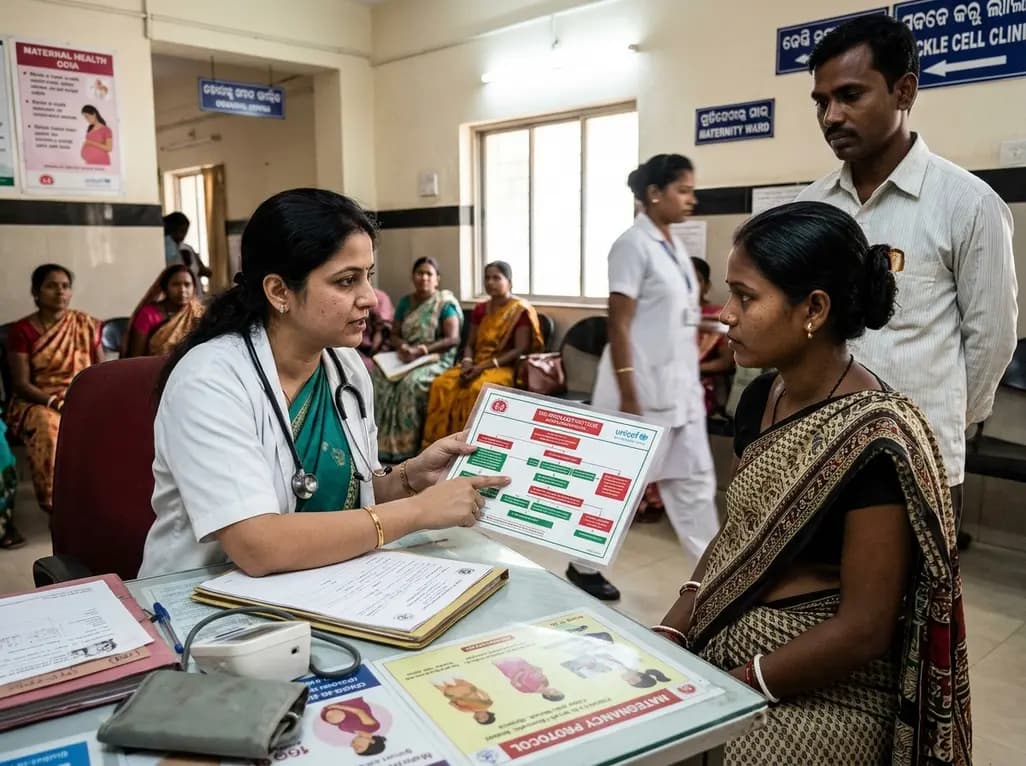
Odisha has established India's first state-level clinical protocol specifically tailored for pregnant women with sickle cell disease. Developed with NHM and UNICEF, the framework provides structured antenatal screening, crisis mitigation, standardized referral pathways, and specialized interdisciplinary care.
Today

India is advancing preventive healthcare by integrating genomics, artificial intelligence, and quantum technologies. With the SANGAM programme sequencing one million Indian genomes, clinicians can unlock personalized therapies, detect cardiometabolic risks early, and curb the burden of diabetes and heart disease.
Today
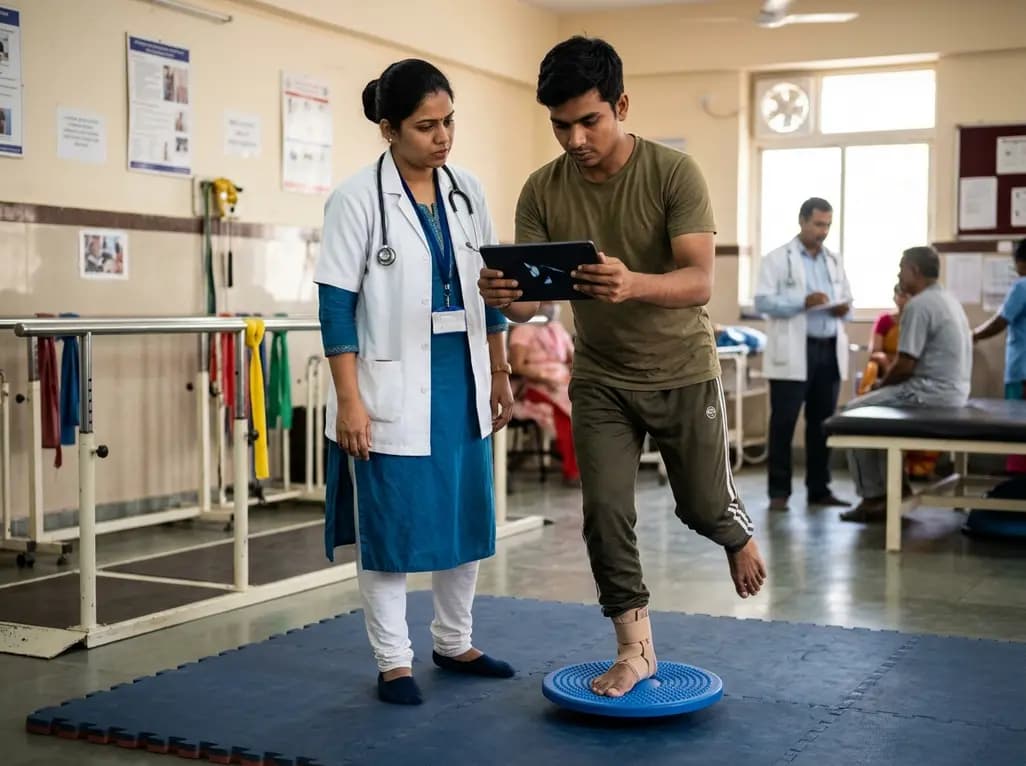
A randomized controlled trial demonstrates that an eight-week dual-task training intervention significantly improves static and dynamic postural control over standard balance exercises in individuals with chronic ankle instability, addressing critical neurocognitive deficits during athletic and daily activities.
Today

A retrospective cohort study of 7,716 ICU patients from the MIMIC-IV database demonstrates that Gradient Boosting Decision Trees significantly outperform traditional SOFA scores in predicting in-hospital mortality among patients with sepsis and diabetes, with SHAP analysis providing clinical interpretability.
Today
