.webp&w=384&q=75)

Loading, please wait...
Loading, please wait...
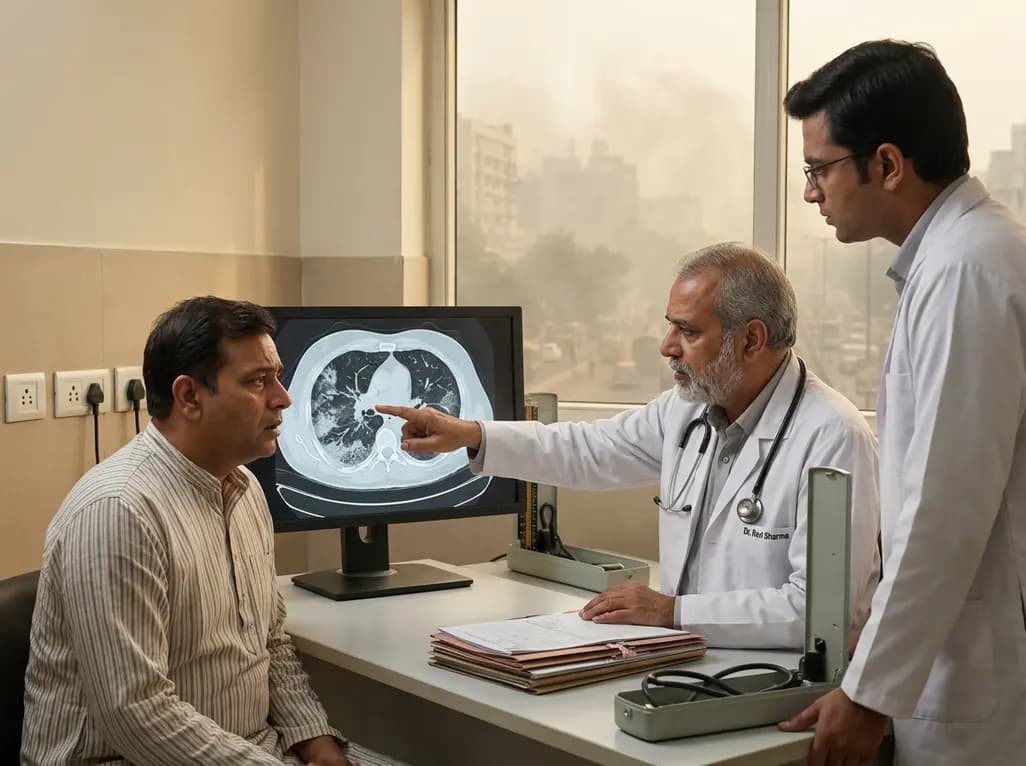
Chronic PM2.5 exposure poses a significant threat to respiratory health worldwide. Recent evidence from the SPIROMICS cohort study highlights how long-term exposure to fine particulate matter affects lung structure. Interestingly, researchers observed these changes even in individuals with a smoking history who do not yet show signs of airflow obstruction on spirometry. This suggests that structural damage may precede clinical diagnosis.
The study analyzed over 2,300 participants to identify environmental impacts on the lungs. The findings demonstrated that a ten-year average exposure to PM2.5 was associated with increased emphysema and functional small airway disease. Furthermore, this association was particularly strong in the GOLD 0 group. These individuals have a significant smoking history but maintain normal lung function tests. Consequently, high-resolution CT scans can detect structural damage before spirometric deficits emerge.
Additionally, the research revealed a notable interaction regarding gender and age. Women younger than 65 in the GOLD 0 and control groups experienced higher symptom scores with increased pollution exposure. This finding suggests that certain demographics may be more vulnerable to the inflammatory effects of air pollutants. Therefore, clinicians should consider environmental factors when assessing respiratory symptoms in younger women, even if their lung function appears normal.
For doctors in India, these results are highly relevant. Many urban areas in India regularly exceed the PM2.5 levels studied in the SPIROMICS cohort. Since structural lung damage can occur before airflow obstruction is detectable, early screening might be beneficial for high-risk patients. Moreover, protecting vulnerable individuals from pollution could mitigate the progression of chronic respiratory diseases in high-pollution zones.
Yes. Research indicates that chronic PM2.5 exposure is linked to structural abnormalities like emphysema and small airway disease on CT scans, even when spirometry results (like FEV1) remain within the normal range. This damage often occurs in smokers before they develop clinical COPD.
The study found that women younger than 65 years old showed a stronger association between pollution exposure and increased respiratory symptoms. This suggests that age and gender may play a role in how the body reacts to inhaled fine particles.
Disclaimer: This content is for informational and educational purposes only. It does not constitute medical advice or establish a doctor-patient relationship. Always seek the advice of a qualified healthcare provider regarding any medical condition. Refer to the latest local and national guidelines for clinical practice.
References
1. Bosma CB et al. Association Between Chronic PM2.5 Exposure and CT-Detected Lung Abnormalities in the SPIROMICS Cohort. Ann Am Thorac Soc. 2026 Jun 02. doi: undefined. PMID: 42226013.
2. Pandey A, et al. Health and economic impact of air pollution in the states of India: the Global Burden of Disease Study 2019. Lancet Planet Health. 2021;5(1):e25-e38.
3. World Health Organization (WHO). Ambient (outdoor) air pollution. 2021.

Read summarized clinical updates, watch expert medical content, and earn CME certifications right from your smartphone.
Open your smartphone camera to scan and install.





New study reveals that chronic PM2.5 exposure leads to CT-detected lung abnormalities even before COPD is clinically diagnosed via spirometry....
4 months ago

Explore vital recurrent stroke predictors in lacunar stroke patients managed with intensive blood pressure lowering. This analysis examines trial findings from SPS3 to uncover residual vascular risks, metabolic factors, and targeted secondary prevention strategies for high-risk neurological patients.
Today
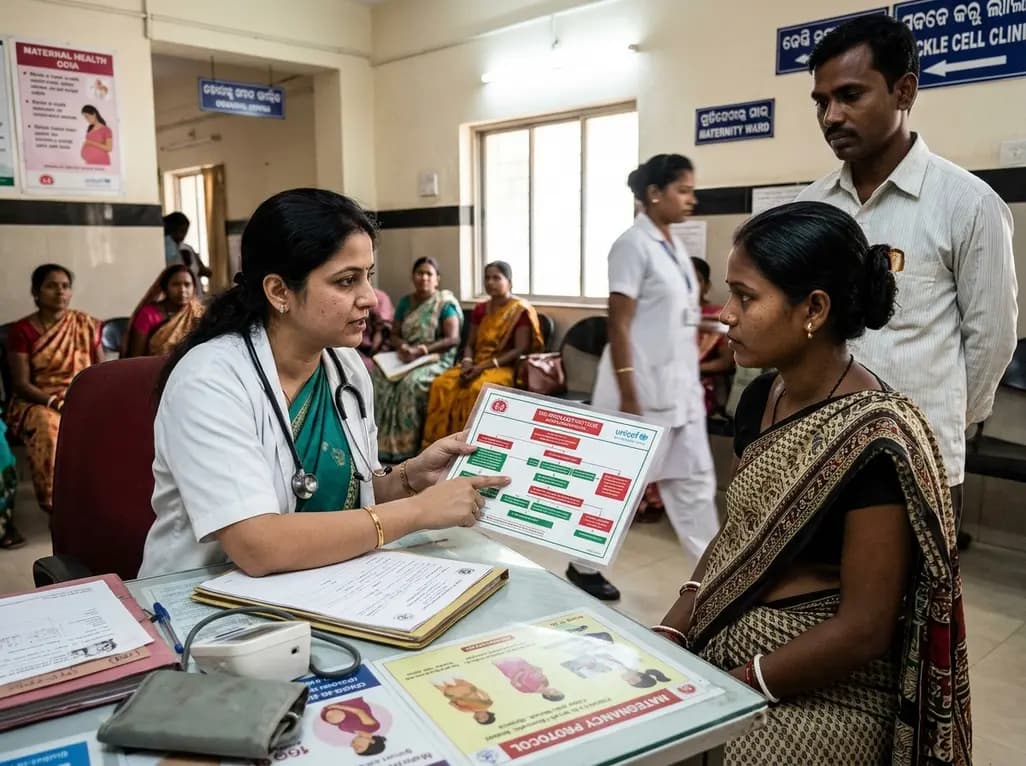
Odisha has established India's first state-level clinical protocol specifically tailored for pregnant women with sickle cell disease. Developed with NHM and UNICEF, the framework provides structured antenatal screening, crisis mitigation, standardized referral pathways, and specialized interdisciplinary care.
Today

The Directorate General of Health Services directs Indian states to halt the hazardous reuse and reprocessing of single-use medical devices. Discover regulatory implications under the Drugs and Cosmetics Act, critical infection risks, legal liabilities, and operational changes required across clinical specialties.
Today

Mitochondria-targeted nanoparticles self-assembled from EGCG and L-glutamic acid effectively restore mitochondrial homeostasis, suppress synovial inflammation, and attenuate chondrocyte senescence in osteoarthritis, offering a promising disease-modifying nanotherapy.
Today

India is advancing preventive healthcare by integrating genomics, artificial intelligence, and quantum technologies. With the SANGAM programme sequencing one million Indian genomes, clinicians can unlock personalized therapies, detect cardiometabolic risks early, and curb the burden of diabetes and heart disease.
Today
