.webp&w=384&q=75)

Loading, please wait...
Loading, please wait...

Managing patients who experience 15 or more headache days per month requires effective evidence-based strategies. A recent systematic review evaluates several chronic migraine prophylaxis medications to determine their clinical efficacy and patient tolerability. This extensive review synthesized data from 43 randomized controlled trials involving over 14,000 participants.
The study found that CGRP-targeted therapies, including eptinezumab, erenumab, fremanezumab, galcanezumab, and atogepant, significantly reduce monthly migraine days. Specifically, these agents reduced migraine frequency by approximately two days compared to placebo. Conversely, researchers noted that rimegepant probably has no effect on preventing chronic migraine, despite its utility in other settings.
Furthermore, the certainty of evidence for these newer therapies is generally high to moderate. While botulinum toxin slightly reduces monthly headache days, it also carries a higher risk of discontinuation due to adverse events. Consequently, clinicians must balance potential relief with the likelihood of treatment adherence. Additionally, evidence for older medications like topiramate, valproate, and propranolol remains limited for chronic cases. Most studies on these older agents carried a high risk of bias. Therefore, CGRP-targeted biologics currently offer a more reliable evidence base for patients with frequent attacks.
When selecting a therapy, physicians should consider individual patient profiles and the risk of dropout. For instance, galcanezumab may actually reduce all-cause dropout rates compared to placebo. However, traditional oral preventatives still play a role in certain clinical scenarios despite the data gaps identified in this review. Most calcitonin gene-related peptide-targeted therapies are probably effective, marking a significant advancement in chronic migraine management.
According to high-certainty evidence, CGRP-targeted therapies such as erenumab, eptinezumab, and atogepant are among the most effective for reducing monthly migraine days in adults.
While botulinum toxin provides some reduction in headache days, the review suggests it may lead to more frequent discontinuation due to side effects compared to newer CGRP-targeted options.
Disclaimer: This content is for informational and educational purposes only. It does not constitute medical advice or establish a doctor-patient relationship. Refer to the latest local and national guidelines for clinical practice.
References

Read summarized clinical updates, watch expert medical content, and earn CME certifications right from your smartphone.
Open your smartphone camera to scan and install.





New research evaluates the efficacy of CGRP-targeted therapies, botulinum toxin, and oral medications for chronic migraine prophylaxis in adults....
4 months ago

A retrospective cohort study demonstrates that comprehensive pharmacy transitions of care—including admission medication history, discharge review, and 72-hour telephone follow-up—significantly reduced 30-day readmission rates in acute care patients, highlighting the value of pharmacist-led clinical interventions.
Today

Meghalaya recorded a historic 55% reduction in maternal deaths, dropping from 244 to 107 over five years. Through the MOTHER app, dedicated transit homes, and expanded infrastructure like the 150-bed Tura Maternity Hospital with its first public NICU, the state demonstrates an effective public health model.
Today

Explore modern perioperative management protocols for clinical xenotransplantation. Learn how costimulation blockade, anti-inflammatory perfusion, and coagulopathy rescue overcome interspecies hurdles.
Today
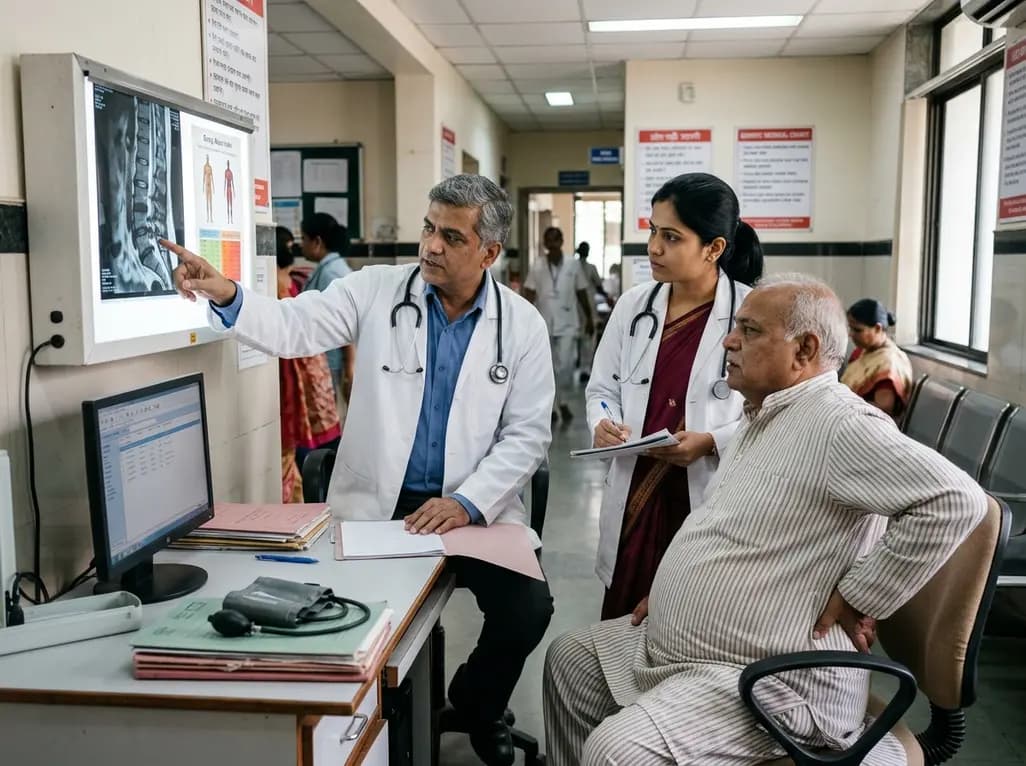
A cross-sectional study reveals that sarcopenic obesity independently increases functional impairment and severe disc degeneration in patients with degenerative lumbar spinal stenosis, highlighting the need for body composition assessment.
Today
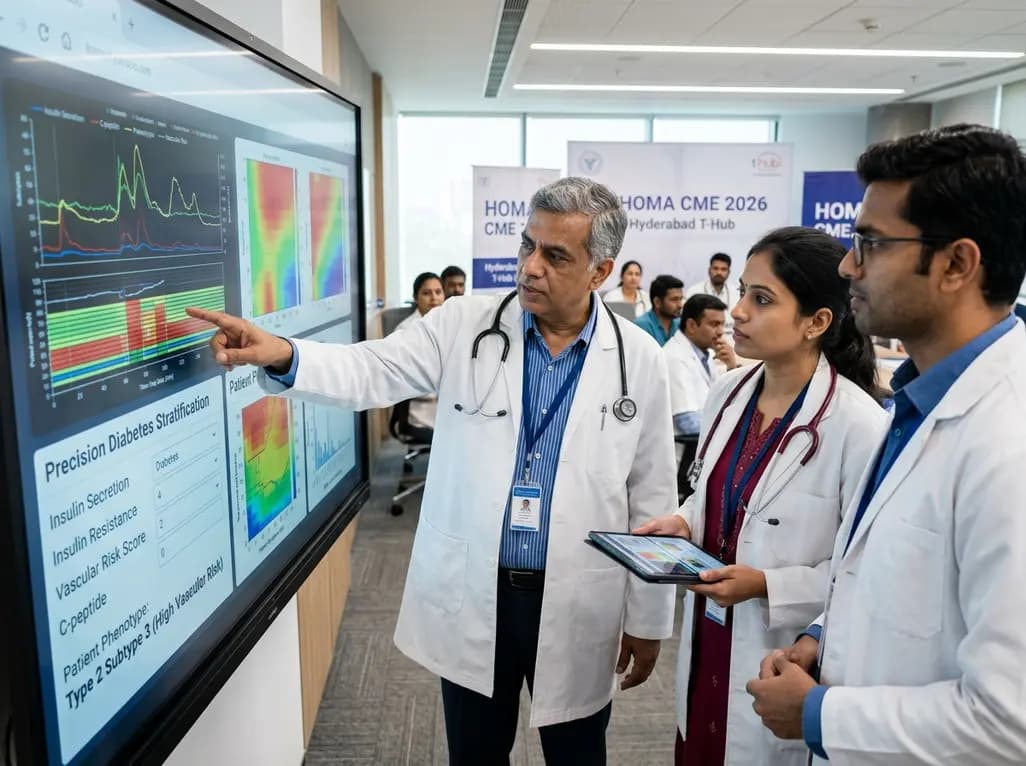
At Homa CME 2026 at Hyderabad's T-Hub, healthcare leaders emphasized moving beyond routine metrics through digital calculators and precision stratification. Discover why characterizing individual insulin secretion, resistance patterns, and vascular risks transforms chronic metabolic care in India.
Today
