.webp&w=384&q=75)

Loading, please wait...
Loading, please wait...
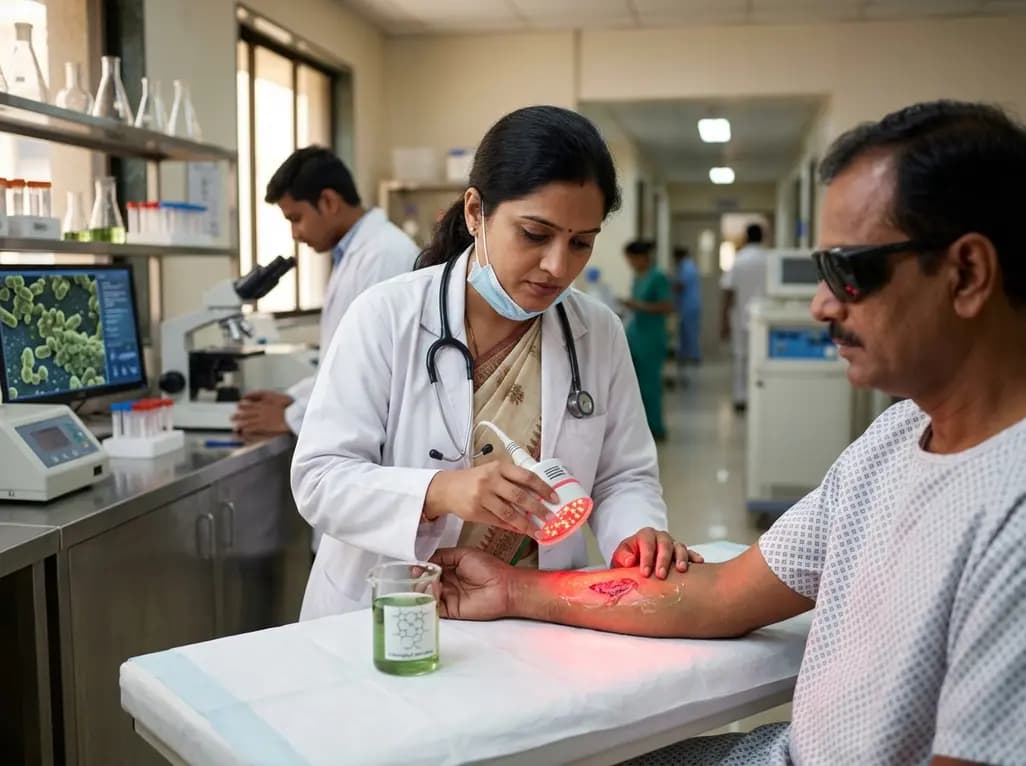
Antimicrobial resistance poses an escalating global crisis that threatens standard clinical practice across inpatient and outpatient care. Clinicians frequently encounter complicated skin and soft tissue infections where standard systemic antibiotics fail to achieve bactericidal clearance. In this urgent context, antibacterial photodynamic therapy has emerged as a compelling non-antibiotic intervention. Recent bioengineering breakthroughs now introduce natural water-soluble chlorophyll proteins to overcome the solubility and biocompatibility barriers that historically hindered photodynamic applications in human medicine.
Bacterial pathogens increasingly withstand conventional antimicrobial agents through multiple sophisticated defense mechanisms. Specifically, species such as methicillin-resistant Staphylococcus aureus modify cell wall targets, synthesize neutralizing enzymes, and construct protective extracellular matrices. Furthermore, biofilm-encased bacteria exhibit tolerance up to one thousand times greater than their planktonic counterparts. In India and worldwide, hospital-acquired wound infections and chronic diabetic ulcers frequently harbor dense polymicrobial biofilms. Consequently, systemic antibiotic regimens often fail to penetrate these architectural barriers, leading to recurrent infections, delayed healing, and prolonged hospital stays. Moreover, the overuse of broad-spectrum antimicrobials exerts selective evolutionary pressure, accelerating the emergence of pan-drug-resistant strains. Surgical debridement provides temporary physical clearance, yet microscopic bacterial colonies persist in deep tissue margins. Therefore, clinicians urgently require biophysical modalities that clear resistant microbes without inducing target-site mutations. Innovative topical therapies capable of breaching the sticky matrix of extracellular polymeric substances offer a transformative path forward. These approaches directly destabilize bacterial defenses, preserving systemic antimicrobials for critical indications while establishing rapid local infection control.
Although classical photodynamic modalities demonstrated potent antimicrobial properties in vitro, conventional synthetic photosensitizers presented significant pharmacological obstacles. Many synthetic compounds exhibit hydrophobic aggregation, which severely degrades their photochemical singlet oxygen yield in aqueous environments. In addition, conventional agents frequently induce prolonged cutaneous photosensitivity or evoke unwanted tissue cytotoxicity in the dark. To address these pharmacokinetic drawbacks, researchers isolated water-soluble chlorophyll-binding proteins from the Brassicaceae family. These proteins assemble into exceptionally stable homotetrameric complexes that encapsulate natural chlorophyll molecules within a shielded hydrophobic core. As a result, the construct demonstrates outstanding water solubility and remarkable thermal stability without requiring complex synthetic nanoformulations. Furthermore, the recombinant protein scaffold prevents self-quenching of the embedded fluorophores, preserving peak photochemical reactivity. Importantly, this plant-derived complex provides food-grade biocompatibility and displays negligible dark toxicity toward mammalian cells. Clinicians can administer the agent topically as a safe aqueous solution directly onto fragile wound beds. Thus, water-soluble chlorophyll proteins resolve historical delivery bottlenecks, offering an off-the-shelf biological platform for immediate clinical translation.
The therapeutic efficacy of this platform relies on an targeted physical mechanism that circumvents traditional pharmacological resistance pathways. When applied to infected tissue, the water-soluble protein complexes adhere directly to the outer surface of bacterial cells. Upon localized irradiation with red light at 660 nanometers, the embedded chlorophyll molecules undergo efficient photon absorption and intersystem crossing. Consequently, the excited triplet photosensitizer transfers energy to ground-state molecular oxygen, generating abundant cytotoxic singlet oxygen directly in situ. Because singlet oxygen has a brief biological half-life and a narrow diffusion radius, it confines oxidative damage strictly to adjacent microstructures. Specifically, the generated reactive oxygen species attack unsaturated fatty acids within bacterial lipid membranes, initiating rapid lipid peroxidation. Furthermore, this oxidative onslaught damages critical outer membrane proteins and cell wall integrity. As a result, the microbial envelope undergoes immediate permeabilization, precipitating massive leakage of intracellular potassium, enzymes, and genetic material. Because this lethal membrane destruction occurs via a direct, physical mode of action, bacteria cannot develop mutational defenses or activate efflux pumps to evade clearance.
Comprehensive microbiological evaluations demonstrate that water-soluble chlorophyll proteins achieve broad-spectrum bactericidal efficacy against challenging clinical isolates. Notably, the light-activated system completely clears high-inoculum cultures of methicillin-resistant Staphylococcus aureus, a predominant pathogen in refractory skin infections. In addition, the therapy successfully destroys recalcitrant Gram-negative bacteria, which typically resist classical photosensitizers due to their impermeable lipopolysaccharide outer membranes. Moreover, the treatment demonstrates extraordinary efficiency in disrupting mature, established biofilms. Singlet oxygen generated at the biofilm interface degrades extracellular polysaccharides, destabilizes the protective scaffold, and exposes underlying dormant persister cells. Subsequently, the photodynamic reaction eradicates these vulnerable persister bacteria, preventing subsequent biofilm re-establishment. Crucially, the 660 nanometer activation wavelength falls squarely within the optical therapeutic window of biological tissue. This red light wavelength achieves adequate soft tissue penetration while avoiding the phototoxic risk associated with ultraviolet or short blue wavelengths. Therefore, advancing antibacterial photodynamic therapy with this natural protein provides a versatile, non-damaging modality to combat diverse infectious phenotypes across superficial and deep wound environments.
The clinical potential of this photodynamic platform is further highlighted by robust preclinical in vivo data from infected animal models. In a rigorous murine model of full-thickness dermal wounds infected with methicillin-resistant Staphylococcus aureus, topical protein administration achieved superior therapeutic outcomes. Specifically, a single light-activated treatment produced several orders of magnitude reduction in local bacterial colony counts within twenty-four hours. Furthermore, the therapy significantly suppressed pro-inflammatory cytokine cascades that typically stall wound healing in chronic infections. By rapidly quenching microbial bioburden, the treatment attenuated excessive neutrophil infiltration and mitigated tissue necrosis. Consequently, treated wound tissues transitioned swiftly from the destructive inflammatory phase into the active proliferative and remodeling stages. Histological evaluations revealed enhanced fibroblast migration, accelerated collagen deposition, and robust neo-vascularization without systemic or organ toxicity. In contrast to untreated controls, which exhibited chronic purulent exudation and tissue breakdown, treated wounds showed accelerated re-epithelialization and rapid wound closure. Thus, this dual antimicrobial and tissue-sparing mechanism confirms the profound therapeutic utility of the platform for regenerative wound care.
The successful validation of recombinant water-soluble chlorophyll proteins opens exciting clinical opportunities across multiple surgical and dermatological disciplines. For instance, surgical site infections, burn wounds, and venous stasis ulcers represent immediate target indications that desperately need alternatives to oral or intravenous antibiotics. Furthermore, integrating light-emitting diode arrays or flexible optical fibers into wound dressings could allow painless, ambulatory outpatient photodynamic treatments. In hospital settings, applying this biocompatible solution during surgical debridement could sterilize margin tissues and prevent secondary biofilm formation on orthopedic implants. In addition, the food-grade safety profile of Brassicaceae proteins simplifies regulatory approval pathways and assures high patient tolerance. Healthcare facilities in resource-limited regions could particularly benefit from this cost-effective, scalable, and stable biological technology. However, clinical researchers must prioritize standardized human clinical trials to establish optimal dosing, light fluence rates, and administration intervals. Ultimately, adopting this biomimetic photodynamic strategy could drastically curb unnecessary antimicrobial prescriptions, safeguarding existing antibiotics while establishing a robust barrier against drug-resistant hospital superbugs.
Conventional photosensitizers often suffer from poor water solubility, severe self-aggregation, and prolonged dark toxicity in healthy host tissues. In contrast, water-soluble chlorophyll proteins derived from the Brassicaceae family form highly stable tetrameric complexes. These structures encapsulate chlorophyll within a protective protein pocket, conferring exceptional water solubility and superior photostability. Consequently, they generate potent singlet oxygen without inducing dark cytotoxicity, providing a fully biocompatible, food-grade therapeutic platform for clinical infection management.
Traditional antibiotics inhibit specific bacterial enzymes or biochemical synthesis pathways, allowing microbes to evolve resistance via genetic mutations, target alterations, or drug efflux pumps. Conversely, this light-activated approach utilizes localized singlet oxygen that physically oxidizes unsaturated membrane lipids and essential surface proteins. This multi-target biophysical destruction causes rapid structural lysis of the bacterial envelope within minutes. Therefore, bacteria cannot develop protective counter-mechanisms or bypass pathways against this instantaneous physical destruction.
Yes, this therapeutic platform effectively penetrates and dismantles mature bacterial biofilms. Singlet oxygen generated upon 660 nanometer red light irradiation directly degrades the protective extracellular polymeric substance matrix that shields enclosed bacterial colonies. As a result, the photodynamic treatment exposes underlying persister cells to lethal oxidative stress, preventing microbial recurrence. Preclinical studies confirm extensive biofilm disruption, rapid bacterial clearance, suppressed tissue inflammation, and accelerated wound closure following a single topical treatment.
Disclaimer: This content is for informational and educational purposes only... Refer to the latest local and national guidelines for clinical practice.
References

Read summarized clinical updates, watch expert medical content, and earn CME certifications right from your smartphone.
Open your smartphone camera to scan and install.





Water-soluble chlorophyll proteins act as biocompatible photosensitizers for antibacterial photodynamic therapy. Activated by 660 nm red light, they generate singlet oxygen to disrupt bacterial membranes, eradicate MRSA, dismantle mature biofilms, and accelerate wound healing without dark toxicity.
Today

A comparative study evaluates three ambient listening systems across Dutch outpatient consultations, examining their accuracy, completeness, and speed when facing dialect variations, multispeaker dynamics, and conversational interruptions.
Today

A recent cohort study reveals that reproductive-age women with cerebral venous thrombosis have nearly double the odds of developing intracranial hypertension compared to older women. Superior sagittal and lateral sinus occlusions heighten this risk, predisposing patients to persistent visual impairment.
Today

India's food safety authority FSSAI has issued show-cause notices to Gemini Edibles, BigBasket, and Flipkart for unpermitted cardiovascular claims regarding Freedom Rice Bran Oil. This regulatory move highlights the strict enforcement of advertising standards and the clinical necessity of evidence-based lipid care.
Today

Diagnostic data shows that nearly one in four spine investigations now involve patients younger than 40 years. This comprehensive overview explores the drivers behind this demographic trend, evaluates ergonomic hazards, clarifies red-flag signs, and highlights clinical indications for judicious diagnostic imaging.
Today
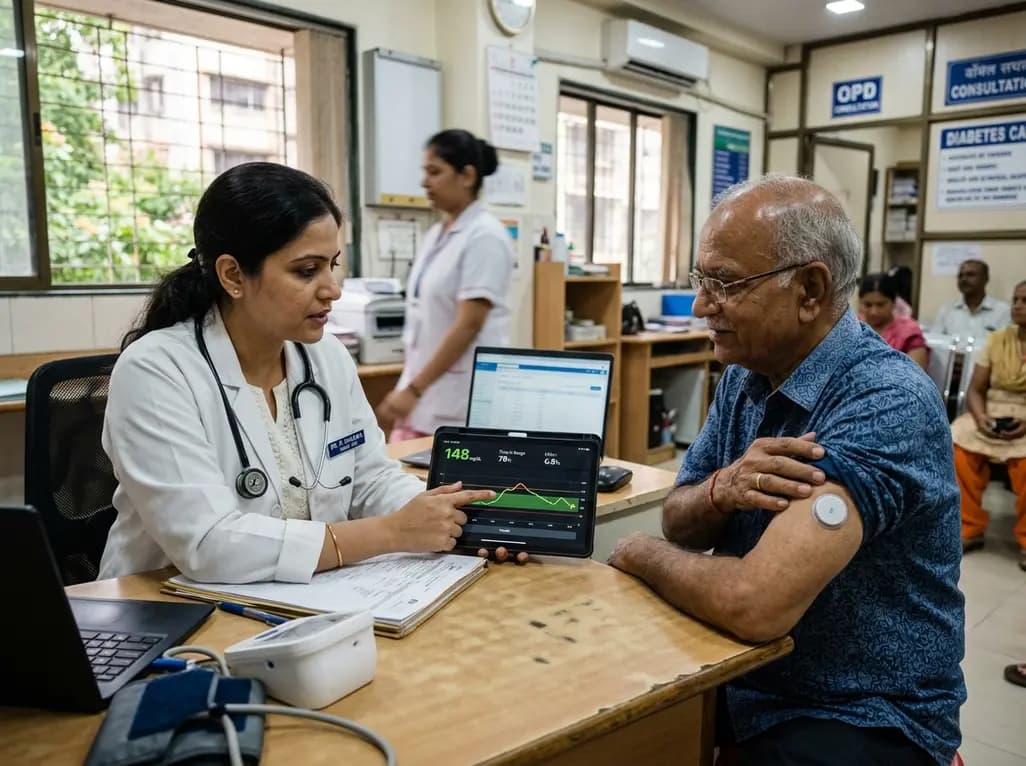
A landmark randomized clinical trial demonstrates that real-time continuous glucose monitoring significantly reduces HbA1c and enhances time in range for individuals with type 2 diabetes who do not take insulin, paving the way for broader clinical adoption and personalized metabolic therapy in primary care.
Today
