.webp&w=384&q=75)

Loading, please wait...
Loading, please wait...
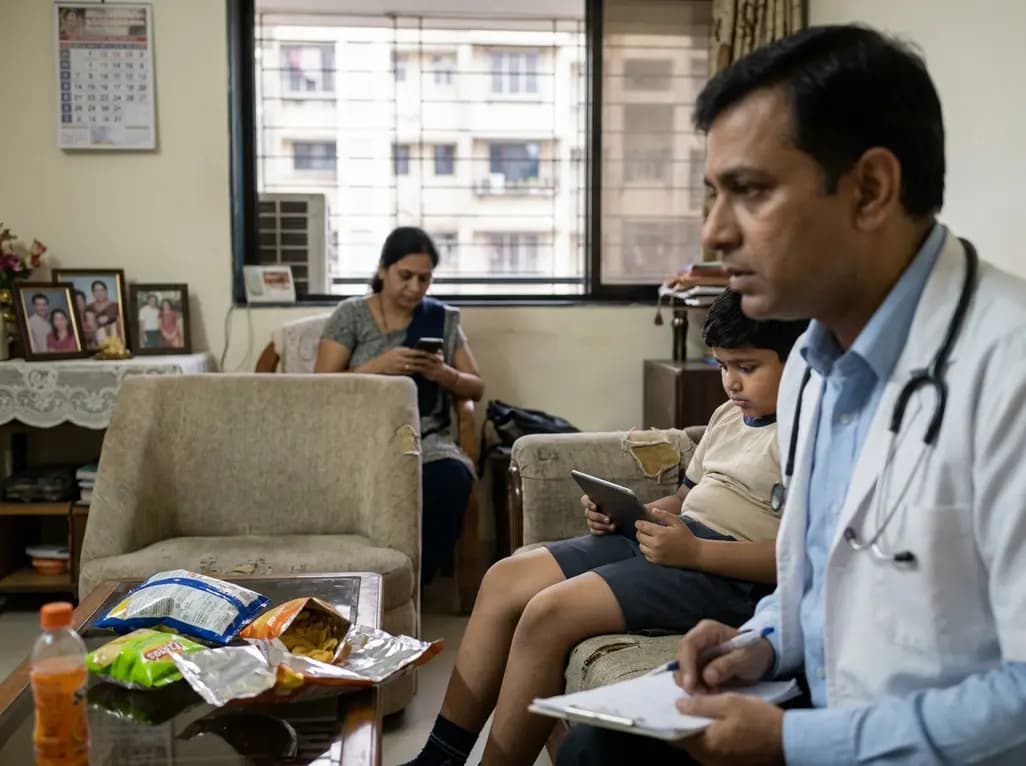
The healthcare landscape in India is currently undergoing a dramatic epidemiological transition. Consequently, childhood non-communicable diseases have emerged as a significant and silent public health emergency across both urban and rural regions. Historically, clinicians associated chronic conditions like cardiovascular disease, type 2 diabetes, and severe metabolic dysfunction primarily with the adult population. However, recent trends show that these debilitating conditions are increasingly manifesting in early childhood and adolescence. This shifting paradigm presents a serious challenge to pediatricians, family physicians, and public health authorities. In urban areas, the rapid adoption of sedentary lifestyles, excessive screen exposure, and highly processed diets is accelerating metabolic disorders. In contrast, rural and tribal communities continue to struggle with a profound lack of diagnostic infrastructure and specialized care. To address this crisis, healthcare institutions and international bodies are joining forces to build robust screening models. Clinicians must understand the underlying drivers, clinical markers, and systemic interventions required to combat this rising wave.
The clinical presentation of pediatric illnesses varies dramatically across different geographic and socioeconomic strata in India. Specifically, western and central India demonstrate a complex, dual-burden healthcare challenge. In rural and tribal regions, childhood non-communicable diseases often unfold in silence. This tragic reality occurs due to extremely limited access to timely diagnosis and specialist care. Consequently, many vulnerable children with congenital heart disease, severe asthma, or sickle cell anemia remain completely undiagnosed. These severe conditions frequently remain undetected until life-threatening complications develop. In contrast, prosperous urban centers are witnessing an alarming, parallel rise in lifestyle-related pediatric pathologies. These emerging conditions include childhood obesity, early-onset diabetes, and severe mental health disorders. Therefore, the pediatric care continuum must adapt immediately to these contrasting clinical realities. While rural clinics require diagnostic support and referral networks, urban practices must prioritize aggressive lifestyle counseling. Clinicians operating in these diverse environments must maintain a high level of suspicion for chronic symptoms. Ultimately, bridging this geographical divide requires a coordinated public health response targeting infrastructure deficits and urban lifestyle risks. This holistic strategy is crucial.
Urban environments in India increasingly promote sedentary habits that directly damage pediatric metabolic health. Indeed, the rapid proliferation of digital smartphones, personal tablets, and television screens has fundamentally altered childhood behavior. Many children now spend several hours daily sitting in front of electronic devices instead of engaging in active physical play. Additionally, this increased screen exposure often correlates with the frequent consumption of high-calorie, ultra-processed foods. Because of these dietary changes, children experience a chronic positive energy balance. This physiological state directly triggers childhood obesity and early insulin resistance in young patients. Moreover, prolonged screen exposure is linked to significant behavioral and mental health challenges. These psychological issues include chronic sleep disturbances, elevated anxiety, and pediatric depressive symptoms. Therefore, clinicians must routinely assess daily screen duration during standard pediatric consultations. Helping parents establish strict digital boundaries can significantly mitigate these metabolic and psychological risks. Furthermore, promoting daily active play is essential for healthy musculoskeletal and cardiovascular development in growing children. Ultimately, reversing urban childhood obesity requires clinicians to champion proactive lifestyle changes and community-based wellness initiatives.
Childhood non-communicable diseases typically exhibit a long incubation period, often beginning silently during early childhood. Because symptoms develop slowly over several years, these conditions frequently remain undetected until severe clinical complications emerge. Consequently, pediatricians and family physicians must adopt a proactive screening approach rather than waiting for symptomatic presentations. Specifically, early metabolic screenings are vital for children aged five to nine, as well as adolescents aged ten to nineteen years. Clinicians should routinely monitor key anthropometric and clinical markers during every standard healthcare visit. For instance, calculating body mass index percentiles can help identify children at risk of obesity before metabolic syndrome develops. Additionally, measuring blood pressure and ordering lipid panels or glycated hemoglobin tests are essential for high-risk pediatric cohorts. Mental health screening should also become a standard clinical practice, given the rising prevalence of pediatric psychological distress. By implementing structured screening protocols, healthcare providers can diagnose conditions like type 1 diabetes and asthma much earlier in their course. Ultimately, early identification significantly improves the long-term prognosis. It also reduces healthcare costs and prevents organ damage in patients.
To address the escalating burden of childhood non-communicable diseases, healthcare institutions are initiating powerful systemic changes. Notably, Maharashtra's State Public Health Department recently signed a landmark Memorandum of Understanding with AIIMS Nagpur. This strategic collaboration receives crucial technical and convening support from UNICEF Maharashtra. Together, these organizations aim to establish AIIMS Nagpur as a premier technical center of excellence for pediatric chronic care. A major component of this initiative is the development of evidence-based Standard Operating Protocols for six priority childhood NCDs. These priority conditions include type 1 diabetes, asthma, childhood obesity, mental health conditions, congenital heart disease, and sickle cell disease. Furthermore, the program plans to establish specialized pediatric NCD clinics across ten key district hospitals. This healthcare network will ensure that children in rural and tribal districts gain immediate access to expert clinical care. Structured training and capacity building for public health workers in pilot districts will also strengthen community-level screening. Consequently, this systems-based approach successfully bridges the gap between high-level clinical expertise and primary public health delivery. This collaborative initiative will serve as a scalable model for other Indian states.
Public health reporting plays a vital role in shaping societal awareness and driving timely public action. Recognizing this, UNICEF India, the Press Information Bureau, and AIIMS Nagpur co-organized a specialized media capacity-building workshop. More than thirty journalists from Western India gathered to learn about the complexities of childhood non-communicable diseases. During the workshop, media professionals gained firsthand exposure to pediatric clinical diagnostics and long-term care management. This evidence-based journalism helps the public recognize warning symptoms early and encourages families to seek medical evaluations. Therefore, physicians should actively collaborate with media representatives and community leaders to disseminate accurate health education. Public health campaigns should focus on practical strategies, such as replacing screen time with physical sports and improving dietary habits. Additionally, strengthening community-level screening and school health programs is essential for early detection. When school teachers and parents learn to recognize early metabolic and behavioral warning signs, referral systems become much more effective. Ultimately, a multi-sectoral approach is necessary to protect children from the silent rise of chronic diseases. Active media engagement will drive this positive shift.
Q1: What triggers childhood non-communicable diseases in urban areas?
These chronic conditions are primarily driven by sedentary lifestyles, high daily screen time, and changing dietary habits. Many children spend multiple hours on digital devices instead of engaging in active physical play. Additionally, the frequent consumption of ultra-processed foods creates a chronic energy imbalance. Consequently, these behaviors trigger childhood obesity, pediatric metabolic syndrome, and early-onset type 2 diabetes.
Q2: How do AIIMS Nagpur and UNICEF manage pediatric NCDs?
The collaborative program establishes standardized clinical protocols for six priority childhood non-communicable diseases, such as type 1 diabetes, asthma, and obesity. Furthermore, they are setting up specialized pediatric NCD clinics in ten district hospitals across Maharashtra. This systems-based initiative trains healthcare workers, strengthens community-level screening, and improves early diagnostic access for rural and tribal pediatric populations.
Q3: Why is early clinical screening critical for pediatric lifestyle diseases?
Early screening is critical because childhood non-communicable diseases have a long incubation period. Consequently, these conditions often remain completely undetected until severe complications develop. Routine screening allows pediatricians to track body mass index percentiles, measure blood pressure, and run metabolic panels early. Additionally, timely diagnosis allows for effective lifestyle interventions, improving long-term health outcomes and preventing organ damage.
Disclaimer: This content is for informational and educational purposes only. It does not constitute medical advice or replace professional judgment. Refer to the latest local and national guidelines for clinical practice.
References

Read summarized clinical updates, watch expert medical content, and earn CME certifications right from your smartphone.
Open your smartphone camera to scan and install.





A rising wave of childhood non-communicable diseases (NCDs) like obesity and diabetes is affecting children across India. Driven by screen time and sedentary lifestyles in urban centers, and limited clinical access in rural areas, health leaders at AIIMS Nagpur and UNICEF are building new models of pediatric care.
3 months ago
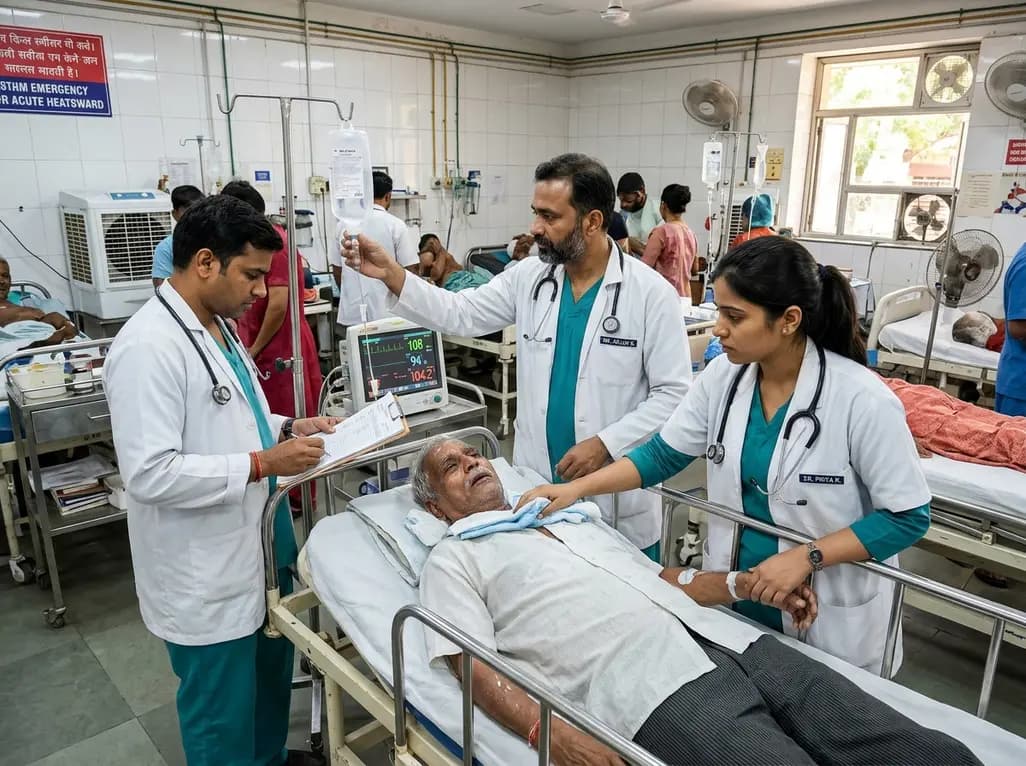
Recent epidemiological data reveals a dramatic surge in summer heat mortality driven by human-induced climate warming. This analysis explores the pathophysiological impacts on cardiac and renal systems, diagnostic dilemmas in death certification, and essential emergency cooling protocols for acute clinical care.
Today
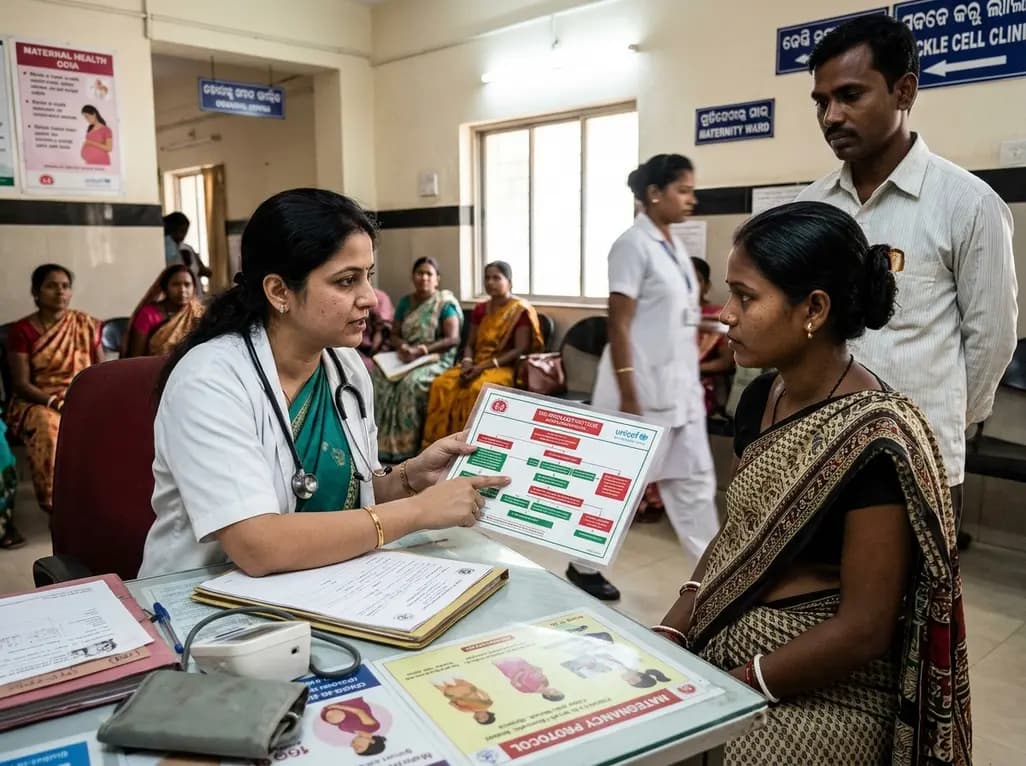
Odisha has established India's first state-level clinical protocol specifically tailored for pregnant women with sickle cell disease. Developed with NHM and UNICEF, the framework provides structured antenatal screening, crisis mitigation, standardized referral pathways, and specialized interdisciplinary care.
Today

India is advancing preventive healthcare by integrating genomics, artificial intelligence, and quantum technologies. With the SANGAM programme sequencing one million Indian genomes, clinicians can unlock personalized therapies, detect cardiometabolic risks early, and curb the burden of diabetes and heart disease.
Today

A randomized controlled trial demonstrates that an eight-week dual-task training intervention significantly improves static and dynamic postural control over standard balance exercises in individuals with chronic ankle instability, addressing critical neurocognitive deficits during athletic and daily activities.
Today

A retrospective cohort study of 7,716 ICU patients from the MIMIC-IV database demonstrates that Gradient Boosting Decision Trees significantly outperform traditional SOFA scores in predicting in-hospital mortality among patients with sepsis and diabetes, with SHAP analysis providing clinical interpretability.
Today
