.webp&w=384&q=75)

Loading, please wait...
Loading, please wait...
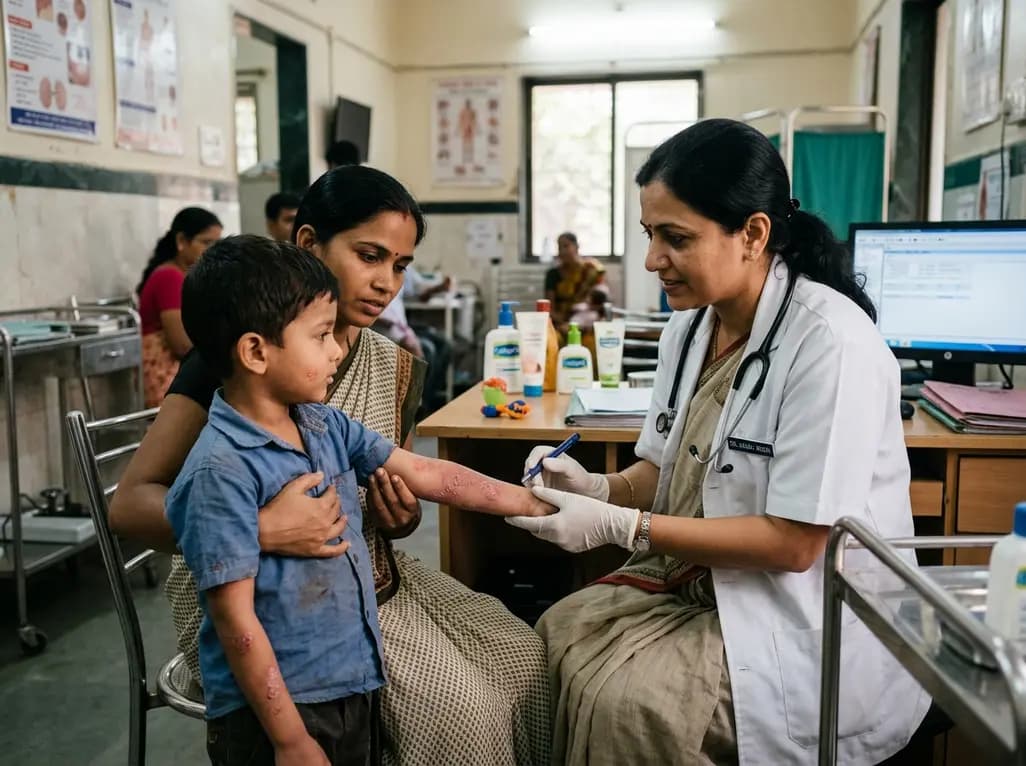
Pediatric dermatologists are witnessing a sharp upward trajectory in allergic skin disorders across urban centers. Specifically, childhood eczema has emerged as a major chronic inflammatory burden that affects young infants and school-age children alike. While underlying genetic susceptibility establishes a vulnerability to cutaneous reactivity, modern environmental factors amplify disease expression. Consequently, primary care clinicians and pediatricians encounter complicated eczematous presentations far more frequently in outpatient practice. Understanding these shifting dynamics helps clinicians deliver timely interventions, safeguard barrier integrity, and optimize developmental outcomes for vulnerable young patients.
Over the past two decades, clinical patterns of childhood eczema have shifted substantially across developing metropolitan regions. Recent data shared by pediatric dermatology leaders highlights a striking threefold surge in disease prevalence. Historically, clinical records suggested that approximately 0.4 children out of 10 experienced this condition. Today, urban registries reveal that nearly 1.3 out of 10 children receive a formal diagnosis. Furthermore, specialists emphasize that nearly 60 percent of these cases manifest before the child reaches two years of age. This early onset underscores a critical window for clinical recognition and barrier stabilization.
Additionally, family history remains a powerful predisposing indicator. When parents or siblings present with asthma, allergic rhinitis, or eczema, infant vulnerability climbs significantly. However, genetic markers alone cannot explain such rapid epidemiological increases across brief generational intervals. Therefore, clinicians must look toward rapidly changing external exposures to explain why fragile cutaneous surfaces fail so early in life. Urbanization introduces constant immunological stressors that challenge infant physiological defenses. Consequently, recognizing early regional patterns enables doctors to initiate targeted interventions promptly. Early diagnosis reduces both physical discomfort and psychological distress for young families.
Ambient air quality represents a formidable contributor to the escalation of chronic pediatric dermatoses. Industrial emissions, automobile exhaust, fine particulate matter, and ground-level ozone continuously bombard immature epidermal barriers. Consequently, these airborne xenobiotics penetrate the stratum corneum and induce profound oxidative stress within cutaneous tissues. This ongoing oxidative burden depletes natural epidermal lipids, notably ceramides, which maintain healthy barrier function. As a result, transepidermal water loss accelerates, creating severe xerosis and microfissures.
Furthermore, air pollutants directly activate cutaneous aryl hydrocarbon receptors and trigger proinflammatory cytokine release. Elevated levels of interleukin-4, interleukin-13, and interleukin-31 foster persistent cutaneous inflammation. In addition, particulate pollutants serve as effective adjuvants that facilitate allergen sensitization across broken skin. Because infant skin possesses a thinner stratum corneum than adult skin, young children experience heightened vulnerability. Therefore, chronic exposure to dense vehicle traffic or urban haze frequently precipitates severe eczema flares. Clinicians must educate caregivers regarding ambient environmental triggers and indoor air quality improvements. Implementing protective moisturization regimens can partly shield compromised skin from aggressive atmospheric particulate matter. Similarly, gentle barrier cleansing minimizes pollutant residue before transcutaneous penetration triggers inflammatory signaling cascades.
Dietary patterns have shifted drastically alongside environmental changes, influencing immune system regulation. Modern infant diets frequently feature ultra-processed foods, high refined sugars, and altered fatty acid profiles. Consequently, these dietary factors disrupt the gut microbiome, which coordinates systemic immune maturation. Imbalances in gut commensals reduce regulatory T-cell activity and skew immune responses toward Th2-dominant pathways. Moreover, transcutaneous sensitization often precedes true gastrointestinal food allergies in infants with eczema.
Importantly, eczema rarely exists as an isolated pathology in growing children. Instead, atopic dermatitis often represents the initial manifestation of the atopic march. As epidermal integrity fails, environmental and food antigens penetrate compromised cutaneous tissues. Subsequently, systemic allergic sensitization occurs, promoting allergic rhinitis and asthma later in childhood. For instance, children with severe, uncontrolled infantile eczema demonstrate significantly higher rates of subsequent bronchial hyperreactivity. Thus, pediatricians must adopt a comprehensive, proactive approach to monitoring systemic atopic developments. Addressing dietary quality and gut health concurrently supports overall immunological balance. However, routine maternal or infant dietary eliminations without confirmed systemic allergies remain unnecessary and potentially harmful. In summary, preserving the cutaneous shield halts progression along the harmful atopic trajectory.
Successful management of childhood eczema requires restoring skin barrier architecture while controlling active inflammation. First-line therapy relies heavily on frequent, liberal applications of fragrance-free emollients. Clinicians recommend applying bland ointments or lipid-replenishing creams immediately after warm, brief baths. This practical technique locks moisture into fragile stratum corneum layers. Furthermore, regular emollient therapy reduces the frequency of acute flares and decreases overall topical steroid requirements.
However, when active inflammation breaks through, clinicians should prescribe appropriate anti-inflammatory agents without delay. Mild-to-moderate topical corticosteroids represent safe and highly effective first-line therapy for acute exacerbations. Pediatricians must educate parents regarding proper application techniques to prevent unwarranted steroid phobia. Additionally, topical calcineurin inhibitors provide valuable steroid-sparing alternatives, especially for sensitive areas such as the face, neck, and intertriginous folds. For moderate-to-severe recalcitrant cases, expert consensus supports short-term systemic immunosuppressants, including cyclosporine, under strict medical monitoring. In recent years, targeted biologic therapies and novel small molecules have broadened therapeutic horizons. Ultimately, customizing therapeutic intensity to objective severity scoring ensures both clinical safety and disease control. Consequently, structured treatment schedules significantly improve long-term caregiver adherence and treatment success.
Childhood atopic dermatitis generates challenges that extend far beyond visible cutaneous lesions. Relentless nocturnal itching causes fragmented sleep, which disrupts neurocognitive development and behavioral regulation. Consequently, affected children frequently suffer from daytime fatigue, academic difficulties, and emotional irritability. Furthermore, parental sleep deprivation and emotional distress create significant strain across entire family units. Visible lesions on exposed body surfaces may also damage self-esteem and hinder social relationships in older children.
Therefore, clinical management must encompass a comprehensive, multidisciplinary strategy. Dermatologists, pediatricians, clinical psychologists, and pediatric allergy specialists should collaborate closely to address diverse aspects of the illness. Routine consultations must assess sleep quality, mental wellbeing, and school functioning alongside skin severity scores. In addition, providing clear written eczema action plans empowers caregivers to navigate sudden flares confidently. Educating families regarding gentle skin care, soft cotton clothing, and cool ambient temperatures minimizes physical irritants. In contrast, unmonitored alternative treatments can cause unexpected contact dermatitis and delay essential medical care. Specifically, continuous reassurance helps alleviate maternal anxiety during prolonged relapses. Ultimately, proactive management ensures that children achieve uninterrupted growth and emotional resilience.
Q1: Why are childhood eczema rates increasing so rapidly in urban areas?
Urbanization brings elevated exposure to vehicle emissions, industrial particulate matter, and microplastics that degrade fragile skin barriers. In addition, westernized dietary changes, excessive indoor confinement, and overuse of harsh antimicrobial detergents disturb normal immune development. Consequently, these combined environmental and lifestyle stressors disrupt epidermal lipid synthesis and gut microbial diversity. This environmental shift significantly increases cutaneous sensitivity and triggers chronic inflammatory reactions in genetically susceptible infants.
Q2: Is childhood eczema completely curable, or will the child need lifetime treatment?
Certain forms of eczema, such as irritant or contact dermatitis, resolve entirely once clinicians remove offending triggers. In contrast, atopic dermatitis remains a chronic, relapsing condition that currently lacks a permanent cure. However, doctors can manage it effectively with consistent barrier moisturization and judicious medical therapy. Furthermore, many children experience substantial spontaneous improvement or clinical remission by late childhood. Maintaining continuous skin hydration and avoiding known environmental irritants helps sustain long-term disease remission.
Q3: How can clinicians help families prevent the progression of the atopic march?
Clinicians can mitigate the atopic march by initiating aggressive skin barrier repair during early infancy. Preserving epidermal integrity prevents transcutaneous allergen absorption, which often triggers subsequent allergic sensitization. Therefore, regular emollient therapy, prompt anti-inflammatory treatment for flares, and gentle skin cleansing form essential preventive measures. Additionally, pediatricians should closely monitor affected children for early symptoms of allergic rhinitis, food intolerances, and childhood asthma to ensure early, integrated therapeutic interventions.
Disclaimer: This content is for informational and educational purposes only. It does not constitute medical advice or replace professional judgment. Refer to the latest local and national guidelines for clinical practice.
References

Read summarized clinical updates, watch expert medical content, and earn CME certifications right from your smartphone.
Open your smartphone camera to scan and install.





Pediatricians across India report a dramatic increase in childhood atopic dermatitis, fueled by rising urban pollution, dietary shifts, and environmental stress. This comprehensive review outlines changing prevalence trends, barrier dysfunction mechanisms, the atopic march, and modern step-up therapeutic protocols.
Today

A special Delhi court has directed former DGHS Dr. Vatsala Aggarwal to surrender after refusing her relief plea. Despite clinical submissions citing immunocompromised status, scheduled Shingrix immunization, and adaptive servo-ventilation needs, the court held that jail authorities can manage these medical requirements.
Today

Hormonal shifts throughout puberty, menstruation, fertility treatments, pregnancy, and menopause cause profound glucose excursions in women with diabetes. Understanding these endocrine transitions and utilizing advanced continuous glucose monitoring enables clinicians to optimize personalized diabetes care.
Today
New evidence links chronic troponin elevation in ATTR-CM to coronary microvascular dysfunction, reduced capillary density, and elevated filling pressures rather than histological amyloid burden alone, redefining our understanding of persistent myocardial injury.
Today
Cervi-AI achieves expert-level agreement in evaluating cervical spinal stenosis and spinal cord compression on MRI, while its automated imaging metrics reliably predict anterior versus posterior surgical approaches in multilevel degenerative cervical myelopathy.
Today

A retrospective cohort study evaluates the short- and long-term impacts of SARS-CoV-2 infection on patients with Graves' disease receiving antithyroid drug therapy, highlighting thyroid status destabilization, clinical symptom exacerbations, and post-viral sequelae.
Today
