.webp&w=384&q=75)

Loading, please wait...
Loading, please wait...

Diarrheal illnesses remain the third leading cause of death among children under five globally. Furthermore, approximately ninety percent of these preventable fatalities occur in low- and middle-income nations. In India, indigenous tribal communities shoulder a disproportionate burden, making effective childhood diarrhea management an urgent public health priority. Remote geography, poor sanitation, and scarce potable water elevate infection rates significantly in these vulnerable populations. In addition, transport barriers and healthcare infrastructure deficits restrict timely access to facility-based treatment. Consequently, mobile medical clinics serve as the primary healthcare contact for marginalized hamlets across North Bengal.
Mobile healthcare teams often work under severe operational constraints, including high patient footfalls and fluctuating drug inventories. Although established clinical guidelines exist, routine field practice frequently diverges from national recommendations. Clinicians often prioritize symptomatic treatments over proven rehydration therapy. Consequently, essential actions such as caregiver counseling, zinc supplementation, and preventive immunizations are overlooked. Effective clinical workflows protect vulnerable children against severe dehydration. To address these gaps, clinical researchers implemented an evidence-based quality improvement project across North Bengal's tribal regions.
To evaluate routine clinical practice, investigators conducted an audit of sixty pediatric treatment encounters within mobile medical clinics. The assessment examined adherence against seven evidence-based audit criteria for childhood diarrhea. The baseline findings revealed widespread deficiencies across essential care domains. Overall compliance varied widely, ranging from complete absence at zero percent to an inadequate high of fifty-nine percent.
Specifically, healthcare teams demonstrated major omissions in preventive education. Mobile clinicians never promoted rotavirus vaccination during baseline visits, recording zero percent compliance. Similarly, health workers provided counseling on oral rehydration solution preparation in zero percent of encounters. Clinicians distributed packets without instructing caregivers on proper reconstitution, fluid volumes, or continuous feeding. Furthermore, clinics maintained comprehensive distribution records and clinical data in only fifty percent of cases. Meanwhile, water, sanitation, and hygiene counseling occurred in fifty-nine percent of consultations. However, linguistic barriers frequently hindered caregiver comprehension because providers rarely used local tribal dialects. Consequently, families struggled to understand vital guidance on safe food preparation, water handling, and sanitation.
To overcome these systemic shortcomings, the project utilized the Joanna Briggs Institute Evidence Implementation Framework. This evidence-based model incorporates clinical audit, barrier identification, targeted intervention design, and re-audit processes. The project team first engaged frontline mobile health staff to analyze primary causes of non-compliance. Health workers completed comprehensive surveys assessing their clinical knowledge, personal attitudes, and existing habits.
The investigators identified several practical barriers during this diagnostic phase. Frontline personnel faced heavy patient loads, leaving minimal time for personalized caregiver communication. Additionally, workers lacked culturally tailored educational materials adapted for indigenous languages. To resolve these challenges, the team formulated targeted, multimodal intervention strategies. First, they conducted structured clinical training workshops focusing on oral rehydration salts, zinc dosing, and rotavirus immunization schedules. Second, the team produced engaging, multilingual visual aids illustrating rehydration protocols and domestic hygiene. Third, experienced clinical trainers demonstrated best practices during actual mobile outreach visits. Finally, project leaders introduced standardized encounter registers to improve clinical documentation. These strategic changes eliminated educational and linguistic bottlenecks without increasing administrative burdens.
Following the educational and structural interventions, investigators conducted a post-implementation audit to measure clinical changes. The subsequent evaluation demonstrated remarkable, statistically meaningful gains across all seven evaluated audit criteria. Most significantly, interventions transformed areas that previously exhibited zero compliance into standard clinical priorities.
Promotion of the rotavirus vaccine surged dramatically from zero percent at baseline to over fifty percent post-intervention. Similarly, active counseling regarding oral rehydration solution preparation jumped from zero percent to over sixty percent. Healthcare personnel actively demonstrated how to mix rehydration salts properly with clean water. In addition, mobile staff consistently emphasized concurrent oral zinc therapy for fourteen consecutive days. Documentation practices also experienced substantial improvements. Mobile clinic workers maintained comprehensive patient records and medicine tracking in seventy-eight percent of cases, up from fifty percent. Furthermore, culturally adapted hygiene counseling increased from fifty-nine percent to over sixty-seven percent. By delivering health messages in native tribal dialects, clinicians substantially improved parental engagement and understanding during outreach visits. Survey responses confirmed marked increases in staff knowledge and confidence.
While these audit results demonstrate substantial progress, sustaining clinical improvements requires permanent structural support. Mobile medical clinics encounter unpredictable geographic challenges that threaten ongoing quality. In remote North Bengal, difficult road connectivity, monsoon flooding, and staff turnover frequently destabilize scheduled mobile services. Therefore, health systems must establish continuous clinical mentoring rather than relying exclusively on isolated training sessions.
Routine supervisory visits should evaluate diagnostic algorithms and documentation during real-world clinic deployments. In addition, mobile medical units require dependable supply chain mechanisms to prevent stockouts of oral rehydration salts and zinc tablets. When therapeutic commodities become unavailable, health worker motivation drops rapidly and clinical compliance declines. Maintaining buffer inventories at base primary health centers prevents these dangerous stockouts. Moreover, district administrators must link mobile clinic records with broader public health reporting systems. Integrating these clinical encounters supports prompt referral pathways for pediatric patients presenting with severe dehydration or dysentery. Ultimately, institutional backing transforms temporary quality gains into permanent health protections for vulnerable tribal children.
The JBI Evidence Implementation Framework utilizes a cyclic audit and feedback approach to evaluate baseline clinical adherence against evidence-based standards. By identifying specific structural and knowledge barriers, multidisciplinary teams design tailored interventions such as multilingual tools, hands-on demonstrations, and structured training. Subsequent post-implementation audits measure practice change, enabling mobile healthcare teams to refine workflows, eliminate clinical deficits, and sustain high standards in resource-constrained community settings.
Tribal communities frequently communicate in distinct regional dialects and may experience low literacy levels. Standardized clinical counseling delivered in non-native languages often creates critical misunderstandings regarding oral rehydration solution preparation and zinc administration. Culturally adapted visual materials and native-language communication empower caregivers to comprehend vital clinical guidance. This tailored approach fosters trust, improves parental compliance with home rehydration, and promotes safer sanitation practices across marginalized populations.
Evidence-based pediatric diarrhea management requires rapid dehydration assessment, prompt administration of low-osmolarity oral rehydration solution, and fourteen days of elemental zinc supplementation. Clinicians should also promote age-appropriate feeding, exclusive breastfeeding, and rotavirus vaccination. Furthermore, providers must deliver practical counseling on water, sanitation, and hygiene while avoiding irrational antibiotic prescriptions. Accurate medical documentation and caregiver education regarding critical danger signs ensure timely referral and reduce mortality.
Disclaimer: This content is for informational and educational purposes only. It is not intended to be a substitute for professional medical advice, diagnosis, or treatment. Always seek the advice of your physician or other qualified health provider with any questions you may have regarding a medical condition. Refer to the latest local and national guidelines for clinical practice.
References

Read summarized clinical updates, watch expert medical content, and earn CME certifications right from your smartphone.
Open your smartphone camera to scan and install.





A quality improvement initiative using the JBI Evidence Implementation Framework in North Bengal demonstrated that structured training, multilingual aids, and supervision significantly improve childhood diarrhea management and clinical documentation in remote tribal mobile medical clinics.
Today
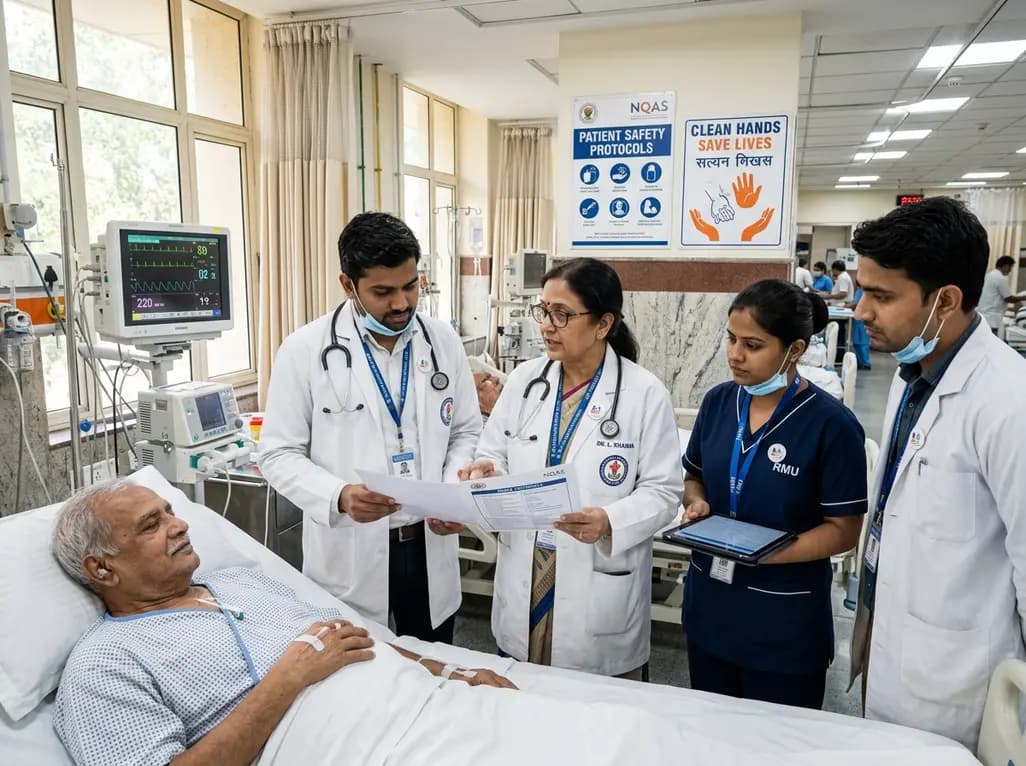
Union Health Minister JP Nadda highlighted patient safety, clinical hygiene, and institutional quality at ABVIMS and Dr RML Hospital on World Patient Safety Day 2026. The national strategy emphasizes NQAS certification, Ayushman Bharat expansions, PMBJP generic access, and safe lifelong management of chronic diseases.
Today
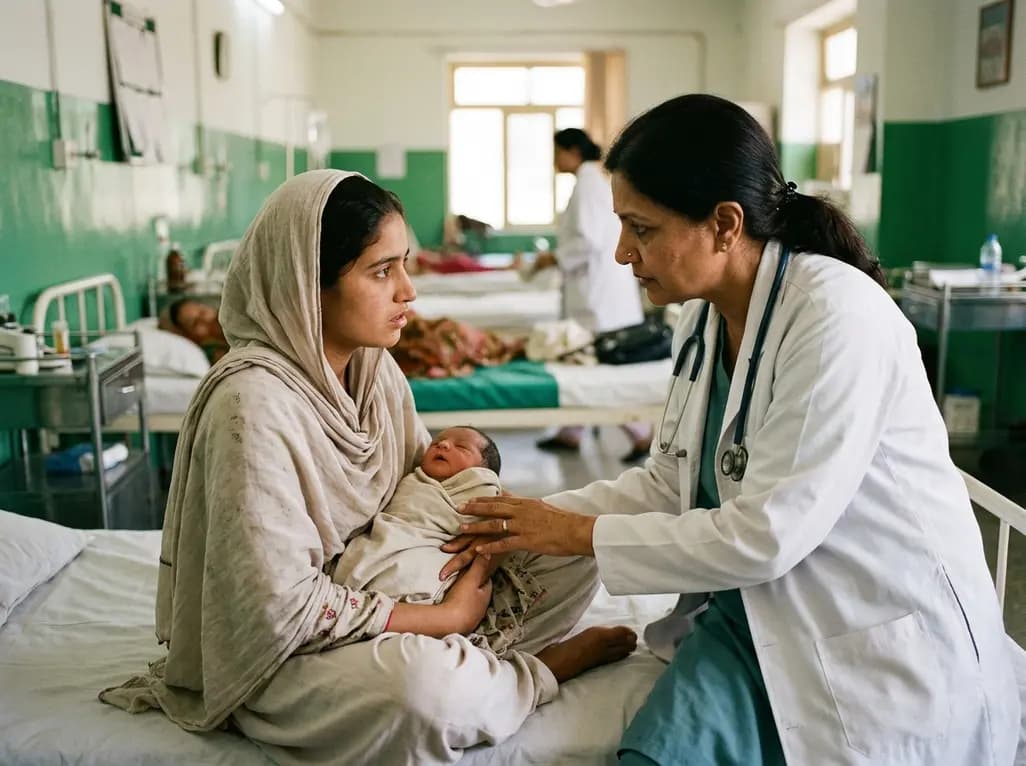
Prelacteal feeding persists in South Asian communities despite known clinical risks. This review examines determinants from Chitral, pathophysiological hazards, and pediatric strategies to eliminate harmful feeds and support exclusive breastfeeding.
Today
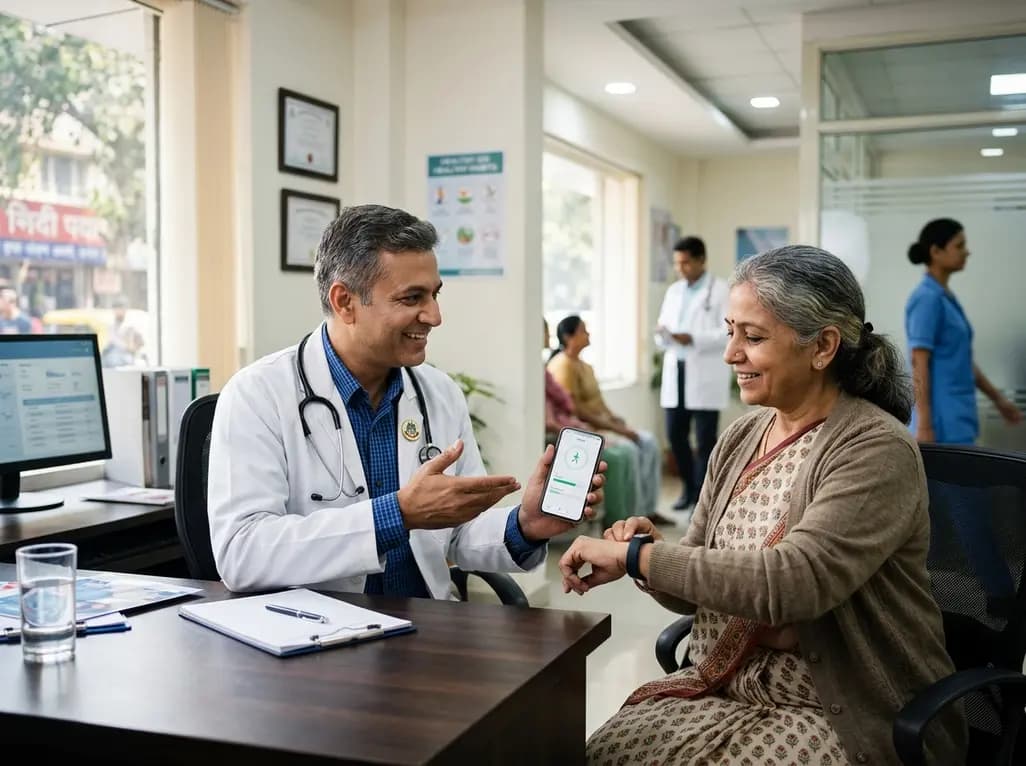
A randomized controlled trial demonstrates that theory-driven personalized mobile messaging reduces the risk of consecutive walking goal failures by 33 percent, highlighting the vital role of digital health tools in sustaining long-term exercise habits and chronic disease prevention.
Today
A comparative cohort study demonstrates that patients undergoing total hip arthroplasty after prior hip arthroscopy achieve comparable functional recovery, low complication rates, and equivalent implant survivorship when conversion occurs after six months.
Today
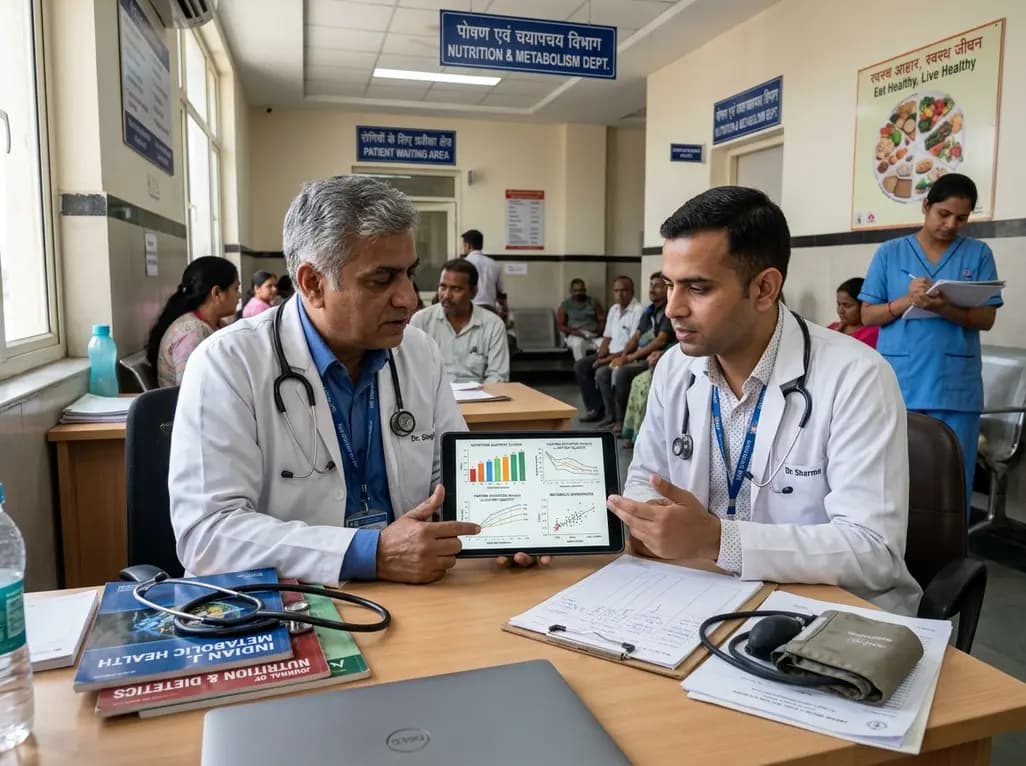
A cross-sectional study of 320 adults evaluated the link between habitual fasting duration and dietary quality using Nutrition Quotient scores, highlighting the clinical necessity of balancing time-restricted eating with nutrient density and meal quality in routine metabolic practice.
Today
