.webp&w=384&q=75)

Loading, please wait...
Loading, please wait...
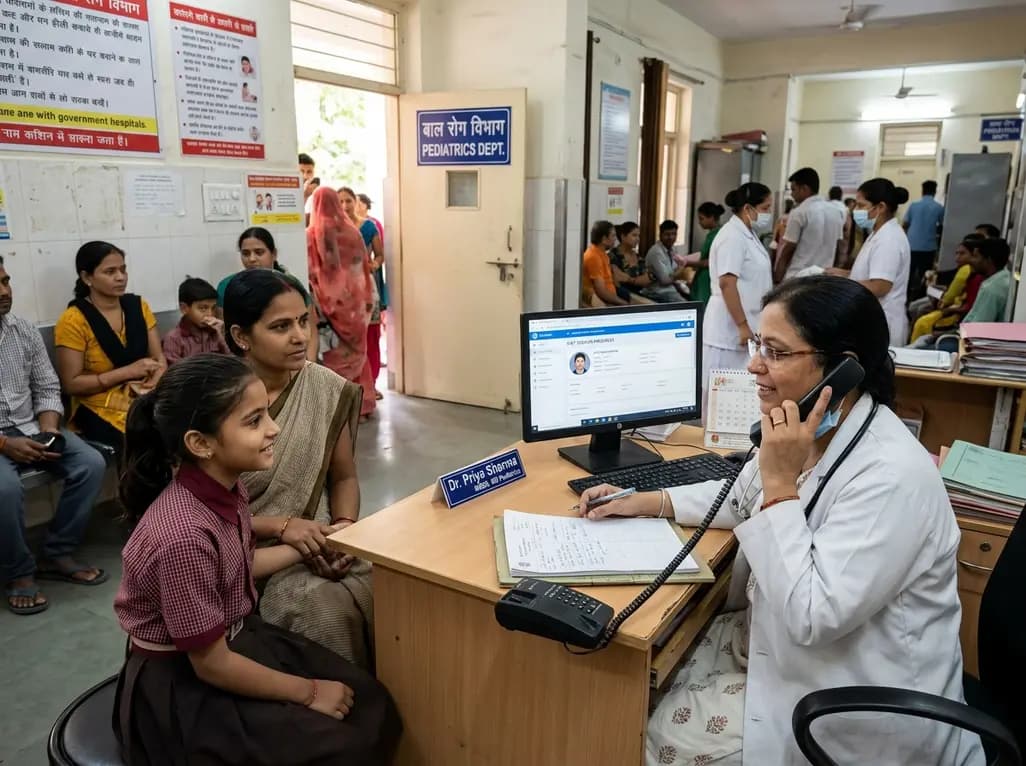
Childhood anxiety disorders represent one of the most common yet undertreated psychiatric conditions in pediatric populations worldwide. Early detection remains challenging because internalizing symptoms often escape teacher and parent notice until substantial educational or behavioral disruption occurs. Consequently, utilizing childhood anxiety digital CBT following systematic school-based screening offers a transformative avenue for proactive behavioral healthcare. In routine primary care and school health check-ups, systematic screening can detect emerging distress before it solidifies into chronic impairment. Traditional in-person psychotherapy frequently encounters insurmountable roadblocks, such as regional shortages of child mental health specialists, scheduling burdens, and severe social stigma. By integrating digital platforms into universal student health frameworks, clinicians can extend evidence-based therapy to vulnerable children who otherwise lack direct access. Furthermore, school-linked population screening democratizes psychological support across diverse socio-economic backgrounds. This structural model shifts pediatric psychiatry away from delayed crisis management toward sustainable early intervention. As digital health infrastructures mature globally, understanding the real-world utility of remote behavioral programs becomes indispensable for family doctors, community pediatricians, and adolescent mental health teams seeking scalable clinical solutions.
To evaluate early digital intervention, investigators conducted an open, two-parallel-group randomized controlled trial across municipal school health services in Finland. The trial enrolled 465 school children aged 10 to 13 years who screened positive for elevated anxiety during routine check-ups. Participants were randomly allocated to either a structured digital intervention called Master Your Worries or an active educational control program. The active intervention comprised a comprehensive 10-week internet-delivered curriculum combined with structured weekly telephone coaching sessions. Each digital module introduced fundamental cognitive-behavioral skills, including cognitive restructuring, somatic arousal regulation, problem-solving techniques, and graded behavioral exposure. Concurrently, trained coaches conducted brief weekly phone calls to consolidate therapeutic learning, review homework exercises, and troubleshoot parental questions. Meanwhile, the control group received digital psychoeducational materials regarding adolescent wellness and coping strategies without dedicated telephone coaching. Investigators assessed participants at baseline and completed a six-month follow-up evaluation. They captured multidimensional outcomes through standardized instruments, specifically measuring generalized anxiety, separation anxiety, social anxiety, functional impairments, family resilience, and overall pediatric health-related quality of life.
The trial examined therapeutic changes using both child-reported and parent-reported versions of the validated Screen for Child Anxiety Related Emotional Disorders questionnaire. Following the intervention period, children assigned to the digital therapy group demonstrated statistically significant improvements in total anxiety scores compared to control participants. Specifically, young patients reported notable symptom attenuation across multiple clinical domains, including generalized anxiety, separation anxiety, and social phobia. Interestingly, parental reports did not mirror these significant differences on overall anxiety scales at the six-month assessment. This discrepancy highlights an established phenomenon in pediatric psychiatric research known as informant variance. Because internalizing distress occurs largely within a child's internal cognitive sphere, young individuals often perceive emotional shifts earlier than external observers. Moreover, parents often focus on outward behavioral compliance or overt functional markers rather than internal cognitive distress. Therefore, clinicians must incorporate multi-informant assessment methodologies when monitoring therapeutic trajectories in pediatric mental health. Although the overall statistical between-group effect sizes remained modest, the sustained self-reported gains indicate that young children successfully internalized core behavioral coping mechanisms.
Beyond core anxiety measures, the research protocol systematically evaluated broader behavioral problems and functional life satisfaction. Notably, parents in the intervention arm reported statistically significant enhancements across several critical domains of child behavior. According to the parent-reported Strengths and Difficulties Questionnaire, children undergoing guided digital therapy exhibited marked reductions in total behavioral difficulties. In addition, secondary analyses revealed meaningful decreases in externalized hyperactivity and co-occurring emotional symptoms. Daily functional impairment diminished, allowing children to engage more constructively in classroom environments and familial social routines. Crucially, the intervention group registered significant improvements in overall health-related quality of life compared to children receiving basic psychoeducation alone. By targeting pervasive worry early, the intervention prevented anxiety from secondary spillover into attentional deficits and disruptive behavioral patterns. Furthermore, parents in the coached therapy cohort reported improved parental emotional well-being and reduced caregiver distress. Consequently, providing targeted remote guidance yields widespread systemic benefits that extend beyond simple symptom relief into enhanced overall family system resilience and stability.
Integrating digital psychological therapeutics into routine clinical workflows holds immense promise for primary care doctors and pediatricians. In community practice, clinicians can utilize validated brief digital questionnaires to identify youth struggling with subclinical or moderate anxiety. When formal in-person psychotherapy is delayed by lengthy waitlists, guided internet interventions serve as an ideal first-line stepped-care solution. However, clinicians must remember that digital programs require active human scaffolding to maintain participant adherence. As demonstrated by the weekly coaching calls in this trial, personal remote check-ins provide crucial motivation, accountability, and safety monitoring. Healthcare systems can train allied healthcare providers, such as school nurses or clinic counselors, to deliver this standardized coaching efficiently. Additionally, primary practitioners should encourage active parental engagement throughout the therapy modules to reinforce behavioral exposures at home. While severe or refractory anxiety disorders still necessitate comprehensive psychiatric evaluation and combined medical management, early digital care addresses mild to moderate presentations effectively. Embracing these scalable platforms allows practitioners to reduce long-term psychological burden and foster resilience early in adolescent life.
Structured digital therapy provides active cognitive restructuring, relaxation training, and gradual behavioral exposure exercises supported by regular coaching. In contrast, standard psychoeducation provides only informational advice without interactive behavioral rehearsal. Consequently, digital therapy yields significantly greater improvements in child-reported anxiety symptoms, behavioral regulation, and overall emotional functioning.
Children experience anxiety primarily through subjective feelings and internal somatic cues that parents might not visibly observe. Therefore, children often detect internal relief and cognitive improvement earlier than their caregivers. Clinicians should evaluate both perspectives to capture internal symptom changes alongside observable daily functioning and social interactions.
Digital CBT functions best as a scalable first-line intervention for mild to moderate anxiety within stepped-care healthcare frameworks. However, severe anxiety disorders, complex psychiatric co-morbidities, or treatment-resistant presentations still require direct specialist evaluation. Clinicians must exercise individual clinical judgment to determine whether in-person care or pharmacotherapy is indicated.
Disclaimer: This content is for informational and educational purposes only and does not constitute medical advice, diagnosis, or treatment. It is intended to support, not replace, the relationship between clinicians and their patients. Clinicians must exercise their independent clinical judgement when reviewing results, adapting therapies, or initiating clinical interventions. Refer to the latest local and national guidelines for clinical practice.
References
Sourander A et al. Internet-Based Cognitive-Behavioral Therapy Intervention Master Your Worries With Telephone Coaching for Anxious Finnish Children Aged 10-13 Years: A Population-Based Randomized Controlled Trial. J Am Acad Child Adolesc Psychiatry. 2025 Nov. doi: 10.1016/j.jaac.2024.11.024. PMID: 39914585.
Creswell C, Violato M, Jassi A, et al. Digitally augmented, parent-led CBT versus treatment as usual for child anxiety problems in child mental health services in England and Northern Ireland: a randomised, controlled, non-inferiority trial. Lancet Psychiatry. 2024;11(3):193-204.
Stjerneklar S, Hougaard E, McLellan LF, Thastum M. A randomized controlled trial examining the efficacy of an internet-based cognitive behavioral therapy program for adolescents with anxiety disorders. PLoS ONE. 2019;14(9):e0222485.

Read summarized clinical updates, watch expert medical content, and earn CME certifications right from your smartphone.
Open your smartphone camera to scan and install.





A population-based RCT of 465 Finnish children found that a 10-week internet-based cognitive-behavioral therapy program with telephone coaching significantly reduced anxiety symptoms and improved quality of life, offering an effective model for early school-based mental health interventions.
last month

Following Nigeria's first recorded Ebola case linked to regional travel, the Africa CDC has convened an emergency ministerial summit. This alert underscores critical clinical priorities for healthcare professionals, including differentiating early viral infection from malaria, implementing barrier nursing, and triage.
Today

Leucine Rich Bio has introduced South Asia's first comprehensive vaginal microbiome test, BugSpeaks. By profiling microbial dysbiosis, pathogens, and antimicrobial resistance, this next-generation diagnostic platform provides clinicians with deeper insights into recurrent infections, fertility, and reproductive health.
Today

Review how tailored exercise programs benefit frail older patients with heart failure. Explore pathophysiological mechanisms, individualized training prescriptions, and strategies to overcome adherence barriers in clinical practice.
Today

This comparative study evaluates posterior labral tears with and without glenohumeral instability, highlighting distinct demographic patterns, MRI underestimation in stable shoulders, and successful arthroscopic repair outcomes.
Today

A clinical study demonstrates that early intervention with tocilizumab, either as monotherapy or bridged with corticosteroids, achieves significant proptosis reduction and resolves active inflammation in treatment-naive thyroid eye disease.
Today
